How to Make Mashed Potatoes with a Stand Mixer?
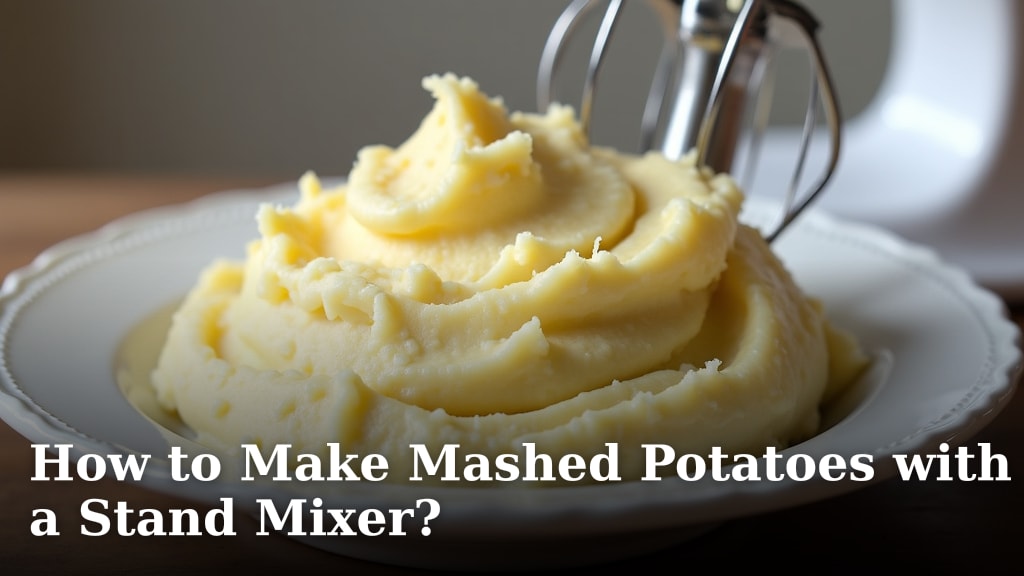
Making mashed potatoes with a stand mixer is incredibly simple. You can achieve fluffy, creamy mashed potatoes in minutes by using your mixer’s paddle attachment on a low speed setting. This method helps prevent overworking the potatoes, which can make them gummy.
You want perfect mashed potatoes, right? We found that using a stand mixer takes the arm work out of mashing, delivering consistent results every time. It’s also a great way to incorporate butter and milk evenly for that dreamy texture you crave.
- Achieve creamy mashed potatoes easily.
- Use a stand mixer for consistent results.
- Prevent gummy potatoes with the right speed.
- Whip in butter and milk perfectly.
- Save time and effort in the kitchen.
Ready to make the best mashed potatoes of your life? Let’s walk through exactly how to use your stand mixer for this delicious dish, step by step.
Getting Started: Your Mixer’s Role in Perfect Mashed Potatoes
Using your stand mixer for mashed potatoes makes the process surprisingly simple and efficient. It takes the heavy lifting out of mashing, leaving you with smooth, lump-free results every time. Think of it as your kitchen assistant, ready to churn out deliciousness.
Choosing the Right Stand Mixer Attachment
The right tool makes all the difference, doesn’t it? For mashed potatoes, you’ll want to use the paddle attachment. This is crucial for avoiding that dreaded gummy texture.
- Paddle Attachment: This is your go-to for mashed potatoes. Its flat design gently breaks down the potatoes without overworking them, which is key for a fluffy outcome.
- Whisk Attachment: Avoid this one for mashing. The whisk incorporates too much air and can make your potatoes watery or frothy, not the creamy texture we’re aiming for.
- Dough Hook: Definitely skip this. It’s designed for kneading bread dough, and it will turn your potatoes into a sticky mess.
Potato Selection: The Foundation of Flavor
Not all potatoes are created equal, especially when it comes to mashing. Choosing the right variety sets you up for success. You want a potato that’s starchy and fluffy when cooked.
- Russet Potatoes: These are often considered the gold standard for mashed potatoes. Their high starch content makes them incredibly fluffy and absorbent, perfect for soaking up all that buttery goodness.
- Yukon Gold Potatoes: A fantastic all-rounder. They offer a naturally creamy texture and a rich, buttery flavor, even before you add any dairy. They don’t need to be peeled if you prefer a rustic touch.
- Red or White Potatoes: These tend to be waxier and lower in starch. While fine for roasting or salads, they can result in a gluey, less fluffy mash. We recommend sticking to russets or Yukon Golds for the best results.
Preparing Your Potatoes for the Mixer
Proper preparation is key before your potatoes even meet the mixer. This section guides you through peeling, cutting, and cooking to ensure they’re ready for their star turn.
Peeling and Cutting for Even Cooking
Consistency is important here. You want all your potato pieces to cook at the same rate. This avoids having some pieces too soft and others still hard.
- Peel Your Potatoes: Unless you’re using Yukon Golds and prefer skins on, peel them thoroughly. A good vegetable peeler makes this quick work.
- Cut into Even Chunks: Aim for 1 to 1.5-inch pieces. This size ensures they cook through relatively quickly and evenly. Larger pieces will take longer, and smaller pieces might get mushy too fast.
- Rinse Well: After cutting, rinse your potato chunks under cold water. This helps remove excess surface starch, which can contribute to a gummy texture (Cleveland Clinic).
Boiling Your Potatoes to Perfection
The way you boil your potatoes significantly impacts the final texture. Don’t rush this step!
- Start in Cold Water: Always place your cut potatoes in a pot and cover them with cold water. Then, add a generous pinch of salt. Starting in cold water allows the potatoes to cook more evenly as the water gradually heats up.
- Boil Until Fork-Tender: Bring the water to a boil, then reduce the heat to a simmer. Cook until the potatoes are easily pierced with a fork but not falling apart. This usually takes about 15-20 minutes, depending on the size of your chunks.
- Drain Thoroughly: This is a critical step! Once cooked, drain the potatoes completely in a colander. Let them sit in the colander for a few minutes, allowing any residual steam to escape. You can even return them to the empty, hot pot for a minute or two over very low heat to dry them out further. Excess water is the enemy of fluffy mashed potatoes.
The Stand Mixer Magic: Mashing and Mixing
Now for the fun part! Your stand mixer is about to transform those tender potatoes into a creamy dream. Remember, low speed is your friend here.
First Pass: Gentle Mashing
Once your potatoes are well-drained and still hot, it’s time to introduce them to your stand mixer. Get ready for some smooth moves.
- Transfer to Mixer Bowl: Carefully place the hot, drained potatoes into your stand mixer’s bowl.
- Attach the Paddle: Make sure the paddle attachment is securely in place.
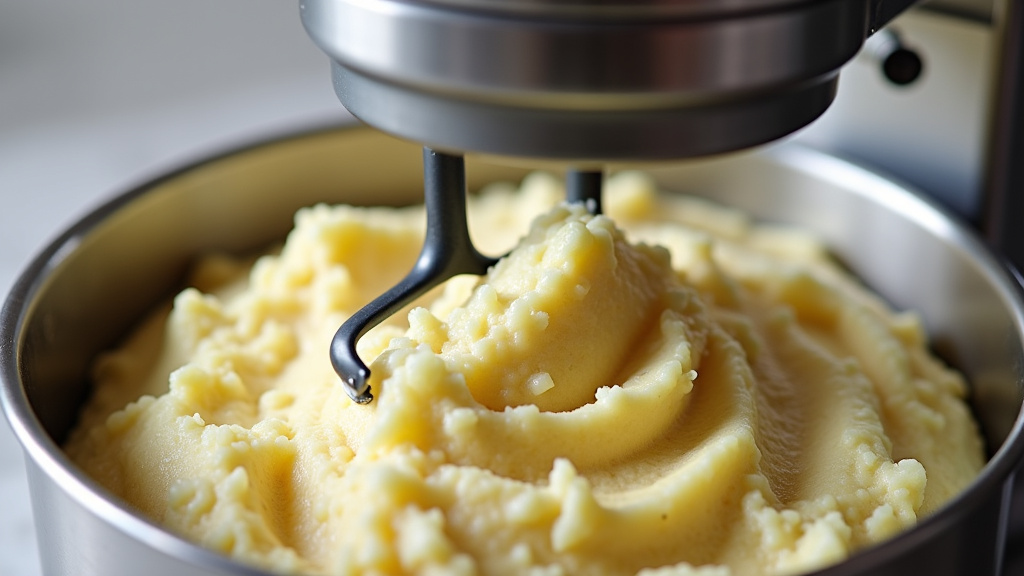
- Start on Low Speed: Begin mixing on the lowest speed setting. We can’t stress this enough! You want to gently break down the potatoes, not pulverize them. Mix for about 30 seconds, just until they start to crumble.
Incorporating Your Dairy and Fat
This is where the flavor and creaminess truly develop. Adding warm ingredients helps them blend seamlessly into the hot potatoes.
- Warm Your Dairy: Heat your milk (or cream) and butter gently in a saucepan or microwave until warm. Don’t let it boil. Warm ingredients absorb better and keep your potatoes hot. We’ve found that using warm liquids prevents the potatoes from cooling down too quickly, maintaining that desirable fluffy texture.
- Add Butter First: With the mixer still on low, add your cubed, softened butter. Let it mix for a moment until mostly incorporated. This helps coat the starch molecules, contributing to a smoother texture.
- Gradually Add Warm Milk/Cream: Slowly pour in the warm milk or cream while the mixer is still on low. Add it in a steady stream, allowing it to blend in with the potatoes. You might not need all of it; add until you reach your desired consistency.
Pro Tip: Taste as you go! Adjust salt, pepper, and other seasonings until they are just right for your palate. This is your chance to make them uniquely yours.
Seasoning and Final Touches
Once your potatoes are creamy, it’s time to dial in the flavor. This is a personal preference, but some basics make all the difference.
- Salt and Pepper: These are non-negotiable. Add to taste, remembering that potatoes need a fair amount of salt to really sing.
- Optional Add-ins: Get creative! Chives, roasted garlic, cream cheese, sour cream, or even a dash of nutmeg can elevate your mashed potatoes to the next level. Add these on low speed until just combined.
- Don’t Overmix: As soon as your potatoes are smooth and creamy, stop the mixer. Overmixing is the primary culprit behind gummy mashed potatoes. A few lumps are better than a sticky mess, wouldn’t you agree?
You’ve done it! Beautiful, fluffy, and creamy mashed potatoes, all thanks to your stand mixer. Serve them immediately and enjoy the fruits of your effortless labor.
Troubleshooting Common Mashed Potato Problems
Even with the best intentions, sometimes things go a little sideways. Don’t worry, we’ve got some solutions for common mashed potato woes.
Why Are My Mashed Potatoes Gummy?
Gummy mashed potatoes are a common complaint, but thankfully, they’re often preventable. It usually comes down to one main issue: overworking the potatoes.
- Overmixing: The most frequent culprit. When you mash potatoes too vigorously or for too long, you break down the starch cells excessively. These broken cells release a sticky starch that creates a gluey texture. Remember, the paddle attachment on low speed is your best friend.
- Waxy Potatoes: Using potatoes that are low in starch (like red or white potatoes) can also lead to a gummier result, as their cell structure doesn’t break down as fluffily.
- Too Much Liquid: While not the primary cause of gumminess, too much liquid can make potatoes watery and less pleasant.
Fixing Runny Mashed Potatoes
If your mash turns out a bit too loose, there are a couple of tricks you can try to thicken it up.
- Return to Heat: Place the mashed potatoes back into the pot over very low heat. Stir continuously for a few minutes. This allows some of the excess moisture to evaporate. Be careful not to burn them!
- Add a Starchy Thickener: A small amount of potato flakes or even a tablespoon of instant mashed potato mix can help absorb excess liquid. Add sparingly and mix on low.
- Stir in Cream Cheese or Sour Cream: These can add body and richness without making them even wetter.
Storage and Reheating Tips
You’ve made a big batch of delicious mashed potatoes. How do you keep them tasting great for later?
Proper Storage for Leftovers
Storing your mashed potatoes correctly ensures they remain safe and delicious for future meals.
- Cool Quickly: Transfer leftover mashed potatoes to an airtight container and refrigerate within two hours of cooking. This prevents bacteria growth (USDA).
- Use Within 3-4 Days: Mashed potatoes are best enjoyed within 3 to 4 days when stored in the refrigerator.
- Freezing for Longer: For longer storage, mashed potatoes freeze beautifully! Place them in a freezer-safe bag or container, removing as much air as possible. They can last for up to 1-2 months.
Reheating Without Losing Creaminess
Nobody wants dry, clumpy reheated mashed potatoes. These methods help maintain their lovely texture.
| Reheating Method | Instructions | Best For |
|---|---|---|
| Stovetop | Place in a saucepan over low heat. Add a splash of milk or broth and stir frequently until heated through. | Small to medium batches, quick reheating. |
| Oven | Transfer to an oven-safe dish. Add a pat of butter and a splash of milk. Cover with foil and bake at 300°F (150°C) for 20-30 minutes, or until hot. | Larger batches, maintaining moisture. |
| Microwave | Place in a microwave-safe bowl. Add a tablespoon of milk or broth. Cover loosely and microwave in 1-minute intervals, stirring in between, until hot. | Single servings, very fast reheating. |
Remember, always stir in a little extra liquid (milk, cream, or even chicken broth) when reheating. This helps to rehydrate the potatoes and restore their creamy texture. You can also add a little more butter for extra richness!
Conclusion
You now have all the tools to create perfect, fluffy mashed potatoes using your stand mixer. From selecting the right potato and attachment to understanding why low speed is vital, you’re set for success. This method saves you effort and consistently delivers that creamy texture everyone loves. No more gummy potatoes for you!
Go ahead, grab your stand mixer and get mashing. Your taste buds—and your arms—will thank you for the delicious results. Enjoy your perfectly made mashed potatoes tonight!
Frequently Asked Questions
Can I use a hand mixer instead of a stand mixer for mashed potatoes?
Yes, you can use a hand mixer, but be very careful not to overmix. Use the lowest speed setting and mix only until combined. A hand mixer can sometimes be more prone to overworking the potatoes, leading to a gummier texture.
How can I make my mashed potatoes extra flavorful?
Beyond salt and pepper, consider adding roasted garlic, fresh herbs like chives or parsley, or even a dollop of cream cheese or sour cream for richness. A pinch of nutmeg can also enhance the potato’s natural flavor beautifully.
What’s the best way to keep mashed potatoes warm for a party?
For parties, you can keep mashed potatoes warm in a slow cooker on the “warm” setting. Stir in a little extra milk or butter before serving to restore creaminess. You can also place the bowl over a pot of simmering water (bain-marie style).
Can I prepare mashed potatoes ahead of time?
Absolutely! You can prepare them a day or two in advance and store them in an airtight container in the refrigerator. When ready to serve, reheat using one of the methods we discussed, adding extra liquid and butter as needed.
My mashed potatoes are too thick, what should I do?
If your mashed potatoes are too thick, simply stir in a tablespoon or two of warm milk, cream, or even chicken broth until you reach your desired consistency. Do this gently and gradually to avoid making them too thin.