What Is the Difference Between Kitchenaid Artisan and Classic?
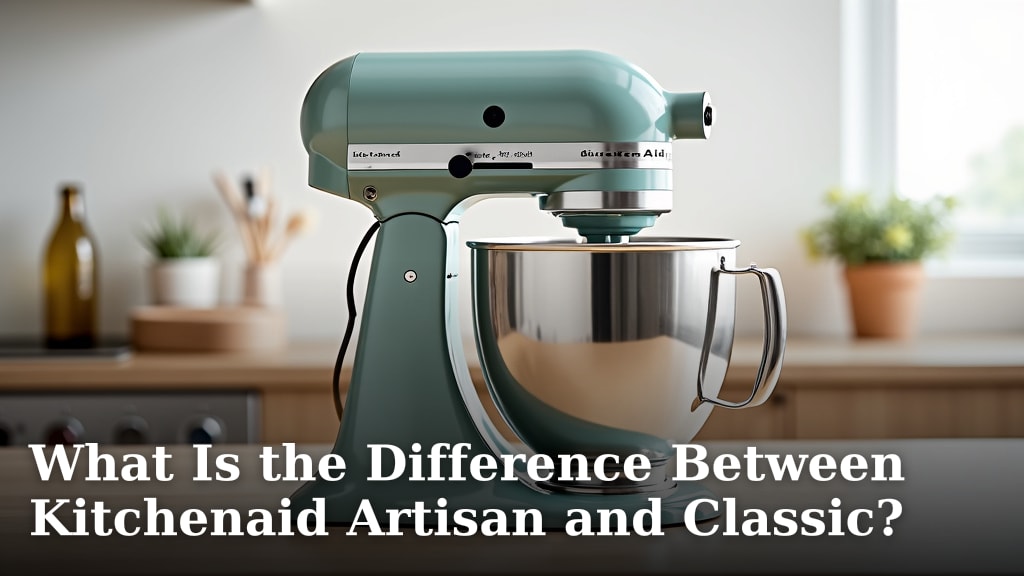
The main difference between KitchenAid Artisan and Classic stand mixers is their features and power. The Artisan offers more color options and a slightly more powerful motor, while the Classic is a basic, reliable model with fewer choices. Both are excellent choices for home bakers.
You might be wondering which one is right for your kitchen. We found that the KitchenAid Artisan is often preferred for its larger bowl capacity and tilt-head design. The KitchenAid Classic, on the other hand, is a great entry-level option, providing essential mixing capabilities without the extra bells and whistles.
- The Artisan has a larger 5-quart bowl; the Classic has a 4.5-quart bowl.
- Artisan offers more colors and slightly more motor power (325 watts vs. 275 watts).
- Both models feature a tilt-head design for easy access.
- The Classic is a budget-friendly option for basic mixing tasks.
- Artisan provides more versatility for diverse baking projects.
Below, we break down everything you need to know about these popular KitchenAid mixers. Let’s find out which one fits your cooking style best!
Comparing KitchenAid Artisan and Classic Models
You’re ready to buy a KitchenAid mixer, and now you face the choice: Artisan or Classic? Both are excellent machines, but they cater to slightly different needs and budgets. Understanding their key differences will help you make the best decision for your kitchen. Think of it like choosing between a standard sedan and a slightly upgraded model; both get you from A to B, but one offers a bit more.
We found that the core distinctions lie in their power, capacity, aesthetics, and price point. Let’s break down these aspects so you can see which mixer aligns with your baking style.
Power and Performance: What’s Under the Hood?
When you’re whipping up a batch of dough or thick batter, the mixer’s motor power is crucial. It determines how easily and efficiently your machine handles the task. Many home bakers underestimate this, but it makes a real difference in the kitchen.
Motor Wattage and Durability
The KitchenAid Artisan model generally boasts a 325-watt motor. This gives it a bit more oomph for tougher jobs, like kneading heavy bread doughs or mixing thick cookie batters. It means less strain on the motor and a longer life for your appliance. Think of it as having a little extra horsepower when you need it most.
The KitchenAid Classic, on the other hand, comes with a 275-watt motor. While this is perfectly adequate for most everyday mixing tasks—think cakes, cookies, and lighter doughs—it might struggle slightly more with very dense mixtures. It’s still a robust motor, designed for reliability, but with a bit less raw power. We found that for casual bakers, the Classic’s motor is more than sufficient.
Mixing Action and Efficiency
Both models feature KitchenAid’s signature “planetary mixing action.” This means the beater rotates in one direction while whisking and spinning in the other, touching 59 points around the bowl. This ensures thorough ingredient incorporation, leaving no unmixed bits at the bottom or sides of the bowl. It’s a hallmark of KitchenAid’s design and a major reason for their popularity (KitchenAid).
Whether you choose the Artisan or the Classic, you’re getting this superior mixing capability. The difference in wattage primarily affects how effortlessly they handle larger quantities or denser ingredients, not the quality of the mixing itself.
Bowl Capacity and Design: Size Matters
The mixing bowl is your primary workspace. Its size and how it attaches to the mixer impact how much you can mix at once and how easy it is to use. Do you bake for a crowd or just for yourself? This will guide your choice.
Bowl Size Differences
The KitchenAid Artisan typically comes with a 5-quart stainless steel bowl. This capacity is quite generous, allowing you to whip up recipes that call for up to 9 dozen cookies, 4 loaves of bread, or 7 pounds of mashed potatoes in a single batch. It’s a versatile size for most family baking needs.
The KitchenAid Classic is equipped with a slightly smaller 4.5-quart stainless steel bowl. This bowl comfortably handles recipes for about 8 dozen cookies, 3 loaves of bread, or 6 pounds of mashed potatoes. For smaller households or less frequent baking, this size is often perfect. It’s a subtle difference, but one worth considering if you often scale up your recipes.
Tilt-Head vs. Bowl-Lift Design
Both the Artisan and Classic models feature a tilt-head design. This means the head of the mixer tilts back, allowing easy access to the bowl and beater. It’s simple to add ingredients, scrape down the sides, or change attachments. Many users find this design more intuitive and convenient for everyday use.
The tilt-head design also makes it easier to clean, as you can remove the bowl and attachments without much fuss. If you’ve ever wrestled with a mixer, you’ll appreciate this convenience.
Aesthetics and Color Options: Personalizing Your Kitchen
For many, a KitchenAid mixer isn’t just an appliance; it’s a statement piece. The look of your mixer can enhance your kitchen’s decor. Do you prefer a pop of color or a more understated look?
Artisan’s Wide Color Palette
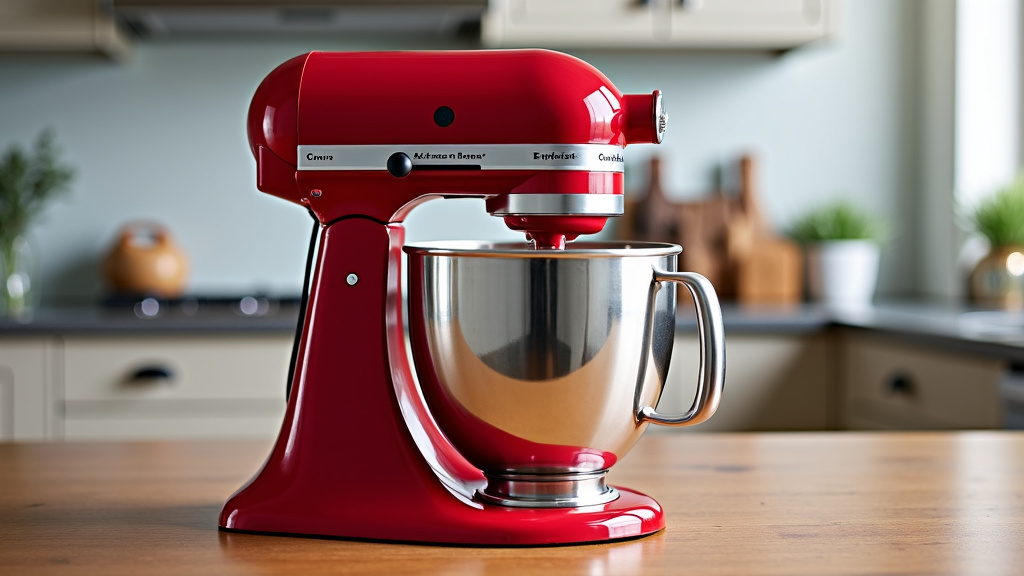
This is where the Artisan truly shines. It’s famous for its incredible array of colors—from classic Empire Red to Pistachio, Majestic Yellow, and everything in between. We’ve seen over 20 color options for the Artisan, allowing you to find the perfect shade to match your kitchen or express your personality. It’s like picking out your favorite car color.
This vast selection isn’t just about looks; it allows you to truly personalize your space. If aesthetics are a major factor for you, the Artisan will likely win your heart.
Classic’s Streamlined Choices
The KitchenAid Classic, while still stylish, offers a much more limited color selection. You’ll typically find it in essential, popular colors like White and Black. These are timeless choices that fit well into any kitchen decor without drawing too much attention.
If you prefer a simpler, more understated appliance or if you’re not concerned about having a specific color, the Classic’s options are perfectly fine. It’s about functionality and classic appeal over flashy variety.
Price and Value: Getting the Most for Your Money
Budget is often a deciding factor, and KitchenAid mixers represent a significant investment. Understanding the price difference helps you weigh the features against the cost.
Artisan’s Investment Value
Because of its slightly more powerful motor, larger bowl, and extensive color options, the KitchenAid Artisan typically comes at a higher price point. You’re paying for those extra features and the ability to customize its look.
Many consider the Artisan a worthwhile investment for its versatility and aesthetic appeal. If you bake frequently, tackle tougher recipes, or simply want a mixer that stands out, the extra cost can be justified.
Classic’s Budget-Friendly Appeal
The KitchenAid Classic is generally the more affordable option. It provides the core functionality and reliability of a KitchenAid mixer without the premium features or vast color choices of the Artisan.
For those on a tighter budget or who are just starting their baking journey, the Classic offers excellent value. You still get a durable, high-performing stand mixer, just with fewer frills. It’s a fantastic entry point into the world of KitchenAid.
Attachments and Accessories: Expanding Your Mixer’s Capabilities
Both the Artisan and Classic models are designed to be versatile workhorses, thanks to their power hub. This hub allows you to connect a wide range of attachments, transforming your mixer into much more than just a dough-kneader.
Universal Power Hub
A great feature common to both the Artisan and Classic is the universal power hub. Located at the front of the mixer, this hub powers various attachments, from pasta makers and food grinders to spiralizers and ice cream makers. It’s like having a mini appliance center on your countertop (KitchenAid).
This means that regardless of whether you choose the Artisan or the Classic, you’ll have access to the same ecosystem of attachments. Your mixer can evolve with your culinary interests.
Included Attachments and Optional Upgrades
Typically, both models come standard with a few key attachments: a flat beater, a dough hook, and a wire whip. These cover most basic mixing, kneading, and whipping needs.
If you later decide you want to make fresh pasta or grind your own meat, you can purchase those specialized attachments separately. The compatibility is the same across both the Artisan and Classic, which is a huge bonus. You’re not locked into one set of functions.
KitchenAid Artisan vs. Classic: A Quick Comparison Table
Sometimes, seeing the key differences side-by-side helps clarify your decision. Here’s a quick overview of what sets these two popular models apart.
| Feature | KitchenAid Artisan | KitchenAid Classic |
|---|---|---|
| Motor Wattage | 325 watts | 275 watts |
| Bowl Capacity | 5 quarts | 4.5 quarts |
| Color Options | Wide variety (20+) | Limited (White, Black) |
| Design | Tilt-Head | Tilt-Head |
| Price Point | Higher | Lower / Entry-level |
| Ideal For | Frequent bakers, larger batches, heavy doughs, aesthetic preference | Casual bakers, smaller batches, lighter doughs, budget-conscious |
Which One Is Right for You? Making Your Decision
Ultimately, the “best” mixer isn’t about which one has more features, but which one fits your unique needs and habits. Consider your typical baking routine, your kitchen space, and your budget. Are you a passionate baker or a casual cookie maker?
Consider Your Baking Habits
If you’re a seasoned baker who regularly tackles bread making, double batches of cookies, or elaborate cakes, the Artisan’s extra power and larger bowl will be a noticeable advantage. It provides that little bit of extra muscle and capacity that makes a difference when you’re working with larger or tougher recipes.
If you bake occasionally, primarily make smaller batches, or focus on lighter recipes, the Classic will serve you beautifully. It’s a workhorse that handles most home baking needs without any fuss. Don’t underestimate its capabilities just because it’s the “Classic.”
Budget and Aesthetics: Practical vs. Personalized
Are you looking for the most economical choice that still delivers KitchenAid quality? The Classic is your go-to. It offers excellent performance at a more accessible price. It’s the practical choice that won’t disappoint.
However, if you’re willing to invest a bit more for that perfect shade to match your kitchen, or if you value the slightly increased power and capacity, the Artisan offers that personalized touch and enhanced capability. It’s about bringing your personal style into your kitchen.
Final Checklist for Your KitchenAid Choice
To help you solidify your decision, ask yourself these questions:
- Do I frequently bake large quantities or heavy doughs?
- Is having a specific color important for my kitchen aesthetic?
- What is my budget for a stand mixer?
- How often do I plan on using the mixer each week?
- Do I anticipate needing the extra power for future culinary adventures?
- Am I just starting my baking journey and need a reliable, basic model?
Your answers to these questions should guide you toward the KitchenAid Artisan or the Classic. Both are fantastic machines built for durability and performance, so you can’t really go wrong with either choice (Good Housekeeping Institute).
Conclusion
Choosing between the KitchenAid Artisan and Classic truly depends on your individual baking journey. We found that if you’re a passionate baker who tackles large batches and desires a wider color selection, the Artisan’s extra power and capacity are worth the investment. If you’re a casual baker, budget-conscious, or prefer a straightforward appliance, the Classic offers exceptional value and reliability for everyday tasks.
Both mixers offer the renowned KitchenAid quality and the versatility of the power hub. Consider your needs, budget, and kitchen aesthetic. You’ll enjoy whichever powerful KitchenAid companion you bring home.
Frequently Asked Questions
Is the KitchenAid Classic powerful enough for bread dough?
Yes, the KitchenAid Classic’s 275-watt motor can handle most standard bread dough recipes. For very dense or large quantities of dough, however, you might notice it working a bit harder than the Artisan model.
Can I use the same attachments on both the Artisan and Classic mixers?
Absolutely! Both the KitchenAid Artisan and Classic models feature the same universal power hub. This means all official KitchenAid attachments, like pasta makers or food grinders, are compatible with either mixer.
Why is the Artisan more expensive than the Classic?
The Artisan typically costs more due to its slightly larger motor (325 watts), bigger bowl capacity (5 quarts), and the extensive range of color options it offers. These features provide enhanced versatility and personalization for your kitchen.
Do both models come with a warranty?
Yes, KitchenAid provides a warranty for both the Artisan and Classic stand mixers. Warranty details can vary, so we recommend checking the specific product listing or KitchenAid’s official website for the most current information regarding your purchase.
Which KitchenAid mixer is better for a beginner baker?
For a beginner baker, the KitchenAid Classic is often an excellent choice. It provides all the essential mixing capabilities at a more accessible price point, allowing you to learn and grow your skills without unnecessary extra features.