What Size Stand Mixer Should I Buy for a Family of Four?
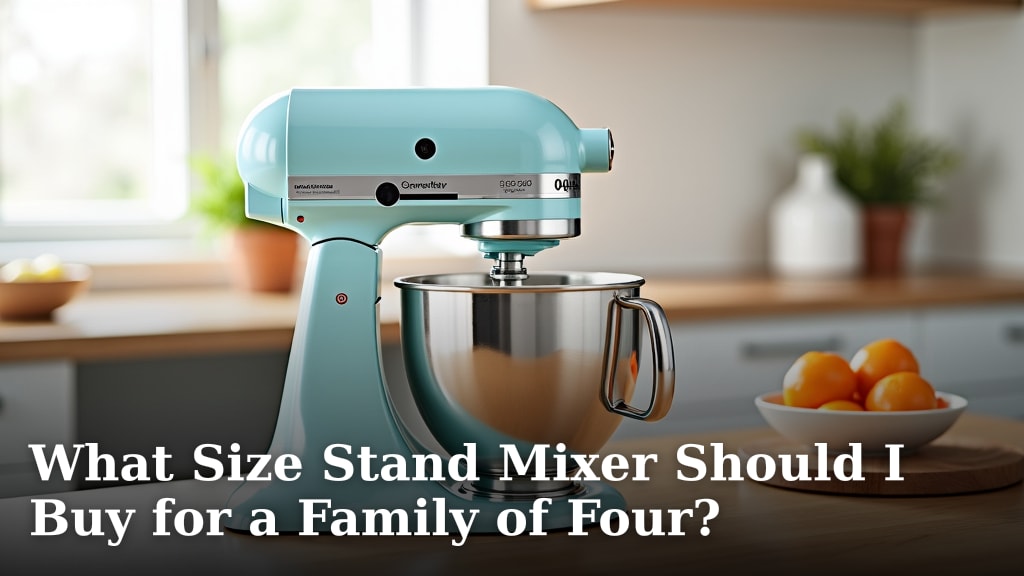
For a family of four, we found that a 5-quart stand mixer is often the sweet spot. This size offers plenty of capacity for everyday baking and meal prep without taking up too much counter space. It’s ideal for whipping up batches of cookies, bread dough, or mashed potatoes.
Many home cooks find that a 5-quart mixer provides the best balance. You can handle most recipes for a family of four easily. It’s also a great choice if you occasionally host larger gatherings or like to bake in bigger batches.
- A 5-quart stand mixer is ideal for a family of four.
- It offers good capacity for daily baking and cooking.
- This size balances power with counter space.
- You can handle most common recipes.
Let’s dive deeper into how to choose the perfect stand mixer for your kitchen and what features matter most.
Choosing the Right Stand Mixer Size for Your Family
For a family of four, selecting the right stand mixer size is about finding balance. You want enough power and capacity without it overwhelming your kitchen. We found that a 5-quart model typically hits this sweet spot for most households.
Understanding Stand Mixer Capacities
Stand mixers come in a range of sizes, measured in quarts. This measurement refers to the volume of the mixing bowl. You’ll commonly see mixers from 3.5 quarts all the way up to 7 quarts or more.
Smaller Mixers: 3.5 to 4.5 Quarts
These smaller mixers are great if your kitchen is tiny or if you primarily bake for one or two people. They are perfect for a single batch of cookies or a small cake. However, for a family of four, you might find yourself needing to mix in multiple batches, which can be a bit of a hassle.
- Good for small kitchens.
- Ideal for single servings or small recipes.
- Might be too small for family meals.
Mid-Sized Mixers: 5 to 6 Quarts
This is where the 5-quart mixer shines for families. It offers enough space to handle most everyday tasks. You can mix a double batch of cookie dough or knead a decent-sized loaf of bread. A 6-quart model provides a little extra wiggle room, which can be nice if you frequently bake for gatherings.
- Versatile for many recipes.
- Handles family-sized portions well.
- Fits comfortably on most countertops.
Larger Mixers: 7 Quarts and Up
If you’re baking commercially, run a home business, or frequently host very large parties, these bigger mixers are fantastic. They handle huge quantities with ease. For a family of four, though, a 7-quart mixer can feel like overkill. It takes up a lot of counter space and can be heavy to move.
- Excellent for large-scale baking.
- Often have powerful motors.
- Might be too big for daily family use.
Why a 5-Quart Mixer is Often Just Right
Our research shows that a 5-quart stand mixer is a highly recommended size for families of four. It strikes a great balance between capacity, counter space, and power. Let’s look at what you can actually do with a mixer this size.
Common Recipes and Their Fit
Imagine you want to bake a birthday cake. A 5-quart mixer easily handles the batter for a standard two-layer cake. Want to make your own bread? It can knead dough for one or two average-sized loaves. Many home cooks find it ideal for a triple batch of chocolate chip cookies too. This means fewer mixing sessions and more time enjoying your creations.
Handling Everyday Tasks
Beyond baking, stand mixers are incredibly useful for everyday cooking. A 5-quart bowl is perfect for mashing a large pot of potatoes for dinner. You can shred cooked chicken for tacos or whip up homemade frosting. It becomes a true kitchen workhorse, saving your arms and hands from tedious tasks.
Key Features to Consider Beyond Size
While bowl capacity is important, it’s just one piece of the puzzle. When shopping for a stand mixer, you’ll want to think about other features too. These can greatly affect your experience and the mixer’s longevity.
Motor Power (Wattage)
The motor is the heart of your stand mixer. For a 5-quart model, look for a mixer with at least 300 to 325 watts. If you plan to knead a lot of stiff bread dough, a higher wattage (350-500 watts) will offer more durability and less strain on the motor. A powerful motor handles thick mixtures without bogging down.
Many experts suggest that direct-drive motors are more efficient and durable than belt-driven ones. This design helps deliver power directly to the attachments.
Speed Settings
Most stand mixers offer multiple speed settings, usually from 6 to 10 or more. You’ll want a low “stir” speed for gently combining ingredients and high speeds for whipping cream or egg whites. Gradual speed control helps prevent splattering when you start mixing. Look for a soft start feature if possible.
Attachments Included
Your stand mixer will typically come with three essential attachments:
- Flat Beater: For normal to heavy mixtures like cookies, cakes, and mashed potatoes. This is your everyday workhorse.
- Wire Whip: Perfect for aerating ingredients. Use it for whipping egg whites, cream, and light batters.
- Dough Hook: Designed for kneading yeast doughs for breads, pizzas, and rolls. It saves you a lot of arm work.
Some mixers include a pouring shield, which helps prevent splatters and lets you add ingredients easily. Consider if you want these accessories, as they add convenience.
Durability and Construction Materials
A stand mixer is an investment. You want one that will last. Look for models with sturdy metal construction, especially in the gears. Die-cast metal bodies are generally more durable than plastic. Read reviews to see how well the mixer holds up to regular use over time. A good warranty can also offer peace of mind.
Tilt-Head vs. Bowl-Lift Design
Stand mixers come in two main designs, and your preference might depend on your kitchen setup and how you use the mixer.
Tilt-Head Models
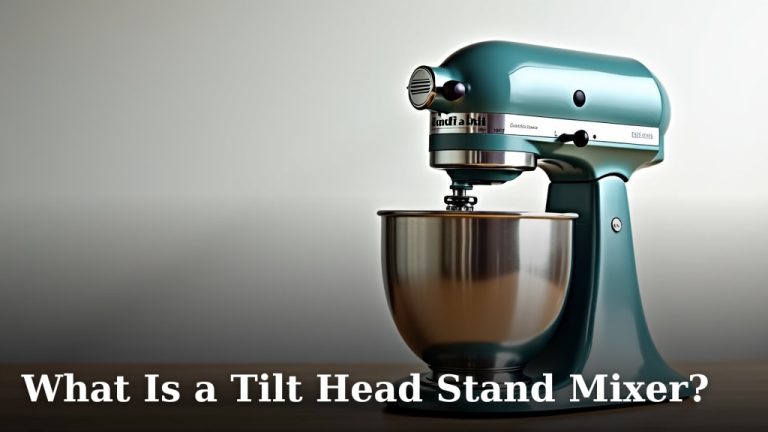
With a tilt-head mixer, the head of the mixer tilts back, allowing you to easily access the bowl and change attachments. They are often lighter and fit better under upper cabinets. Many 5-quart mixers use this design. They are generally easier to clean too.
Bowl-Lift Models
Bowl-lift mixers have a mechanism that raises and lowers the bowl into position. These models are typically more powerful and stable, especially for heavy doughs. They tend to be larger and heavier, often found in 6-quart and larger models. If you’re frequently making bread, a bowl-lift might be a good choice, even for a 5-quart capacity.
A Quick Comparison of Mixer Sizes for a Family of Four
Here’s a simple table to help you visualize the differences and choose what’s best for your family’s needs.
| Mixer Size (Quarts) | Pros for a Family of Four | Cons for a Family of Four | Best For |
|---|---|---|---|
| 3.5 – 4.5 | Compact, easy to store, lighter weight. | Too small for most family recipes, often requires multiple batches. | Very small kitchens, light baking, single servings. |
| 5 | Excellent capacity for everyday use, good balance of power and size, handles most recipes well. | Might struggle with very large bread batches or triple recipes. | Most families of four, regular baking and cooking. |
| 6 | More capacity for larger batches, good for occasional entertaining. | Takes up slightly more counter space, often a bowl-lift design. | Families who bake a lot, frequent entertainers, occasional large batches. |
| 7+ | Handles very large quantities with ease, very powerful motors. | Very large footprint, heavy, overkill for daily family use. | Commercial use, very large families, extensive holiday baking. |
Your Stand Mixer Checklist
Before you buy, ask yourself these questions to make sure you’re getting the perfect stand mixer for your family’s needs:
- What is my primary use? (Daily baking, occasional bread, holiday meals?)
- How much counter space do I actually have available?
- Do I prefer a tilt-head or bowl-lift design?
- What is my budget? (Prices vary widely.)
- Do I need additional attachments like a pasta maker or meat grinder later on?
- How important is the mixer’s aesthetic and color to my kitchen?
Thinking through these points will guide you toward a mixer that fits your lifestyle. Choosing a stand mixer is a fun process, and with the right one, you’ll be creating delicious treats for years to come.
Conclusion
Choosing the right stand mixer size for your family doesn’t have to be complicated. Our research shows that a 5-quart model is often the ideal choice for a family of four, balancing capacity with convenience. It handles everyday baking and cooking tasks with ease, without overwhelming your kitchen counter.
Remember to consider motor power, attachments, and durability to ensure your investment lasts. By thinking through your family’s specific needs, you’ll find a mixer that becomes a true kitchen ally. Go ahead, pick your perfect stand mixer and start creating delicious memories!
Frequently Asked Questions
What’s the real difference between tilt-head and bowl-lift mixers?
Tilt-head mixers are generally easier to access for scraping the bowl and changing attachments, and they fit better under cabinets. Bowl-lift models offer more stability and power, especially for heavy doughs, but they are typically larger and heavier.
Do I really need all the attachments that come with a stand mixer?
Most mixers include a flat beater, wire whip, and dough hook. These three are essential for most common recipes. You might not use specialized attachments like pasta makers right away, but they offer great versatility for future culinary adventures.
Is it worth spending more on a stand mixer with higher wattage?
Generally, yes, if you plan to do a lot of heavy mixing like bread dough. Higher wattage, especially with a direct-drive motor, means the mixer will work more efficiently and last longer. It reduces strain on the motor and helps prevent burnout.
How much counter space does a 5-quart stand mixer typically need?
A 5-quart stand mixer usually occupies a footprint of about 14-16 inches deep by 8-9 inches wide. Make sure you also account for height, especially if it’s a tilt-head model, so it can open fully without hitting upper cabinets.
Can a 5-quart mixer handle making a large batch of holiday cookies?
Absolutely! A 5-quart mixer is well-suited for double or even triple batches of most cookie recipes. This makes it perfect for holiday baking or preparing treats for larger gatherings without needing to mix in multiple small rounds.