
What Stand Mixer Attachments Should I Buy First?
When you’re just starting out with a stand mixer, the most essential attachments to buy first are usually the flat beater, dough hook, and wire whisk. These three cover the vast majority of common baking and cooking tasks you’ll want to tackle with your new kitchen workhorse. Think of them as your starter pack for culinary success.
Choosing your first attachments can feel overwhelming with so many options available. However, focusing on these core tools ensures you get the most bang for your buck. They are designed to handle everything from whipping cream to kneading bread, making them a truly versatile foundation for your stand mixer adventures.
- Start with the essentials: flat beater, dough hook, wire whisk.
- These three handle most common baking and cooking needs.
- They are your foundation for diverse recipes.
- Don’t feel pressured to buy everything at once.
Let’s break down why these specific attachments are the best starting point and what you can do with each one.
Your Stand Mixer’s Core Trio: Essential First Attachments
So, you’ve got a shiny new stand mixer. That’s fantastic! Now comes the fun part: figuring out which attachments to grab first. Don’t worry about needing every single gizmo out there right away. Most home bakers and cooks will find that a small set of core attachments covers a surprising amount of ground. We’ve found that focusing on the essentials ensures you get the most use out of your mixer right from the start. Let’s talk about the three absolute must-haves.
The Mighty Flat Beater: Your Go-To for Most Mixing
This is probably the attachment you’ll reach for most often. The flat beater looks a bit like a paddle. It’s designed for general-purpose mixing tasks. Think of it as your mixer’s workhorse for batters and doughs that aren’t too stiff. It does a super job of scraping the sides of the bowl. This means less stopping and scraping by hand. You’ll find it’s perfect for cakes, cookies, and quick breads. It really helps you achieve a **smooth, consistent batter** every time. Many kitchen guides highlight its versatility for everyday cooking.
What You Can Make with the Flat Beater
When you’re whipping up a batch of cookies, the flat beater is your best friend. It creams butter and sugar beautifully. It mixes in your dry ingredients without overworking the dough. This leads to **tender, delicious cookies** that aren’t tough. Pancakes? Yep, the flat beater handles that batter with ease. Mashed potatoes? Absolutely. It makes them light and fluffy. Even meatloaf mixtures come together quickly and evenly. It’s great for anything that needs combining but not necessarily a lot of air incorporated.
The Powerful Dough Hook: Kneading Made Easy
If you love baking bread, then the dough hook is non-negotiable. This attachment is specifically shaped to handle sticky, elastic doughs. Kneading bread by hand can be a real workout. It takes time and effort to develop the gluten properly. The dough hook does all that heavy lifting for you. It twists and turns the dough, mimicking the action of kneading. We found that it can cut down kneading time significantly. This means you can enjoy **freshly baked bread** with less manual labor. Most bread recipes will call for using this tool.
Bread and Beyond with the Dough Hook
The most obvious use is, of course, bread dough. From simple white loaves to whole wheat and rye, it handles them all. Pizza dough becomes a breeze. Cinnamon rolls and sticky buns? The dough hook makes preparing their enriched doughs much simpler. But its use doesn’t stop at bread. It’s also excellent for other types of heavy doughs. Think pasta dough or even some types of enriched cookie doughs. It’s designed to **thoroughly develop gluten**, which is key for chewy textures. Many culinary resources point to this attachment for **yeast-based recipes**.
The Whimsical Wire Whisk: Adding Air and Lightness
This is the attachment that looks like a classic balloon whisk. Its primary job is to incorporate air into ingredients. This means it’s your go-to for anything that needs to be light and fluffy. Think whipped cream, egg whites for meringues, or light batters. The wires whip air into the mixture very efficiently. We found that using a wire whisk attachment can create **superior volume** compared to whisking by hand. It’s a simple tool but incredibly effective for achieving airy textures.
Light and Airy Creations with the Wire Whisk
Whipped cream is perhaps the most popular use. You can go from heavy cream to stiff peaks in minutes. It’s so much faster and easier than manual whisking. Angel food cake or chiffon cake batters benefit greatly from the air incorporated by the whisk. Meringues for pies or cookies are another perfect application. Even lighter cake batters, like sponge cakes, can achieve a better texture. You can also use it for light sauces that need emulsifying. It’s about creating **delicate, airy results** that are hard to achieve otherwise.
Why These Three Are Your Best Starting Point
You might be wondering why these three are so special. The reason is their sheer **versatility and effectiveness** for common kitchen tasks. If you’re new to a stand mixer, these three attachments allow you to tackle a wide range of recipes without feeling overwhelmed. You can make cakes, cookies, quick breads, yeasted breads, whipped toppings, and more. That’s a lot of cooking and baking covered with just three tools!
Many kitchen appliance experts suggest starting with these core pieces. They are the foundation upon which more specialized attachments build. Without mastering the basics with these, you might not appreciate the full potential of your stand mixer. We found that users who start with these three attachments tend to **gain confidence quickly**. They can experiment with more complex recipes sooner. Starting with these core attachments helps users gain confidence quickly with their stand mixer.
A Quick Comparison of Your First Attachments
To help solidify why these are the top picks, let’s look at them side-by-side. Each has a distinct purpose, yet they overlap in some areas, making them a powerful combination.
| Attachment | Primary Use | Best For | When to Use It |
|---|---|---|---|
| Flat Beater | General Mixing | Cakes, cookies, batters, mashed potatoes | When you need to combine ingredients without adding a lot of air or developing tough gluten. |
| Dough Hook | Kneading Doughs | Bread, pizza dough, pasta dough | For any recipe that requires developing gluten through kneading, especially sticky doughs. |
| Wire Whisk | Incorporating Air | Whipped cream, egg whites, meringues, light batters | When you want to make ingredients light, fluffy, and voluminous. |
As you can see, these three attachments cover a broad spectrum of mixing needs. They represent the **most frequent tasks** you’ll encounter in a typical kitchen. Owning these three means you’re ready for a vast majority of recipes you’ll find.
Tips for Using Your New Attachments
Once you have your starter attachments, here are a few tips to help you get the most out of them. Following these will help you avoid common pitfalls and ensure delicious results.
Read Your Mixer’s Manual
This might sound obvious, but your stand mixer’s manual is your **best friend**. It will tell you the specific speed settings recommended for each attachment and task. For example, the dough hook usually works best at lower speeds. The wire whisk needs higher speeds to incorporate air effectively. Using the wrong speed can lead to poor results or even damage to the attachment or mixer. Many manufacturers provide **clear guidelines** in their user manuals.
Clean Up is Key
Proper cleaning ensures your attachments last for years. Most are dishwasher safe, which is a huge convenience. However, some manufacturers recommend hand washing certain parts, especially if they have wooden or coated components. Always check your manual for specific cleaning instructions. Prompt cleaning prevents food from drying on, making them **easier to wash** later. We found that a quick rinse after use is often enough to keep them in great shape.
Don’t Be Afraid to Experiment (Within Reason!)
While we’ve outlined the core uses, don’t be afraid to try slightly different things. Could the flat beater handle a slightly thicker batter than usual? Maybe. Could the dough hook assist with a very stiff cookie dough? Possibly. The key is to use **common sense**. If something feels like it’s straining the mixer, stop. Listen to your machine. But small adjustments can often lead to discovering new ways to use your tools.
Your Essential Stand Mixer Attachment Checklist
Ready to stock your kitchen? Here’s a quick rundown of the first attachments you should consider buying. This checklist focuses on getting you up and running with your stand mixer.
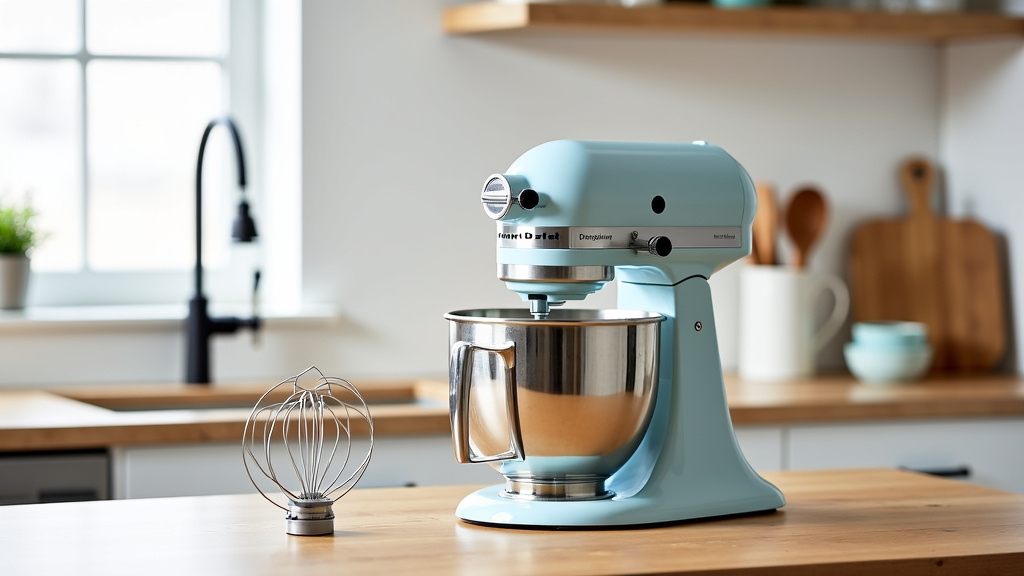
- Flat Beater: For everyday mixing, batters, and doughs.
- Dough Hook: For all your bread-making needs.
- Wire Whisk: To add air and create light, fluffy textures.
These three items are the absolute foundation. They will allow you to explore a vast array of recipes right out of the gate. Don’t feel pressured to buy more until you’ve truly mastered what these can do. Your stand mixer is a versatile tool, and these attachments are the perfect starting point for your culinary adventures.
Conclusion
You’ve learned that the flat beater, dough hook, and wire whisk are your essential starting trio for stand mixer attachments. These three tools cover the vast majority of common baking and cooking tasks. They’ll help you make everything from cookies and cakes to bread and whipped cream. Don’t feel pressured to buy more attachments right away. Master these core pieces first. Your stand mixer is ready for its culinary debut with these foundational tools. Go forth and create something delicious!
Frequently Asked Questions
Can I use my stand mixer without any attachments?
Yes, you can. Your stand mixer comes with a basic attachment, usually the flat beater. This is what most people use for everyday mixing tasks like batters and cookies. You can certainly start by just using the included attachment.
Do I really need all three basic attachments?
For most home cooks, yes, you’ll find yourself using all three regularly. The flat beater handles general mixing, the dough hook is for bread, and the wire whisk is for incorporating air. Owning just one or two will limit the types of recipes you can easily make.
What if my stand mixer didn’t come with these attachments?
Most stand mixers come with the flat beater and dough hook as standard. The wire whisk is often included too, but sometimes it’s sold separately. Check your mixer’s packaging or manual to see what was included. You can purchase any missing basic attachments directly from the manufacturer or reputable retailers.
Are there any common mistakes people make when buying attachments first?
A common mistake is buying specialized attachments too early. Things like pasta rollers or meat grinders are fun but not essential for starting out. Focusing on the basic trio ensures you get the most use from your investment right away.
When should I consider buying more advanced stand mixer attachments?
You should consider additional attachments once you’ve consistently used your basic set and feel limited. If you find yourself frequently wishing you could do something specific, like make fresh pasta or grind meat, that’s a good indicator you’re ready for more specialized tools.
