
What Stand Mixer Do Bakeries Use?
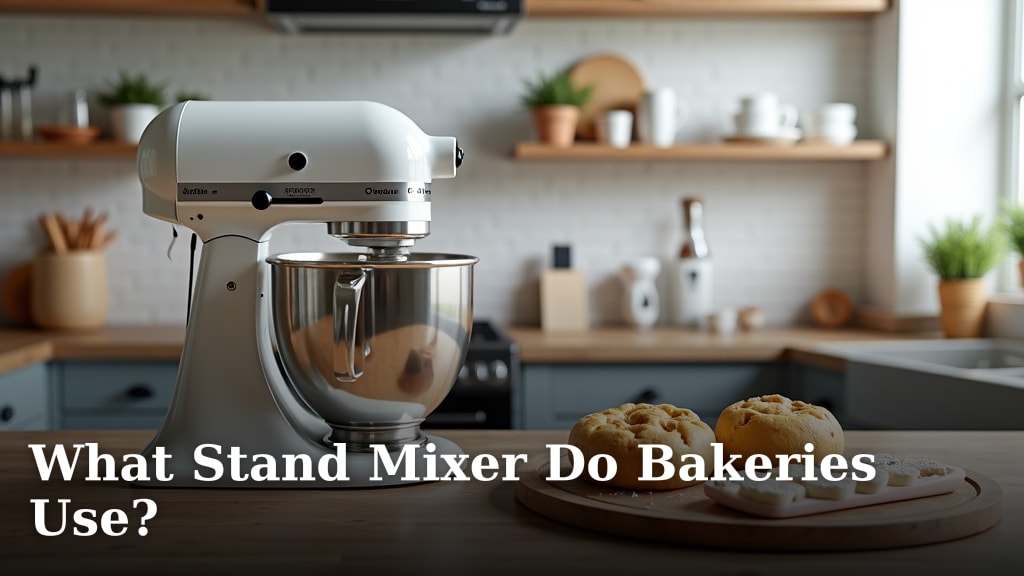
Bakeries primarily use heavy-duty stand mixers, often referred to as commercial stand mixers. These powerful machines are built for constant use and can handle large batches of dough and batter far better than their home counterparts. You’ll commonly see brands like KitchenAid Professional, Hobart, and Globe in professional kitchens.
While home bakers might be familiar with smaller, counter-top models, professional bakeries need machines that can withstand the rigors of high-volume production. This means looking for mixers with durable construction, powerful motors, and features designed for efficiency and longevity. The size and capacity also play a big role in what bakeries choose.
- Bakeries use heavy-duty or commercial stand mixers.
- These mixers are designed for constant, high-volume use.
- Popular brands include KitchenAid Professional, Hobart, and Globe.
- Key features are durability, powerful motors, and large capacity.
Let’s dive into the specifics of what makes these mixers ideal for professional baking and how they differ from what you might have at home.
The Powerhouses Behind Perfect Pastries: Professional Bakery Stand Mixers
Bakeries rely on stand mixers that are built for serious work. They need machines that can handle large batches and tough doughs day in and day out. These aren’t your average kitchen appliances; they’re workhorses designed for constant commercial use.
What Makes a Stand Mixer “Commercial Grade”?
The biggest difference you’ll notice is the robust construction. Commercial mixers are made with heavy-duty materials, often including stainless steel bowls and beater attachments. This ensures they can withstand the intense mixing required for bread doughs or multiple batches of cake batter.
Motor Power and Durability
Commercial stand mixers boast powerful motors. These motors are designed to run for longer periods without overheating. This is essential when a bakery needs to produce large quantities of product. You won’t find these in a typical home kitchen, as they are built for commercial durability.
Think of it like this: your home mixer might be a reliable sedan for weekend baking. A commercial mixer is more like a heavy-duty truck. It’s designed for the demands of the road, or in this case, the demands of a busy bakery.
Capacity Matters
Bakeries need mixers that can handle large volumes. Commercial mixers come in various sizes, with bowl capacities ranging from 5 quarts all the way up to 60 quarts or more. A small bakery might use a 20-quart mixer, while a large production facility could employ a 60-quart model.
This large capacity means fewer batches are needed. It saves time and labor, which are critical in a professional baking environment. Imagine trying to make 50 loaves of bread with a small home mixer – it would take ages!
Top Brands You’ll Find in Bakeries
When you walk into a professional bakery, certain brands of stand mixers are almost guaranteed to be present. These companies have built a reputation for creating machines that perform reliably under pressure.
Hobart: The Gold Standard
Hobart is arguably the most well-known brand in commercial kitchen equipment, and their stand mixers are legendary. Many bakers consider them the ultimate choice for professional use. They are known for their incredible durability and consistent performance.
Hobart mixers are often seen as an investment. They are built to last for decades with proper maintenance. You’ll find them in everything from small artisan bakeries to large industrial food production facilities. Their range includes mixers from 5 quarts up to 140 quarts.
Globe Food Machinery: A Strong Contender
Globe is another highly respected name in the commercial kitchen appliance world. Their stand mixers are designed with similar principles to Hobart: power, durability, and ease of use. They offer a range of sizes suitable for various bakery needs.
Globe mixers often feature robust planetary mixing action, which ensures ingredients are thoroughly combined. Many models are NSF certified, meaning they meet strict public health and safety standards. This is a big deal in food service.
KitchenAid Professional Series: The Prosumer Favorite
While often associated with home kitchens, the KitchenAid Professional series mixers are also found in some smaller bakeries or for specific tasks in larger ones. These are the more heavy-duty models within the KitchenAid lineup, offering more power and capacity than their classic counterparts. For smaller bakeries, the KitchenAid Professional series mixers offer a good balance of power and size.
These mixers are a good option for businesses that don’t need the sheer volume of a Hobart or Globe. They offer a good balance of power and size for many professional applications. However, for very large batches or stiff doughs, they might not have the same longevity as true commercial units.
Key Features Bakeries Look For
Beyond just the brand name, bakeries consider specific features when choosing their stand mixers. These features directly impact the efficiency and quality of their baked goods.
Attachment Hub and Versatility
Most professional stand mixers come with an attachment hub. This is a port where you can connect various accessories. This turns your mixer into a multi-functional tool for the bakery.
Common attachments include:
- Dough hooks for bread and pizza dough
- Wire whips for meringues and creams
- Flat beaters for cakes and cookies
- Meat grinders
- Pasta makers
- Vegetable slicers
This versatility is a huge advantage. It means one machine can perform many different tasks, saving space and money in a professional kitchen. For a bakery, this kind of flexibility is golden.
Materials and Build Quality
As mentioned, commercial mixers are built with high-quality materials. This isn’t just about looks; it’s about function. Stainless steel is common for bowls and attachments because it’s durable, easy to clean, and non-reactive with ingredients.
The housing of the mixer is also important. Many commercial models have a solid metal construction, often coated with a durable enamel. This protects the internal components and ensures the mixer can withstand the daily grind.
Speed Control and Gearing
Professional mixers often have a wider range of speed settings and more robust gearing systems. This allows bakers to achieve the precise texture needed for different recipes. For example, you need a slow speed to start incorporating dry ingredients without making a mess.
Then, you need a faster speed to whip cream or egg whites to stiff peaks. The internal gears in commercial mixers are typically made of hardened steel. This is a stark contrast to the plastic gears sometimes found in lesser machines, which can wear out or break.
Comparing Home vs. Commercial Stand Mixers
It’s helpful to see the differences laid out clearly. This helps you understand why bakeries invest in specialized equipment.
| Feature | Typical Home Mixer | Typical Commercial Mixer |
|---|---|---|
| Motor Power | Lower wattage, designed for occasional use. | Higher wattage, built for continuous operation. |
| Capacity | Smaller bowls (4-6 quarts common). | Larger bowls (5 quarts to 60+ quarts). |
| Materials | Often plastic components, lighter metal. | Heavy-duty metal construction, stainless steel. |
| Durability | Suited for hobby baking, can overheat with heavy use. | Engineered for constant, demanding use. |
| Attachments | Basic set for baking. | Wide range of specialized attachments available. |
| Price | More affordable ($100-$500 range). | Significant investment ($500 to $5,000+). |
The price difference reflects the engineering, materials, and lifespan of commercial machines. They are professional tools built to deliver a return on investment through consistent, high-quality output.
Checklist for Choosing a Bakery Stand Mixer
If you were setting up your own bakery, what would you look for? Here’s a quick rundown:
- Motor Strength: Can it handle stiff doughs for hours?
- Bowl Size: Does it match your expected batch volume?
- Build Materials: Is it made of durable metal and stainless steel?
- Attachment Options: Does it have the versatility you need?
- Reputation: Is the brand known for reliability in professional kitchens?
- Ease of Cleaning: This is surprisingly important in a busy environment!
Conclusion
You’ve learned that bakeries rely on heavy-duty commercial stand mixers for their demanding production needs. These aren’t just bigger versions of home appliances; they are built with superior motors, robust materials, and larger capacities to ensure consistent results day after day. Brands like Hobart, Globe, and even KitchenAid’s Professional series are top choices due to their proven durability and performance.
When you’re ready to outfit your own bakery or upgrade your professional setup, consider these key factors and choose a mixer that will be a reliable workhorse for years to come.
Frequently Asked Questions
Can I use a home stand mixer for a small bakery?
For a very small-scale operation with limited batches, a robust home model like a KitchenAid Professional might suffice initially. However, it’s designed for intermittent use and may overheat or wear out faster than a true commercial unit when used constantly.
How much do commercial bakery stand mixers typically cost?
Commercial stand mixers represent a significant investment. Prices can range from around $500 for smaller models to several thousand dollars for larger, more powerful machines from brands like Hobart.
Are attachments for commercial mixers expensive?
While the initial mixer is a big cost, attachments are usually priced separately. However, the versatility they offer often makes them a worthwhile investment for a bakery looking to do more with a single machine.
How do I clean a commercial stand mixer?
Cleaning involves disassembling removable parts like the bowl and attachments for washing, usually with soap and water. The main body can be wiped down with a damp cloth. Always refer to the manufacturer’s guidelines for specific cleaning instructions.
What is the lifespan of a professional bakery stand mixer?
With proper maintenance and care, a high-quality commercial stand mixer, especially brands like Hobart, can last for decades. They are built with durable components designed for continuous operation in demanding environments.
