
What Is the Ideal Stand Mixer for a Small Home Bakery?
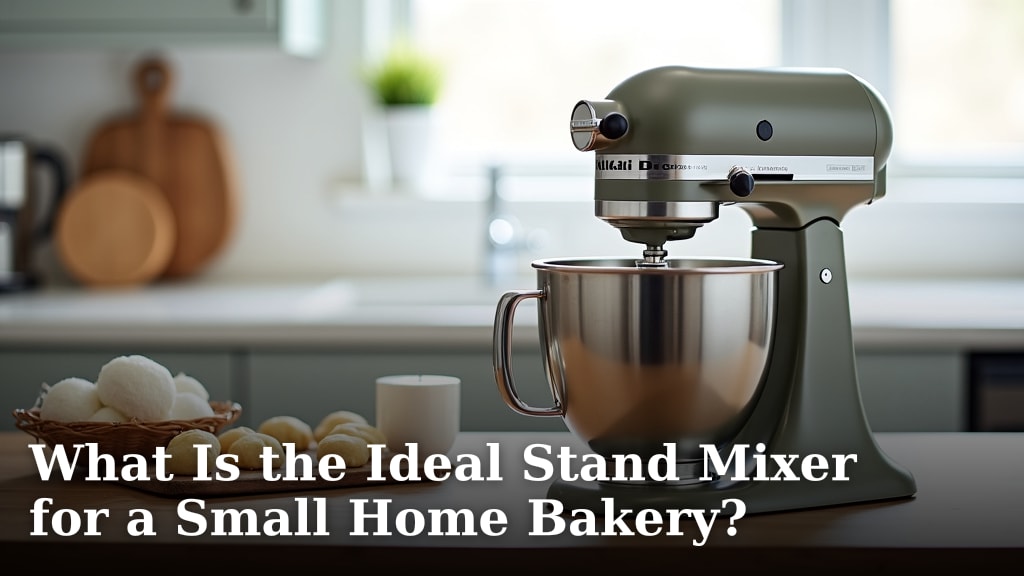
The ideal stand mixer for your small home bakery is one that’s powerful enough for dough, compact for counter space, and easy to clean after a baking spree. Many home bakers find that models with at least a 4.5-quart bowl and a strong motor (often 300 watts or more) strike the perfect balance for most recipes, from delicate cakes to sturdy bread. It’s about finding a reliable workhorse that fits your kitchen’s footprint.
When you’re setting up a home bakery, your stand mixer is your most important tool. You need something that can handle the volume of baking you plan to do without taking over your entire kitchen. We found that focusing on durability and essential features, rather than flashy extras, ensures you get a machine that truly supports your baking passion. Thinking about future recipe expansion is also wise.
- Size Matters: Look for 4.5-quart to 5-quart bowls.
- Motor Strength: Aim for 300 watts or higher for versatility.
- Attachments: Ensure it comes with dough hook, whisk, and paddle.
- Ease of Use: Simple controls and easy cleanup are key.
- Durability: Metal construction often means longer life.
Ready to find your perfect baking partner? Let’s dive into the specific features and models that make a stand mixer ideal for a bustling small home bakery.
Choosing the Right Stand Mixer for Your Home Bakery
Finding the perfect stand mixer can feel like a big decision for your home bakery. You need a reliable partner for all your baking dreams. Let’s break down what makes a stand mixer truly ideal for small-batch baking and professional-style results right from your kitchen.
Key Features for Baking Success
Bowl Capacity: Finding the Sweet Spot
For a small home bakery, the bowl size is a critical consideration. Too small, and you’ll be making batches in shifts. Too large, and you might waste ingredients or have a mixer that feels cumbersome. We found that a bowl capacity between 4.5 and 5.7 quarts is often the sweet spot.
This range allows you to mix enough dough for a standard loaf of bread or a batch of cookies without overflowing. It’s also manageable for lighter tasks like whipping cream or beating eggs. A slightly larger bowl, like 5.7 quarts, offers a bit more flexibility if you plan to scale up your recipes in the future.
Motor Power: The Engine of Your Mixer
The motor’s wattage is a direct indicator of its strength and durability. For serious baking, especially if you plan to work with stiffer doughs like bread or pizza dough, you’ll want a motor that can handle the strain. We found that models with 300 watts or more generally perform very well.
Higher wattage means the mixer is less likely to overheat or strain when kneading heavy dough. It also helps maintain speed under load, ensuring consistent mixing. Think of it like this: a lower-wattage motor might struggle with a thick bread dough, while a robust one will make it feel like a breeze.
Construction and Durability: Built to Last
When you’re baking frequently, durability is key. A stand mixer is an investment, and you want it to last. Many experts suggest looking for mixers with a solid, all-metal construction. This includes the motor housing, gears, and attachments.
Plastic components can be prone to cracking or wear over time, especially under heavy use. Metal construction offers greater stability and longevity. It also helps the mixer feel more grounded on your countertop, reducing vibration.
Speed Settings: Control at Your Fingertips
The number and range of speed settings on your stand mixer offer essential control. Most good mixers come with at least 5 to 10 speed options. This variety allows you to start slow and gradually increase speed.
A slow speed is perfect for initial ingredient incorporation and preventing flour from flying everywhere. Higher speeds are great for whipping egg whites to stiff peaks or creaming butter and sugar. Some advanced models even offer a “fold” setting, which is ideal for gently combining ingredients without deflating them.
Attachments: The Essential Toolkit
Every stand mixer worth its salt will come with a few core attachments. These are your workhorses for almost any recipe. Ensure your chosen mixer includes at least these three:
- Dough Hook: This is non-negotiable for bread makers. It’s designed to knead dough efficiently, saving your arms a lot of work.
- Wire Whisk (Aerator): Perfect for whipping cream, egg whites, and making lighter batters. It incorporates air beautifully.
- Flat Beater (Paddle): Your go-to for cake batters, cookie doughs, and creaming butter and sugar. It scrapes the sides of the bowl effectively.
Some mixers offer additional attachments like pasta makers or grinders. While these are fun, focus on the core three for your initial setup. They will handle the vast majority of your home bakery needs.
Considering Space and Aesthetics
Countertop Footprint: Making Room for More Flour
In a small kitchen, counter space is precious. You don’t want your stand mixer to dominate your workspace. We found that many 4.5-quart to 5-quart models offer a compact design without sacrificing power.
Measure your available counter space before you buy. Consider the mixer’s height, especially if you have cabinets above your workspace. Some models are designed to fit under standard cabinets, which is a huge space-saver.
Portability and Storage: Moving Your Mixer with Ease
Will you be storing your mixer when it’s not in use? If so, consider its weight and ease of movement. While metal construction adds durability, it also adds weight. Some mixers have a lighter chassis or clever design features to make them easier to slide around or lift.
Think about how you’ll store it. Does it have a place for its attachments? Will it fit easily into a pantry or cupboard? These small details can make a big difference in your daily baking routine.
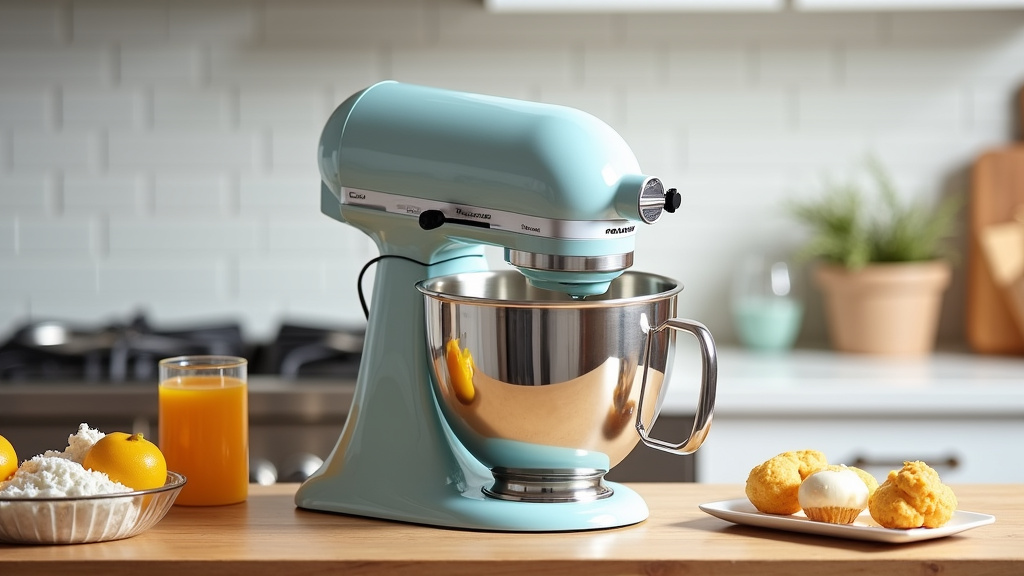
Ease of Use and Cleaning: The Post-Bake Advantage
Simple Controls: No Need for a Manual
You want a mixer that’s intuitive to operate. Complicated control panels can be frustrating when you’re in the middle of a recipe. We found that mixers with simple dials or clear buttons are the easiest to use.
Look for controls that are easy to grip and turn, especially if your hands might be covered in flour or butter. The tilt-head design, common on many popular models, makes it easy to access the bowl and attachments for cleaning or ingredient addition.
Cleaning Your Mixer: A Quick and Easy Task
Baking is fun, but cleaning up can be a chore. Thankfully, most modern stand mixers are designed with cleaning in mind. The bowl and most attachments are typically dishwasher-safe. This is a major time-saver.
For the mixer itself, a simple wipe-down with a damp cloth is usually sufficient. Check if there are many nooks and crannies where flour or batter can get trapped. Models with smooth surfaces are generally easier to keep looking pristine.
Making the Final Choice: Your Checklist
Ready to find your perfect baking companion? Here’s a quick checklist to help you narrow down your options:
- Bowl Capacity: Aim for 4.5 to 5.7 quarts.
- Motor Wattage: 300 watts or higher is ideal for versatility.
- Build Quality: Prioritize metal construction for durability.
- Essential Attachments: Ensure dough hook, whisk, and paddle are included.
- Counter Space: Measure your kitchen and choose a compact design.
- Ease of Cleaning: Look for dishwasher-safe parts and a simple wipe-down exterior.
Conclusion
You’ve learned what makes a stand mixer perfect for your small home bakery. Focus on bowl capacity between 4.5 to 5.7 quarts and a motor power of 300 watts or more. Prioritize durable metal construction for longevity and ensure it comes with essential attachments. Remember to measure your counter space for a compact design and look for easy-to-clean parts. With these key features in mind, you’re ready to find the reliable baking partner that will help your home bakery thrive.
Frequently Asked Questions
What if my kitchen is very small?
If counter space is tight, look for mixers with a smaller footprint, often those with 4.5-quart bowls. Some models are designed to be more compact or can be stored away easily. Always measure your available space before purchasing.
Can I use a lower-wattage mixer for bread dough?
While you might be able to knead bread dough with a lower-wattage mixer, it will likely struggle and overheat. For consistent, easy bread making, we researched and found that 300 watts or more is highly recommended to handle stiff doughs.
How important are the speed settings?
Speed settings offer essential control over your mixing. A range of 5 to 10 speeds allows you to start slow to incorporate ingredients without mess, and then increase speed for tasks like whipping cream. This versatility helps achieve better results for different recipes.
Are all attachments dishwasher safe?
Most modern stand mixers come with dishwasher-safe bowls and attachments like the whisk, paddle, and dough hook. Always check the manufacturer’s instructions, but this feature can significantly speed up your cleanup process.
Should I buy a mixer with extra, specialty attachments?
For a small home bakery starting out, focus on the core attachments: dough hook, whisk, and paddle. These will handle most of your baking needs. Specialty attachments like pasta makers can be a fun addition later, but aren’t essential for initial setup.
