
Do You Need a Stand Mixer for Pizza Dough?
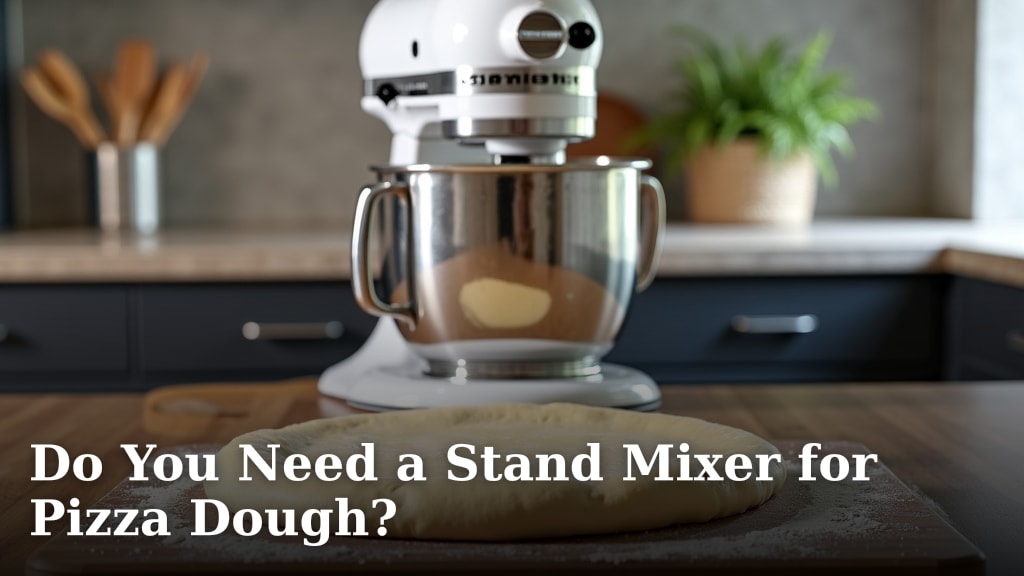
No, you do not need a stand mixer to make great pizza dough. While a stand mixer can certainly make the process easier and more hands-off, it’s entirely possible to achieve a delicious, chewy crust using just your hands and a little effort. Many home bakers have been making fantastic pizza dough for years without one.
Your hands are surprisingly effective tools for developing pizza dough’s gluten. This essential step gives your pizza its characteristic structure and chew. While a stand mixer can speed up gluten development, it doesn’t guarantee a better result than well-kneaded dough. You’ll just need a bit more elbow grease and patience.
- A stand mixer isn’t essential for pizza dough.
- You can achieve great results with hand-kneading.
- Focus on proper technique for developing gluten.
- It might take a little more time and effort by hand.
- Consider your budget and kitchen space when deciding.
Let’s walk through why a stand mixer might seem necessary, but how you can get the same amazing pizza dough results without one.
Making Amazing Pizza Dough Without a Stand Mixer
So, you’re dreaming of homemade pizza night? The aroma of baking dough, the bubbling cheese… it’s a beautiful vision. But then you see all those shiny stand mixers in recipe photos, and you might wonder if you really need one. We’ve got some good news for you: you absolutely do not.
Making fantastic pizza dough is totally achievable with just your hands and a little patience. Many incredible pizza makers have perfected their craft without ever owning one of these powerful kitchen gadgets. It’s more about technique than technology.
The Magic of Hand Kneading Pizza Dough
Hand kneading is the traditional way to develop gluten in dough. Gluten is like the stretchy, elastic network that gives your pizza crust its structure and satisfying chew. When you knead, you’re essentially aligning and strengthening these gluten strands.
Think of it like stretching a rubber band. At first, it might snap back. But the more you work it, the more pliable and strong it becomes. That’s exactly what you’re doing with your pizza dough when you knead it.
Why Gluten Development Matters So Much
Proper gluten development means your dough will be easier to shape. It won’t tear as easily when you stretch it thin for your pizza base. Plus, it contributes to that wonderful airy texture inside the crust.
Without enough gluten development, your pizza dough can be dense, tough, or prone to tearing. It might even bake up flat and uninspiring. Nobody wants a sad, floppy pizza base, right?
How to Hand Knead Effectively
The process is straightforward. Start by mixing your flour, water, yeast, and salt. Once it forms a shaggy dough, turn it out onto a lightly floured surface.
Then, you’ll use the heels of your hands to push the dough away from you. Fold it over, give it a quarter turn, and repeat. It’s a rhythmic motion that requires a bit of energy, but it’s not overly difficult.
We found that about 8-10 minutes of consistent kneading is usually enough for most pizza dough recipes. You’ll know it’s ready when it’s smooth, elastic, and springs back slowly when poked.
When a Stand Mixer *Might* Be Helpful
Okay, let’s be fair. Stand mixers can make pizza dough making a bit more convenient. They have dough hooks designed specifically for this task. You just add your ingredients to the bowl, attach the hook, and let the mixer do the work.
This is especially appealing if you have physical limitations or simply prefer a more hands-off approach. It frees you up to do other things while the dough is being kneaded.
The Time Factor
A stand mixer might knead dough slightly faster than you can by hand. While hand kneading might take 10 minutes, a mixer could potentially do a similar job in 5-7 minutes. This can be a big deal on a busy weeknight.
However, for most home bakers, a few extra minutes of kneading by hand isn’t a deal-breaker. It’s a small trade-off for great results and a bit of exercise!
Consistency and Ease
Another advantage of a stand mixer is consistency. The machine ensures even kneading pressure. This can lead to very predictable dough textures.
If your kitchen space is limited, a stand mixer also takes up significant counter real estate. Hand kneading requires nothing more than a clean surface and your two hands.
Comparing Kneading Methods: Hand vs. Mixer
Let’s break down what you can expect from each method. It’s not about which is “better,” but which fits your needs and preferences.
| Feature | Hand Kneading | Stand Mixer |
|---|---|---|
| Effort Required | Moderate physical effort. You are actively involved. | Minimal physical effort. Mostly hands-off. |
| Time Commitment | Approximately 8-10 minutes of active kneading. | Approximately 5-7 minutes of machine time. |
| Cost | Free (assuming you have a clean surface). | Significant initial investment for the mixer. |
| Kitchen Space | Requires only counter space. Easily stored. | Requires considerable counter space or storage. |
| Learning Curve | Slight learning curve for proper technique. | Minimal learning curve; mostly following instructions. |
| Result Quality | Excellent, provided technique is correct. | Excellent, often very consistent results. |
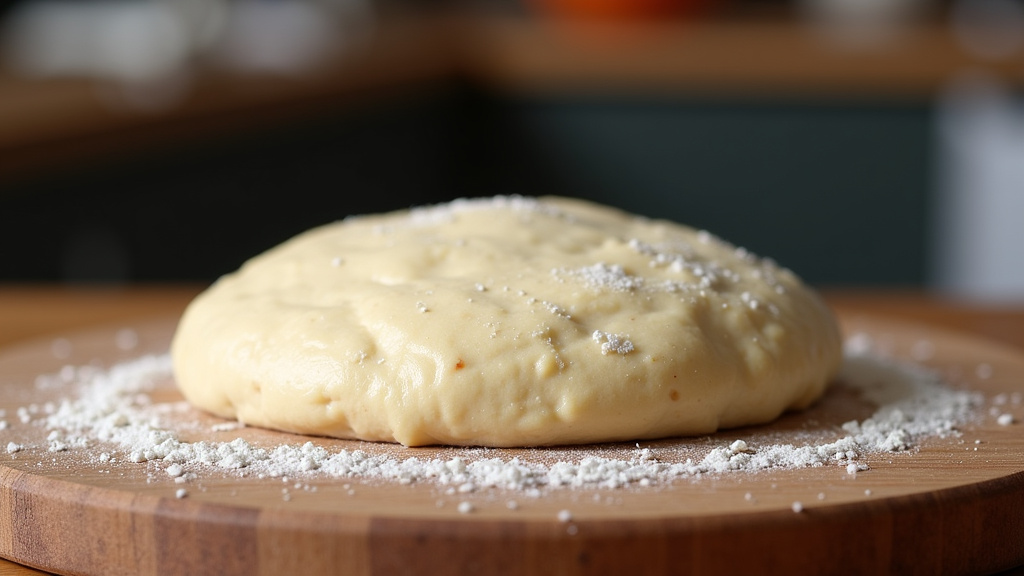
Tips for Perfect Pizza Dough, Mixer or No Mixer
Regardless of how you knead, a few key principles will always lead to better pizza dough. Focusing on these will ensure your homemade pizza is a hit.
Use the Right Flour
For pizza dough, we recommend using bread flour. It has a higher protein content than all-purpose flour. This extra protein is what helps create that strong gluten network we talked about.
Many pizza purists swear by “00” flour, a finely milled Italian flour. While it makes a wonderfully tender crust, bread flour is more readily available and works beautifully for most home cooks.
Accurate Measurements Matter
Using a kitchen scale for your flour and water is the most accurate way to get your dough right. Eyeballing ingredients can lead to dough that is too wet or too dry.
Too much flour makes dough tough. Too little makes it sticky and difficult to handle. Even when hand kneading, getting the hydration right is key to success.
Don’t Rush the Rise
Once you’ve kneaded your dough, it needs time to rest and rise. This is called fermentation. During this time, the yeast works its magic, producing gas that makes the dough light and airy.
A slow, cold rise in the refrigerator can actually develop more flavor in your dough. We found that letting dough proof for 24-48 hours in the fridge can make a remarkable difference in taste (NCBI).
The “Windowpane Test”
This is a great way to check if your gluten is developed enough, whether you kneaded by hand or used a mixer. Pinch off a small piece of dough and gently stretch it between your fingers.
If you can stretch it thin enough to see light through it without it tearing, your gluten is ready. It should look like a thin, translucent windowpane. This indicates well-developed gluten structure.
Your Pizza Dough Checklist for Success
Ready to make some amazing pizza dough? Keep these essential steps in mind:
- Choose the right flour (bread flour is great!).
- Measure ingredients accurately, preferably with a scale.
- Knead until the dough is smooth and elastic.
- Allow the dough adequate time to rise and develop flavor.
- Perform the windowpane test to check gluten development.
- Don’t be afraid to get your hands in the dough!
So, do you need a stand mixer for pizza dough? Absolutely not. Your hands are powerful tools, and with a little knowledge and practice, you can create delicious, chewy pizza crusts right in your own kitchen. Embrace the process, enjoy the tactile experience, and get ready for some truly fantastic homemade pizza!
Conclusion
You’ve learned that a stand mixer is a helpful convenience, not a necessity, for making delicious pizza dough. Your hands are perfectly capable of developing the gluten needed for a chewy, flavorful crust. Focus on good technique, the right flour, and patient rising times. You can achieve fantastic results with minimal equipment.
So, grab some flour, roll up your sleeves, and get ready to create your best homemade pizza yet. Your pizza night just got a whole lot more rewarding!
Frequently Asked Questions
How long should I hand knead pizza dough?
You should aim for about 8 to 10 minutes of consistent hand kneading. The dough should feel smooth and elastic, springing back slowly when gently poked. This indicates that the gluten has been sufficiently developed.
Can I make pizza dough without a stand mixer if I have weak wrists?
Yes, you can. While hand kneading requires some effort, you can use techniques that minimize strain. Resting the dough periodically and using the heel of your hand to push and fold can make it more manageable. If pain is a concern, consider a stand mixer.
What kind of flour is best for hand-kneaded pizza dough?
Bread flour is an excellent choice for hand-kneaded pizza dough. Its higher protein content helps create a stronger gluten network, which is key for a chewy crust. Many home bakers find it works wonderfully and is readily available.
Will my pizza dough be as good if I knead it by hand instead of with a mixer?
Absolutely! With proper technique, hand-kneaded dough can be just as good, if not better, than machine-kneaded dough. The key is developing the gluten properly, which you can achieve with patience and practice by hand.
How can I tell if my hand-kneaded pizza dough is ready?
Perform the “windowpane test.” Pinch off a small piece of dough and gently stretch it thin between your fingers. If you can stretch it so that light passes through it without tearing, your gluten is well-developed and the dough is ready.
