
Can You Use a Stand Mixer to Make Swiss Meringue Buttercream?
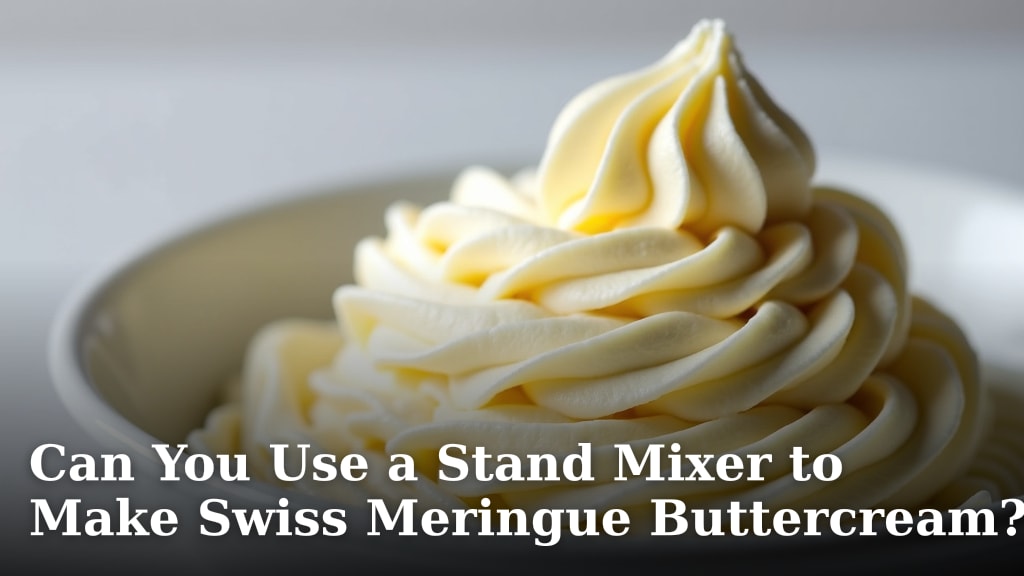
Yes, you can absolutely use a stand mixer to make Swiss meringue buttercream! Your stand mixer is actually one of the best tools for the job. It makes whipping the egg whites and butter much easier and more consistent than doing it by hand.
Making Swiss meringue buttercream involves heating egg whites and sugar over a double boiler. Then, you whip them to stiff peaks before gradually adding softened butter. This process creates a super smooth and stable buttercream. A stand mixer handles the long whipping times with ease, ensuring your meringue reaches the perfect texture.
- Stand mixers are ideal for Swiss meringue buttercream.
- They simplify the heating and whipping stages.
- Achieve a smooth, stable, and delicious frosting.
- It’s less work than manual mixing.
Let’s get into the specifics of how your stand mixer will help you create this delightful frosting.
Your Stand Mixer: The Star of Swiss Meringue Buttercream
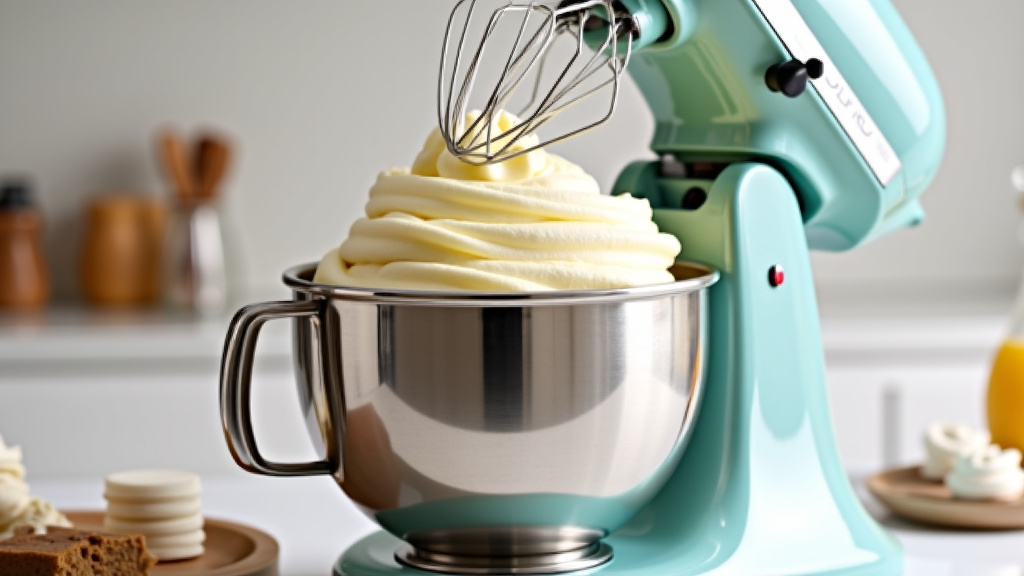
Yes, your stand mixer is more than capable of making Swiss meringue buttercream. In fact, it’s arguably the best appliance for the job. This type of buttercream requires a good deal of whipping. Your stand mixer handles this task effortlessly. It frees up your hands and ensures a consistent texture. Many bakers consider it essential for this frosting.
Why a Stand Mixer Shines for Swiss Meringue
Swiss meringue buttercream has a unique preparation method. It starts with heating egg whites and sugar. This mixture is then whipped extensively. Your stand mixer’s motor is built for this kind of workout. It can whip for extended periods without overheating. This is crucial for achieving the perfect meringue base. Doing this by hand would be incredibly tiring. You’d likely struggle to get the volume and stability needed.
The Two Key Stages Your Mixer Excels At
There are two main phases where your stand mixer truly shines. The first is whipping the egg white and sugar mixture. The second is incorporating the butter. Both require consistent power and speed. Your mixer provides exactly that.
Whipping the Meringue Base
After warming your egg whites and sugar over a double boiler, you’ll transfer this mixture to your stand mixer bowl. The whisk attachment is your best friend here. You’ll start on a medium speed. Then, you’ll gradually increase it. You need to whip this until it forms stiff, glossy peaks. This can take 8 to 15 minutes. Your stand mixer will patiently do the work. It ensures the meringue is stable and airy. Without a mixer, this stage is a serious arm workout. You might not achieve the necessary volume. This could lead to a less-than-ideal buttercream texture.
Emulsifying the Butter
Once your meringue is cool, you begin adding softened butter. This is where the magic happens. You add the butter a piece at a time. You need to whip consistently between additions. Your stand mixer will help the butter incorporate smoothly. It emulsifies with the meringue to create a silky frosting. If the butter isn’t added gradually, or if the mixing isn’t consistent, the buttercream can split. It might look oily or curdled. Your stand mixer’s steady action prevents this common pitfall. It ensures a smooth, stable emulsion.
Essential Stand Mixer Attachments for Swiss Meringue
To make Swiss meringue buttercream successfully, you’ll primarily rely on two attachments that come with most stand mixers.
- The Whisk Attachment: This is your go-to for whipping the egg whites and sugar into a fluffy meringue. Its design incorporates air efficiently.
- The Paddle Attachment: Once the meringue is ready and cooled, you’ll often switch to the paddle attachment. This helps to cream in the butter and create that luxurious buttercream texture. Some recipes might suggest using the whisk attachment for the butter, but the paddle is generally preferred for its ability to emulsify fats.
Comparing Stand Mixer vs. Other Mixing Methods
While a stand mixer is ideal, you might wonder about other options. Let’s see how your stand mixer stacks up. Understanding the differences highlights why it’s so beneficial.
Stand Mixer vs. Hand Mixer
A hand mixer can technically make Swiss meringue buttercream. However, it’s far more challenging. You’ll need to hold the hand mixer for extended periods. This can be tiring. Your arm will likely get sore. The consistent speed and power of a stand mixer are superior. Hand mixers can sometimes struggle to achieve the same volume. You might also find it harder to maintain a steady speed. This consistency is key for both the meringue and the butter emulsification. Many find the stand mixer significantly easier.
Stand Mixer vs. Manual Mixing (Whisk)
Mixing Swiss meringue buttercream entirely by hand with a whisk is extremely difficult. Whipping egg whites to stiff peaks takes dedication and strength. Doing this for 10-15 minutes straight is a major undertaking. Incorporating butter manually is also a challenge. You risk uneven texture or a split buttercream. The physical effort is immense. While possible, it’s not recommended for most home bakers. Your stand mixer saves you a tremendous amount of time and energy.
Stand Mixer vs. Food Processor
A food processor is not suitable for making Swiss meringue buttercream. Its blades are designed for chopping and pureeing. They don’t incorporate air effectively. You won’t achieve the airy meringue texture needed. The machine’s action is too harsh for delicate egg whites. It would likely result in a foamy liquid rather than a stable meringue. Stick to your stand mixer for this recipe. It’s designed for the job.
Tips for Using Your Stand Mixer for Swiss Meringue Buttercream
To ensure the best results, follow these simple tips. They’ll help you get the most out of your stand mixer. This frosting deserves your best effort!
Prepping Your Mixer and Ingredients
Before you begin, make sure your stand mixer bowl and whisk attachment are spotlessly clean and dry. Even a tiny bit of grease or yolk can prevent your egg whites from whipping properly. Many bakers recommend using a metal or glass bowl. Plastic bowls can sometimes retain grease. Ensure your butter is softened to room temperature. It should be pliable but not melted. This will help it incorporate smoothly into the meringue.
Getting the Right Meringue Consistency
As your egg white and sugar mixture whips, watch for the signs of stiff peaks. When you lift the whisk, the peak should stand straight up. It shouldn’t curl over. The meringue should look glossy and thick. This indicates you’ve incorporated enough air and the sugar has dissolved. If you’re unsure, rub a little meringue between your fingers. It should feel completely smooth. Any grittiness means the sugar hasn’t dissolved fully. You may need to continue warming it briefly.
Adding Butter at the Correct Temperature and Speed
This is a critical step for smooth buttercream. Your meringue should be completely cool before you start adding butter. If it’s warm, the butter will melt. This can cause the buttercream to split. Start your mixer on a low speed. Add the softened butter one tablespoon at a time. Wait for each piece to incorporate before adding the next. This slow, steady process is key to creating a stable emulsion. Many experts suggest increasing the speed gradually as the butter is added.
Troubleshooting Common Issues with Your Stand Mixer
Sometimes, even with a stand mixer, things can go awry. Don’t despair! Most issues are fixable.
- Buttercream is Curdled or Oily: This often happens if the butter was too cold or too warm when added, or if it was added too quickly. You can try chilling the entire bowl for 10-15 minutes, then whipping it again on medium speed. Sometimes, this is enough to bring it back together.
- Buttercream is Too Soft: If your kitchen is warm, the buttercream might become too soft. Again, chilling the bowl for a bit can help. If it’s still too soft, you can try chilling it in the refrigerator for about 30 minutes, then re-whipping.
- Buttercream is Too Stiff: This can happen if the meringue was slightly warm when butter was added, or if the butter was too cold. Try warming the bowl slightly by holding a warm, damp cloth around it for a minute. Then, re-whip on low speed.
A Simple Checklist for Your Stand Mixer Swiss Meringue Success
Ready to tackle this delicious frosting? Follow this quick checklist for a smooth process:
- Ensure your stand mixer bowl and whisk are clean and dry.
- Have your softened butter ready to go.
- Whip meringue to stiff, glossy peaks.
- Make sure meringue is completely cool before adding butter.
- Add softened butter one tablespoon at a time, mixing well.
- Be patient! Consistent mixing is key to a stable buttercream.
Conclusion
You’ve seen how your stand mixer is the perfect partner for crafting Swiss meringue buttercream. It takes the hard work out of whipping and emulsifying. This means you get that silky smooth, stable frosting you desire. You’ve learned why it excels over other methods and picked up tips for success. Now, you’re ready to impress with your homemade buttercream. So, go ahead and set up your stand mixer. Your delicious cakes and cookies are waiting!
Frequently Asked Questions
How long should I whip the egg whites for Swiss meringue?
You’ll typically whip the egg whites and sugar mixture for about 8 to 15 minutes. Look for stiff, glossy peaks. The meringue should hold its shape without drooping when you lift the whisk attachment. Ensure the sugar is fully dissolved by feeling a bit of the meringue between your fingers.
Can I use the same bowl for heating and whipping my meringue?
For Swiss meringue, you heat the egg whites and sugar over a double boiler in one bowl. Once heated and the sugar is dissolved, you transfer that mixture to your stand mixer bowl to whip. It’s best to use a separate, clean bowl for whipping to ensure no grease contaminates your meringue.
What happens if my buttercream splits while using the stand mixer?
A split buttercream often means the butter was too cold or too warm when added, or not incorporated gradually enough. You can often fix this by chilling the entire bowl for about 15 minutes. Then, whip it again on medium speed. This can help re-emulsify the mixture.
Do I need a special attachment for Swiss meringue buttercream?
Most stand mixers come with the essential attachments. You’ll primarily use the whisk attachment for whipping the egg whites into a meringue. After the meringue cools, you might switch to the paddle attachment to cream in the softened butter for a smoother emulsion, though some recipes use the whisk throughout.
My kitchen is very warm. Will this affect my Swiss meringue buttercream in my stand mixer?
Yes, a warm kitchen can make your buttercream too soft. If this happens, pop the mixer bowl into the refrigerator for about 20-30 minutes. Then, give it another quick whip on medium speed. This should firm it up nicely for you.
