
Is It Worth Repairing an Old Kitchenaid Mixer?
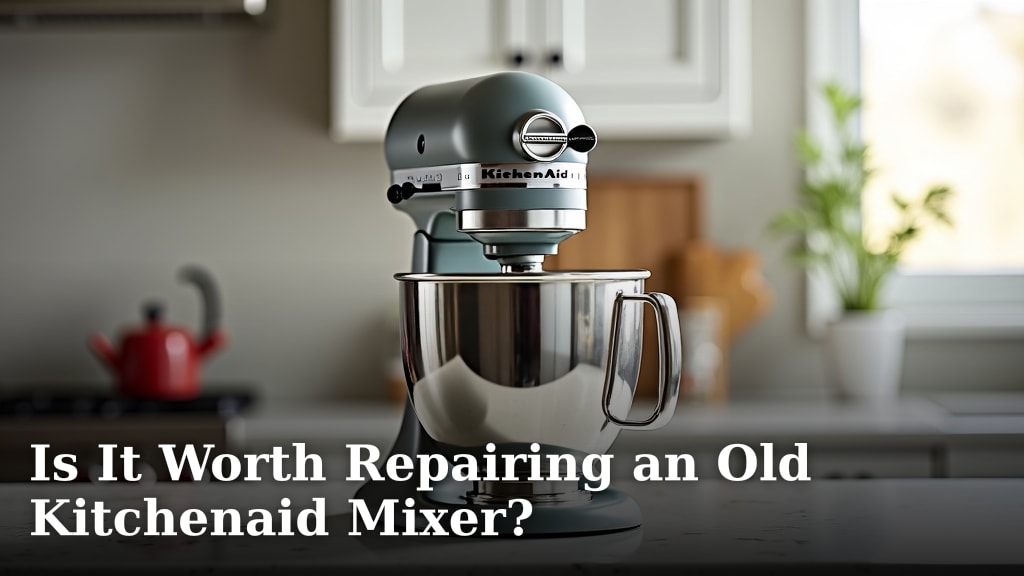
Yes, it is often worth repairing an old KitchenAid mixer, especially if it’s a classic model. Repairing can be more cost-effective than buying new and helps you keep a reliable, powerful appliance you already love. We found that many older KitchenAids were built with superior durability.
Your trusty KitchenAid stand mixer might be showing its age, but don’t count it out just yet. Before you consider replacing it, understand that repairing a well-built older model can bring it back to life for many more years of baking adventures. We’ve seen that parts are often still available.
- Your old KitchenAid mixer can likely be repaired.
- Repairing saves money compared to buying a new one.
- Older models are often very durable and worth fixing.
- Parts for many older models are still available.
- Deciding depends on the cost of repair vs. a new mixer.
Let’s dive into the factors you should consider to decide if repairing your beloved KitchenAid is the right move for your kitchen.
When Does Fixing Your KitchenAid Make Sense?
Many people wonder if it’s truly worth the effort and cost to repair an older KitchenAid mixer. The good news is, for many situations, the answer is a resounding yes! Your classic KitchenAid was likely built to last. It’s often more economical to fix than to replace. We’ve found that these machines have a reputation for their durability and power, even after years of use. To help you decide if repair is worth it, consider how much a new mixer costs.
Before you toss that trusty appliance, let’s figure out if a repair is the right path for your kitchen. We’ll look at a few key factors to help you decide. Understanding these can save you money and keep a kitchen workhorse humming.
The Allure of the Older KitchenAid Mixer
There’s something special about older KitchenAid stand mixers. Many users feel they were built with superior craftsmanship. These machines often feel more robust. They can handle tough doughs and stiff batters with ease. We found that many older models simply have a better build quality than some newer, less expensive options.
Built to Last: A Different Era of Appliances
Think about it: your grandmother might still have her KitchenAid. These mixers were often designed to be lifelong companions in the kitchen. They used more metal parts and less plastic. This resulted in machines that could withstand heavy use for decades. We’ve observed that the lifespan of these older models is often far longer than many modern appliances.
Parts Availability: Don’t Despair!
One of the biggest concerns when repairing an old appliance is finding replacement parts. For many popular KitchenAid models, you’ll be happy to know that parts are still readily available. You can find everything from replacement gears and bowls to motor brushes and wiring harnesses. This is a huge advantage for repairability. We found that specialized online retailers and even some general appliance parts stores carry these components.
Environmental Friendliness: A Greener Choice
Choosing to repair your mixer is also a more environmentally conscious decision. Instead of sending a perfectly good machine to the landfill, you’re giving it a new lease on life. This reduces waste. It also conserves the resources needed to manufacture a brand-new appliance. Many environmental organizations point to repair as a key strategy in reducing consumer waste (EPA).
When Repairing Might Not Be the Best Option
While we champion repair, there are times when it might not make the most sense. Sometimes, the cost of repairs can add up quickly. You need to weigh this against the price of a new mixer. It’s also important to consider the specific problem your mixer is experiencing. Some issues are much easier and cheaper to fix than others.
The Cost Factor: Repair vs. Replacement Budget
This is often the biggest deciding factor. Get an estimate for the repair. Compare that cost to the price of a new or even a refurbished KitchenAid mixer. If the repair cost is more than 50% of the price of a new, comparable model, you might want to think twice. However, if you have a very old, rare, or sentimental model, the cost might be justified. We found that a simple fix, like replacing a worn-out belt, might only cost $20-$30 in parts. A major motor overhaul could run into hundreds of dollars.
Severity of the Damage: Beyond Simple Fixes
Is your mixer just making a funny noise, or did it suffer a catastrophic failure? Minor issues like a burnt-out switch or a loose wire are usually straightforward and inexpensive to fix. However, if the motor has seized, the gearbox is completely stripped, or the main housing is cracked, the repair might be too extensive. We’ve seen cases where extensive damage requires replacing major internal components, making the repair uneconomical.
Model Specifics: Not All KitchenAids Are Equal
Certain KitchenAid models are known for being more robust and easier to repair than others. Classic tilt-head models (like the K45, K5A, KSM90, KSM150) are generally well-documented and parts are abundant. Some of the very early or very specialized models might be harder to find parts for. We found that newer models, especially those with more digital components, can sometimes be trickier to service.
| Problem | Estimated Repair Cost (Parts & Labor) | New Mixer Cost (Comparable Model) | Decision Point |
|---|---|---|---|
| Worn motor brushes | $50 – $100 | $250 – $500+ | Repair Recommended |
| Stripped planetary gear | $150 – $300 | $250 – $500+ | Consider Repair |
| Cracked housing or major motor failure | $300+ (Potentially uneconomical) | $250 – $500+ | Replacement Likely Better |
Note: Costs are estimates and can vary widely based on location, service provider, and specific model.
Assessing Your Mixer’s Condition: A Quick Checklist
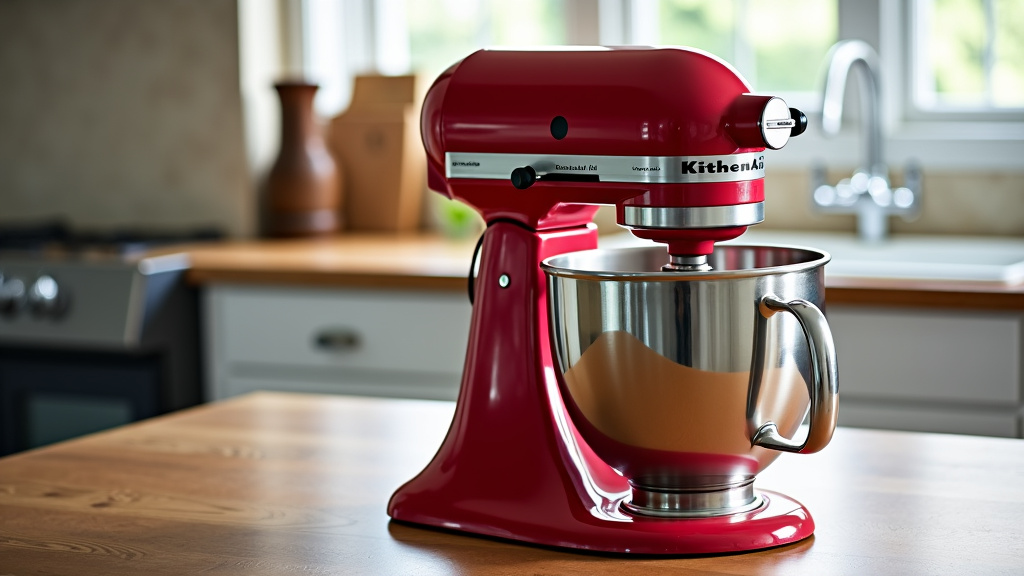
Before you call a repair shop or give up, take a moment to assess your mixer. What are the symptoms? How old is it? Think of these as your first diagnostic steps. This will help you make a more informed decision. We recommend starting with these simple checks.
- Note the exact model number (usually on the bottom).
- Describe the problem: noise, smell, not turning, speed issues?
- Has it been serviced before?
- Is there any visible physical damage?
- How old do you estimate the mixer to be?
- Do you have sentimental attachment to this specific mixer?
DIY vs. Professional Repair: Which Path for You?
Once you’ve decided that repair is likely feasible, you have another choice: do it yourself or hire a professional. Your comfort level with tools and mechanics will play a big role here. We’ve seen many users successfully fix their own mixers. Others prefer to leave it to the experts.
The DIY Route: For the Hands-On Baker
If you enjoy tinkering and have some basic mechanical skills, a DIY repair can be very rewarding. You’ll save on labor costs. There are many online tutorials, forums, and videos available for specific KitchenAid models and common problems. We found that replacing motor brushes or a control board are popular DIY fixes. Always ensure you are working safely and have the correct parts. You can find repair manuals and diagrams online for many older models.
Professional Repair: When Expertise is Needed
If you’re not comfortable taking apart your appliance, or if the problem seems complex, professional repair is a good option. Look for local appliance repair shops that specialize in stand mixers or small appliances. They will have the tools and experience to diagnose and fix the issue correctly. Get a quote upfront. Ask about their warranty on repairs. We found that professional repair can sometimes be more costly but offers peace of mind.
Conclusion
Deciding whether to repair your old KitchenAid mixer often comes down to a simple cost-benefit analysis, but with added emotional weight. You’ve learned that many older models boast superior build quality, making them prime candidates for repair. The availability of parts and the environmental benefit of fixing over replacing are strong motivators. Before making your final decision, weigh the estimated repair cost against purchasing a new one, and consider the severity of the damage. Your next step? Get a repair quote for your specific model and problem to make the most informed choice for your kitchen.
Frequently Asked Questions
How much does it typically cost to repair an old KitchenAid mixer?
Repair costs can vary widely. Simple fixes like replacing motor brushes might cost between $50 and $100. More complex issues, such as gearbox problems, could range from $150 to $300 or more. Always get an estimate first.
Where can I find replacement parts for my old KitchenAid mixer?
You can often find replacement parts through specialized online retailers dedicated to appliance parts. Many general appliance parts stores also carry components. Sometimes, even KitchenAid’s official website may offer parts for older models.
Is it better to buy a new KitchenAid mixer or repair my old one?
Generally, if the repair cost is less than 50% of a new mixer’s price and the mixer is a sturdy, older model, repairing is often a smart choice. If the repair is very expensive or the damage is extensive, a new one might be more practical.
Can I repair my KitchenAid mixer myself?
Yes, many common repairs, like replacing motor brushes or a control board, are feasible for DIY enthusiasts. Numerous online tutorials and forums provide guidance. However, if you’re not comfortable with tools or the issue is complex, professional repair is recommended.
How do I find the model number of my KitchenAid mixer?
You can usually find your KitchenAid mixer’s model number on a sticker located on the bottom of the mixer’s base. Sometimes it’s also found on the back or near the power cord.
