
How to Clean a Splash Guard?
The easiest way to clean a splash guard is with a gentle soap and water solution. You can use a soft cloth or sponge to wipe away grime and residue. For tougher spots, a mild degreaser can be effective. Regular cleaning prevents buildup and keeps your splash guard looking great.
Keeping your splash guard clean is key to its function. Food splatters and grease can accumulate quickly. A clean guard not only looks better but also helps maintain hygiene in your kitchen. Many people wonder if special cleaners are needed, but simple methods usually do the trick.
- Use soap and water for general cleaning.
- Try a degreaser for stubborn grease.
- Wipe down regularly to prevent buildup.
- A soft cloth or sponge works best.
Let’s walk through exactly how to get your splash guard sparkling clean, step by step.
Keeping Your Kitchen Splash Guard Sparking Clean
Maintaining a clean splash guard is simpler than you might think. You don’t need fancy gadgets or specialized chemicals. Often, everyday kitchen items are all you need. Let’s figure out the best way to tackle grime and keep your guard looking its best.
The Basic Cleaning Method: Gentle and Effective
For routine cleaning, your go-to solution should be mild dish soap and warm water. This combination is gentle enough for most materials. It’s also very effective at cutting through light grease and food residue. Think of it like washing your favorite dishes. You want them clean, but you don’t want to damage them.
Gather Your Supplies
Before you start, make sure you have everything ready. This makes the cleaning process smooth and quick. You’ll want a soft sponge or a microfiber cloth. A soft brush can also be handy for getting into tight spots. Avoid abrasive scrubbers or steel wool. These can scratch and damage the surface of your splash guard.
The Step-by-Step Process
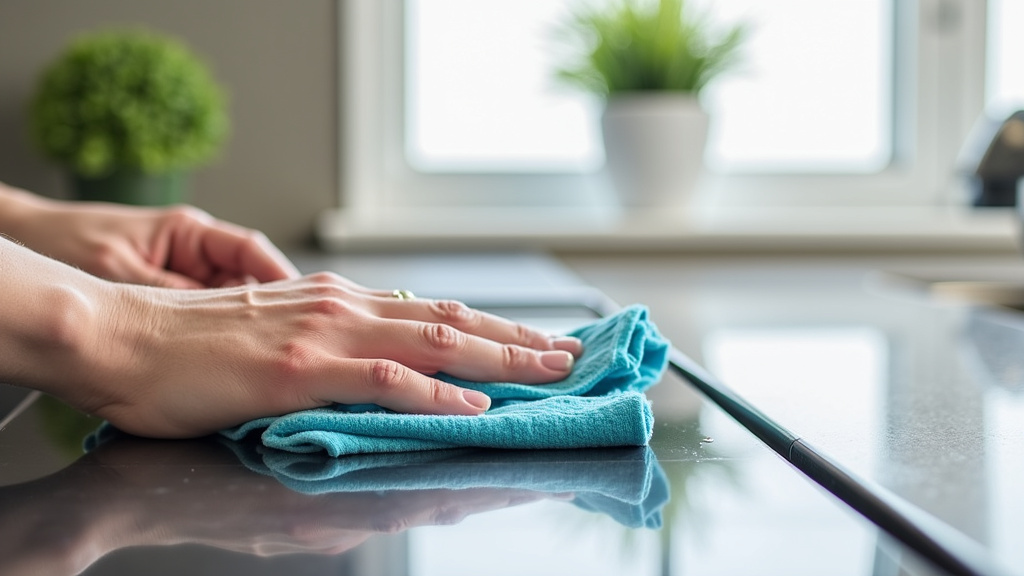
First, dampen your sponge or cloth with warm water. Then, add a drop or two of mild dish soap. Gently wipe down the entire surface of the splash guard. Work in small, overlapping sections. Make sure you get the edges and any corners where grime might hide. Rinse your sponge or cloth frequently. This prevents spreading old residue around.
After you’ve wiped down the whole guard, rinse it thoroughly with clean water. This removes any soap residue. You don’t want streaks or a sticky film left behind. Finally, dry the splash guard with a clean, dry microfiber cloth. This will prevent water spots and leave it looking shiny.
Tackling Stubborn Grease and Grime
Sometimes, regular soap and water just won’t cut it. Grease from cooking can build up over time. This creates a sticky film that’s hard to remove. In these cases, you might need a slightly stronger approach. But don’t worry, we’re not talking about harsh chemicals.
When to Consider a Degreaser
If you notice a persistent greasy layer, it’s time to bring out a degreaser. Many store-bought kitchen degreasers are designed for this exact purpose. They are formulated to break down tough grease. You can also make a simple degreasing solution at home. This is often just as effective.
DIY Degreaser Options
One effective DIY degreaser is a mixture of equal parts white vinegar and water. Put this solution in a spray bottle. Vinegar is acidic, which helps break down grease. Another option is a paste made from baking soda and water. Baking soda is a mild abrasive. It can help lift stuck-on grime without scratching.
How to Use Degreasers Safely
Always test any new cleaner on an inconspicuous spot first. This is especially true for DIY solutions. Spray the degreaser onto your sponge or cloth, not directly onto the splash guard. Let the degreaser sit for a minute or two. This gives it time to work on the grease. Then, gently scrub the affected areas. Rinse thoroughly with clean water. Dry with a microfiber cloth to avoid streaks.
Many experts recommend using degreasers sparingly. Overuse can sometimes dull the finish of certain materials (Good Housekeeping Institute). So, try the soap and water method first. Only move to a degreaser if absolutely necessary.
Cleaning Different Splash Guard Materials
Splash guards come in various materials. The best cleaning method can sometimes depend on what yours is made of. Knowing your material helps you choose the right approach and avoid damage.
Stainless Steel Splash Guards
Stainless steel is a popular choice. It’s durable and looks sleek. For stainless steel, always wipe in the direction of the grain. This prevents scratches. Mild dish soap and water are usually sufficient. For tougher spots, a specialized stainless steel cleaner can work wonders. Avoid abrasive cleaners or scrubbing pads. These can leave permanent marks.
Glass or Tempered Glass Splash Guards
Glass splash guards offer a modern look. They are also easy to clean. A glass cleaner or a simple mixture of vinegar and water works well. Use a soft, lint-free cloth. This will give you a streak-free shine. Be careful not to hit glass with heavy objects. While tempered glass is strong, it can still chip or break.
Tile or Stone Splash Guards
If your splash guard is made of tile or natural stone, you need to be more cautious. For sealed grout, a mild soap solution is best. Avoid acidic cleaners like vinegar on unsealed grout. They can eat away at the grout over time. For natural stone, check the manufacturer’s recommendations. Some stones are more porous than others. They might require specific cleaners.
Acrylic or Plastic Splash Guards
These are often found in more budget-friendly kitchens. They are lightweight and easy to install. Use a soft cloth and mild soap. Avoid harsh chemicals or abrasive scrubbers. These can cause clouding or scratching. A gentle cleaner designed for plastics is your best bet.
Preventative Measures: Less Cleaning, More Living
The best way to make cleaning easier is to prevent heavy buildup in the first place. A little bit of regular maintenance goes a long way. It saves you time and effort in the long run.
Wipe Down After Cooking
Make it a habit to wipe down your splash guard after you cook. A quick wipe with a damp cloth can remove fresh splatters before they harden. This takes only a minute or two. It prevents grease and food particles from sticking. Think of it as a mini-clean-up mission after every culinary adventure.
Protect During Heavy Cooking
If you’re doing a lot of frying or cooking that tends to splatter, consider extra protection. You can temporarily cover the splash guard with aluminum foil or parchment paper. This catches most of the mess. Remove it carefully after cooking. Then, dispose of the foil or paper. This keeps the guard underneath surprisingly clean.
Regular Inspections
Take a moment once a week to look over your splash guard. Are there any small spots you missed? Is there a tiny bit of grease building up? Catching these small issues early prevents them from becoming big problems. It’s like checking your tires for proper inflation before a long trip. Small checks lead to a smoother journey.
Quick Checklist for a Clean Splash Guard
Here’s a simple way to remember the key steps:
- Gather Supplies: Soft cloth/sponge, mild dish soap, warm water, microfiber towel.
- Gentle Wash: Use soapy water and a soft cloth to wipe down the surface.
- Tough Spots: For grease, try a mild degreaser or a vinegar/water spray.
- Rinse Well: Ensure all soap and cleaner residue is completely washed away.
- Dry Thoroughly: Use a clean microfiber towel to prevent water spots and streaks.
- Maintain Regularly: Quick wipes after cooking prevent hard-to-clean buildup.
Conclusion
You’ve learned that keeping your kitchen splash guard clean doesn’t require a lot of fuss. A simple routine of mild soap, warm water, and a soft cloth will handle most messes. For those tougher grease spots, a gentle degreaser or a DIY vinegar spray is your next best step. Remember to always consider your splash guard’s material to avoid any damage. By incorporating quick wipe-downs after cooking and occasional checks, you’ll keep your guard looking great and your kitchen hygienic. Your next step is to grab your supplies and give your splash guard the simple, effective clean it deserves!
Frequently Asked Questions
How often should I clean my splash guard?
It’s best to wipe down your splash guard after each cooking session. A quick rinse and dry prevents most buildup. For a deeper clean, aim for a thorough wash once a week or as needed, depending on your cooking habits.
Can I use abrasive cleaners on my splash guard?
Generally, you should avoid abrasive cleaners and scrubbing pads. These can scratch and damage the surface of your splash guard, especially on materials like stainless steel, glass, or acrylic. Stick to soft cloths and non-scratch sponges.
What’s the best way to clean a greasy splash guard?
For stubborn grease, a mild kitchen degreaser is effective. You can also try a DIY solution of equal parts white vinegar and water in a spray bottle. Always test any new cleaner on a small, inconspicuous area first.
Will vinegar damage my splash guard?
Vinegar is a mild acid and is generally safe for most splash guard materials when diluted with water. However, avoid using it on unsealed grout, as it can degrade the material over time. Always rinse thoroughly after using vinegar.
What if my splash guard has a textured surface?
For textured or patterned splash guards, a soft brush, like an old toothbrush, can be very helpful. Use it with your mild soap and water solution or degreaser to get into all the nooks and crannies. Gentle scrubbing will lift away dirt without causing damage.
