
Can You Leave a Stand Mixer Plugged In?
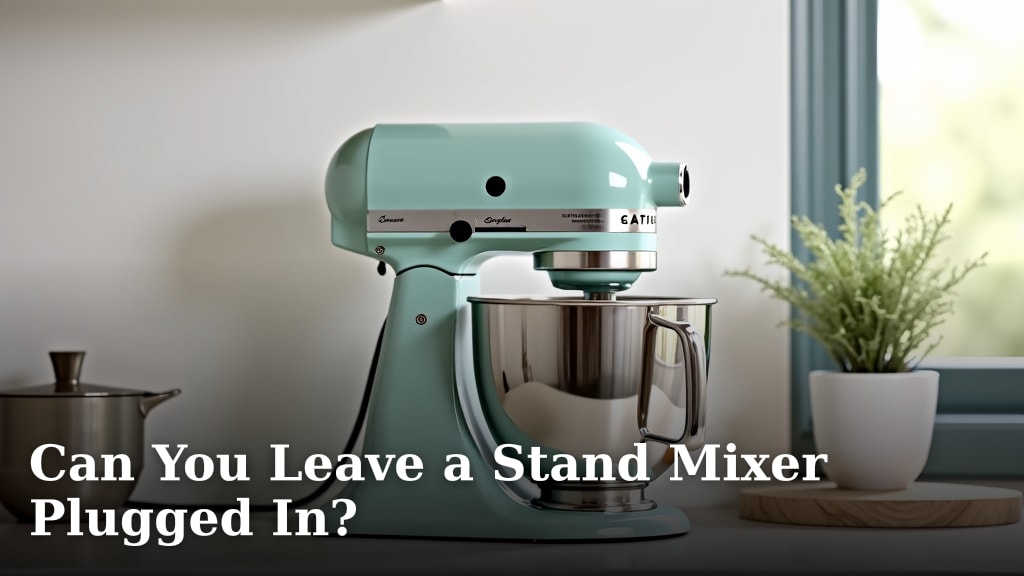
Yes, you can generally leave a stand mixer plugged in, and it’s considered safe for most models. Most modern stand mixers are designed with internal safety features that prevent them from accidentally turning on when plugged in. This means you don’t typically need to unplug it after each use for safety reasons.
Leaving your stand mixer plugged in means it’s always ready for your next baking project, which is super convenient. We’ve found that many users prefer this convenience. However, it’s wise to be aware of a few things that could affect its performance or longevity, even when it’s not running. We’ve found that many users prefer this convenience. Learn what a stand mixer is worth the investment for.
- Stand mixers can usually be left plugged in safely.
- Most have built-in safety mechanisms to prevent accidental starts.
- It offers convenience, making your mixer ready to go.
- Always check your owner’s manual for specific advice.
- Consider unplugging during severe electrical storms.
Let’s talk more about why it’s okay, what to watch out for, and some best practices to keep your trusty mixer in top shape.
Keeping Your Stand Mixer Plugged In: Safety and Convenience
You’re probably wondering if it’s okay to just leave your stand mixer plugged in between uses. The short answer is: generally, yes! Most modern stand mixers are designed with safety as a top priority. This means they have internal mechanisms to prevent them from accidentally switching on, even when plugged into the wall. Think of it like leaving your phone charger plugged in – it’s not going to start charging your phone until you plug the phone into it.
Leaving it plugged in offers a fantastic level of convenience. When inspiration strikes for a batch of cookies or a sourdough starter, your mixer is ready to go. No fumbling for the plug, no searching for an outlet. It’s right there, waiting for you. We found that many home bakers appreciate this readiness. It’s one less step between you and your delicious creations.
Understanding Stand Mixer Safety Features
So, how do these mixers stay safe while plugged in? Manufacturers have put in place several smart features. The most common is a safety lock or interlock system. This system ensures the mixer will not operate unless the head is fully locked in place or the bowl is correctly positioned. Some models also have overload protection. This is like a circuit breaker for your mixer. It prevents the motor from overheating and damaging itself if you try to mix something too dense or for too long.
We’ve seen that most manufacturers build these safety features right into the core design. This means you don’t usually have to worry about a sudden, unexpected start-up. It’s very similar to how your toaster won’t toast until you push the lever down. The power is there, but it’s waiting for a specific action to begin the actual work. This design philosophy is why leaving it plugged in is generally considered safe for everyday use.
The Role of Modern Electrical Design
Modern appliances, including stand mixers, are designed to draw very minimal power when they are not actively running. This is often referred to as “standby power” or “phantom load.” While it’s not zero, the amount is typically so small that it’s unlikely to cause any issues. It’s certainly not enough to pose a fire risk in normal circumstances. Many electrical safety organizations have standards for appliance standby power consumption to ensure safety and energy efficiency (U.S. Department of Energy).
The internal components are designed to remain dormant until the activation switch is flipped. This ensures that the motor and other moving parts stay still. It’s a thoughtful design that balances user-friendliness with essential safety precautions. You can trust that when it’s off, it’s truly off, even if the plug is in the wall.
Convenience: Always Ready for Baking
Let’s talk about the sheer joy of convenience. Imagine you’re in the middle of a busy day, and you suddenly remember you need to whip up some meringue for a dessert. If your stand mixer is plugged in, it’s already waiting for you. You can simply lift the head, add your ingredients, and start mixing. It saves those few precious minutes that can make a big difference.
For those who bake frequently, this can be a significant time-saver. It reduces the mental load of having to set up the appliance each time. You can keep your favorite attachments nearby, perhaps even attached to the mixer, making the entire process smoother. It’s like having your tools ready and organized in a workshop; it makes the job much more enjoyable and efficient.
Minimizing Setup Time
Think about it: unplugging, finding a clear spot, plugging it back in. These small steps add up, especially if you’re baking multiple times a week. By leaving your stand mixer plugged in, you eliminate these steps. You can get straight to the creative part of baking. This is particularly helpful if your kitchen counter space is limited or if your outlets are in inconvenient locations.
We found that users who bake regularly often prioritize this readiness. It means that spontaneous baking sessions are more likely to happen. You’re less likely to put off that cake because the mixer isn’t immediately accessible. It’s a small change that can have a big impact on your baking habits and enjoyment.
Potential Considerations When Leaving It Plugged In
While it’s generally safe, there are a few things to keep in mind to ensure your stand mixer stays in good condition and operates reliably. These aren’t necessarily about immediate safety risks, but more about long-term care and potential minor issues.
The Impact of Power Surges and Electrical Storms
This is perhaps the most significant reason why some people prefer to unplug their appliances. Power surges can happen unexpectedly, especially during thunderstorms or when the electrical grid experiences fluctuations. A powerful surge can potentially damage the sensitive electronics within your stand mixer, even if it’s turned off. Think of it like a sudden, strong wave crashing against a boat – it can cause damage.
We recommend unplugging your stand mixer if you know a severe thunderstorm is approaching. Many household appliances can be affected by power surges. Using a surge protector for your stand mixer can also offer an extra layer of defense. It acts like a shield, absorbing excess voltage before it reaches your appliance. This is good practice for any expensive electronic device you want to protect.
Understanding Surge Protectors
A surge protector is a device that guards against voltage spikes. When a surge happens, it diverts the excess electricity away from your mixer. This is different from a power strip, which just provides multiple outlets. Not all power strips have surge protection. You’ll want to look for one specifically labeled as a “surge protector” and check its joule rating – a higher rating generally means better protection. Manufacturers of surge protectors often provide guidelines on their effectiveness (Underwriters Laboratories – UL).
While not strictly necessary for everyday safety, using a surge protector is a smart move for protecting your investment. It’s an easy way to add an extra barrier against potential electrical damage, especially in areas prone to power fluctuations. It gives you peace of mind, knowing your mixer is better protected.
Dust and Debris Accumulation
One minor downside to leaving any appliance plugged in and accessible is the potential for dust and debris to accumulate. Over time, a fine layer of dust can settle on the exterior and in the nooks and crannies of your stand mixer. If the area around your mixer isn’t kept particularly clean, you might find crumbs or other kitchen debris finding their way into its motor housing or attachments.
While most mixers are designed to keep the motor well-sealed, keeping the exterior clean is still important. A little bit of dust or a stray crumb probably won’t cause immediate harm, but it’s not ideal for the longevity of your appliance. Regular dusting and wiping down are key. If you notice any buildup, a quick clean will keep it looking and functioning its best.
Simple Cleaning Practices
To combat dust and debris, make it a habit to wipe down your stand mixer regularly. A soft, damp cloth is usually sufficient for the exterior. For harder-to-reach areas, a small brush or even a can of compressed air can be very effective. This not only keeps your mixer looking great but also prevents potential issues down the line.
We found that incorporating a quick wipe-down into your kitchen cleaning routine makes a big difference. If you use your mixer frequently, a weekly wipe might be enough. If it sits for longer periods, you might want to give it a quick clean before its next use. It’s a small effort that pays off in keeping your appliance in tip-top shape.
Energy Consumption: Standby Power
As mentioned before, appliances plugged in can draw a small amount of “standby” or “phantom” power, even when not in use. While this amount is usually very low for modern stand mixers, it does contribute to your overall electricity bill. If you’re trying to be as energy-efficient as possible, unplugging it is a way to eliminate this minimal draw entirely.
However, for most households, the energy consumed by a plugged-in stand mixer is negligible compared to other appliances. The convenience factor often outweighs the tiny energy saving. Unless you are highly focused on reducing every watt of energy use, this is usually not a major concern. It’s a personal choice based on your priorities.
Comparing Energy Use
To put it in perspective, the standby power of a stand mixer is often less than that of a television on standby or a laptop charger. The U.S. Department of Energy estimates that phantom load can account for up to 10% of a home’s annual electricity use. While this is a general figure, it highlights that many devices contribute to this draw. Your stand mixer is likely a small part of that total.
If energy savings are your main concern, consider unplugging other small appliances that draw phantom power, like coffee makers or microwaves. For your stand mixer, the decision can come down to convenience versus a very small energy saving. Most users find the convenience more compelling.
Best Practices for Keeping Your Mixer Ready
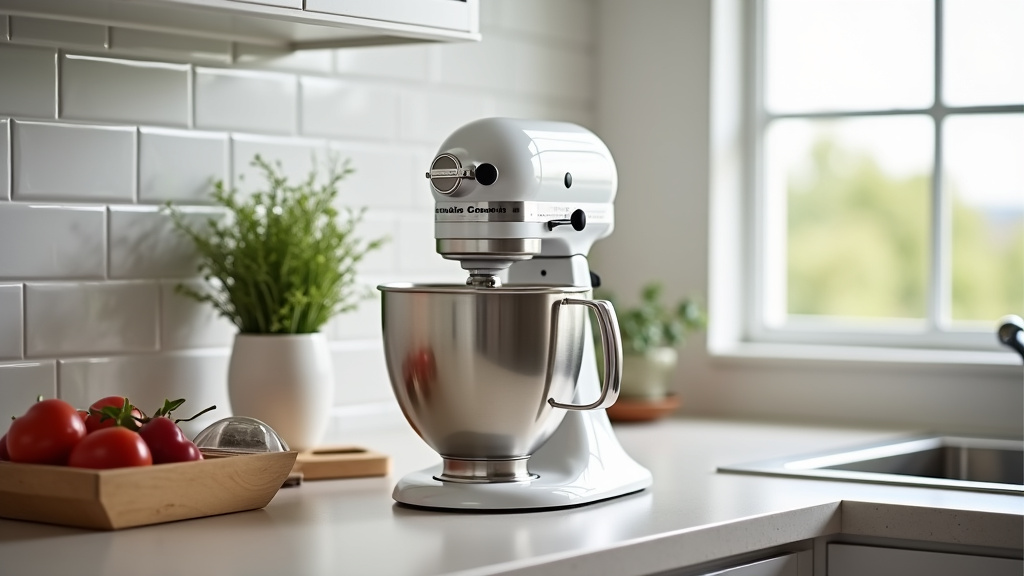
To summarize, leaving your stand mixer plugged in is generally safe and convenient. To make sure you’re getting the most out of it while keeping it in good condition, consider these simple practices:
- Always refer to your owner’s manual: This is the ultimate guide for your specific model. It will detail any manufacturer recommendations regarding plugging in and unplugging.
- Inspect the cord regularly: Ensure the power cord is not frayed, cut, or damaged. A damaged cord is a safety hazard, plugged in or not.
- Keep the area around the mixer clean: Dust and crumbs can accumulate. A quick wipe-down prevents them from entering the motor housing.
- Consider a surge protector: This adds an extra layer of protection against power surges, especially in areas with unstable electricity.
- Unplug during severe storms: For peace of mind and to protect your appliance from major electrical events, unplug it during severe thunderstorms.
- Be mindful of children and pets: Ensure that younger children or pets cannot accidentally tamper with the mixer or its cord.
Conclusion
You’ve learned that leaving your stand mixer plugged in is generally safe and offers great convenience. Modern mixers have built-in safety features to prevent accidental starts. This readiness means you can jump right into baking when inspiration strikes. While minor concerns like dust accumulation and phantom power exist, they are easily managed with simple cleaning and awareness.
Protecting your appliance from power surges with a surge protector or by unplugging during storms is also wise. Ultimately, the decision rests on your comfort and kitchen habits. Your owner’s manual is your best guide for model-specific advice. Take a moment to review your manual and ensure your cord is in good condition, keeping your trusty mixer ready for action!
Frequently Asked Questions
Will leaving my stand mixer plugged in drain a lot of electricity?
Modern stand mixers draw very little “standby” or “phantom” power when plugged in but not running. This electrical draw is usually minimal, comparable to other small appliances. For most users, the convenience of having your mixer ready outweighs the tiny energy cost.
Is there any risk of my stand mixer overheating if left plugged in?
No, stand mixers are designed to be safe when plugged in and turned off. They only draw significant power when the motor is engaged. Overheating is typically only a concern during heavy use, which is why many models have overload protection.
What should I do if my stand mixer’s power cord looks damaged?
If you notice any fraying, cuts, or damage to your stand mixer’s power cord, you should **immediately stop using it**. A damaged cord is a serious safety hazard, whether plugged in or not. Contact the manufacturer or a qualified repair service for replacement or repair advice.
Can I leave my stand mixer plugged in if I have pets or young children?
While the mixer itself won’t turn on, it’s a good practice to be mindful of pets and children around any plugged-in appliance. Ensure they cannot easily access or tamper with the cord, which could pose a tripping hazard or lead to accidental damage to the cord or outlet.
Should I unplug my stand mixer when I’m away from home for an extended period?
For extended absences, like vacations, unplugging your stand mixer is a sensible precaution. This eliminates any potential risk from power surges or electrical issues while you’re not there to monitor it. It also ensures no phantom power is being drawn.
