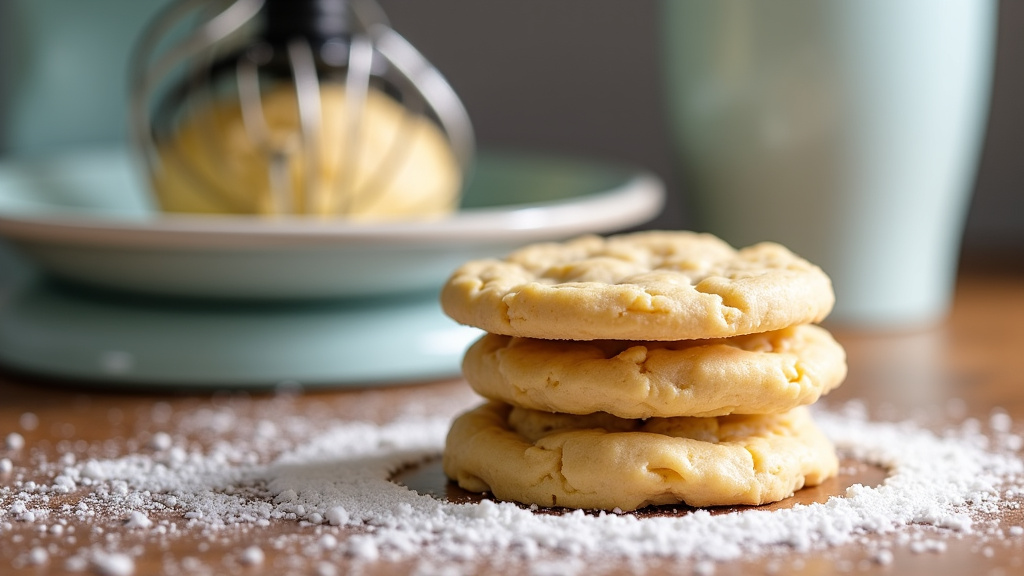
Can You Use a Stand Mixer to Knead Stiff Cookie Dough?

Yes, you absolutely can use a stand mixer to knead stiff cookie dough, and it can save you a lot of effort. We found that a stand mixer is excellent for uniformly combining ingredients and developing gluten in recipes that need it. Just be sure to use the right attachment and keep an eye on your dough.
Kneading by hand can be a real workout, especially with thicker doughs. Many home bakers find that a stand mixer makes this task much easier and more consistent. It helps create a smooth, well-mixed dough without all the manual labor. So, if you’re tired of aching arms, your stand mixer is here to help!
- Stand mixers handle stiff dough well.
- Use the dough hook attachment.
- Mixers save you time and effort.
- Avoid overmixing your dough.
- Watch the dough’s consistency closely.
Ready to put your stand mixer to work and achieve perfect cookie dough? Let’s walk through everything you need to know about using this trusty kitchen appliance for your baking adventures.
Using Your Stand Mixer for Stiff Doughs
You can absolutely use your stand mixer to handle even the stiffest cookie doughs. It’s a real time and effort saver, turning what can be a strenuous task into something simple.
Many home bakers find that a stand mixer brings consistency that’s hard to achieve by hand. It helps create a perfectly uniform dough, ready for delicious cookies.
Why Choose a Stand Mixer for Cookie Dough?
When you’re dealing with thick, heavy cookie dough, hand kneading can quickly become exhausting. Your stand mixer takes over this hard work, making baking more enjoyable.
Using a mixer also ensures all your ingredients are thoroughly and evenly combined. This leads to a better texture and taste in your finished cookies.
Efficiency and Consistency
A stand mixer provides a consistent kneading action that’s difficult to replicate manually. This uniform motion helps develop gluten evenly, if your recipe requires it, or just mixes everything smoothly.
Think of it as having an extra pair of strong, tireless hands in the kitchen. It frees you up to focus on other steps in your baking process.
Preventing Overworking
While stand mixers are powerful, they also allow you to control the mixing process. You can easily see the dough’s consistency and stop mixing the moment it’s perfect.
This helps you avoid overworking the dough, which can lead to tough cookies. We’ll dive more into this important point soon.
Picking the Right Attachment
The key to using your stand mixer effectively for stiff cookie dough lies in choosing the correct attachment. This will protect your mixer and get the best results.
For doughs, you’ll almost always reach for the dough hook. It’s designed specifically for kneading and mixing heavier consistencies.
The Dough Hook: Your Best Friend
The dough hook is shaped like a C or a spiral, perfect for pushing and pulling dough. It mimics the action of hand kneading, but with far greater power and endurance.
Using the dough hook prevents your mixer’s motor from straining. It also helps achieve that desirable smooth and elastic dough texture.
When to Avoid the Paddle Attachment
You might be used to using the paddle attachment for lighter cookie doughs or batters. However, for truly stiff dough, the paddle can actually cause issues.
We found that the paddle attachment can struggle with very thick dough, potentially overheating your mixer. It can also shred the dough instead of kneading it properly.
Step-by-Step Guide for Kneading Cookie Dough
Ready to put your stand mixer to work? Here’s a simple guide to ensure you get perfectly mixed dough every time.
Follow these steps to protect your mixer and achieve the best possible cookie dough consistency. For a general overview of how to use a stand mixer, consult our comprehensive guide.
- Gather Ingredients: Have all your ingredients measured and ready. This makes the process much smoother.
- Attach the Dough Hook: Securely attach the dough hook to your stand mixer. Make sure it’s clicked into place.
- Add Ingredients: Place your butter, sugar, and other wet ingredients into the mixing bowl first, then gradually add your dry ingredients.
- Start on Low Speed: Begin mixing on the lowest speed. This prevents flour from flying everywhere and allows the dough to come together.
- Increase Speed Gradually: Once the ingredients are mostly combined, you can increase the speed to medium-low. Do not go too fast.
- Watch the Dough: Observe the dough closely. Mix until it just comes together and forms a cohesive ball.
- Avoid Overmixing: Stop as soon as the dough is uniform. Overmixing can develop too much gluten, making your cookies tough (National Institutes of Health).
Signs of Perfectly Kneaded Dough
Knowing when your dough is just right is a skill you’ll quickly develop. There are a few key indicators to look for.
The goal is a dough that’s smooth, cohesive, and easy to handle, but not overly elastic.
Texture and Appearance
A well-kneaded stiff cookie dough will be smooth and uniform in color. You shouldn’t see any streaks of flour or unmixed ingredients.
It should also pull away cleanly from the sides of the mixing bowl. This shows it’s formed a good structure.
The “Windowpane” Test (for some doughs)
While more common for bread dough, some cookie doughs can benefit from a modified windowpane test. Take a small piece of dough and gently stretch it.
If you can stretch it thin enough to see light through it without tearing, it indicates good gluten development. For most cookies, however, you just want a well-combined, non-sticky dough.
When to Stop Mixing
This is perhaps the most critical part of using a stand mixer for cookie dough. Overmixing is a common pitfall that can ruin your cookies.
It’s always better to undermix slightly than to overmix drastically.
The Dangers of Overmixing
Overmixing develops too much gluten in the dough. This leads to cookies that are chewy, tough, or even rubbery, instead of tender and soft.
It can also activate the gluten to the point where the cookies don’t spread properly, resulting in thick, cakey cookies.
Look for These Cues
As soon as your dough comes together in a cohesive mass and pulls away from the bowl, you’re likely done. It might still look a little shaggy at first, but should quickly become smooth.
Stop the mixer, touch the dough. Is it uniform? Does it feel relatively smooth? If so, you’re good to go.
Caring for Your Stand Mixer
Your stand mixer is a workhorse, but it needs proper care, especially when dealing with heavy doughs. This will ensure it lasts for years.
Following these tips can prevent motor strain and extend the life of your appliance.
Don’t Overload the Bowl
Always respect the maximum capacity of your mixer’s bowl. Filling it too much can put excessive strain on the motor.
If you have a very large batch, consider mixing it in two smaller portions. We found this prevents overheating and keeps your mixer happy.
Listen to Your Mixer
Your mixer will tell you if it’s struggling. If you hear the motor groaning or working harder than usual, it’s a sign that the dough might be too stiff or the speed too high.
Reduce the speed, or if it continues to struggle, you might need to finish the kneading by hand for a minute or two.
A Quick Checklist for Success
Here’s a quick recap to keep handy for your next cookie-making adventure:
- Use the dough hook, not the paddle.
- Start mixing on the lowest speed.
- Increase speed gradually to medium-low.
- Stop mixing as soon as the dough is uniform.
- Avoid overfilling your mixer’s bowl.
- Listen for signs of motor strain.
By following these guidelines, you’ll find that your stand mixer is an invaluable tool for creating perfectly kneaded, stiff cookie dough. Say goodbye to tired arms and hello to consistently delicious cookies!