
What Is a Splash Guard Used For?
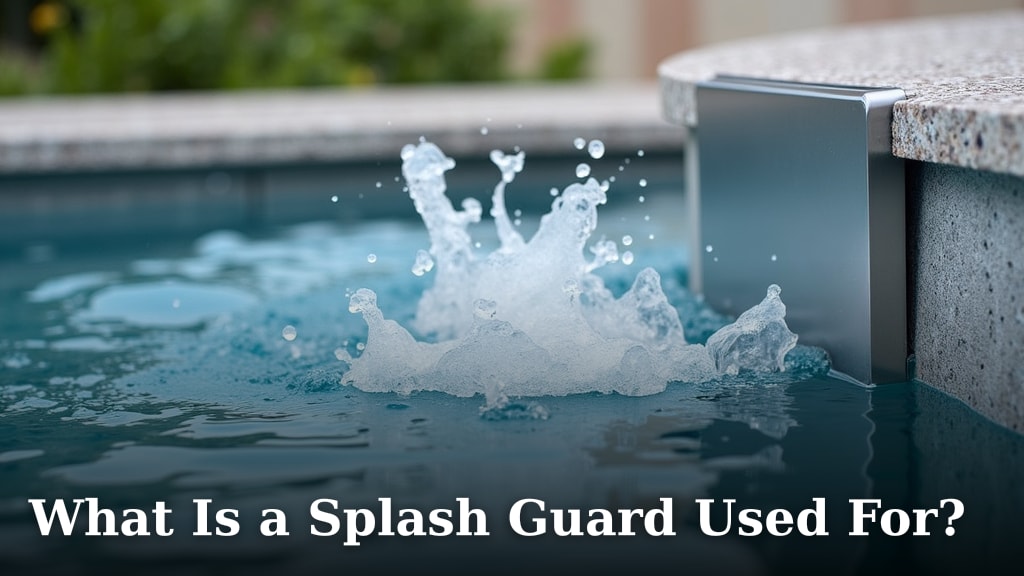
A splash guard is a protective barrier that prevents water and debris from splashing where it doesn’t belong. You’ll often find them in places like your kitchen sink or on your car to keep things clean and dry. They really help with mess management.
Think about your kitchen sink; a splash guard keeps water from running down your cabinets. For your car, it stops mud and rocks from hitting important parts under your vehicle. We found these simple devices play a big role in protection and tidiness.
- Stops splashes and debris.
- Keeps areas clean and dry.
- Found in kitchens and on vehicles.
- Protects surfaces and car parts.
- Simple yet effective solution.
Let’s dive into all the ways a splash guard can make your life a little cleaner and easier.
Understanding the Role of Splash Guards
A splash guard is a protective device designed to intercept and redirect liquids or debris. It keeps unwanted splashes from reaching surrounding areas, protecting surfaces and maintaining cleanliness.
Primary Functions of a Splash Guard
Splash guards serve several key purposes across different applications. Their main job is always about protection and containment. You’ll find them everywhere, doing quiet but important work.
Containing Mess and Spills
Think about washing dishes in your sink. Water often splashes out onto your countertop and floor. A sink splash guard forms a barrier, keeping those stray drops within the sink basin. This saves you from constant wiping.
In your car, mud flaps are a type of splash guard. They stop mud, water, and rocks from flying up the sides of your vehicle. This keeps your car cleaner and protects the paint from chips (National Highway Traffic Safety Administration).
Protecting Surfaces and Equipment
Beyond just containing a mess, splash guards also protect your property. In a kitchen, they shield cabinets and walls from water damage. Continual moisture can warp wood and encourage mold growth.
On a vehicle, splash guards protect undercarriage components. They deflect road salt, gravel, and other debris that can cause rust or damage to brakes and suspension. This helps extend the life of your car parts.
Improving Hygiene and Safety
In certain settings, splash guards are critical for hygiene. For example, in public restrooms, they prevent water from urinals from splashing onto the floor. This makes the area much cleaner and safer for everyone.
Reducing wet spots on floors also lowers the risk of slips and falls. A dry floor is always a safer floor. This is a simple yet effective way to prevent accidents (Occupational Safety and Health Administration).
Where You’ll Find Splash Guards in Everyday Life
Splash guards are more common than you might realize. They are integrated into many parts of our daily environment. Let’s look at some familiar examples.
In Your Home
Your home is full of places where splash guards do their duty. You might not even notice them until they’re missing. They blend into the background, providing quiet protection.
Kitchen Sinks
Many kitchen sinks have an integrated splash guard around the faucet. This keeps water from pooling behind the faucet and running down the back of your cabinets. Some people add magnetic or stick-on splash guards to the sink rim itself.
Bathroom Fixtures
Showers and bathtubs use splash guards in the form of shower curtains or glass doors. These are essential for keeping water inside the bathing area. You’ll also see small plastic guards around the base of toilets to prevent splashes.
Laundry Rooms
Washer and dryer units often have built-in splash guards. These prevent water from overflowing or spilling during the wash cycle. It’s a small detail that saves you from big headaches.
On Your Vehicle
Cars, trucks, and even motorcycles benefit from splash guards. They are vital for maintaining vehicle condition and safety. We often call them mud flaps or mud guards.
Mud Flaps
These are perhaps the most common automotive splash guards. They hang behind the wheels, catching debris kicked up by the tires. This protects your vehicle and those driving behind you.
Engine Underguards
Beneath your car’s engine, you might find a plastic or metal splash guard. This guard shields sensitive engine components from water, road grime, and small rocks. It’s like armor for your engine.
Different Types and Materials
Splash guards come in various forms, shapes, and materials. The choice of material often depends on the specific application. Each type has its own strengths.
Common Materials Used
From flexible rubber to rigid plastic, materials are chosen for durability and resistance to whatever they’re splashing against.
- Rubber: Often used for automotive mud flaps due to its flexibility and durability. It can withstand impacts from rocks and road debris without cracking.
- Plastic (Polypropylene, PVC): Common in home applications like sink guards and toilet splash guards. It’s lightweight, easy to clean, and resistant to water.
- Metal (Stainless Steel, Aluminum): Sometimes used for heavy-duty industrial applications or in custom vehicle setups. Offers superior strength and corrosion resistance.
- Silicone: Popular for flexible, easy-to-clean kitchen sink guards. It’s heat-resistant and often dishwasher safe.
Variety in Design
Designs range from simple flat sheets to complex molded shapes. They are engineered to fit their specific purpose. We found that effectiveness often comes down to good design.
| Application | Typical Design | Key Benefit |
|---|---|---|
| Kitchen Sink | Flexible strip, integrated rim | Prevents countertop splashes |
| Automotive | Molded flap, undercarriage shield | Protects paint, engine parts |
| Bathroom | Curtain, glass panel, plastic deflector | Keeps water in shower/toilet |
| Industrial | Robust panel, custom barrier | Shields machinery, personnel |
Benefits of Using Splash Guards
The advantages of installing splash guards are clear and numerous. They offer both practical and aesthetic benefits. You’ll save time, money, and hassle.
Maintaining Cleanliness and Aesthetics
Nobody likes a messy kitchen or a mud-splattered car. Splash guards significantly reduce the amount of cleaning you need to do. They help keep your home and vehicle looking their best.
Imagine your clean car after a rainy drive. Without mud flaps, it would be covered in grime. Splash guards help preserve that fresh, clean look for longer.
Preventing Damage and Wear
Water damage to cabinets can be expensive to repair. Rust on car parts can lead to costly replacements. Splash guards act as a first line of defense, preventing these issues before they start.
By deflecting abrasive materials, they protect surfaces from scratches and chips. This means your investments last longer. It’s a small cost for a lot of protection.
Enhancing Safety
As we mentioned, a drier floor is a safer floor. This applies in both homes and public spaces. Reducing slips and falls is a major benefit of effective splash management.
For drivers, mud flaps prevent debris from hitting other vehicles. This improves visibility for following cars and reduces the risk of accidents caused by flying rocks (AAA Foundation for Traffic Safety).
Checklist: Do You Need a Splash Guard?
Consider these points to decide if adding a splash guard could benefit you.
- Are your countertops frequently wet after doing dishes?
- Do you often find mud or grime on the sides of your vehicle?
- Are there signs of water damage on your kitchen or bathroom cabinets?
- Do you want to reduce the risk of slips and falls in wet areas?
- Are you looking to extend the life of your vehicle’s paint and undercarriage?
- Do you simply prefer a cleaner, tidier environment?
Conclusion
You’ve seen how a simple splash guard offers significant benefits, from keeping your home clean to protecting your vehicle’s lifespan. These unassuming barriers contain messes, safeguard your property, and boost safety in various environments. They prevent water damage, reduce cleaning time, and minimize accident risks.
Whether it’s a flexible strip by your sink or a robust mud flap on your car, splash guards are designed to make your life easier and your surroundings tidier. Now that you understand their impact, consider where a splash guard could improve your daily routine or protect your investments.
Frequently Asked Questions
How often should I clean my kitchen sink splash guard?
You should clean your kitchen sink splash guard regularly, ideally once a week. Food particles and grime can accumulate on it, leading to odors and bacterial growth. A quick wipe-down with soap and water is usually enough.
Can I install automotive mud flaps myself?
Many automotive mud flaps are designed for DIY installation. They often come with instructions and mounting hardware. However, if you’re uncomfortable working under your vehicle, a professional mechanic can install them quickly and correctly.
Do splash guards really prevent water damage to cabinets?
Yes, absolutely. Splash guards around sinks and faucets create a barrier that stops water from consistently splashing onto wooden cabinets. This helps prevent warping, staining, and mold growth caused by prolonged moisture exposure.
Are there eco-friendly splash guard options available?
Some manufacturers offer splash guards made from recycled plastics or sustainable materials. When purchasing, look for product descriptions that mention recycled content or environmentally friendly production processes. Silicone is also a durable, long-lasting material that reduces waste.
What’s the difference between a splash guard and a mud flap?
A “splash guard” is a general term for any device that prevents splashing. A “mud flap” is a specific type of splash guard commonly used on vehicles. Mud flaps are designed to block mud, water, and debris kicked up by tires from hitting the vehicle body or other cars.
