
Is a Mini Stand Mixer Worth It?
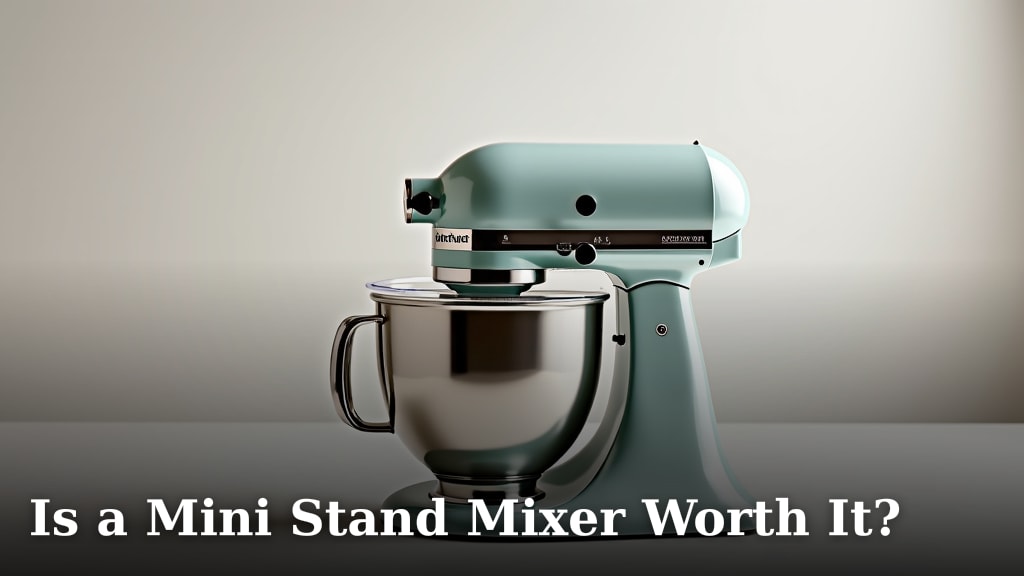
Yes, a mini stand mixer can be worth it if you have limited counter space or rarely bake large batches. These compact versions offer many of the same benefits as their full-size counterparts, like hands-free mixing, but in a smaller package. Think of them as a convenient tool for smaller kitchens or simpler recipes.
When deciding if a mini stand mixer is the right fit for your kitchen, consider your typical cooking habits. If you often make cookies for a crowd or knead large amounts of dough, a mini version might feel a bit restrictive. But for whipping up single batches of cupcakes or making smaller sauces, it’s a real space-saver. We found many users appreciate its practicality for everyday tasks.
- Mini stand mixers are great for small kitchens.
- They’re ideal if you don’t bake large quantities often.
- Consider your typical recipe sizes before buying.
- They offer hands-free mixing in a compact size.
Let’s break down what makes a mini stand mixer a good or bad choice for you, and look at some of the best options available.
Is a Mini Stand Mixer the Right Kitchen Companion for You?
So, you’re eyeing a mini stand mixer. That’s great! These compact kitchen gadgets promise a lot. They can save precious counter space. They can make small baking tasks easier. But are they truly worth the investment for your kitchen? Let’s explore the practicalities.
Understanding the Mini Stand Mixer’s Appeal
The main draw of a mini stand mixer is its size and efficiency. If you live in a smaller apartment or just don’t have a lot of room to spare, it’s a dream come true. It still offers that hands-free convenience you get with larger mixers. This means you can multitask while your batter is being mixed.
Think about your typical kitchen activities. Do you often find yourself whipping up a single batch of brownies? Or maybe you enjoy making smaller portions of mashed potatoes? A mini mixer is perfect for these everyday culinary needs. It’s not about replacing a full-size model for big jobs. It’s about having a dedicated tool for smaller tasks.
When a Mini Mixer Shines Brightest
These smaller mixers excel in several areas. We’ve found that their primary strength lies in their space-saving design. They can fit on most countertops without feeling overwhelming. Many users appreciate how easily they tuck away in a cabinet too. This is a huge plus for those with limited kitchen real estate.
Mini mixers are also fantastic for simpler recipes. Think meringues, frostings, or whipping cream. They can handle these tasks with ease. You’ll get consistent results without the need for a bulky machine. It’s like having a helpful assistant for those quick kitchen projects.
Ideal Scenarios for Mini Mixer Owners
- Baking for one or two people.
- Making sauces and dressings.
- Whipping small amounts of cream or egg whites.
- Kneading small batches of dough for rolls or pasta.
- Those new to baking who want to try it out.
Considering the Limitations of Mini Mixers
Now, let’s talk about the flip side. Mini stand mixers are, by definition, small. This means they have less power and capacity than their larger counterparts. Trying to make a double batch of cookies might be a struggle. The motor could overheat, or the bowl might simply be too small.
If your passion is large-scale baking, like holiday cookie extravaganzas or big bread-making sessions, a mini mixer might feel restrictive. You might find yourself wishing for more bowl space or a stronger motor. It’s important to be realistic about what these compact machines can handle.
When a Mini Mixer Might Not Be Enough
- Large batch baking (e.g., 3+ dozen cookies).
- Kneading large quantities of bread dough.
- Recipes requiring very stiff doughs.
- Frequent use for demanding tasks.
Comparing Mini Mixers to Full-Size Models
Let’s put it visually. Imagine a Mini Cooper versus a full-size SUV. Both get you where you need to go, but they serve different purposes. A mini stand mixer is the Mini Cooper – nimble, efficient for city driving (or small tasks), and easy to park. A full-size mixer is the SUV – ready for bigger loads and longer journeys (or large-batch baking).
We found that mini mixers typically have bowls ranging from 2 to 4 quarts. Full-size models often start at 5 quarts and go up from there. This difference in bowl capacity is key. It directly impacts how much you can mix at once. Power is another factor. Mini mixers might have motors between 150-300 watts, while full-size ones can easily exceed 500 watts.
| Feature | Mini Stand Mixer | Full-Size Stand Mixer |
|---|---|---|
| Typical Bowl Capacity | 2-4 Quarts | 5 Quarts and Up |
| Motor Power | Lower (e.g., 150-300 Watts) | Higher (e.g., 300-500+ Watts) |
| Counter Space Footprint | Small | Large |
| Ideal For | Small batches, simple tasks | Large batches, heavy doughs |
| Portability | High | Low |
Key Features to Look for in a Mini Mixer
When you’re shopping for a mini stand mixer, certain features can enhance your experience. Look for stable base. Even small appliances can vibrate during use. A good grip on the counter prevents unwanted movement.
Consider the attachments included. Most mini mixers come with a whisk, a dough hook, and a flat beater. Ensure these meet your basic needs. Also, check for speed settings. Having a few different speeds gives you more control over your mixing.
Essential Mini Mixer Attachments
- Whisk: Perfect for incorporating air into eggs and cream.
- Dough Hook: For kneading bread or pizza dough.
- Flat Beater/Paddle: Ideal for general mixing tasks like batters.
Maintaining Your Mini Mixer for Longevity
Just like any kitchen tool, your mini stand mixer needs a little TLC. After each use, make sure to clean the bowl and attachments promptly. Many are dishwasher safe, which makes cleanup a breeze. Always unplug the mixer before cleaning.
Check the manufacturer’s instructions for specific cleaning advice. Some models may require hand washing for certain parts. Storing it properly also helps. Keep it in a dry place to prevent any damage. Regular care ensures your mini mixer stays a reliable kitchen helper.
Making the Final Decision for Your Kitchen
So, is a mini stand mixer worth it? The answer really depends on your unique cooking style. If your kitchen feels cramped and your baking projects are usually on the smaller side, then absolutely yes! It’s a practical tool that can make your life easier.
But if you’re a serious baker who constantly whips up large batches or tackles dense doughs, you might find its capabilities limited. In that case, a full-size mixer could be a better long-term investment. Think about your daily cooking habits. This will guide you to the right decision for your culinary adventures.
Your Mini Mixer Checklist: Is It Right for You?
To help you decide, run through this quick checklist:
- Do you have limited counter space?
- Do you primarily bake small batches?
- Are you looking for hands-free mixing for simple recipes?
- Do you want a dedicated tool for everyday tasks?
- Would a smaller, more manageable appliance suit your needs?
- Are you okay with potential limitations on very large or dense recipes?
Conclusion
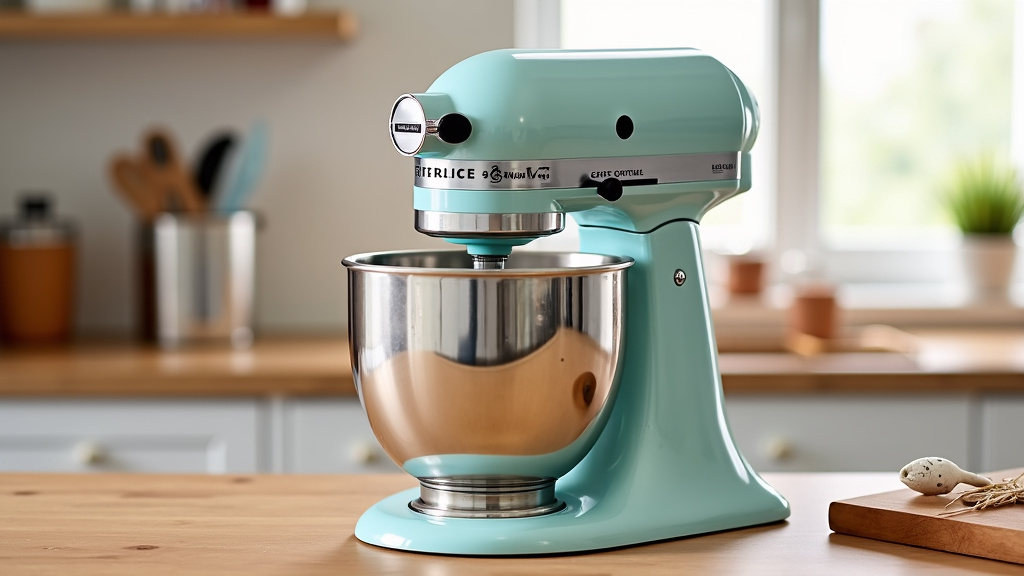
So, is a mini stand mixer the right choice for your kitchen? Our research shows it’s a smart buy if you’re short on counter space or usually make smaller batches. It brings that hands-free convenience without the bulk. You get a dedicated tool for everyday tasks and simple recipes. But if large-scale baking is your jam, you might outgrow its capacity. Consider your typical cooking habits carefully. This will help you decide if this compact helper fits your needs or if a full-size model is a better long-term investment for your kitchen.
Frequently Asked Questions
How much counter space do mini stand mixers actually save?
Mini stand mixers typically have a much smaller footprint than full-size models. They often measure less than a foot in height and width. This means they can fit easily on even the most crowded countertops. You can also tuck them away in a cabinet more readily when not in use.
Can a mini stand mixer handle thicker doughs, like bread?
While some mini mixers can handle small batches of dough, they generally aren’t ideal for heavy-duty kneading. Their motors are less powerful and bowls are smaller. For frequently making dense bread dough or large quantities, a full-size mixer is usually a better choice.
What’s the difference in mixing capacity between mini and full-size models?
The main difference is bowl size. Mini mixers typically range from 2 to 4 quarts. Full-size mixers usually start at 5 quarts and can go up to 7 quarts or more. This means a mini mixer is best for single batches, while a full-size mixer can handle recipes for larger families or gatherings.
Are mini stand mixers noisy?
Like their larger counterparts, mini stand mixers can produce some noise during operation, especially at higher speeds. However, their smaller motors might be slightly less powerful and potentially a bit quieter than very high-wattage full-size models. It’s always a good idea to check user reviews for specific noise level feedback.
How easy is it to clean a mini stand mixer?
Cleaning a mini stand mixer is generally quite straightforward. The bowls and attachments are often dishwasher safe, making cleanup quick. For parts that aren’t dishwasher safe, a simple hand wash with soap and water is usually sufficient. Always unplug the appliance before cleaning.
