
How Much Does It Cost to Repair a Stand Mixer?
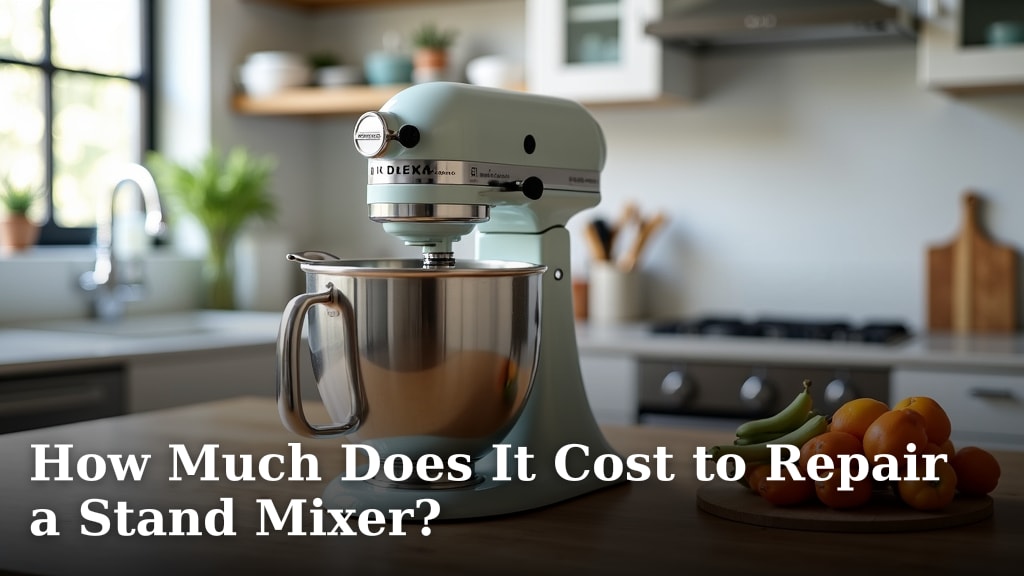
Repairing your stand mixer typically costs between $75 and $250. The exact price depends on what’s wrong and the specific model you own. You can expect a simple fix, like replacing a worn-out belt, to be on the lower end. More complex issues, such as motor problems, will push the cost toward the higher end.
Stand mixers are workhorses in the kitchen, and sometimes parts just wear out. We found that common repairs involve addressing issues with the motor, gearbox, or internal wiring. Sometimes, a bit of regular maintenance can prevent costly breakdowns down the road, saving you money and avoiding a kitchen disaster.
- Most stand mixer repairs cost $75-$250.
- Common issues include motor, gearbox, or wiring problems.
- The brand and model greatly influence the repair cost.
- Simple fixes are cheaper than complex mechanical failures.
Let’s break down what might be wrong with your stand mixer and how much you can expect to pay for each type of fix.
Understanding Stand Mixer Repair Expenses
So, your trusty stand mixer has decided to take a little break? We’ve all been there! It’s a bit like your car sputtering to a halt. You want to know, “What’s this going to cost me?” We found that most stand mixer repairs fall into the $75 to $250 range. This might seem like a wide gap, but it really depends on what part decided to call it quits and how complex that fix is.
Common Stand Mixer Woes and Their Price Tags
Your stand mixer is made up of many moving parts, and sometimes, one just decides it’s had enough. We’ve researched common issues that send mixers to the repair shop. Think of it like your kitchen’s superhero needing a tune-up. Understanding these common problems can help you get a clearer picture of potential costs. Understanding how to adjust the beater to bowl height can also help prevent certain issues.
Motor Issues: The Heart of the Machine
The motor is the powerhouse of your stand mixer. If it’s acting up, it’s usually the most expensive repair. You might notice strange noises, a lack of power, or the mixer simply not turning on at all. We found that replacing or repairing a motor can often cost between $100 and $250. This is because motors are complex components and require specialized knowledge to fix or swap out. Sometimes, a motor might just need a new set of brushes, which is a less costly fix. Other times, the entire motor assembly might need replacement, which drives up the price.
Gearbox Problems: The Inner Workings
Beneath the shiny exterior, your stand mixer has a sophisticated gearbox that translates motor power into the rotation of your attachments. If you hear grinding noises, the beater won’t move, or the speed seems inconsistent, your gearbox might be the culprit. We found that repairs for gearbox issues typically range from $80 to $200. This cost can vary depending on the extent of the damage. Are a few gears stripped, or is the entire assembly compromised? A simple gear replacement is on the lower end, while a full gearbox rebuild will be more.
Electrical and Wiring Glitches
Sometimes, the problem isn’t mechanical but electrical. If your mixer won’t turn on, the cord is frayed, or the speed control isn’t working correctly, it could be a wiring issue. These are often simpler fixes. We found that repairing or replacing internal wiring or a faulty switch usually costs $50 to $150. This is generally one of the more affordable repairs. It’s always good to check the power cord and plug for obvious damage first, as this is an easy and cheap fix you might be able to handle yourself!
Loose Belts and Drive Mechanisms
Many stand mixers, especially older models, use a belt system to drive the mixer head. Over time, these belts can stretch, slip, or break. If your mixer runs but the attachments don’t spin, or if you hear a whirring sound without any action, a loose or broken belt is a likely suspect. Replacing a drive belt is usually a straightforward job. We found that this repair typically costs $50 to $120. This is a great example of a simpler, less expensive fix that can get your mixer back in action quickly.
Other Minor Repairs
Beyond the major components, other minor issues can crop up. This might include a loose hinge on the tilting head, a broken knob, or a malfunctioning speed selector. These are usually minor inconveniences that don’t impact the mixer’s core function but are annoying nonetheless. We found that these types of repairs are generally the least expensive, often costing $40 to $100. They usually involve replacing small plastic parts or tightening connections.
Factors Influencing Repair Costs
So, why the price difference? Several factors come into play when a repair shop gives you an estimate. It’s not just about the part; it’s about the whole package. We’ve identified key elements that can sway the final bill.
Brand and Model of Your Mixer
Just like cars, different brands and models of stand mixers have varying parts availability and complexity. High-end brands or more specialized models might use proprietary parts that are harder to find and more expensive. We found that repairs for popular, widely available brands like KitchenAid often have more readily available parts, potentially keeping costs lower. Luxury brands or vintage models might command higher repair costs due to scarcity of parts or specialized labor requirements. Think of it like trying to find a part for a classic car versus a brand-new sedan; one is usually easier and cheaper.
Where You Get It Repaired
Your choice of repair service can also impact the price. Are you taking it to an authorized service center for your specific brand, a general appliance repair shop, or attempting a DIY fix? We found that authorized centers often charge more for labor and parts because they specialize in that brand. Independent repair shops might offer more competitive pricing. Doing it yourself, of course, has the lowest part cost but requires your time and skill. For delicate electronics or complex mechanical systems, choosing an experienced technician is often worth the peace of mind.
Availability of Parts
The cost of replacement parts is a huge driver of repair expenses. If a part is rare, discontinued, or needs to be specially ordered, its price will be higher. We found that common parts for popular mixer models are usually more affordable because there’s higher demand and supply. When parts are scarce, the price naturally goes up. This is why checking the availability of parts for your specific model can give you an early clue about potential costs.
Labor Costs
Don’t forget the technician’s time! Labor rates vary significantly by region and by the complexity of the repair. A simple belt replacement might take less than an hour, while diagnosing and fixing a motor issue could take several hours. We found that diagnostic fees are common, ranging from $30 to $80, which is often applied toward the total repair cost if you proceed. Simple repairs usually have a lower labor charge than those requiring extensive disassembly and reassembly.
When Is It Time to Repair vs. Replace?
This is the million-dollar question, right? You love your mixer, but is it worth sinking money into it? We found that a good rule of thumb is to compare the repair cost to the price of a new mixer. If the repair is more than 50% of the cost of a new, comparable model, it might be time to consider a replacement. For example, if your repair quote is $200 and a new mixer is $350, it’s probably worth it. But if the repair is $300 and a new one is $350, you’re getting close to the replacement threshold. Another factor is the age and condition of the mixer. If it’s an older model and you’re already facing a costly repair, it might be prone to future breakdowns. When considering repairs, it’s helpful to compare the repair cost to the cost of a new mixer.
Here’s a quick checklist to help you decide:
- Compare the repair estimate to the cost of a new mixer.
- Consider the age and overall condition of your current mixer.
- Think about how often you use your stand mixer.
- Check if the repair shop offers a warranty on their work.
- Research the cost and availability of parts for your specific model.
- Factor in the sentimental value or unique features of your current mixer.
Preventative Maintenance: Saving You Money Down the Road
An ounce of prevention, as they say, is worth a pound of cure. Regular maintenance can help keep your stand mixer humming along happily and potentially save you from costly repairs. We found that simple upkeep can extend the life of your appliance significantly.
Keep It Clean
Food bits and dust can get into the nooks and crannies, gumming up the works. After each use, wipe down the exterior and the attachments. Periodically, you might need to clean the mixer head and attachment hub more thoroughly. A clean mixer is a happy mixer, less likely to overheat or have moving parts stick.
Check for Loose Parts
Occasionally, give your mixer a once-over. Are all the screws tight? Is the bowl locking mechanism secure? Are there any obvious signs of wear and tear on the cord or plug? We found that tightening loose screws or securing wobbly parts can prevent bigger issues from developing. It’s a bit like checking the lug nuts on your car tires.
Lubrication (When Recommended)
Some mixers, particularly older or professional models, may require periodic lubrication of their internal gears. Always consult your owner’s manual for specific instructions. Over-lubricating or using the wrong type of lubricant can cause problems. We found that following manufacturer recommendations for lubrication is key to keeping the gearbox running smoothly and preventing wear.
Proper Usage
Don’t push your mixer beyond its limits. Overloading the bowl with too much dough or trying to mix ingredients that are too hard can strain the motor and gearbox. We found that using the correct speed for the task and not forcing the mixer can prevent premature wear and tear. Think of it as treating your mixer with the respect it deserves for all the delicious meals it helps you create.
Conclusion
You’ve learned that stand mixer repairs typically range from $75 to $250, depending on the issue. We found that motor problems are the priciest, while electrical glitches and belt replacements are more budget-friendly. Before you commit to a repair, always weigh the cost against buying a new mixer. Sometimes, a few simple maintenance steps, like keeping your mixer clean and checking for loose parts, can prevent these expenses altogether. Your stand mixer is a kitchen hero, and a little care can keep it baking and mixing for years to come. If your mixer needs attention, start by getting a diagnostic quote from a reputable repair shop to guide your decision.
Frequently Asked Questions
Can I fix my stand mixer myself?
For simple issues like a loose screw or a frayed power cord, you might be able to perform a DIY fix. However, for motor or gearbox problems, it’s generally safer and more effective to trust a professional. We found that attempting complex repairs without the right knowledge or tools can sometimes cause more damage and lead to higher costs later.
How long does a stand mixer repair usually take?
The repair time can vary greatly. Simple fixes, like replacing a belt or switch, might only take an hour or two. More involved repairs, such as diagnosing and fixing motor issues, could take several days, especially if parts need to be ordered. Your repair shop can provide a more accurate timeframe after assessing the problem.
Do stand mixer repair shops charge a diagnostic fee?
Yes, most repair shops do charge a diagnostic fee to determine the problem. We found these fees typically range from $30 to $80. This fee is often applied towards the total repair cost if you decide to proceed with the service, so it’s usually not an additional expense.
Is it cheaper to repair a stand mixer or buy a new one?
We found that a good rule of thumb is to compare the repair cost to the price of a new, comparable mixer. If the repair estimate is more than 50% of the cost of a new one, it might be more economical to replace it. Consider the mixer’s age and condition as well.
Will a repair shop warranty their work on my stand mixer?
Many reputable repair shops offer a warranty on their labor and parts, typically ranging from 30 to 90 days. This provides peace of mind that the repair was done correctly. Always ask about warranty coverage before agreeing to the service and keep your receipt.
