
How Much Does a Commercial Stand Mixer Cost?
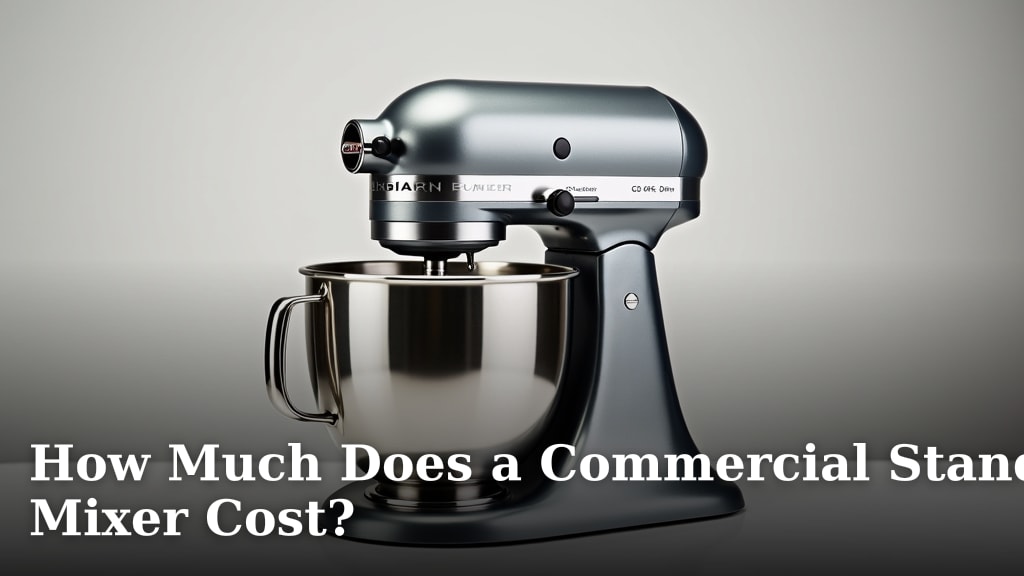
The cost of a commercial stand mixer can range from $300 to over $5,000. Your budget really depends on the brand, size, and the features you need for your specific kitchen demands. A basic model for a small bakery will cost much less than a heavy-duty mixer for a large restaurant. A basic model for a small bakery will cost much less than a heavy-duty mixer for a large restaurant, and this guide reviews KitchenAid mixers for small businesses.
When thinking about a commercial stand mixer, consider the durability and power you require. Higher price tags often reflect superior motor strength and build quality designed for constant use. We found that investing a bit more upfront can save you money on repairs and replacements down the line.
- Commercial stand mixers cost anywhere from $300 to $5,000+.
- Price varies by brand, size, and features.
- Look for durability and power for demanding kitchens.
- Higher cost often means better motor and build quality.
Let’s break down the factors that influence these prices so you can find the best mixer for your business. We’ll guide you through what to expect.
Understanding Commercial Stand Mixer Pricing
So, you’re wondering about the investment for a commercial stand mixer. It’s a big question, and the answer isn’t a simple number. Prices can swing from a few hundred dollars to thousands. This wide range reflects the vast differences in what these machines offer and what your business truly needs.
The Core Factors Influencing Cost
Several key elements determine where a commercial stand mixer will land on the price spectrum. Think of it like buying a car; a basic sedan is vastly different from a heavy-duty truck. You’ll see differences in motor power, bowl capacity, and the materials used in construction. These aren’t just specs; they translate directly into performance and longevity in your busy kitchen.
Brand Reputation and Quality
Just like any industry, some brands have built a reputation for making top-tier equipment. These names often come with a higher price tag. However, this usually means you’re paying for proven reliability and excellent customer support. We’ve found that investing in a well-known brand often leads to fewer headaches down the road, as their equipment is generally built to last under heavy use.
Size Matters: Bowl Capacity and Wattage
The size of the mixer is a primary driver of cost. Smaller mixers, perhaps for a startup bakery or a cafe with light baking needs, will be at the lower end. These might have a 5-quart or 10-quart bowl. Larger mixers, designed for high-volume restaurants or industrial kitchens, can have bowls ranging from 20 quarts to 80 quarts or even more. As the bowl size increases, so does the motor’s power requirement, driving up the price. More power is needed to mix larger batches effectively and consistently. As the bowl size increases, so does the motor’s power requirement, driving up the price, which is why a high-wattage stand mixer is crucial for heavy dough.
Material and Build Quality
The materials used in a mixer’s construction significantly impact its price. Commercial mixers are typically built with heavy-duty stainless steel or cast iron for durability and stability. Higher-end models might feature more robust gears, stronger housings, and finer finishes. You’re essentially paying for a machine that can withstand constant, rigorous use without faltering. Cheaper models might use more plastic components or lighter-gauge metals, which are less durable.
Understanding Price Tiers and What They Offer
To help you visualize the cost, let’s break down the typical price ranges and what you can generally expect from each tier.
Entry-Level Commercial Mixers ($300 – $700)
In this range, you’ll find mixers suitable for very light commercial use or for passionate home bakers stepping up their game. These might be 5-quart to 8-quart models. They are generally good for doughs, batters, and whipped creams in smaller quantities. Think of a small coffee shop or a home-based business. While they offer more power than a typical home mixer, they might not hold up to continuous, heavy-duty daily use. We’ve found that users in this tier often prioritize budget over extreme durability.
Mid-Range Commercial Mixers ($700 – $2,000)
This is often the sweet spot for many businesses. Here, you’ll find mixers with capacities from 10 quarts to 30 quarts. The motors are more powerful, built for more consistent operation. These mixers are excellent for pizzerias, moderate-sized bakeries, and restaurants with a decent volume of baked goods or prep work. You’ll get better build quality, often with more metal components and sturdier attachments. Many experts suggest this range offers a great balance of price and performance for growing businesses.
High-End & Heavy-Duty Commercial Mixers ($2,000 – $5,000+)
When you reach this price point, you’re looking at serious workhorses. These are typically 30-quart to 80-quart (or larger) mixers designed for bakeries producing large volumes, catering companies, and industrial food production. They boast powerful, often gear-driven motors built for maximum efficiency and endurance. The build quality is exceptional, using robust materials designed to last for many years, even with 24/7 operation. These machines are an investment in infrastructure.
| Price Range | Typical Bowl Size | Best For | Key Features |
|---|---|---|---|
| $300 – $700 | 5-8 Quarts | Light commercial use, home-based businesses, small cafes | Basic planetary action, decent motor for small batches, lighter construction. |
| $700 – $2,000 | 10-30 Quarts | Mid-volume bakeries, restaurants, caterers | Stronger motors, durable all-metal construction, multiple speed settings, better attachment compatibility. |
| $2,000 – $5,000+ | 30-80+ Quarts | High-volume bakeries, industrial kitchens, large-scale production | Heavy-duty gear-driven motors, robust stainless steel construction, built for continuous operation, advanced safety features. |
Additional Costs to Consider
Beyond the initial sticker price, there are other factors that can add to your overall investment. It’s smart to budget for these extras.
Attachments and Accessories
Most commercial stand mixers come with basic attachments: a wire whip, a flat beater, and a dough hook. However, you might need specialized attachments. Think about a meat grinder, a pasta maker, or a vegetable slicer. These can add $50 to $300 or more per attachment. Carefully consider what your menu or production requires before buying.
Warranty and Service Plans
A good warranty provides peace of mind. Standard warranties can range from 90 days to one year. For commercial equipment, longer warranties are often available, sometimes for an additional cost. We’ve seen extended warranties that cover parts and labor for 2-3 years. Investing in a good service plan or extended warranty can save you from unexpected repair bills, which can be substantial for commercial equipment.
Shipping and Installation
Commercial stand mixers are heavy and bulky. Shipping can range from $100 to several hundred dollars, depending on the size and your location. Some retailers offer free shipping, but always check the fine print. Installation might also be a factor if you need special electrical outlets or a dedicated space. Ensure you have a stable, level surface and adequate power supply.
Making the Right Investment for Your Business
Choosing a commercial stand mixer is a significant decision. It’s not just about the price tag; it’s about finding a tool that will support your business operations efficiently and reliably.
Before you buy, ask yourself these questions:
- What is the largest batch size I anticipate making regularly?
- How many hours per day will the mixer likely run?
- What types of ingredients will I be mixing (heavy doughs vs. light batters)?
- What is my long-term budget, including potential maintenance?
- Are there specific attachments I know I’ll need from day one?
By carefully considering these points, you can make an informed decision that fits your needs and your budget. A well-chosen mixer is an investment that pays dividends in time saved, consistency achieved, and ultimately, delicious products delivered to your customers.
Conclusion
Investing in a commercial stand mixer is a big decision for your business. You’ve seen that costs can range widely, from about $300 for entry-level models to over $5,000 for heavy-duty machines. Your final price will depend on crucial factors like brand reputation, mixer size, and the build quality needed for your kitchen’s demands. We’ve found that looking beyond the sticker price to consider durability and long-term performance pays off. Before you purchase, take a moment to assess your specific needs. Think about batch size, daily usage, and any essential attachments to ensure you choose a mixer that truly supports your business goals.
Frequently Asked Questions
What’s the difference between a home mixer and a commercial stand mixer price-wise?
Home mixers are generally priced between $100 and $400, designed for occasional use. Commercial stand mixers, starting around $300, are built with more powerful motors and durable materials for constant, heavy-duty operation, which is why they cost more.
Are there hidden costs beyond the mixer’s price tag?
Yes, absolutely. You might need to budget for extra attachments, which can cost $50 to $300 each, and potential extended warranties or service plans for peace of mind. Don’t forget shipping costs, which can add up for these heavy items.
Is it worth paying more for a well-known brand?
Often, yes. We’ve found that premium brands typically offer superior build quality and stronger motors designed for longevity. This can mean fewer repairs and a more reliable machine for your business in the long run.
How can I determine the right mixer size for my business?
Consider your busiest production days. If you regularly make large batches, opt for a larger bowl capacity (20+ quarts). For smaller operations or lighter tasks, a 5-10 quart mixer might suffice and be more budget-friendly.
Can I finance a commercial stand mixer if I don’t have the full amount?
Many suppliers and manufacturers offer financing options or payment plans for commercial equipment. This allows you to spread the cost over time, making it easier to acquire the mixer your business needs without a large upfront payment.
