How to Make Gnocchi Dough in a Stand Mixer?
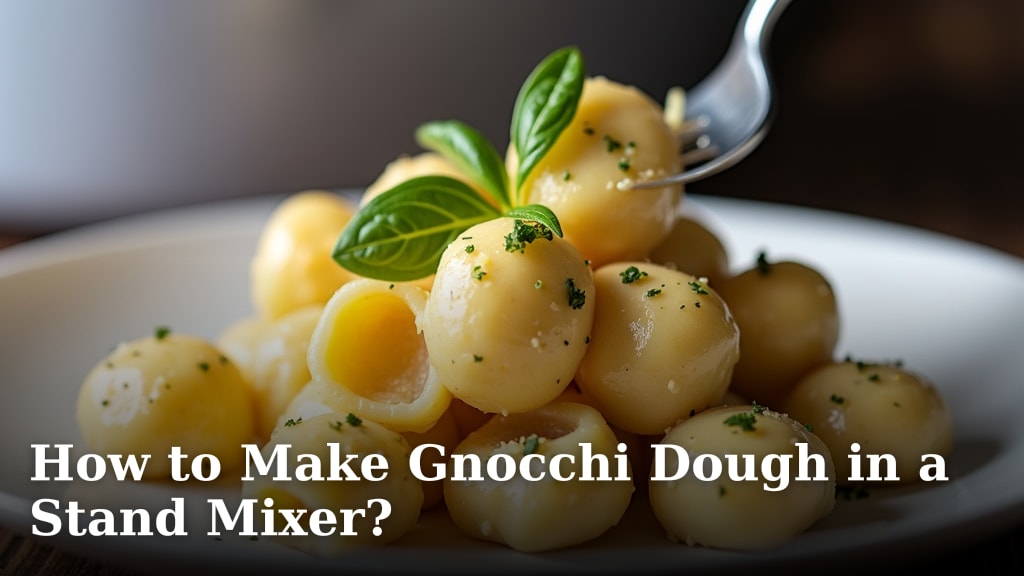
Yes, you can absolutely make delicious gnocchi dough using your stand mixer! It’s a fantastic way to achieve a light and fluffy texture with less effort than hand-kneading. Your stand mixer does the hard work of developing the dough perfectly.
Using a stand mixer can take some of the guesswork out of gnocchi making. We found that it helps to consistently mix the ingredients without overworking the dough. This ensures your gnocchi will be tender and not tough.
- Stand mixers are great for gnocchi dough.
- They help mix ingredients thoroughly.
- This leads to tender gnocchi.
- It’s an easier method for many home cooks.
Ready to see how easy gnocchi can be? Let’s walk through exactly how to make perfect gnocchi dough with your stand mixer, step by step.
Whipping Up Gnocchi Dough with Your Stand Mixer
Making gnocchi dough in a stand mixer is a game-changer. You can achieve a perfectly tender result without the workout of hand-kneading. Your mixer handles the heavy lifting, ensuring consistency.
We found that the stand mixer is incredibly useful for this task. It helps to mix the ingredients evenly and without overworking the dough. This is key for light, fluffy gnocchi.
Gathering Your Gnocchi Ingredients and Tools
Before you begin, make sure you have everything ready. Having your ingredients measured and your equipment close by makes the process much smoother. Think of it like prepping for any good recipe.
Essential Ingredients for Tender Gnocchi
You’ll need just a few simple things for your dough. The quality of your ingredients really matters here. We recommend using good quality potatoes for the best flavor and texture.
- Potatoes: Russets or Yukon Golds work best.
- Flour: All-purpose flour is your go-to.
- Eggs: Large eggs are standard.
- Salt: Just a pinch to enhance flavor.
- Optional: A touch of nutmeg or Parmesan cheese for extra flair.
Your Stand Mixer and Attachments
Your stand mixer is the star here. You’ll mainly use the paddle attachment. This is the one that looks like a flat beater. It’s perfect for combining wet and dry ingredients.
You might also need a bowl scraper. This handy tool helps scrape down the sides of the mixer bowl. It ensures all the flour and potato get incorporated into the dough.
Preparing Your Potatoes: The Foundation of Great Gnocchi
The potatoes are the heart of your gnocchi. How you prepare them makes a big difference. We found that baking or boiling are the best methods.
Method 1: Baking Your Potatoes
Baking potatoes yields a drier potato. This is ideal for gnocchi. Less moisture means you’ll need less flour. Less flour often leads to more tender gnocchi.
To bake, simply pierce your potatoes with a fork. Place them on a baking sheet. Bake at 400°F (200°C) for about 45-60 minutes. They should be tender when pierced with a knife.
Method 2: Boiling Your Potatoes
If you choose to boil, use a large pot of water. Add salt to the water. Boil the potatoes until they are fork-tender, typically 20-30 minutes. Drain them very well.
We found that letting boiled potatoes sit in the colander for a few minutes helps excess steam escape. This is important to avoid a watery dough. You can even spread them on a baking sheet to cool slightly and dry out a bit more.
Mashing the Potatoes for the Dough
Once your potatoes are cooked and slightly cooled, you need to mash them. A potato ricer or a food mill is your best friend here. This gives you a smooth, lump-free potato mash. This consistency is vital for good gnocchi.
If you don’t have a ricer, you can mash them very thoroughly with a fork or a masher. Just be sure there are no large chunks. Lumps can make your gnocchi tough.
Mixing the Gnocchi Dough in Your Stand Mixer
Now comes the fun part: using your stand mixer! It makes bringing everything together a breeze. You’ll be amazed at how quickly it comes together.
Combining the Wet and Dry Ingredients
Start by placing your mashed potatoes in the stand mixer bowl. Add the egg and a pinch of salt. If you’re using nutmeg or Parmesan, add it now too.
Attach the paddle attachment. Mix on a low speed. You just want to combine these ingredients until they are mostly smooth. Don’t overmix at this stage.
Gradually Adding the Flour
This is where you need to be careful. You want to add just enough flour to form a dough. Too much flour will make your gnocchi tough. Too little, and they might fall apart.
Start by adding about half of your measured flour. Mix on low speed. Then, gradually add more flour, a little bit at a time. Scrape down the sides of the bowl with your scraper as needed. If your stand mixer isn’t mixing evenly, learn why ingredients stick and how to scrape down the sides.
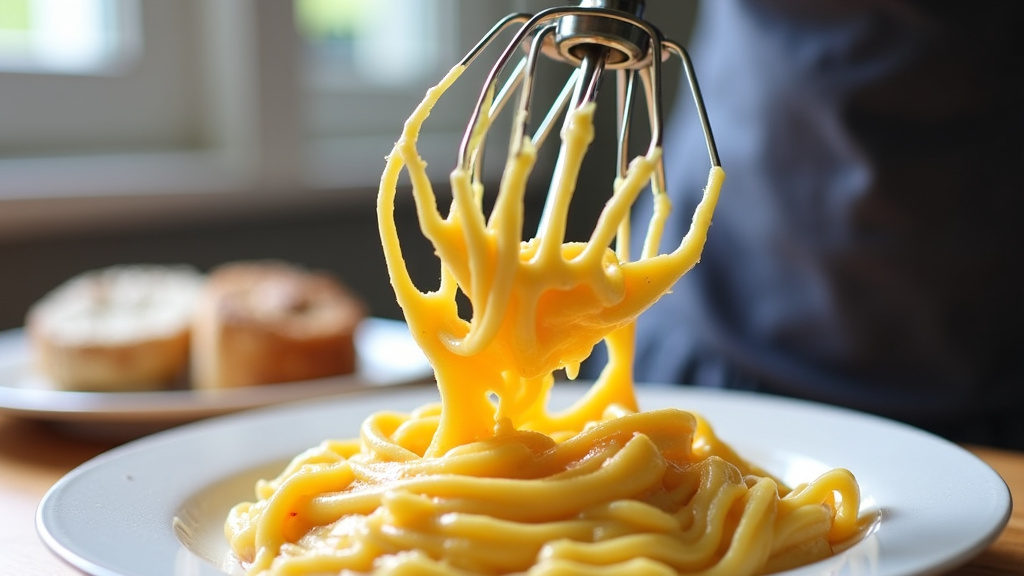
We found that the amount of flour can vary. It depends on the moisture content of your potatoes. You’re looking for a dough that is soft and slightly sticky, but not wet. It should just start to pull away from the sides of the bowl.
Knowing When the Dough is Ready
How do you know when to stop adding flour? The dough should form a soft ball. It won’t be as stiff as bread dough. It should feel tender to the touch.
When you touch it, it should feel slightly tacky. However, it shouldn’t stick to your fingers excessively. Many experts suggest a dough that’s just cohesive enough to handle. This is the sweet spot.
The Importance of Not Overmixing
This is a rule you really want to follow. Overmixing your gnocchi dough develops the gluten too much. This results in tough, chewy gnocchi. Nobody wants that!
Your stand mixer is powerful. Use it on a low speed. Mix only until the ingredients are just combined. The goal is a tender dough, not a strong, elastic one. We found that this is the most common pitfall for beginners.
A Quick Guide to Dough Consistency
Getting the dough consistency right is key. Here’s a simple way to think about it.
| Dough Feel | What It Means | Action Needed |
|---|---|---|
| Very Sticky, Wet | Needs more flour. | Add flour 1 tablespoon at a time. |
| Soft, Slightly Tacky | Perfect! | Stop mixing. |
| Stiff, Dry | Too much flour. | Add a tiny bit of water or egg. (Use caution!) |
Finishing and Resting the Dough
Once your dough is mixed, you’re almost there. A short rest can help the dough relax.
A Gentle Knead (Optional but Recommended)
Even with a stand mixer, a brief period of gentle kneading can be beneficial. You can do this by hand for just a minute or two. Or, if your mixer has a dough hook and you can use it on the very lowest speed, you can use that briefly. For a tender dough, consider a brief period of gentle kneading, which is discussed in guides on the best stand mixers for heavy dough.
We found that just a minute or two is plenty. The dough should feel smooth and cohesive. It should be ready to handle without being overly sticky.
Letting the Dough Rest
Wrap your dough ball tightly in plastic wrap. Let it rest at room temperature for about 15-20 minutes. This allows the gluten to relax.
A rested dough is easier to roll and shape. It’s less likely to spring back. This small step makes a noticeable difference in how easy the dough is to work with.
Tips for Success with Your Stand Mixer Gnocchi
Here are a few extra tips we’ve gathered to help you succeed.
- Don’t be tempted to add too much flour. It’s better to have a slightly sticky dough than a tough one.
- Work quickly once your dough is ready. This prevents the potatoes from drying out too much.
- Use a light hand when shaping. Gentle handling leads to the lightest gnocchi.
- Cook gnocchi in batches. Don’t overcrowd the pot. They need room to cook properly.
Conclusion
You’ve learned how easy it is to make delicious gnocchi dough using your stand mixer. By carefully preparing your potatoes and adding flour gradually, you’ll achieve that perfectly tender texture. Your stand mixer takes the hard work out of mixing, ensuring consistency and saving you effort. Remember, the key is a soft, slightly tacky dough, not overly stiff. Now that you’ve mastered the dough, you’re ready to shape and cook your homemade gnocchi. Grab your paddle attachment and give it a try this week!
Frequently Asked Questions
Can I use a different attachment for mixing gnocchi dough?
While the paddle attachment is recommended, you can use your mixer’s dough hook on the lowest speed for a very brief period. We found the paddle attachment is best for combining ingredients without developing too much gluten. Be very careful not to overwork the dough, no matter the attachment.
What kind of flour is best for gnocchi dough in a stand mixer?
All-purpose flour is your best bet for classic gnocchi. We found that using good quality flour contributes to a tender result. You can experiment with ’00’ flour for an even lighter texture, but all-purpose works wonderfully for most recipes.
How do I know if my gnocchi dough has too much flour?
If your dough feels stiff, dry, and doesn’t yield when gently pressed, it likely has too much flour. We found that adding flour one tablespoon at a time is the safest approach. If it’s already too stiff, try adding a tiny splash of water or a bit more egg yolk, but do so very cautiously.
Why is resting the gnocchi dough important?
Resting allows the gluten in the flour to relax. We discovered that a rested dough is easier to handle, roll, and shape without springing back. This short break helps ensure your gnocchi are delicate and not tough.
My gnocchi dough is too sticky, what should I do?
A slightly sticky dough is often a good sign you haven’t added too much flour. If it’s unmanageably sticky, add flour one tablespoon at a time while mixing on low speed. Scrape down the sides of the bowl as needed until the dough just starts to pull away and feels manageable.
