
How to Prevent a Stand Mixer Bowl from Spinning?
To prevent a stand mixer bowl from spinning, ensure it is properly locked into the mixer’s base. You might need to rotate the bowl slightly until it clicks securely into place. Sometimes, a worn spring or base can also cause this problem.
When your mixer bowl spins freely, it makes baking difficult and messy. We found that A stand mixer is also excellent for preparing various recipes, including how to mix cake batter.most spinning issues come from improper seating or a simple adjustment. A little troubleshooting usually fixes the problem quickly, letting you get back to your recipes.
- Securely lock the bowl into the mixer’s base.
- Check for proper alignment and a “click” sound.
- Inspect the bowl’s locking mechanism for wear.
- Examine the mixer’s base for any damage.
- Consider replacing worn-out springs or parts.
We’ll walk you through the common reasons your stand mixer bowl might be spinning and how to fix it, step-by-step.
Understanding Why Your Mixer Bowl Might Be Spinning
So, your stand mixer bowl is acting like a carousel, spinning when it shouldn’t. It’s frustrating, right? We understand! The good news is that this usually isn’t a major crisis. Most of the time, it’s a simple issue with how the bowl connects to the mixer base. Think of it like a puzzle piece that isn’t quite aligned.
We’ve found that the primary culprits fall into a few categories. These include how you’re attaching the bowl, the condition of the bowl itself, or issues with the mixer’s base. Let’s break down these common problems.
The Bowl Isn’t Seated Correctly
This is by far the most common reason your mixer bowl might be doing a little jig. When you place the bowl on the mixer, it needs to lock into position. If it’s just sitting there, it’s bound to spin.
Each mixer model has a specific way to secure its bowl. It’s often a simple twist and click. If you don’t hear or feel that click, the bowl isn’t properly engaged. Many users, especially those new to stand mixers, overlook this crucial step.
Checking for Proper Engagement
Before you panic, take a moment to double-check. Did you rotate the bowl until it locked? On most KitchenAid models, for example, you place the bowl into the arms or on the platform, then twist it clockwise. You should feel it settle and hear a faint click.
If it feels loose or wobbly before you even turn the mixer on, it’s a sure sign it’s not seated right. Don’t force it, though. Sometimes, a slight adjustment is all it needs.
Wear and Tear on the Bowl or Mixer Base
Even the sturdiest kitchen appliances experience wear over time. Your stand mixer is no exception. The parts that hold the bowl in place can degrade, leading to a loose fit. We found this is more common with older or heavily used mixers.
Imagine a favorite old chair; after years, the joints might loosen. The same can happen to the locking mechanisms of your mixer and bowl. This wear means the bowl can’t get that snug, secure fit it needs to stay put.
Inspecting the Bowl’s Locking Lugs
Take a good look at the bottom of your mixer bowl. You’ll see little bumps or “lugs” that are designed to fit into grooves on the mixer base. These are your bowl’s locking points. Are they visibly worn down, chipped, or bent?
If these lugs are damaged, they won’t be able to catch onto the mixer’s base properly. This can cause the bowl to spin freely, especially when the mixer is working hard on a thick dough.
Examining the Mixer’s Base and Spring Plate
Now, turn your attention to the mixer’s base where the bowl sits. You’ll usually find corresponding indentations or grooves. Are these grooves free of debris? Are they damaged or misshapen? Sometimes, dried batter can accumulate here, preventing a proper fit.
Many mixers also have a spring-loaded plate beneath the bowl. This spring helps create tension, pushing the bowl upwards to keep it securely locked. If this spring is weak, bent, or missing, the bowl might not have enough pressure to stay put.
- Clean any dried batter or food debris from the base.
- Check the condition of the locking grooves on the mixer.
- Press down on the spring plate (if present) to feel its tension.
- Look for any visible damage to the spring or plate.
Simple Steps to Secure Your Mixer Bowl
Let’s get that bowl firmly in place so you can get back to baking. Most solutions are quick fixes that don’t require any special tools. We believe in starting with the easiest solutions first, just like peeling an onion one layer at a time.
You’ll be surprised how often a little attention to detail solves the problem. Don’t rush these steps; a methodical approach will save you time and frustration.
The “Twist and Click” Method
This is your first line of defense. Always make sure you’re engaging the bowl correctly. Think of it as a dance; the bowl and mixer need to move together just right.
Place the bowl onto the mixer base. Then, with a firm but gentle motion, rotate the bowl. You should feel it drop into place, then twist until it locks. It should feel stable, not loose. If it doesn’t feel right, lift it off and try again.
Troubleshooting the Twist
Sometimes, the bowl might be slightly misaligned. Try rotating it a full 360 degrees if needed, allowing it to find its proper slot. Don’t force it. If it resists, there might be something blocking it or it’s simply not positioned correctly. Many guidelines point to aligning the handle with the arm of the mixer for initial placement (KitchenAid User Manuals).
Cleaning and Inspection Checklist
A clean mixer is a happy mixer. Food debris can sometimes prevent the bowl from seating properly. Take a moment to give your mixer a quick spa treatment.
Here’s a quick checklist to help you identify any physical issues:
- Unplug your mixer for safety.
- Remove the bowl and inspect its bottom for wear or damage.
- Clean the base of the mixer thoroughly, removing any stuck-on food.
- Check the mixer’s locking pins or grooves for any damage.
- Press the spring plate (if applicable) to assess its springiness.
- Re-seat the bowl carefully, ensuring a secure lock.
When to Consider a Replacement Part
If you’ve tried all the above and your bowl still spins, it might be time to think about a replacement. This usually means a worn spring or damaged locking mechanism. We found that identifying the specific faulty part can save you from replacing the entire unit.
Before buying anything new, check your mixer’s model number. This will help you find the correct replacement parts. Sometimes, a small part can make a big difference, like replacing a worn tire on a bike rather than buying a whole new one.
| Problem Indication | Likely Cause | Recommended Action |
|---|---|---|
| Bowl spins immediately | Not properly seated | Twist until it locks securely. |
| Bowl wobbles before mixing | Worn locking lugs on bowl | Inspect bowl; consider replacement. |
| Bowl spins during heavy mixing | Weak base spring or worn mixer grooves | Examine mixer base and spring; clean or replace. |
| Cannot turn bowl to lock | Debris in locking mechanism | Thoroughly clean mixer base and bowl bottom. |
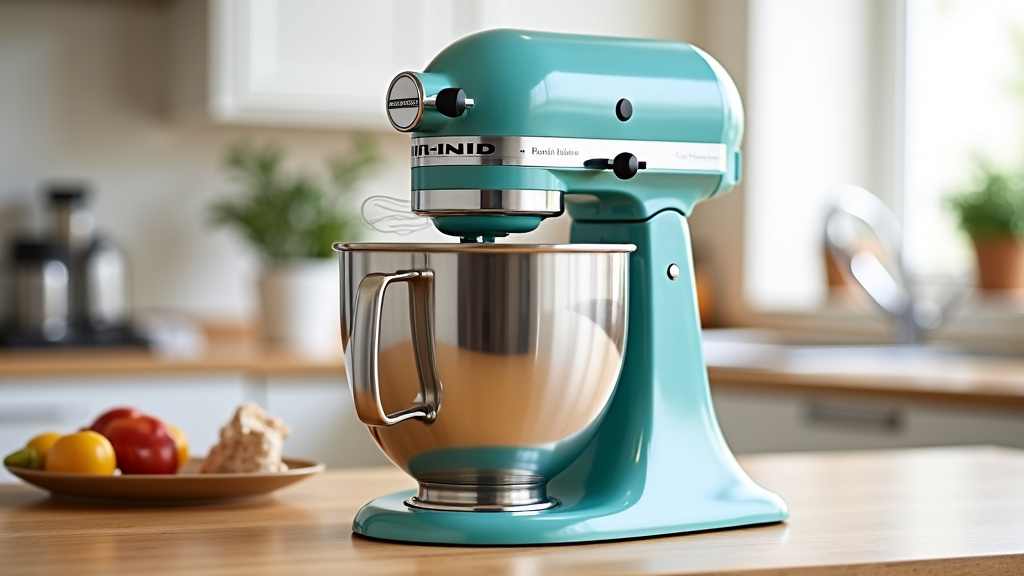
Preventative Measures for a Stable Mixer Bowl
Once you’ve fixed the spinning bowl, you’ll want to keep it that way! A few simple habits can extend the life of your mixer’s locking mechanism. Think of it as routine maintenance for your kitchen workhorse.
Preventing issues is always easier than fixing them. We’ve compiled some straightforward tips to keep your stand mixer bowl securely in place for years to come.
Gentle Handling and Storage
Treat your mixer bowl with care. Avoid dropping it or forcing it onto the mixer base. Repeated impact can damage those crucial locking lugs. Store it safely where it won’t get banged around. Many experts say that proper handling extends appliance life (Consumer Reports).
When cleaning, use soft cloths and avoid abrasive scrubbers that could scratch or wear down the locking points. A little kindness goes a long way.
Regular Cleaning of the Mixer Base
Make it a habit to wipe down the mixer base after every use, especially around the bowl seating area. Bits of dough, batter, or frosting can become surprisingly stubborn once dry. A quick wipe prevents buildup that can interfere with the bowl’s lock.
Use a damp cloth, then dry it thoroughly. This simple step can prevent many future headaches and ensure a clean connection point for your bowl.
Periodic Inspection of Parts
Every few months, take a minute to visually inspect your mixer bowl and base. Are the bowl’s lugs looking good? Is the mixer’s spring plate still bouncy? Catching small issues early can prevent them from becoming bigger problems down the line.
This quick check is like a regular tune-up for your car. It helps you stay ahead of potential issues and keeps your mixer performing its best, without any unexpected spinning surprises.
Conclusion
You now have the tools to tackle that annoying spinning mixer bowl. We’ve walked through everything from simply reseating the bowl to identifying worn parts. Remember, most issues stem from a simple lack of engagement or a bit of wear over time. By understanding your mixer’s mechanics, you can quickly diagnose and fix the problem.
Don’t let a wobbly bowl derail your baking plans. Take these steps, give your mixer a little attention, and you’ll be back to mixing perfectly blended recipes in no time. Your stand mixer is a workhorse; with a little care, it will serve you well for years. With your mixer working correctly, you’ll be able to make cookies and other delicious treats with ease.
Frequently Asked Questions
Why does my stand mixer bowl lift up when mixing?
If your bowl lifts while mixing, it’s often due to a weak spring or improper locking. The spring in the mixer base is designed to push the bowl firmly into its locked position. If it’s worn or damaged, the bowl may lose tension and lift during heavy-duty mixing.
Can a dirty mixer base cause the bowl to spin?
Yes, absolutely! Dried batter, flour, or other food debris can accumulate in the grooves or locking mechanisms of your mixer’s base. This buildup prevents the bowl from seating correctly and engaging its lock, leading to it spinning freely.
How often should I inspect my stand mixer’s locking mechanism?
We recommend a quick visual inspection every few months, or if you notice any changes in how the bowl seats. Pay attention to the locking lugs on the bowl and the grooves and spring plate on the mixer base. Early detection of wear can prevent bigger problems.
Is it safe to continue using a stand mixer if the bowl keeps spinning?
While an intermittently spinning bowl might not be immediately dangerous, it’s definitely not ideal. It can lead to messy spills, uneven mixing, and potential damage to your mixer or bowl over time. We advise fixing the issue before continued use.
Where can I find replacement parts for my stand mixer’s bowl or base?
Most stand mixer manufacturers offer replacement parts directly through their websites or authorized dealers. You’ll need your mixer’s model number, usually found on a sticker underneath the base. Check online retailers and appliance parts stores as well.
