
Is a Bigger Stand Mixer Better?
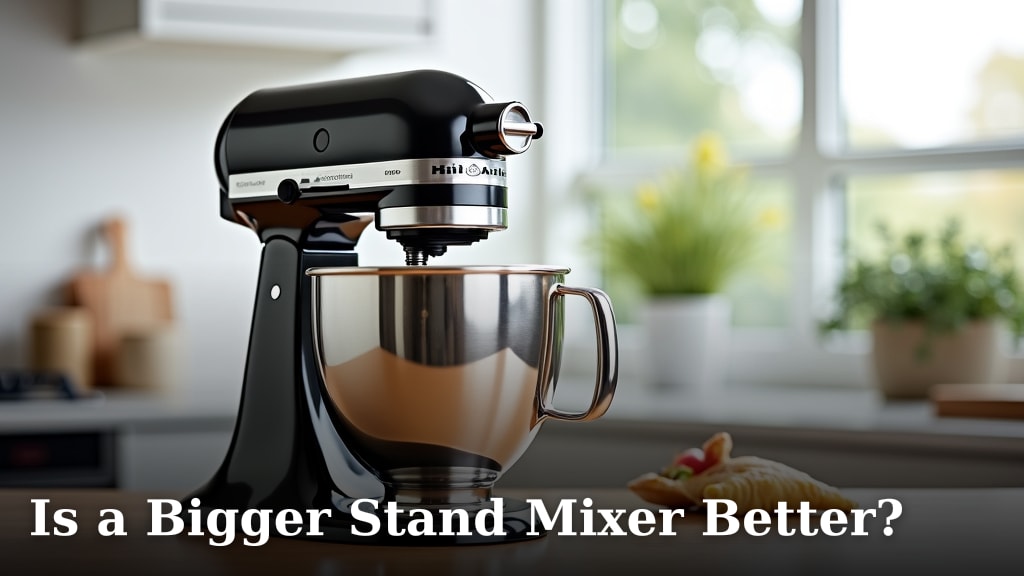
So, is a bigger stand mixer always better? Our guide to the right size stand mixer can help you decide.Generally, yes, a larger stand mixer offers more power and capacity, which can be a huge advantage for bakers who tackle big batches. You’ll find they often have stronger motors and larger bowls, making them ideal for heavy doughs and multiple recipes at once. Think of it as giving your mixer a bit more room to breathe and work its magic without struggling.
When you’re choosing a stand mixer, size matters, but it’s not the only thing. A bigger mixer can mean a larger footprint on your counter and a heavier machine to move around. We’ve found that while more capacity is great, you also need to consider your specific baking habits. Do you frequently make triple batches of cookies, or are you usually making one cake at a time? Thinking about this helps you find the perfect balance of power and practicality.
TL;DR:
- Bigger mixers usually have more power and bowl space.
- They’re great for large batches and tough doughs.
- Consider counter space and weight.
- Match the size to your typical baking needs.
- Don’t forget motor strength is key.
Let’s dive into the details and help you figure out if a bigger stand mixer is the right choice for your kitchen.
“`htmlThinking About a Larger Stand Mixer? Here’s What to Know
When you’re staring at stand mixers online or in a store, bigger often catches your eye. You might wonder if a larger model is truly better for your kitchen. We’ve looked into this, and generally, a bigger stand mixer can offer distinct advantages, especially if you bake frequently or tackle demanding recipes. It’s not always about having the biggest one, but understanding what size means for your specific needs.
Understanding Stand Mixer Capacity and Motor Power
Bowl Size: More Room for Your Creations
Stand mixers come with bowls of different capacities, usually measured in quarts. A common small mixer might have a 4.5-quart bowl, while larger models can reach 7 quarts or even more. Why does this matter? A larger bowl means you can mix bigger batches at once. If you’re doubling cookie recipes or making a large batch of bread dough, a bigger bowl prevents overflow. You won’t have ingredients splattering everywhere. Many bakers find this capacity increase alone makes a larger mixer worthwhile.
Motor Strength: The Heart of the Mixer
Bigger mixers almost always come with more powerful motors. This is crucial for several reasons. A stronger motor can handle thick, heavy doughs, like sourdough or dense rye bread, without straining or overheating. We found that mixers with less powerful motors can struggle with these tougher tasks. They might slow down, make concerning noises, or even burn out over time. A more robust motor ensures consistent performance, even when working with heavy ingredients. This power is what gives you confidence in your mixer’s ability to perform.
Attachments and Versatility
Larger stand mixers often have a “power hub” where you can attach various accessories. These can turn your mixer into a pasta maker, a meat grinder, or even an ice cream maker. While smaller mixers can also have attachments, the more powerful motors in larger units are better suited to drive these accessories effectively. You can process more ingredients or work with tougher textures when your mixer has that extra muscle. This makes a bigger mixer a more versatile kitchen tool.
The Practical Considerations of a Bigger Mixer
Counter Space: Where Will It Live?
One of the biggest trade-offs with a larger stand mixer is its physical footprint. These machines are not small. They can take up a significant amount of precious counter space. Before you buy, measure your available counter area. Think about whether you plan to store it away after each use or keep it out. If you have a compact kitchen, a smaller, more streamlined model might be a better fit. We found that clearing adequate space is essential for practical use.
Weight and Portability: Can You Move It?
Larger mixers are also heavier. They are built with sturdy materials to support their powerful motors and larger components. If you plan to move your mixer frequently, say from a cabinet to the counter and back, the weight can become an issue. Many users find that a heavy mixer is best left on the counter. If you have mobility concerns or a smaller frame, consider how easy it will be to manage. Some models offer accessory handles or wheels to help with this, but the machine itself will still be substantial.
Noise Levels: A Quieter Kitchen?
While not always the case, larger, more powerful mixers can sometimes be noisier than their smaller counterparts. This is due to the stronger motors and the heavier-duty mechanics required to operate them. If you’re sensitive to noise or have housemates who are easily disturbed, this is something to consider. We found that looking at user reviews often provides good insight into the typical noise levels of different models.
Matching Mixer Size to Your Baking Habits
The Casual Baker: Less Is Often More
If you bake only occasionally, perhaps for birthdays or holidays, a smaller to medium-sized mixer is likely sufficient. You might whip up a cake batter or a batch of cookies once a month. For these tasks, a 4.5- to 5-quart mixer will probably serve you well. These are typically lighter, take up less space, and are more budget-friendly. You won’t be putting them under heavy strain, so their motor power will be adequate.
The Enthusiast: Finding the Sweet Spot
For those who bake a few times a month, perhaps making bread or multiple batches of cookies, a medium-sized mixer is often ideal. A 5.5- to 6-quart mixer offers a good balance. You get a bit more capacity and motor power without overwhelming your kitchen. This size is great for recipes that require a bit more kneading or larger quantities. You can handle most family-sized recipes with ease.
The Power User: When Bigger is Definitely Better
If you are a serious baker, someone who bakes multiple times a week, or regularly tackles large quantities and heavy doughs, then a larger stand mixer (7 quarts or more) is likely your best bet. These are designed for frequent use and demanding tasks. Think of caterers, avid bread bakers, or anyone who regularly makes big batches for events or a large family. The extra capacity and superior motor strength will make your baking life much easier. You’ll avoid overworking the motor and get consistently good results.
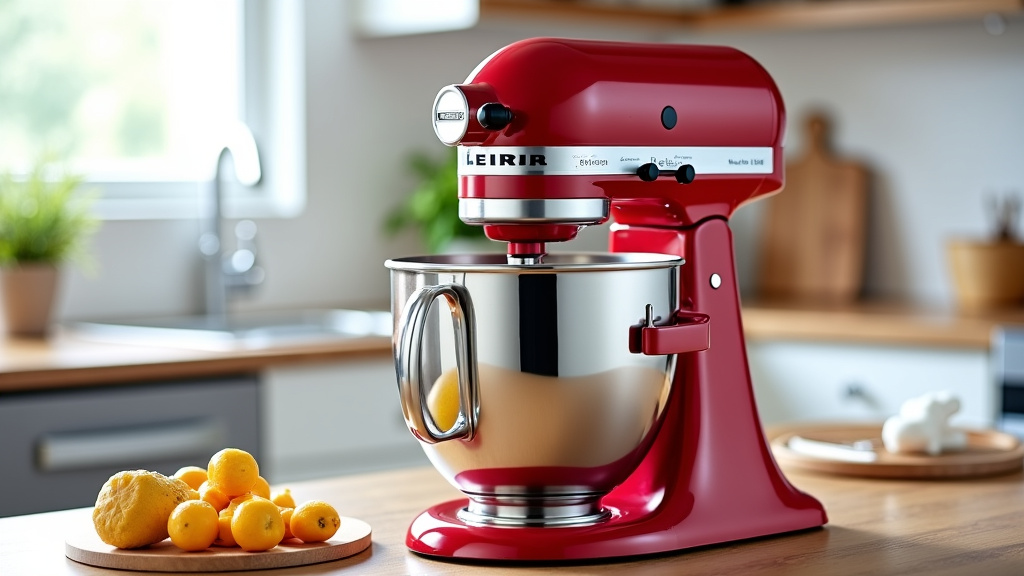
Key Features to Look For Regardless of Size
While size is a major factor, several other features contribute to a stand mixer’s performance and your satisfaction. You should always check for a sturdy construction, often with a full metal body. Look for planetary mixing action, which ensures thorough ingredient incorporation. Safety features like bowl locks and overload protection are also important. Many experts recommend prioritizing a quiet operation if possible, though this can be harder to find in larger models.
Quick Checklist: Is a Bigger Mixer Right for You?
- Do you bake large batches regularly?
- Do you often make dense bread doughs?
- Do you have ample counter space for a larger appliance?
- Can you easily lift or move a heavier mixer if needed?
- Does your budget accommodate a larger, potentially more expensive model?
- Do you plan to use attachments that require more power?
Conclusion
So, is a bigger stand mixer the right move for your kitchen? If you’re baking large batches, tackling heavy doughs regularly, or planning to use power-hungry attachments, a larger model often makes sense. It offers the capacity and motor power you’ll need without straining. However, don’t forget to weigh this against your counter space and how often you’ll actually need that extra muscle. For many home bakers, a medium-sized mixer hits that sweet spot, balancing capability with practicality. Your perfect mixer is one that fits your baking habits and your kitchen.
Frequently Asked Questions
Will a bigger stand mixer make my baking faster?
A bigger stand mixer can indirectly speed up your baking by allowing you to mix larger quantities at once. This means fewer batches to prepare. The more powerful motors in larger mixers can also handle ingredients more efficiently, potentially reducing mixing times for dense doughs.
Are bigger stand mixers more durable?
Generally, larger stand mixers are built with more robust materials and stronger motors designed for heavy-duty use. This often translates to greater durability, especially if you frequently mix stiff doughs or work with large quantities of ingredients. They are typically engineered to withstand more demanding tasks over time.
Can I still make small batches in a big stand mixer?
Yes, you can usually make small batches in a larger stand mixer. However, for very small amounts, ingredients might not reach the beaters properly due to the bowl size. You may need to scrape down the bowl more often or use a smaller accessory if one is available for your model.
What’s the biggest drawback of a larger stand mixer?
The most common drawback of a larger stand mixer is its substantial counter space requirement. These machines are physically bigger and heavier, making them less practical for kitchens with limited space or for those who prefer to store their appliances away after use.
How much more expensive are bigger stand mixers?
Bigger stand mixers tend to be more expensive than their smaller counterparts. The increased motor power, larger bowl capacity, and more robust construction all contribute to a higher price point. Expect to pay a premium for the enhanced performance and capacity.
