
What Is a Good Stand Mixer for Someone with Arthritis?

Finding the right stand mixer when you have arthritis can make all the difference in your kitchen. A good stand mixer for arthritis is one that requires minimal physical strain to operate and move. Look for models with easy-to-use controls and a lighter overall weight, or those with helpful features like a tilt-head design for easier bowl access.
We understand that arthritis can make everyday tasks challenging. That’s why we researched mixers designed with accessibility in mind. You want a machine that helps you bake and cook without causing discomfort or pain. Features like one-touch operation and a stable base are key to a positive experience.
- Look for lightweight models.
- Prioritize easy-to-manipulate controls.
- Consider a tilt-head design for better access.
- Stable bases prevent wobbling.
- Ensure it makes your baking enjoyable again.
Let’s walk through what makes a stand mixer arthritis-friendly and some top choices we found that fit the bill.
Choosing a Stand Mixer That’s Kind to Your Hands
When arthritis affects your hands, everyday kitchen tasks can become a real challenge. You might be looking for a stand mixer that makes baking and cooking easier. We researched models designed with comfort and ease of use in mind. Our goal is to help you find a mixer that doesn’t cause pain or strain.
Understanding Your Needs: What Makes a Mixer Arthritis-Friendly?
The best stand mixers for arthritis often share a few key features. They aim to reduce the physical effort required. This means less pushing, pulling, and twisting.
Weight Matters for Moving and Storing
A mixer’s weight can be a big deal. Lifting and moving a heavy appliance can be difficult. You might want to look for models that are lighter if you need to store it away. Some lighter models are around 15-20 pounds. Heavier ones can easily exceed 25 pounds. Check the product specifications for exact weights. Remember, a lighter mixer is easier to maneuver on your counter or into a cabinet.
Control Simplicity is Key
Complicated buttons or dials can be frustrating. You want controls that are easy to see and operate. Simple dials or a few straightforward buttons are often best. Some mixers have a lever to lift the head, which can be easier than a button. Others might have a button to release the bowl, reducing the need to twist.
Bowl and Attachment Access
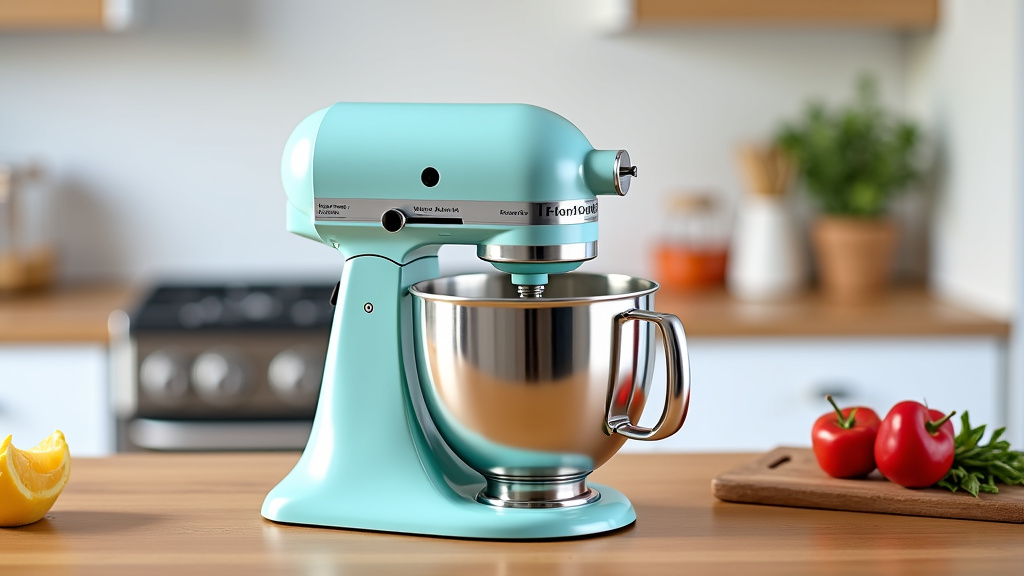
Getting the bowl in and out is important. A tilt-head design is often preferred. This means the mixer head tilts back, giving you clear access to the bowl. It makes adding ingredients and scraping down the sides much simpler. Some bowl designs also feature handles, making them easier to lift and carry even when full.
Stable Base for Less Wobble
A mixer that shakes or wobbles can be unsettling. A stable base is crucial. Look for mixers with non-slip feet. These help keep the mixer firmly in place on your countertop. This reduces the chance of it sliding around while in use. A sturdy base adds to your confidence and control.
Top Features to Look For in an Arthritis-Friendly Stand Mixer
When you’re shopping, keep these specific features at the top of your list. They can make a significant difference in your kitchen experience.
Ease of Assembly and Disassembly
Putting the mixer together or taking it apart for cleaning shouldn’t be a puzzle. Many modern mixers have snap-in attachments. These click into place easily without much force. Similarly, attachments that are dishwasher safe can save you a lot of scrubbing effort. Check reviews to see if users found assembly straightforward.
One-Touch or Simple Operation
Imagine a mixer that starts and stops with a simple press. That’s the goal. Look for mixers with intuitive controls. A simple speed dial or a clear on/off button is ideal. Some mixers even have timer functions you can set and forget. This reduces the need to constantly monitor the machine.
Ergonomic Handle Design
If you need to lift the mixer head or bowl, an ergonomic handle helps. It should be comfortable to grip. It should also provide a good amount of leverage. Some handles are smooth and rounded. Others have a textured grip for better control. This detail might seem small, but it can be a lifesaver.
Accessory Compatibility and Ease of Use
Think about the attachments you’ll use most. Are they easy to attach and detach? For example, a dough hook is often used for bread. If it requires a lot of force to insert, it might not be ideal. We found that mixers with tool-free attachment changes are generally the most user-friendly. Many experts suggest checking how easily beaters and whisks can be removed for cleaning (Cleveland Clinic).
Comparing Stand Mixer Types for Arthritis Sufferers
Stand mixers generally come in a few main types. Each has pros and cons when considering arthritis. We’ve broken them down to help you decide.
Tilt-Head vs. Bowl-Lift Models
The tilt-head design is often the winner for ease of access. The head simply lifts up and away from the bowl. This gives you ample room to work. Bowl-lift mixers have a mechanism that raises the bowl to the beater. While very stable, this might require more strength to operate the lever. For many with arthritis, the convenience of the tilt-head outweighs the extreme stability of bowl-lift models.
Motor Power and Speed Control Considerations
Don’t let a powerful motor fool you into thinking it’s automatically better. You want a mixer with adequate power for your needs, but also precise speed control. A mixer with too few speed options might force you to use a high speed when a lower one would suffice. This can lead to splattering and require more effort to manage. Look for mixers with a good range of speeds, from very slow to high.
Stand Mixer Weights: A Practical Comparison
Weight is a critical factor. Here’s a general idea of what you might expect. This can help you narrow down your choices before you even look at features.
| Mixer Type/Brand Example | Approximate Weight (lbs) | Ease of Moving |
|---|---|---|
| Compact/Lightweight Models | 15-20 | Good |
| Mid-Size Tilt-Head Models (e.g., some KitchenAid Artisan) | 20-25 | Manageable for most |
| Larger Bowl-Lift Models (e.g., KitchenAid Professional) | 25-30+ | Difficult for some |
| Other Brands (Cuisinart, Hamilton Beach) | Varies (check spec) | Varies widely |
Tips for Using Your Stand Mixer with Arthritis
Once you have your mixer, a few practices can make using it even easier. Think of these as ways to work smarter, not harder.
Positioning and Stability
Always place your mixer on a flat, stable surface. Make sure it’s near an outlet to avoid stretching cords. Ensure the non-slip feet are making good contact with the counter. This small step prevents a lot of potential frustration.
Pre-Measuring and Ingredient Prep
Measure out all your ingredients before you start. This means less fumbling while the mixer is running. Have everything ready in small bowls or containers. This preparation can save you a lot of time and physical effort. It also helps prevent spills.
Using the Right Attachments
For delicate tasks like whipping cream, a whisk attachment is your friend. For heavier doughs, a dough hook is essential. Make sure you’re using the right tool for the job. This helps the mixer work more efficiently. It also reduces strain on the motor and your own body.
Cleaning as You Go
Wipe down the bowl and attachments right after use. If parts are dishwasher safe, rinse them and put them in the dishwasher immediately. This prevents ingredients from drying and becoming harder to remove. A quick clean prevents a big chore later.
Quick Checklist for Your Arthritis-Friendly Mixer Search
Before you click “buy,” run through this quick checklist. Does the mixer you’re considering tick these boxes?
- Is the mixer under 25 pounds, or are you comfortable lifting it?
- Are the controls simple and easy to read?
- Does it have a tilt-head design for easy bowl access?
- Does it feature non-slip feet for stability?
- Are attachments easy to attach and remove?
- Are key parts dishwasher safe for easier cleaning?
Conclusion
You’ve learned that finding the right stand mixer when you have arthritis is about prioritizing ease and reducing strain. Remember to focus on lightweight models, simple controls, and designs that offer easy bowl and attachment access, like the tilt-head style. A stable base and tool-free attachment changes also make a big difference. Don’t let arthritis keep you from enjoying baking. Take the checklist and your newfound knowledge to find a mixer that truly works for you.
Frequently Asked Questions
Are all stand mixers too heavy for someone with arthritis?
No, not all stand mixers are too heavy. While some larger, professional models can weigh over 25 pounds, many popular mid-size and compact options fall within a more manageable 15-25 pound range. Always check the product’s listed weight before purchasing.
Can a stand mixer with a bowl-lift design be good for arthritis?
Bowl-lift mixers offer excellent stability, but their lifting mechanism might require more physical effort than a tilt-head design. If you can comfortably operate the lever to raise and lower the bowl, it might be a good option. However, for many, the ease of a tilt-head design is preferred.
Are smart features on stand mixers helpful for arthritis?
Smart features like pre-set programs or timers can be helpful. They allow you to set the mixer and walk away, reducing the need for constant monitoring or manual adjustments. Look for features that simplify the process rather than add complexity.
What is the easiest way to clean a stand mixer with arthritis?
The easiest way is to choose a mixer where the bowl and attachments are dishwasher safe. This eliminates the need for scrubbing. Wipe down the exterior of the mixer with a damp cloth after unplugging it. Cleaning as you go also prevents dried-on batter.
Where can I find information on the weight of a specific stand mixer model?
You can typically find the weight listed in the product specifications section on the manufacturer’s website or on the online retailer’s page. It’s often found under “Dimensions & Weight” or “Product Details.”
