What Is the Best Material for a Stand Mixer Bowl?
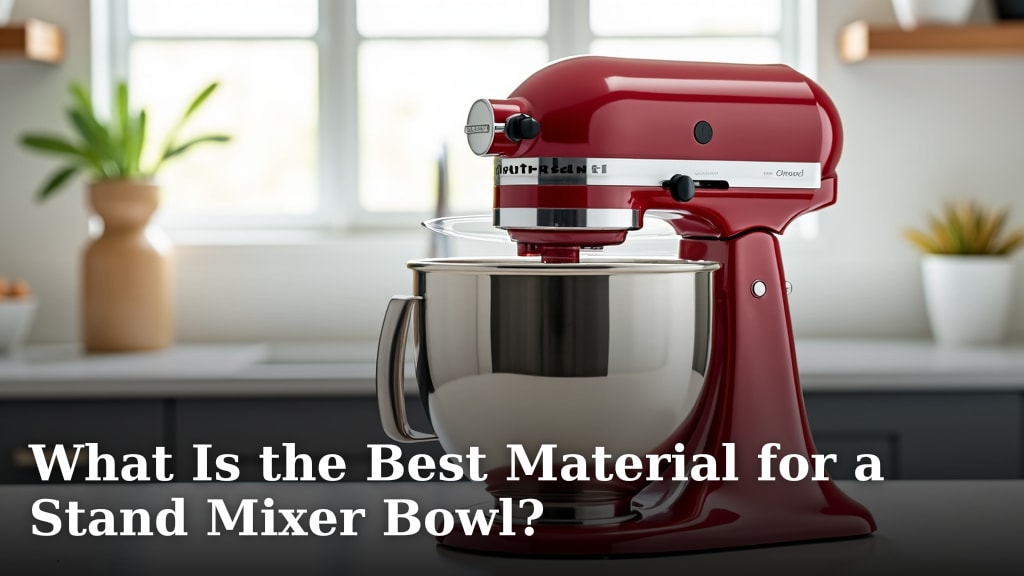
The Best Material for Your Stand Mixer Bowl
The **best material for your stand mixer bowl** depends on your cooking style and priorities. We found that **stainless steel** is the top choice for most bakers, with **glass** being a great secondary option for specific tasks. Your ideal bowl strikes a balance between **durability**, **ease of cleaning**, and **how well it handles temperature**.
Understanding the Main Bowl Materials
When you unbox a new stand mixer, the bowl is more than just a container. It’s the stage for your culinary creations. The material directly affects how your ingredients mix, how easy cleanup is, and how long the bowl lasts. Most manufacturers offer bowls in three primary materials, each with its own personality.
Stainless Steel: The All-Around Champion
This is the classic, and for good reason. **Stainless steel** bowls are the workhorses of both home and commercial kitchens. They’re incredibly tough, resist dents and scratches, and rarely stain. If you’re serious about baking, this is likely the material you’ll use most.
Why Stainless Steel Often Wins
- Durability: It can withstand heavy mixing of stiff doughs without flexing or cracking.
- Cold Retention: It chills down nicely in the fridge, which is perfect for whipping cream or making butter.
- Non-Reactive: It won’t react with acidic ingredients like lemon juice or tomatoes, so flavors stay pure.
- Lightweight: Compared to glass, it’s much easier to handle, especially when full of batter.
Glass: The See-Through Specialist
Glass bowls offer a clear view of the mixing process from all angles. You can see if pockets of flour are hiding at the bottom or check the color change of whipped egg whites without stopping the mixer. They often come with a helpful pour spout, too.
The Best Uses for a Glass Bowl
- Visual Mixing: Ideal for recipes where seeing the texture change is key, like meringues or ganache.
- Storage: Many glass bowls come with lids, making it easy to mix and then refrigerate dough directly.
- Aesthetic Appeal: They look great and can double as a serving bowl for salads or dips at the table.
Plastic: The Lightweight Budget Option
Key Limitations of Plastic
- Scratching: It scratches easily, which can harbor bacteria and stains over time.
- Static Cling: Dry ingredients like flour tend to stick to the sides more.
- Odor Absorption: Strong-smelling foods like garlic can linger in the plastic.
Direct Comparison: Glass vs. Stainless Steel
This is the main showdown for most home bakers. We found that your choice often comes down to a trade-off between visibility and ruggedness. The following table breaks down how they stack up in everyday use.
| Feature | Stainless Steel | Glass |
|---|---|---|
| Durability | Excellent; resistant to chips and cracks | Good; but can break if dropped |
| Weight | Lighter and easier to handle | Heavier; can strain wrists when full |
| Visibility | Opaque; you can’t see through it | Transparent; monitor mixing easily |
| Temperature | Chills quickly; ideal for cold whipping | Can be warmed; good for tempering |
| Cleaning | Dishwasher safe; rarely stains | Dishwasher safe; may stain from tomatoes |
| Noise | Can be louder with certain attachments | Generally quieter during mixing |
Material Properties and Your Recipes
The science behind the material can influence your baking results. Understanding these properties helps you choose the right bowl for the task at hand, making your time in the kitchen more efficient.
Temperature Control is Key
Certain recipes demand precise temperature control. For example, many pastry recipes require cold butter and chilled cream. A **stainless steel bowl** placed in the refrigerator for 10-15 minutes gets very cold, helping to whip cream faster and with more volume.
Acidity and Reactivity
You might not think about chemistry while baking, but it matters. Reactive materials can alter the taste and appearance of your food. This is why experts recommend non-reactive surfaces when working with acidic ingredients. According to the USDA Food Safety and Inspection Service, using proper cookware prevents metallic tastes and discoloration.
Which Bowl Should You Choose? A Practical Guide
Think about what you actually bake. Are you a bread baker kneading tough doughs? A pastry chef making delicate creams? Or someone who does a bit of everything? Your habits should guide your decision.
For the Bread Baker
If you regularly make pizza dough or heavy breads, **stainless steel is your only logical choice**. Glass could crack under the strain of a dense dough hook, and plastic would flex and scratch immediately.
For the Pastry Chef
If your work involves a lot of whipping, a **chilled stainless steel bowl** is unbeatable. However, if you’re constantly making meringues and need to watch the peaks, a **glass bowl** provides excellent visual feedback. You might even consider owning both.
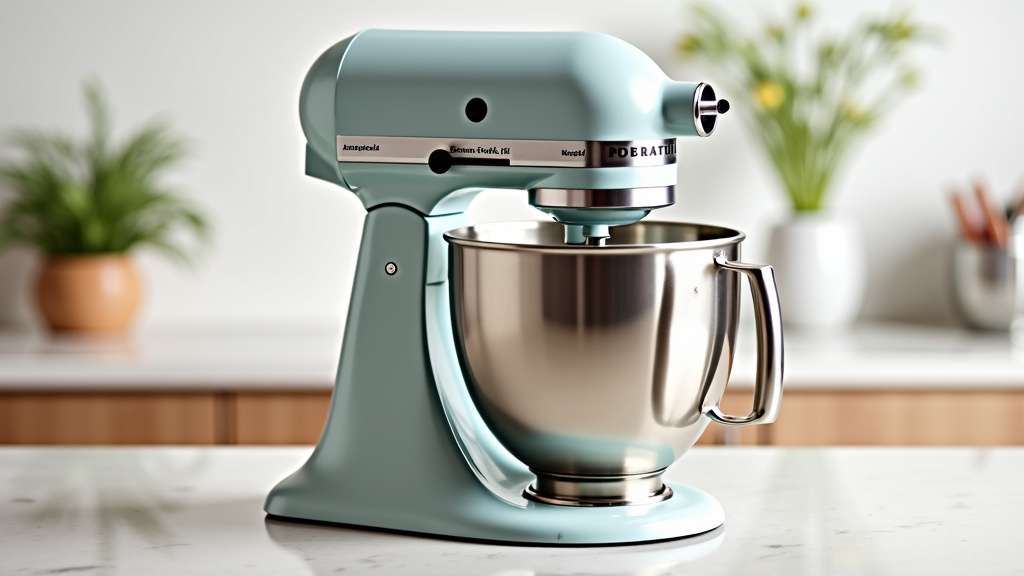
The Versatility of Owning Multiple Bowls
Many experienced bakers own more than one bowl. This isn’t just for convenience—it’s a serious efficiency upgrade. Having a second bowl allows you to whip egg whites while creaming butter in the main bowl, or to prepare a glaze while the main bowl is occupied with batter.
Final Checklist: Choosing Your Perfect Bowl
Use this quick checklist to match a bowl material to your needs. Consider these points before you buy or the next time you reach for a specific bowl from the cupboard.
- Prioritize Durability: If you hate replacements and beat heavy doughs, choose **stainless steel**.
- Need Visual Clarity: If you want to watch every stage of mixing, opt for **glass**.
- Value Lightweight Handling: If wrist or arm strain is a concern, the lighter **stainless steel** is better than glass.
- Cook with Acids: If you frequently add citrus or vinegar to mixes, a non-reactive material is a must.
- Work with Temperature: For cold whipping, select a material that chills well. For warm tasks, ensure it’s safe.
- Consider Storage: Do you need to mix and store? Look for a bowl with a compatible lid.
Conclusion
Choosing the right stand mixer bowl is a personal decision that impacts your daily baking. Our research found **stainless steel** is the best all-around choice for most home bakers due to its durability, temperature performance, and non-reactive nature. **Glass** excels for tasks where you need to see texture changes clearly. While plastic is budget-friendly, it quickly shows wear. The best strategy? **Assess your most frequent recipes.** For heavy-duty mixing, stainless steel is essential. If you love delicate meringues, the visibility of glass is a huge plus. Consider owning one of each to cover every culinary scenario.
Frequently Asked Questions
Can I use a glass bowl for kneading bread dough?
It is strongly not recommended. While a quality glass bowl can handle light mixing, the intense pressure and torque from kneading stiff dough could cause it to crack. For safety and longevity, always use a **stainless steel bowl** for heavy bread or pizza doughs.
Are stainless steel bowls truly non-reactive?
Yes, high-quality kitchen-grade stainless steel is considered non-reactive for cooking. It won’t impart a metallic taste or react with acidic ingredients like citrus, tomatoes, or vinegar. This makes it the safest choice for maintaining pure flavors in your recipes.
How do I prevent scratches on my plastic mixer bowl?
Scratches on plastic are nearly impossible to prevent with regular use. To minimize them, avoid using metal utensils for scraping and hand-wash the bowl instead of using a dishwasher. Scratches can harbor bacteria and stains, so consider a **stainless steel upgrade** if your plastic bowl is heavily worn.
Do different mixer brands use the same bowl materials?
Yes, the core materials—stainless steel, glass, and plastic—are universal. However, **bowl shapes and attachment mechanisms are brand-specific**. A KitchenAid bowl will not lock into a Cuisinart mixer. Always check for compatibility if purchasing a bowl from a different brand.
Which material is best if I have limited storage space?
A **stainless steel bowl** is often the most practical choice for small kitchens. They nest efficiently, are generally lighter, and won’t shatter if accidentally knocked over in a crowded cupboard. Many also don’t require bulky lids, saving additional space.
