
What Is the Difference Between a Tilt Head and Bowl Lift Mixer?
Tilt Head vs. Bowl Lift Mixers: A Clear Breakdown
These two mixer designs solve the same problem—mixing ingredients—but in very different ways. A tilt head mixer has a top that tilts back to access the bowl. A bowl lift mixer keeps the head fixed and raises the bowl to meet the beater. The right choice depends on your kitchen space, the kinds of recipes you make, and how often you bake.
How a Tilt Head Mixer Works
Think of a tilt head mixer like a reliable sedan. It’s easy to drive, fits in standard garages, and gets you where you need to go. The entire top part of the mixer—where the motor and beater are—hinges backward. This gives you clear access to the bowl.
You’ll find this design is very common in home kitchens. It’s user-friendly and straightforward. The head lifts up, you pour in flour or scrape down the sides, and then you lower it back down. It’s a simple, no-fuss motion.
The Basic Mechanics
Inside, a motor drives the attachments through a series of gears. The bowl is usually held in place with a twist-lock mechanism. When you tilt the head back, it often has a locking hinge to keep it steady. This design keeps the mixer’s footprint relatively small on your counter.
Many experts say this simplicity is its biggest advantage for beginners. You don’t have to learn a new lifting mechanism. It’s intuitive from the first use.
Ideal Uses for Tilt Head Models
Tilt head mixers excel with light to medium tasks. Think about whipping cream, making cookie dough, or mixing cake batter. They handle these jobs very well. Their motor is usually strong enough for home baking projects.
They’re also perfect for smaller kitchens. If counter space is limited, a tilt head model takes up less room. You can store it in a cabinet more easily. It’s the practical choice for the everyday baker.
How a Bowl Lift Mixer Works
A bowl lift mixer is more like a sturdy truck. It’s built for heavy-duty work and can handle tough loads. The motor head stays in place. Instead, the bowl is attached to two arms. You use a lever or a crank to raise the bowl up into the mixing position.
This mechanism is common in professional-grade and stand mixers meant for serious bakers. It’s designed to stay stable even when mixing thick, heavy doughs. The fixed head doesn’t move, so there’s no wobble during intense mixing.
The Lift Mechanism Explained
The bowl sits in a cradle. When you turn the lever, the arms lift the bowl upwards. This brings the contents closer to the beater. Some models have a smooth, smooth lifting action, while others have a click-stop system to secure the bowl at different heights.
Because the head is fixed, the motor can be more powerful. This design allows for a stronger motor without the instability of a tilting head. It’s built for consistency under pressure.
Best Suited for Larger Batches
If you regularly make large batches of bread, pizza dough, or stiff pastry, a bowl lift mixer shines. It can handle denser mixtures without straining. The stability means the bowl won’t shift, even with a tough dough.
Many professionals and avid bakers prefer this design for its power and reliability. We found that it’s especially good for recipes that require a lot of kneading. The motor doesn’t have to work as hard.
Performance Differences You’ll Notice
When you’re deciding between these two, performance matters. It’s not just about looks. How they mix, how they feel, and how they fit into your routine are key. Let’s break down the main areas where they differ.
Power and Motor Strength
Bowl lift mixers often have more powerful motors. They’re built for heavy-duty mixing. This means they can handle thick bread dough without slowing down. A tilt head mixer’s motor is usually sufficient for most home recipes, but it might struggle with very dense doughs.
According to kitchen appliance reviews, a bowl lift model’s motor can be 1.5 to 2 times more powerful in the higher-end models. This translates to better performance with tough ingredients like bagel dough or stiff cookie dough.
If you make bread often, the extra power can be a big deal. It means less strain on the motor and more consistent results. You won’t have to stop and start the mixer to scrape down the sides as often.
Capacity and Bowl Size
Bowl lift mixers typically come with larger bowls. They can handle more volume. This is great for doubling recipes or making big batches of cookies. The lift mechanism allows for a bigger bowl without making the mixer too tall.
Tilt head mixers usually have smaller bowls, around 4-5 quarts. Bowl lift models often start at 5 quarts and go up to 8 quarts or more. If you’re feeding a crowd or baking for events, the extra capacity is helpful.
But remember, a larger bowl means a larger footprint. Bowl lift mixers take up more counter space. You’ll need to plan where it goes in your kitchen.
Ease of Use and Accessibility
Tilt head mixers are generally easier to use. The tilt mechanism is simple and requires less effort. You can quickly add ingredients and scrape the bowl. For someone with limited strength or mobility, this can be a big plus.
Bowl lift mixers require you to use a lever or crank. This can be a bit more work, especially if you have arthritis or weak hands. The bowl is heavier when lifted, and you have to secure it properly.
However, many bowl lift models have smooth, easy-to-operate levers. They’re designed to be user-friendly. Once you get used to it, it becomes second nature. It’s a trade-off between ease and power.
Comparing Tilt Head and Bowl Lift Mixers Side-by-Side
A quick comparison table can help you see the differences at a glance. This is especially useful when you’re shopping or trying to decide.
| Feature | Tilt Head Mixer | Bowl Lift Mixer |
|---|---|---|
Design
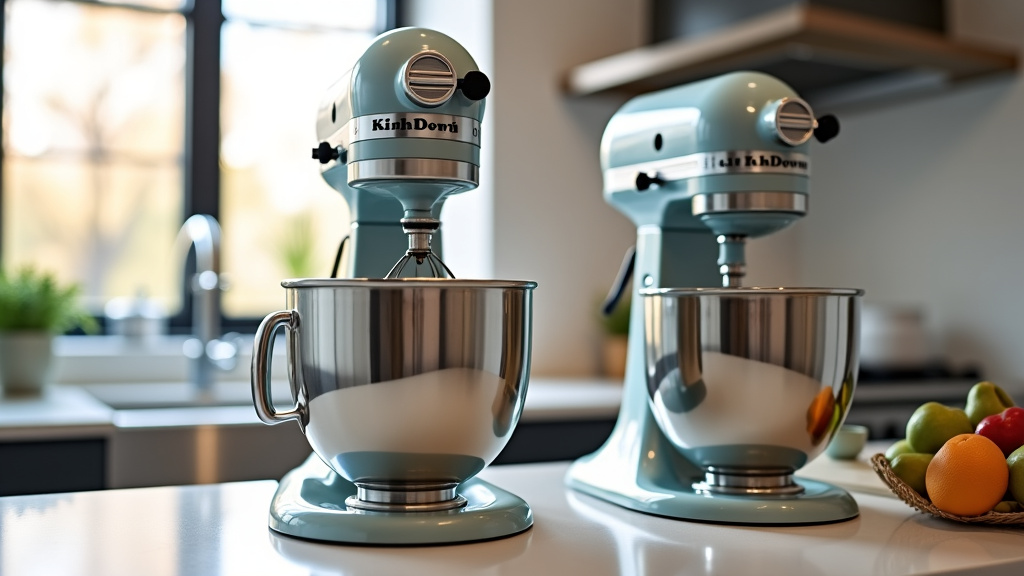 ConclusionChoosing between a tilt head and a bowl lift mixer comes down to your personal baking style and kitchen setup. A tilt head mixer offers convenience and easy access, making it ideal for everyday recipes and smaller spaces. A bowl lift mixer provides more power and capacity, perfect for large batches and heavy doughs. We recommend you think about your most frequent recipes and available counter space before deciding. This simple assessment will help you pick the right tool for your baking needs. Frequently Asked QuestionsCan a tilt head mixer handle pizza dough?Yes, it can handle smaller batches of pizza dough effectively. For large or very stiff doughs, a bowl lift mixer might be a better choice due to its stronger motor. Always check your mixer’s manual for specific recipe limits. Are bowl lift mixers more expensive?Generally, yes. Bowl lift models often cost more because they are built with more powerful motors and larger capacities. However, you can find budget-friendly options in both categories depending on the brand. Which mixer is easier to store in a cabinet?A tilt head mixer is usually easier to store. Its compact design and lower height fit better in standard cabinets. Bowl lift mixers are taller and bulkier, often requiring dedicated counter space. Do both mixers come with the same attachments?Not necessarily. Common attachments like dough hooks and beaters may vary in size or fit between models. Always verify compatibility with your specific mixer type before purchasing extra accessories. How do I know if my motor is powerful enough?Consider the recipes you make most often. If you frequently mix thick doughs or large quantities, look for a higher wattage motor. Tilt head mixers typically have sufficient power for standard baking tasks. |
