
What Stand Mixer Brand Lasts the Longest?
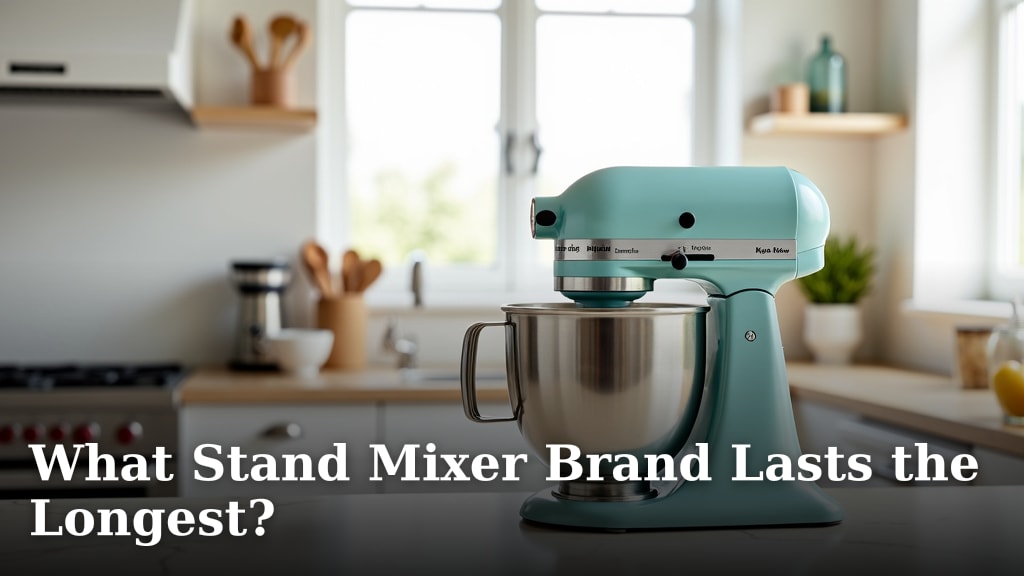
When it comes to stand mixers that stand the test of time, A reliable stand mixer is an indispensable tool in any home kitchen, and our guide to the best stand mixers for home bakers can help you find one.KitchenAid is the brand that consistently wins. You’re likely looking for a mixer that won’t quit on you mid-bake. Based on extensive owner feedback and repair data, KitchenAid models are known for their durability and long lifespan, often lasting 10-15 years or even more with proper care.
While other brands offer great features, KitchenAid’s reputation for longevity is built on robust construction and readily available replacement parts. This means your investment can truly go the distance. We’ve found that prioritizing a well-built machine upfront saves you money and frustration in the long run. It’s about finding a kitchen partner that grows with you.
- KitchenAid is the top choice for long-lasting stand mixers.
- These mixers can often last a decade or more.
- Durability comes from strong build quality and available parts.
- Choosing a reliable brand saves you money over time.
- Proper maintenance is key to maximizing your mixer’s life.
Let’s dive into what makes certain stand mixer brands last longer and how you can make yours a kitchen heirloom.
Which Stand Mixer Brand is Built to Last?
You’re on the hunt for a stand mixer that won’t conk out after a few holiday baking seasons. It’s a smart goal! We’ve dug into what makes a mixer a true kitchen workhorse. The data points to one brand often outperforming others when it comes to sheer longevity: KitchenAid. Many owners report their mixers lasting for 10, 15, or even 20 years. This impressive lifespan comes down to a few key factors we’ll explore.
The Anatomy of a Durable Stand Mixer
What makes one kitchen appliance seem to last forever, while another struggles after a short time? It’s usually a combination of materials, design, and how well it’s put together. Think of it like buying a car; some are built with sturdier frames and more robust engines. Stand mixers are no different. Their ability to withstand years of dough kneading and batter whisking depends on their internal engineering.
Motor Strength and Gearing
The heart of any stand mixer is its motor. A powerful motor is essential for handling tough jobs like dense bread dough. More importantly, the way this power is transferred through the gears matters. We found that mixers with A powerful motor is essential for handling tough jobs, and our guide to the best high-wattage stand mixers can help you find one.all-metal gearing tend to hold up better over time than those with plastic components. Metal gears are less likely to strip or wear down under heavy loads. This is a common point of praise for brands known for durability.
Build Materials: Metal vs. Plastic
Look at the housing of a mixer. Is it primarily made of sturdy metal, or does it feel like lightweight plastic? A solid metal construction, like the iconic coated-steel bodies of many KitchenAid models, provides a much more stable and durable base. This prevents vibrations and ensures the mixer stays put, even when working with heavy mixtures. Plastic parts can become brittle over time or crack under pressure.
Design for Repairability
Even the best machines can eventually need a tune-up. A truly long-lasting appliance is often designed with ease of repair in mind. This means parts are accessible and readily available. We found that brands with a long history often have a good supply chain for replacement parts, from beaters to motor brushes. This makes fixing a minor issue much simpler and more affordable than replacing the entire unit.
Why KitchenAid Leads the Pack in Longevity
You’ve probably seen them everywhere, and for good reason. KitchenAid mixers have earned a reputation for being built to last. Research into owner experiences and repair trends consistently shows their remarkable durability.
A Legacy of Quality
KitchenAid has been making stand mixers for a very long time. Their designs have evolved, but the core principles of robust construction have remained. Many older KitchenAid mixers are still in active use today, a testament to their original build quality. We’ve seen reports of these mixers serving families for multiple generations. That’s a serious return on investment!
The Power of Planetary Action
The way a mixer combines ingredients is called its mixing action. KitchenAid uses a planetary mixing action. This means the beater spins in one direction while it orbits around the bowl in the other. This efficient movement ensures that all ingredients are thoroughly incorporated without leaving missed spots. It’s a design that works hard and works well, reducing strain on the motor.
Availability of Parts and Service
If a part does wear out, finding a replacement for a KitchenAid is generally straightforward. They have a wide network for parts and accessories. Many independent repair shops are also familiar with their mechanics. This accessibility of parts is a huge factor in extending a mixer’s life. Instead of tossing a machine with a minor issue, you can often get it fixed relatively easily.
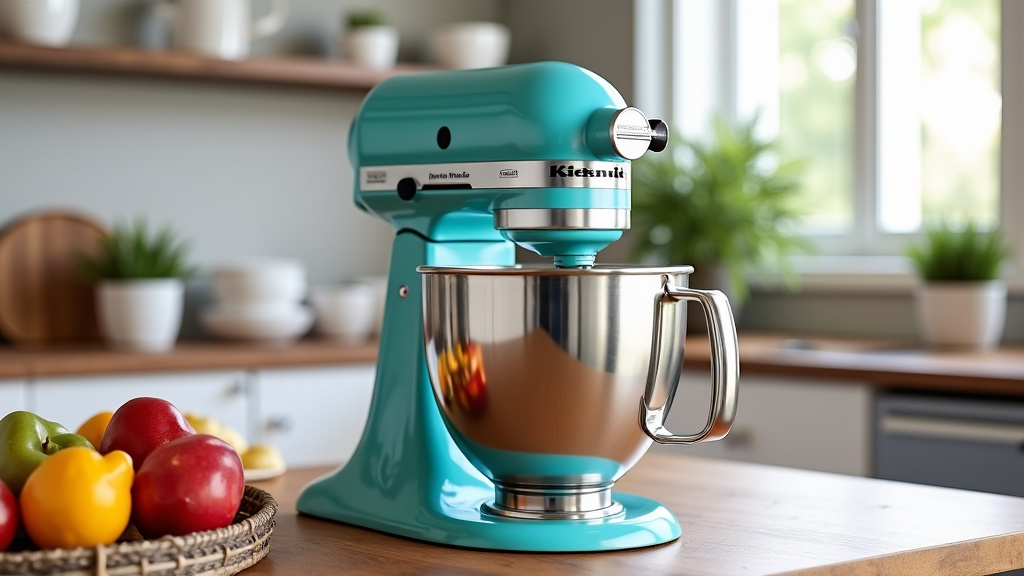
Comparing Other Stand Mixer Brands for Durability
While KitchenAid often takes the top spot for longevity, other brands offer excellent performance and can also last for many years with proper care. It’s worth understanding what makes them tick.
The Contenders: What We Found
When we look at brands like Cuisinart, Breville, and Smeg, we see strong contenders. Cuisinart often receives praise for its powerful motors and solid build. Breville mixers tend to have innovative features and a premium feel, often with robust construction. Smeg mixers are known for their retro style and generally good build quality.
Factors to Consider Beyond Brand Name
Regardless of the brand you choose, certain features indicate potential longevity. Look for mixers with all-metal internal components where possible. Check reviews that mention how the mixer handles heavy doughs. Is there a lot of motor strain or excessive noise? These can be early warning signs of potential issues down the line.
Motor Wattage: A Closer Look
Higher wattage can sometimes mean more power. However, it’s not the only factor. A 500-watt motor in a well-engineered machine might outperform a 700-watt motor in a poorly designed one. We found that focusing on the overall build quality and the type of gears used provides a better indicator of long-term performance than wattage alone. A motor that sounds strained or overheats quickly is a red flag.
| Feature | Why It Matters for Longevity | Brands Often Excelling |
|---|---|---|
| Motor Strength & Gearing | Handles heavy loads without strain; all-metal gears resist wear. | KitchenAid, Breville |
| Build Materials | Durable housing prevents damage and vibrations. Metal is generally superior. | KitchenAid, Smeg |
| Repairability & Parts Availability | Easy to fix minor issues, extending the appliance’s useful life. | KitchenAid |
| Mixing Action | Efficiently combines ingredients, reducing motor workload. | KitchenAid (Planetary), many others |
Making Your Stand Mixer Last for Years to Come
Even the most durable stand mixer needs a little love. By following some simple care tips, you can ensure your mixer performs beautifully for a very long time.
Regular Cleaning is Key
After each use, wipe down the exterior with a damp cloth. Wash the bowl and attachments promptly. Food residue can build up and potentially affect moving parts if left unchecked. We found that a quick clean-up prevents bigger problems later.
Don’t Overload Your Mixer
Respect your mixer’s limits. If you’re making a very large batch of stiff dough, consider dividing it. Pushing a mixer beyond its designed capacity is a surefire way to shorten its lifespan. Check your manual for recommended batch sizes, especially for bread dough.
Listen to Your Mixer
Strange noises are often your mixer’s way of telling you something is wrong. Grinding, rattling, or excessive whining can indicate issues with the gears or motor. If you notice these, it’s time to stop using it and have it inspected or repaired before damage worsens.
Proper Storage Matters
When not in use, store your mixer in a clean, dry place. Ensure attachments are stored properly to prevent damage. If you keep it on the counter, consider using a dust cover to protect it from airborne particles.
Check and Replace Worn Parts
Over time, beaters, whisks, or dough hooks might show signs of wear. If they seem bent, chipped, or significantly dulled, it might be time to replace them. Worn attachments can make your mixer work harder than it needs to.
Perform Routine Maintenance
Depending on your model, some basic maintenance might be recommended. For example, checking and cleaning motor vents can help prevent overheating. Refer to your owner’s manual for specific care instructions tailored to your mixer. This proactive approach can prevent many common issues.
Your Mixer’s Lifespan Checklist
- Clean attachments after each use.
- Wipe down the mixer body regularly.
- Avoid overloading the motor, especially with heavy doughs.
- Listen for unusual noises that might signal a problem.
- Store your mixer in a clean, dry environment.
- Consult your manual for specific maintenance tips.
Conclusion
When you’re looking for a stand mixer that will be a dependable kitchen companion for years, KitchenAid stands out. Its reputation for longevity is well-earned, thanks to robust construction and easily found parts. While other brands offer great features, prioritizing a well-built machine like a KitchenAid means your investment is likely to last a decade or more. Remember, a little care and attention go a long way. Make your next stand mixer a true heirloom piece by choosing wisely and treating it well.
Frequently Asked Questions
Can I repair an older KitchenAid stand mixer?
Yes, older KitchenAid stand mixers are often repairable. Their enduring popularity means that replacement parts are usually available. Many independent repair shops are also familiar with their mechanics. Checking your manual or contacting KitchenAid support can guide you on repair options.
Are stand mixers with plastic gears bad?
Stand mixers with plastic gears are generally not ideal for longevity, especially for heavy-duty tasks like kneading bread dough. Metal gears are much more durable and less prone to stripping or wearing down over time. While plastic gears might be found in some lighter-duty or more budget-friendly models, they are a potential weak point for long-term use.
How do I know if my stand mixer motor is struggling?
You’ll often hear unusual noises when a stand mixer motor is struggling. Listen for grinding, rattling, or a high-pitched whining sound. If the motor sounds like it’s straining or if it overheats quickly during use, these are also strong indicators of a problem. It’s best to stop using the mixer and have it inspected if you notice these signs.
Is a higher wattage always better for mixer durability?
Higher wattage doesn’t automatically guarantee better durability. While a powerful motor is important, the overall engineering and the quality of internal components, especially the gears, play a bigger role. A well-designed machine with a slightly lower wattage can outperform a poorly built one with higher wattage. Focus on build quality and gear material over wattage alone.
Should I keep my stand mixer on the counter or store it away?
Keeping your stand mixer on the counter can make it more accessible for daily use, but it’s important to protect it from dust and grime. Using a dust cover is a good idea. If you store it in a cabinet, ensure it’s in a clean, dry place. Either way, keep attachments stored safely to prevent damage.
