
What Wattage Stand Mixer Do I Need for Bread Dough?
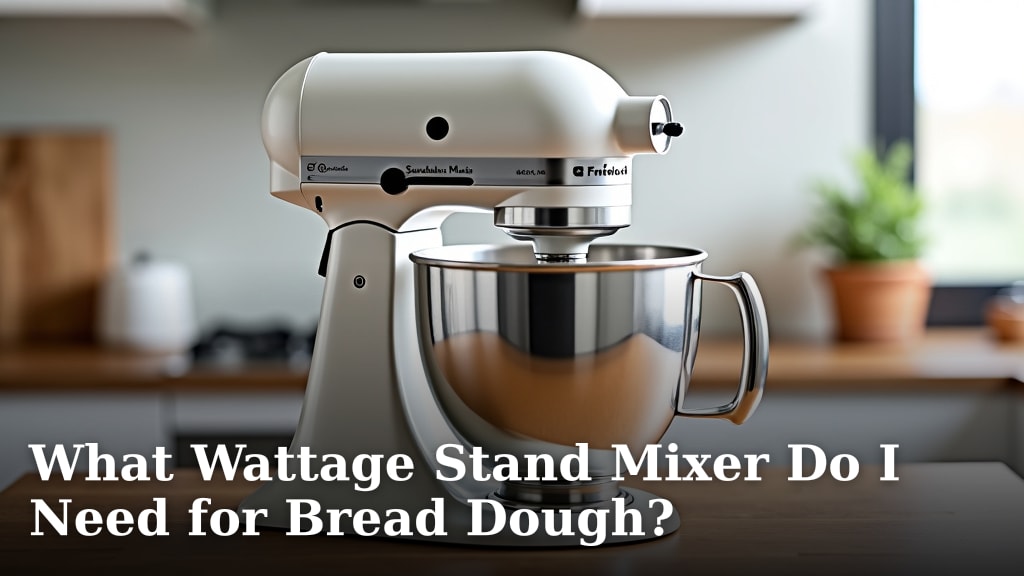
When kneading bread dough, you generally need a stand mixer with at least 300 to 500 watts. This wattage range ensures your mixer has enough power to handle thick, sticky dough without struggling. For very dense breads or frequent baking, aiming for 500 watts or more is often a wise choice.
Many bakers find that underpowered mixers can overheat or burn out. Matching the wattage to your baking needs is key to a happy mixer and happy loaves. Don’t forget that motor design also plays a role, but wattage is a good starting point for judging power.
- For most bread dough, aim for 300-500 watts.
- 500+ watts is better for heavy-duty bread baking.
- Underpowered mixers can struggle and overheat.
- Wattage is a key indicator of mixing power.
Let’s break down what wattage really means for your bread-making and how to pick the perfect stand mixer for your kitchen.
“`htmlChoosing the Right Wattage for Your Bread Dough Mixing
You’re ready to tackle homemade bread, and you’re wondering about stand mixer power. Wattage is a great place to start. It tells you how much electrical power the motor uses. Higher wattage generally means more power for tougher jobs.
When it comes to kneading bread dough, you need a mixer that won’t quit halfway through. We found that most bakers need a stand mixer with a motor that can handle sticky, dense dough. Think of it like a personal trainer for your dough. You want one strong enough to get the job done without getting tired. This article focuses on finding the best stand mixer for bread baking.
Understanding Stand Mixer Wattage
Wattage measures the rate of energy transfer. In a stand mixer, it’s a good indicator of the motor’s output. A 300-watt mixer uses less electricity than a 700-watt mixer. But it’s not the whole story, as motor design also matters.
For bread dough, which is thick and elastic, you need a motor that can keep going. Some smaller mixers might have enough power for lighter tasks. However, they can quickly overheat or stop working when faced with a heavy bread dough. We found that underpowered mixers often lead to baker frustration.
Wattage vs. Torque
While wattage is important, torque is also a key factor for dough. Torque is the rotational force. A mixer with high torque can turn the dough hook with more force. This is essential for developing gluten in bread dough.
Some manufacturers focus on torque specifications. Others only list wattage. We found that a higher wattage mixer often has better torque. But always check reviews for specific models. They can tell you how well a mixer handles tough dough.
What Wattage Range is Best for Bread Dough?
For most home bakers making standard bread dough, a range of 300 to 500 watts is usually sufficient. This allows the mixer to knead effectively without overworking the motor. You’ll find many popular models fall into this category.
If you plan on baking bread frequently, or if you love making dense rye or whole wheat loaves, consider a higher wattage. We found that mixers with 500 watts or more are better suited for heavy-duty dough. This extra power provides a buffer for tough tasks.
The 300-500 Watt Sweet Spot
Many experts suggest that a stand mixer with a motor between 300 and 500 watts is ideal for typical bread making (King Arthur Baking Company). This range offers a good balance of power and efficiency. It’s enough muscle to get your dough kneaded smoothly.
You can expect to make yeasted breads, enriched doughs like brioche, and even some pizza doughs with mixers in this range. We found that these mixers can handle doughs up to around 4-5 cups of flour without significant strain.
Going Above 500 Watts for Serious Bakers
What if you’re a bread enthusiast? Perhaps you bake multiple loaves a week. Or maybe you experiment with very stiff doughs. In such cases, looking for a stand mixer with 500 watts or higher is a smart move. This provides greater resilience.
These more powerful mixers are built for endurance. They can handle larger batches and denser doughs more easily. We found that many professional-style or heavy-duty home mixers offer 600 to 1000 watts. This is for serious bread makers who demand consistent performance.
When Wattage Might Not Tell the Whole Story
It’s important to remember that wattage isn’t the only measure of a mixer’s strength. Motor design, gearing, and build quality also play a role. A well-built 400-watt mixer might outperform a poorly designed 600-watt one for dough.
We’ve seen mixers with surprisingly high wattage that still struggle with bread. Conversely, some mixers with slightly lower wattage are known for their dough-kneading prowess. This is why reading user reviews is so helpful. They offer real-world performance feedback.
The Importance of Build Quality and Gearing
A robust gearbox and solid construction help a mixer maintain consistent power. This prevents overheating and ensures a longer lifespan. Metal components are generally more durable than plastic ones. We found that mixers designed for heavy tasks often have all-metal gears.
When researching mixers, look for mentions of durability. Does the manufacturer talk about the motor’s cooling system? Are the attachments made of sturdy materials? These details matter as much as the wattage number itself.
Signs Your Mixer Might Be Underpowered for Bread
How can you tell if your current mixer isn’t cutting it for bread dough? There are a few common signs to watch out for. These are red flags that your mixer is working too hard.
One common indicator is an overheating motor. You might smell a burning scent, or the mixer’s body might feel very hot to the touch. This means the motor is struggling to maintain its speed under the dough’s resistance. We found this often happens when the mixer is near its capacity limit.
What to Look for
- Slowdown or Stalling: The mixer speed noticeably drops or it stops entirely when you add flour or the dough gets thick.
- Burning Smell: A distinct odor of hot motor or plastic might indicate overheating.
- Strained Motor Sound: The motor makes a loud, whirring, or groaning noise that sounds like it’s under immense pressure.
- Wobbly Head or Base: The mixer head or base shakes excessively, suggesting it can’t handle the torque.
- Inability to Develop Gluten: The dough remains shaggy and doesn’t become smooth and elastic after several minutes of kneading.
Making Your Choice: A Checklist
Selecting the right stand mixer involves more than just wattage. It’s about finding a tool that fits your baking habits. Use this quick checklist to guide your decision.
- Consider Your Baking Frequency: How often will you make bread? Daily bakers need more power than occasional bakers.
- Assess Dough Types: Do you make light sandwich bread or dense sourdough? Denser doughs require more wattage.
- Research Wattage and Torque: Aim for 300-500 watts for general bread, 500+ watts for frequent or heavy doughs.
- Read Reviews: Look for user feedback on how specific models handle bread dough.
- Check Build Quality: Sturdy construction and metal gears are signs of a durable mixer.
- Think About Capacity: Ensure the mixer bowl size matches your typical batch size.
Wattage Recommendations at a Glance
To summarize, here’s a quick guide based on your typical bread-making needs. We found these ranges to be consistently effective:
| Baking Frequency & Dough Type | Recommended Wattage | Notes |
|---|---|---|
| Occasional Bread Baking (Light to Medium Doughs) | 300 – 450 Watts | Good for most standard recipes, occasional use. |
| Frequent Bread Baking (Medium Doughs) | 400 – 550 Watts | Handles regular use and slightly denser doughs well. |
| Serious Bread Baking (Dense, Large Batches) | 500+ Watts (ideally 600-1000W) | Best for frequent, heavy-duty doughs and larger families. Built for endurance. |
Remember, these are guidelines. Many experts say motor efficiency and build quality can allow lower-wattage mixers to perform well. But for peace of mind and consistent results with bread dough, higher wattage offers more assurance.
“`
Conclusion
You’ve learned that wattage is your starting point for choosing a stand mixer that can handle bread dough. Aiming for 300-500 watts is generally enough for most home bakers. If you bake bread often or prefer denser loaves, consider a mixer with 500 watts or more for extra power and durability. Remember to also consider build quality and user reviews. With the right mixer, your dough will be perfectly kneaded, every time. Now, go find that perfect stand mixer and enjoy your next delicious loaf!
Frequently Asked Questions
Is 300 watts enough for bread dough?
For most standard bread recipes, 300 watts can be sufficient, especially if you only bake bread occasionally. You’ll find many mixers in this range handle lighter doughs well. Just be mindful of longer kneading times and avoid overloading the bowl.
What if my mixer smells like it’s burning?
A burning smell usually means the motor is overheating, which is a sign it’s under too much strain. This often happens when a mixer doesn’t have enough wattage for the dough’s density or the batch size. Try reducing the dough amount or consider a more powerful mixer.
Should I focus more on wattage or torque for bread dough?
While wattage indicates overall power consumption, torque represents the rotational force. For thick bread dough, high torque is essential for proper gluten development. Higher wattage mixers often provide better torque, but checking user reviews for performance with dough is always a good idea.
Can a 200-watt mixer handle any bread dough?
A 200-watt mixer is typically too underpowered for most bread doughs. These mixers are better suited for lighter tasks like whipping cream or mixing cake batter. Attempting to knead bread dough could lead to motor burnout or very poor results.
How does the size of the mixer bowl affect wattage needs?
Larger bowl sizes usually mean you’ll be making bigger batches of dough. Handling more dough requires more power. If you have a mixer with a large bowl capacity, ensure its wattage is sufficient to handle the maximum amount of dough you’ll typically mix.
