
Why Is My Stand Mixer Leaking Oil?
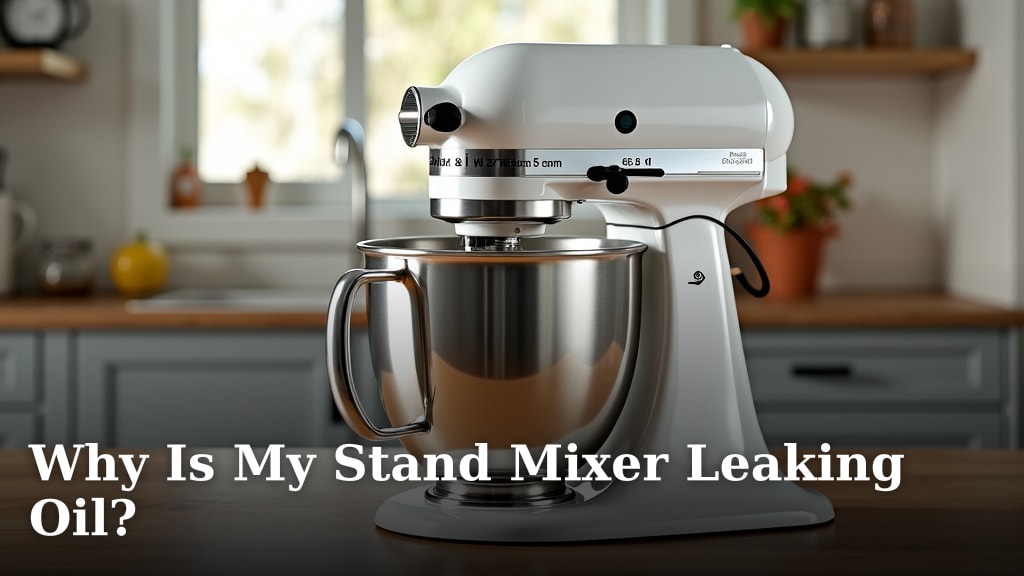
Your stand mixer leaking oil often means internal seals or gears have failed. This is typically caused by overheating or simply wear and tear over time. Don’t worry, it’s a common issue that can usually be fixed.
That oily residue can be messy and concerning. While it might seem like a big problem, understanding the common causes can help you find a solution. It’s often related to the mixer’s lubrication system needing attention.
- Leaking oil usually means seals or gears are worn.
- Overheating is a common culprit behind oil leaks.
- Age and heavy use can also lead to leaks.
- A repair or replacement might be necessary.
Let’s look at why your stand mixer might be leaking oil and what you can do about it.
Troubleshooting Your Stand Mixer’s Oily Drips
Seeing oil slick from your stand mixer can be disheartening. You might wonder if your trusty kitchen helper is beyond repair. This leakage usually points to a mechanical issue with the lubrication system inside your mixer.
These machines are complex, and like any appliance, they can develop problems over time. The good news is that understanding the common reasons can help you decide the next steps. Often, it’s a fixable situation rather than a death knell for your mixer.
Understanding the Lubrication System
Your stand mixer uses a specific type of grease. This isn’t your typical kitchen oil. It’s a specialized lubricant designed for high-speed gears and moving parts. This grease ensures smooth operation and prevents metal-on-metal friction.
The mixer’s internal design uses this grease to keep everything running. It’s like the oil in a car engine, but for your mixer’s gears. This lubrication is vital for longevity and performance.
How the Lubricant Works
Inside the mixer’s head, there’s a gearbox. This gearbox contains several gears that turn at different speeds. The lubricant coats these gears. It reduces wear and tear, absorbs shock, and dissipates heat generated during mixing.
Without enough lubrication, or if the lubricant breaks down, the gears can grind against each other. This can lead to damage. It can also cause the lubricant to escape its intended housing.
Common Culprits Behind Oil Leaks
Several factors can cause this lubricant to find its way out. They often relate to how the mixer is used or simply how old it is. Let’s break down the most frequent causes we found.
Overheating: The Silent Killer
One of the most common reasons for oil leaks is overheating. Stand mixers generate heat when they work hard, especially when mixing thick doughs or running for extended periods. If the mixer overheats, the grease can become thinner.
This thinned grease can then leak through seals or gaskets. It’s similar to how butter melts and spreads when it gets too hot. Overheating puts extra stress on the motor and gearbox. This stress can compromise the internal seals.
What Causes Overheating?
Several user-related factors can lead to overheating. Pushing your mixer beyond its limits is a big one. This includes:
- Mixing very stiff doughs (like bread dough) for too long.
- Running the mixer on a high speed for an extended time.
- Not allowing the mixer to cool down between uses, especially after heavy tasks.
- Using attachments that put a significant strain on the motor.
We found that many manufacturers design their mixers for specific tasks. Exceeding these designed limits can cause the unit to work overtime. This excessive work generates more heat than the system can handle.
Wear and Tear Over Time
Stand mixers, especially those used frequently, experience wear and tear. Like any mechanical device, parts can degrade. The seals and gaskets that keep the lubricant contained are particularly susceptible.
Over years of use, these seals can become brittle or crack. This allows the grease to seep out. It’s a natural process of aging for the appliance. The more you use your mixer, the faster this wear might occur.
Age of the Mixer
If your stand mixer is several years old, wear and tear become a more likely explanation. Many experts suggest that internal components have a lifespan. Even with proper care, seals can eventually fail.
Think of it like the rubber hoses in a car. Over time, they can become less flexible and prone to leaks. Your mixer’s internal seals are no different. It’s a sign that parts may be nearing the end of their service life.
Lubricant Breakdown or Degradation
The specialized grease inside your mixer doesn’t last forever. It can degrade over time, especially with heat exposure. When the lubricant breaks down, it can lose its viscosity.
It might become watery or clumpy. This degraded lubricant is less effective at sealing and can more easily escape the gearbox. This process is accelerated by overheating.
Improper Assembly or Previous Repairs
If your mixer has been repaired before, improper assembly could be the cause. If a seal wasn’t seated correctly, or if the wrong type of lubricant was used, it can lead to leaks.
Using a generic grease instead of the manufacturer-specified type is a common mistake. Generic greases may not withstand the operating temperatures or pressures within the mixer. This can cause them to break down prematurely.
Identifying the Source of the Leak
Before you can fix the problem, it’s helpful to pinpoint where the oil is coming from. Is it a slow drip or a more significant leak? Where on the mixer do you see the most oil?
Visual Inspection
Start with a careful visual inspection. Wipe down the exterior of the mixer where you see oil. Then, try to identify the specific area it’s emerging from. Common spots include:
- Around the neck where the attachment hub is located.
- Near the base of the mixer head.
- Sometimes, you might see it dripping from the motor housing itself.
If you see oil near the attachment hub, it could indicate a seal issue in that area. Oil leaking from the base of the head might be more related to the main gearbox.
Run the Mixer Briefly (Carefully!)
If you’re comfortable doing so, you can run the mixer on a low speed for a short time. Place a paper towel or absorbent material underneath. Watch closely to see if you can spot the oil emerging from a specific point.
Important safety note: Always unplug your mixer before attempting any inspection or cleaning. If you’re not comfortable running it while observing, skip this step.
What to Do About a Leaking Stand Mixer
Seeing oil doesn’t automatically mean you need a new mixer. Your next steps depend on the cause and your comfort level with DIY repairs.
Check Your Mixer’s Manual
The first place to look is your stand mixer’s user manual. It often has a troubleshooting section. It might offer guidance on common issues like oil leaks.
Your manual will also tell you about the mixer’s warranty status. If it’s still under warranty, contact the manufacturer. They may cover the repair costs.
Consider Professional Repair vs. DIY
Stand mixers are fairly complex. Repairing internal seals or gears often requires disassembly. This can be challenging for someone without mechanical experience.
If your mixer is still under warranty, always go through the manufacturer. If it’s out of warranty, you have a choice:
- Professional Repair: Take it to an authorized service center.
- DIY Repair: If you are comfortable with electronics and mechanics, you might attempt it yourself.
- Replacement: If repair costs are high or you don’t have the time, buying a new one might be best.
We found that some manufacturers offer repair kits for common issues. However, these kits require you to perform the work yourself.
Can You Continue Using It?
It’s generally not recommended to continue using a stand mixer that is leaking oil. The oil is a lubricant essential for the machine’s health. If it’s leaking out, the gears are likely not getting sufficient lubrication.
Continuing to use it could lead to more severe damage. The gears could wear down further, or the motor could overheat more easily. This could turn a repairable issue into a costly or impossible one to fix.
Think of it like driving a car with an oil leak. You wouldn’t ignore it. Eventually, it can cause major engine trouble. Your stand mixer deserves the same attention.
Preventing Future Oil Leaks
Once you’ve addressed the current leak, you’ll want to prevent it from happening again. Proper care and usage are key.
Avoid Overheating and Overworking
Always follow the manufacturer’s recommendations for mixer use. Pay attention to the speed settings and the maximum capacity for different types of ingredients. Don’t try to mix extremely stiff doughs if your mixer isn’t designed for it.
Give your mixer breaks. If you’re making a large batch or a tough recipe, let it rest and cool down periodically. This simple step can save a lot of wear and tear on the motor and gearbox.
Regular Cleaning and Maintenance
While you can’t typically re-grease a stand mixer yourself without disassembly, keeping the exterior clean is important. Wipe down your mixer after each use.
Proper storage can also help. Keep your mixer in a clean, dry place. Avoid environments with extreme temperatures.
Use Attachments as Intended
If you use various attachments, ensure they are compatible and properly installed. Some attachments can put a significant load on the mixer’s motor. Use them according to the instructions.
Attaching and removing them correctly also helps maintain the integrity of the mixer head where some seals are located.
Listen to Your Mixer
Pay attention to any new noises your mixer makes. Grinding, clicking, or unusual whirring sounds can be early indicators of internal problems. These sounds might precede a visible oil leak.
Addressing these sounds early, perhaps by taking it in for a check-up, could prevent a more serious issue down the line.
Conclusion
Your stand mixer leaking oil is a common issue, usually pointing to worn seals, overheating, or general wear and tear. Understanding the mixer’s lubrication system helps explain why this happens. Don’t panic – a leak doesn’t always mean your mixer is beyond repair. You’ve learned how to identify potential causes and what steps you can take next. Your best bet is to carefully assess the situation and decide between professional repair, a DIY fix if you’re comfortable, or considering a replacement. By taking proper care and avoiding overwork, you can help prevent future leaks and keep your mixer running smoothly for years to come.
Frequently Asked Questions
Can I still use my stand mixer if it’s leaking a little oil?
It’s generally not recommended to continue using your stand mixer if it’s leaking oil. The oil is essential for lubricating internal parts. If it’s leaking out, those parts may not be getting enough lubrication, which can lead to further damage and more costly repairs down the line.
How do I know if the oil leak is serious or minor?
Observe the amount of oil and how quickly it leaks. A minor leak might be a slow drip after use, while a serious leak could be a steady stream. Also, consider where the oil is coming from; leaks from the main gearbox are typically more serious than a small seep around an attachment point.
Is it worth repairing an old stand mixer that’s leaking oil?
This depends on a few factors. If your mixer is a high-end model and you love it, repair might be worthwhile. Get an estimate for the repair cost. If the repair cost is close to or more than the price of a new, comparable mixer, replacement might be the more economical choice.
What type of grease is used inside a stand mixer?
Stand mixers use a specialized food-grade grease, not standard motor oil or kitchen oils. This grease is formulated to withstand high speeds and temperatures within the gearbox. Using the wrong type of lubricant during a repair can cause it to break down and leak.
Where can I find the specific lubricant my stand mixer needs for repair?
You’ll typically need to consult your stand mixer’s manual or the manufacturer’s website to find the correct type of lubricant. Many manufacturers sell their own specific grease or recommend a compatible product. For older models, you might need to contact their customer support or a specialized appliance repair parts supplier.
