
Why Is My Stand Mixer Struggling with Heavy Dough?
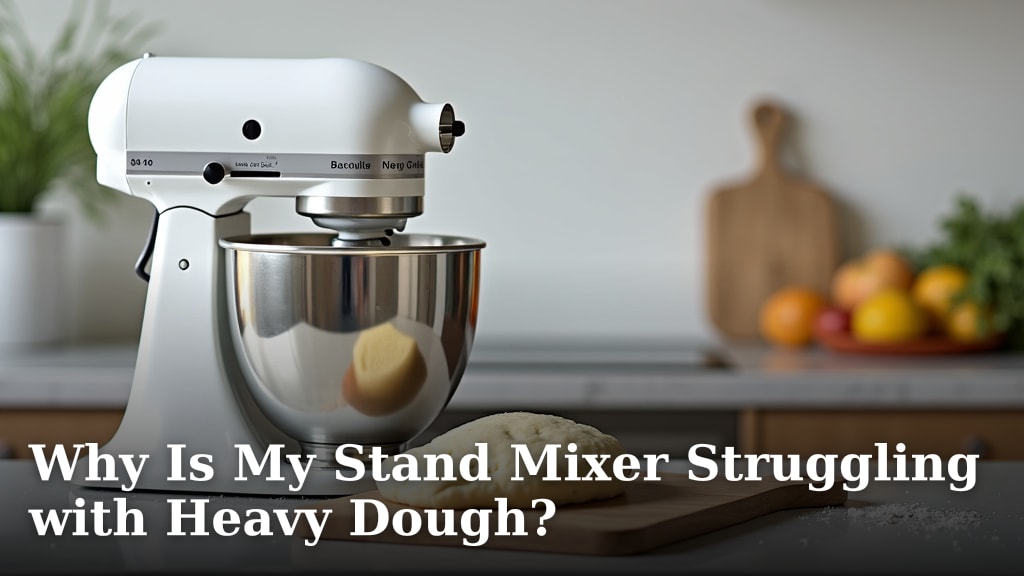
Your stand mixer is struggling with heavy dough because the motor is overheating, or the gears are damaged. Heavy dough, like bread or pasta, requires a lot of torque, which puts immense strain on your mixer’s components. If it’s straining, it’s often a sign that something needs attention to prevent permanent damage.
We’ve found that many home bakers experience this frustration. Your mixer isn’t designed for continuous, heavy-duty kneading like a professional machine. Overworking it can lead to burnt smells or unusual noises. Understanding the limits of your appliance is key to keeping it running smoothly for years to come.
- Motor overheating is a common culprit.
- Damaged or worn gears can cause straining.
- Heavy dough requires significant torque.
- Proper mixer usage prevents damage.
Let’s walk through exactly why your stand mixer might be having trouble with that thick dough and what you can do about it.
When Your Stand Mixer Grinds to a Halt with Dough
You’re whipping up a batch of sourdough or perhaps some homemade pasta, and your trusty stand mixer starts to sound… unhappy. It’s straining, making a grinding noise, or just slowing down like it’s wading through molasses. This is a common frustration for home bakers, and it usually points to a few key issues related to how your mixer handles demanding tasks.
Essentially, your mixer’s motor and gears are working overtime. Think of it like asking a marathon runner to suddenly sprint a mile. They might be able to do it once, but it’s not what they’re built for, and something could get damaged. Understanding these limits is key to keeping your mixer happy and healthy.
Understanding Mixer Torque and Heavy Dough
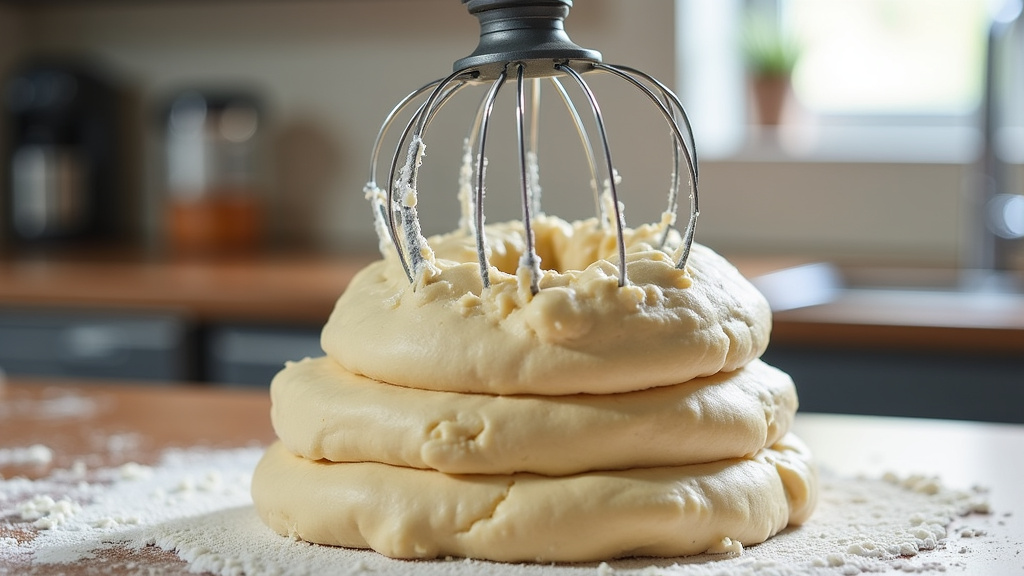
Heavy doughs, like those used for bread, pizza, or certain types of cookies, are dense and elastic. They require a lot of force, or torque, to knead properly. This force is what develops the gluten structure in your dough, making it stretchy and chewy.
Your stand mixer is designed to handle a certain amount of torque. When you introduce a very stiff or large batch of dough, you’re asking more from the motor and the internal mechanisms than they might be rated for. This is where the struggling begins.
What is Torque?
Torque is a rotational force. In your stand mixer, it’s the power that turns the beater, hook, or whisk. A dough that’s very thick and sticky offers a lot of resistance. This resistance fights against the turning motion, demanding more torque from the mixer’s motor.
Why Bread Dough is a Torque Hog
Bread dough, especially enriched doughs with lots of flour and minimal liquid, is notoriously dense. Kneading develops gluten, and this process creates a physical network within the dough. As this network forms, it becomes more resistant to stretching and breaking, which translates directly into higher torque requirements for the mixer.
We’ve found that many recipes that call for extended kneading times (more than 8-10 minutes) can push a standard home mixer beyond its comfortable limits. Recipes that use a high ratio of flour to liquid are prime candidates for causing mixer strain.
Common Culprits Behind a Straining Mixer
When your mixer starts to protest, it’s usually because one or more of its core components are struggling. The most frequent offenders are the motor and the internal gearing system. These parts are the heart and soul of your mixer’s ability to do the hard work for you.
Motor Overheating: The Smelly Sign
The motor is what powers the entire operation. When it’s working too hard against tough dough, it generates excess heat. If you start smelling a burnt or hot electrical smell, this is a strong indicator that the motor is overheating. Many modern mixers have thermal overload protection that will shut the motor down to prevent damage, but it’s a warning sign you shouldn’t ignore.
We found that continuous operation with heavy dough, especially if the mixer is already at the higher end of its capacity, can quickly lead to the motor reaching unsafe temperatures. It’s like running a race without a break; eventually, you’ll overheat.
Gear Damage or Wear: The Grinding Noise
Inside your stand mixer is a system of gears that transfer power from the motor to the attachment. These gears are typically made of metal or tough plastic. When subjected to excessive force, especially repeatedly, they can become worn, stripped, or even broken. This often results in a grinding, clicking, or crunching sound coming from the mixer head.
We found that older mixers or those that have frequently handled very heavy loads are more susceptible to gear issues. Sometimes, a gear can strip even without obvious abuse, simply due to normal wear and tear over time. If you hear this grinding, it’s a sign that the internal mechanics are compromised.
Why Plastic Gears Can Be a Problem
Some manufacturers use plastic gears in their mixers to reduce cost and weight. While these can be sufficient for lighter tasks, they are more prone to stripping or breaking under the high torque demands of heavy doughs. Metal gears are generally more durable for demanding jobs.
Loose or Worn Components
Beyond the main motor and gears, other components can become loose or worn. This includes the shaft that holds the attachment or the coupling that connects the attachment to the motor. When these parts aren’t fitting snugly, they can cause increased strain and noise during operation, especially with thick doughs.
How to Prevent Your Mixer from Struggling
The good news is that you can often prevent your stand mixer from struggling with heavy dough by being mindful of how you use it. A little care and attention can go a long way in preserving its lifespan and ensuring your baking projects are successful.
Respect Your Mixer’s Capacity
Every stand mixer has a limit. Check your owner’s manual for guidelines on the maximum amount of flour or dough the mixer is designed to handle. Overloading the bowl is a surefire way to strain the motor and gears. If a recipe calls for more than your mixer’s capacity, consider dividing it into smaller batches. If a recipe calls for more than your mixer’s capacity, consider dividing it into smaller batches or choosing the right size stand mixer for your needs.
We found that many home bakers underestimate their mixer’s limits. It’s tempting to make a big batch, but sticking to recommended capacities protects your appliance. For example, a 5-quart mixer might struggle with more than 3 cups of flour in a dense bread dough.
Use the Right Attachment and Speed
Always use the dough hook for kneading bread dough. The whisk and flat beater are not designed for this kind of heavy work and can be damaged. Start with a lower speed (speed 1 or 2) and gradually increase if needed. High speeds generate more heat and can be harder on the motor.
We found that starting on a low speed allows the motor and gears to gradually engage with the dough. This is much gentler than hitting it with high power right away. Allowing the dough to develop gradually is also better for the gluten structure.
Scrape Down the Bowl Periodically
As you mix, some ingredients may stick to the sides or bottom of the bowl. When this happens, the mixer has to work harder to incorporate them. Take breaks to scrape down the sides of the bowl with a spatula. This ensures everything is evenly mixed and reduces unnecessary strain on the motor.
This simple step helps maintain an even consistency in your dough, preventing pockets of dry ingredients that can create extra drag. It’s a small effort that pays off in a smoother mixing process.
Don’t Over-Knead
While kneading is essential for developing gluten, over-kneading can actually damage the dough and put excessive strain on your mixer. Once the dough becomes smooth, elastic, and passes the windowpane test, it’s usually done. Continuing to knead beyond this point is unnecessary and can overheat your mixer.
We found that most home recipes for bread dough only require about 5-10 minutes of kneading in a stand mixer. Some recipes might call for longer, but it’s worth questioning if that much kneading is truly necessary for your specific dough.
Give Your Mixer a Break
If you’re making a large batch of very heavy dough, or if your mixer starts to feel warm or sound strained, stop and let it cool down. Many experts recommend a 5-10 minute break for every 10-15 minutes of continuous heavy use. This allows the motor to cool off and prevents overheating.
Think of it as giving your mixer a chance to catch its breath. This simple pause can prevent a minor issue from turning into a major repair. It’s a crucial step for machines that aren’t designed for commercial-grade, continuous operation.
When to Consider Professional Help or a New Mixer
If you’ve tried these tips and your mixer still struggles, or if you notice persistent grinding noises or the smell of burning, it might be time to consider professional servicing or a replacement. Sometimes, internal damage is too significant to repair easily at home.
We found that the cost of professional repair can sometimes approach the cost of a new, entry-level stand mixer. It’s a good idea to weigh the repair costs against the investment in a new appliance, especially if your current mixer is older.
Signs It’s Time for a Tune-Up or Replacement
Here’s a quick checklist to help you decide:
- Persistent grinding or clicking noises, especially when mixing.
- A strong, continuous burnt smell emanating from the motor housing.
- The mixer head wobbles excessively during operation.
- The mixer shuts off repeatedly due to its thermal overload protection, even with lighter loads.
- The attachments feel loose or don’t spin correctly.
If you’re experiencing several of these issues, your mixer might be telling you it’s time for some serious attention. For hobby bakers who frequently make heavy doughs, investing in a more robust model known for its durability might be a wise long-term decision.
Conclusion
Your stand mixer is a workhorse, but even the best appliances have limits. When it struggles with heavy dough, it’s usually a sign of motor strain or gear wear, often caused by exceeding its torque capacity or capacity limits. By respecting your mixer’s limits, using the right attachments and speeds, and giving it breaks, you can prevent damage and keep it running smoothly for years.
Next time you face a tough dough, remember to check your mixer’s manual and listen to its sounds. If you suspect internal damage or persistent overheating, it might be time for a tune-up or to consider an upgrade to a more robust model. Happy baking!
Frequently Asked Questions
My stand mixer smells like it’s burning when I make bread dough. What should I do?
That burning smell is a clear sign your mixer’s motor is overheating. Immediately stop the mixer and let it cool down completely. We found that for heavy doughs, it’s best to use a lower speed and give your mixer a 5-10 minute break for every 10-15 minutes of mixing to prevent this.
What’s the difference between a mixer’s capacity and its torque?
Capacity refers to the maximum amount of ingredients your mixer can hold and process, while torque is the rotational force it applies to the dough. Heavy dough requires high torque, and exceeding your mixer’s bowl capacity can also lead to strain that demands more torque than it can handle.
Can I use my stand mixer for a large batch of cookie dough?
Dense cookie dough can be very heavy and put significant strain on your mixer. If the recipe uses a lot of butter and flour, it’s similar to bread dough. We recommend checking your mixer’s manual for its dough capacity and considering dividing larger batches to avoid overworking the motor and gears.
My mixer is making a grinding noise. Is it broken?
A grinding, clicking, or crunching sound often indicates damaged or worn gears inside the mixer. This is a serious sign that the internal mechanics are compromised. We advise stopping use immediately and consulting your manual or a repair professional to assess the damage.
How can I tell if my stand mixer is powerful enough for bread making?
Look for mixers designed with robust motors and durable, preferably metal, gears. Check the manufacturer’s specifications for recommended dough capacity and power ratings. Mixers marketed for heavy-duty use or with a higher wattage motor are generally better suited for frequent bread dough preparation.
