Is a Stand Mixer Necessary for Baking Bread?
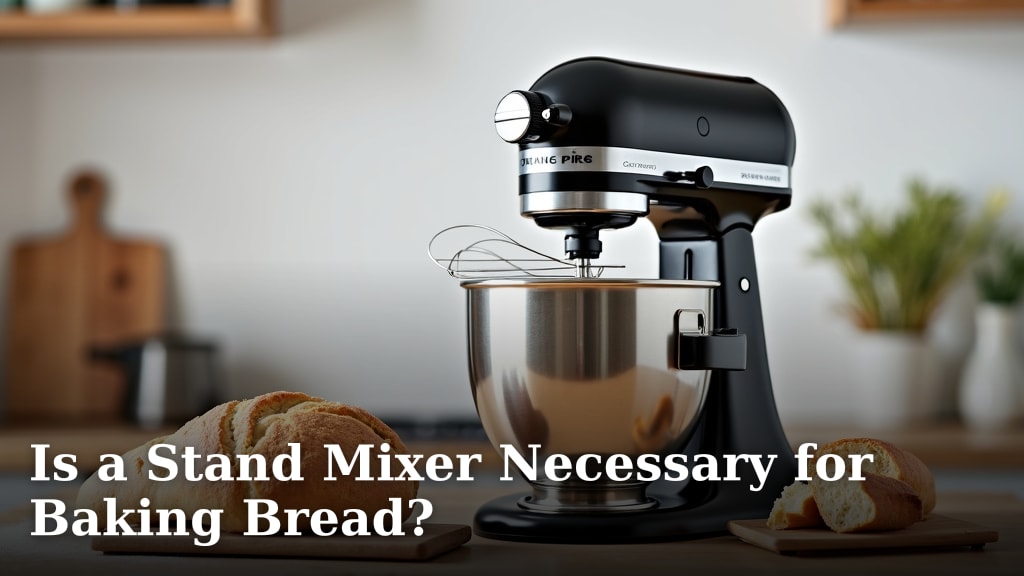
No, a stand mixer is not strictly necessary for baking bread, but it can make the process significantly easier and less labor-intensive. Many delicious bread recipes can be made with just your hands and a bowl, especially those with higher hydration.
You might be wondering if your arms are up to the task of kneading dough for what feels like forever. We get it! While a stand mixer offers convenience and consistency, it’s totally possible to achieve a great crumb and crust through good old-fashioned manual kneading. It really depends on your baking goals and preferences.
- You don’t need a stand mixer for bread.
- Hand kneading is a perfectly valid method.
- Stand mixers offer convenience and consistency.
- Some bread types are easier to make by hand.
- Your baking goals help decide if you need one.
Let’s dive deeper into whether a stand mixer is right for your bread-making journey and explore effective hand-kneading techniques.
Do You Really Need a Stand Mixer for Bread Baking?
You’re probably wondering if that big, shiny appliance is truly a must-have for your bread-making adventures. The short answer is no, it’s not essential.
Many home bakers create beautiful loaves with just their hands. However, a stand mixer can certainly be a game-changer for some.
It boils down to your personal baking style, the types of bread you love, and how much effort you want to put in.
The Case for Hand Kneading: Traditional and Rewarding
Before stand mixers became common, bakers kneaded all bread dough by hand. It’s a time-honored tradition.
Hand kneading allows you to feel the dough developing. You sense its elasticity and moisture levels directly.
This hands-on approach can be incredibly therapeutic. Many find it a calming and satisfying part of the baking process.
Benefits of Kneading by Hand
There are several perks to going old-school with your bread dough:
- Cost-Effective: You don’t need to buy expensive equipment. Just a bowl, your hands, and ingredients.
- Sensory Experience: You build a connection with your dough. You learn to read its texture and consistency.
- Portability: You can bake anywhere, even without an electrical outlet.
- Muscle Workout: It’s a bit of a workout for your arms and shoulders!
- Versatility: Works for almost any bread dough, especially those with high hydration.
Effective Hand-Kneading Techniques
Don’t let manual kneading intimidate you. It’s quite simple once you get the hang of it. Here are a few popular methods:
Stretch and Fold Method
This technique is perfect for wet, sticky doughs like ciabatta or sourdough. It requires very little actual “kneading.”
You simply wet your hands, grab a portion of the dough, gently stretch it upwards, and fold it over itself. Repeat this several times around the bowl.
You perform these “folds” at intervals, perhaps every 20-30 minutes, over a couple of hours. This process helps develop gluten naturally with minimal effort from you.
The dough gains strength and elasticity on its own (Journal of Food Science and Technology).
Traditional Kneading Method
This is what most people picture when they think of kneading. You work the dough on a lightly floured surface.
Push the dough away from you with the heels of your hands. Then fold it back towards you. Repeat this rhythmically.
You’ll notice the dough transform from shaggy and sticky to smooth and elastic. This usually takes 10-15 minutes.
The Stand Mixer Advantage: Speed and Consistency
So, if hand kneading is so great, why do people use stand mixers? Primarily for convenience and consistency.
A stand mixer with a dough hook does the repetitive, often tiring, work for you. This frees up your hands for other tasks.
For large batches or very stiff doughs, a stand mixer is a true blessing. It can save you a lot of physical strain.
When a Stand Mixer Shines
Think of your stand mixer as an extra set of strong, tireless hands. Here’s where it really earns its keep:
- Stiff Doughs: Bagel dough, some whole wheat doughs, and enriched doughs (like brioche) can be tough to knead by hand.
- Large Batches: Making multiple loaves for a party? A mixer handles the volume easily.
- Enriched Doughs: Doughs with a lot of butter, eggs, or sugar benefit from thorough mixing without overheating from hands.
- Consistency: The mixer provides a consistent kneading action every time, which can lead to more predictable results.
- Time-Saving: You can prepare other ingredients or clean up while the mixer works.
Potential Downsides of Stand Mixers
While helpful, stand mixers aren’t without their considerations:
- Cost: A good quality stand mixer is a significant investment.
- Space: They take up valuable counter or storage space.
- Noise: Some mixers can be quite loud, especially when working tough doughs.
- Over-Kneading Risk: It’s possible to over-knead dough in a mixer, leading to tough bread. You still need to pay attention.
- Cleaning: The bowl and dough hook still need washing.
Making the Choice: What’s Right for Your Baking Journey?
Ultimately, the decision to use a stand mixer or not comes down to your individual needs and preferences. There’s no single “right” way to bake bread.
Consider your baking frequency, your physical stamina, and the types of bread you enjoy making most.
Consider Your Baking Goals
Think about what you want to achieve in your kitchen. Are you aiming for artisanal sourdough or quick sandwich bread?
If you’re making bread once a month, hand kneading might be perfectly fine. If you bake multiple times a week, a mixer could be a wise investment.
Many experienced bakers use both methods. They might hand-knead a small, rustic loaf and use the mixer for a big batch of dinner rolls.
Dough Hydration and Kneading Needs
The amount of water in your dough (its hydration) plays a big role in how it’s best kneaded.
High-hydration doughs (like ciabatta, focaccia, or very wet sourdough) are often easier to manage with stretch and folds by hand.
Trying to knead a super sticky dough in a mixer can be messy and sometimes inefficient. The dough just climbs the hook!
Lower-hydration, stiffer doughs (like bagels, pretzels, or some rye breads) benefit greatly from the power of a stand mixer. Hand kneading these can be a real arm workout.
Stand Mixer vs. Hand Kneading: A Quick Comparison
To help you decide, here’s a quick look at the pros and cons:
| Feature | Hand Kneading | Stand Mixer |
|---|---|---|
| Effort | High physical effort | Low physical effort |
| Time Involved | Active time: 10-20 min | Active time: 5-10 min |
| Cost | Very low (no equipment) | High (initial investment) |
| Skill Level | Easy to learn, rewarding | Easy to learn, but watch for over-kneading |
| Best For | High hydration, small batches, rustic breads | Stiff doughs, large batches, enriched breads |
| Dough Feel | Direct, tactile learning | Less direct feedback |
Your Personal Baking Checklist
Still on the fence? Ask yourself these questions to guide your decision:
- Do you enjoy a hands-on process and feeling the dough?
- Are you baking large quantities of bread regularly?
- Is counter space a concern in your kitchen?
- Do you often make very stiff or enriched doughs?
- Is your budget open for a significant kitchen appliance?
- Do you value speed and consistency above all else?
Your answers will likely point you in the right direction. Remember, the best tool is the one that helps you bake bread you love!
Conclusion
As you can see, the question of whether a stand mixer is necessary for baking bread really comes down to your personal baking journey. You don’t need one to create incredible loaves; hand kneading offers a rewarding, tactile experience, especially for high-hydration doughs. However, if you bake frequently, handle stiff