Is a Stand Mixer Better Than a Hand Mixer?
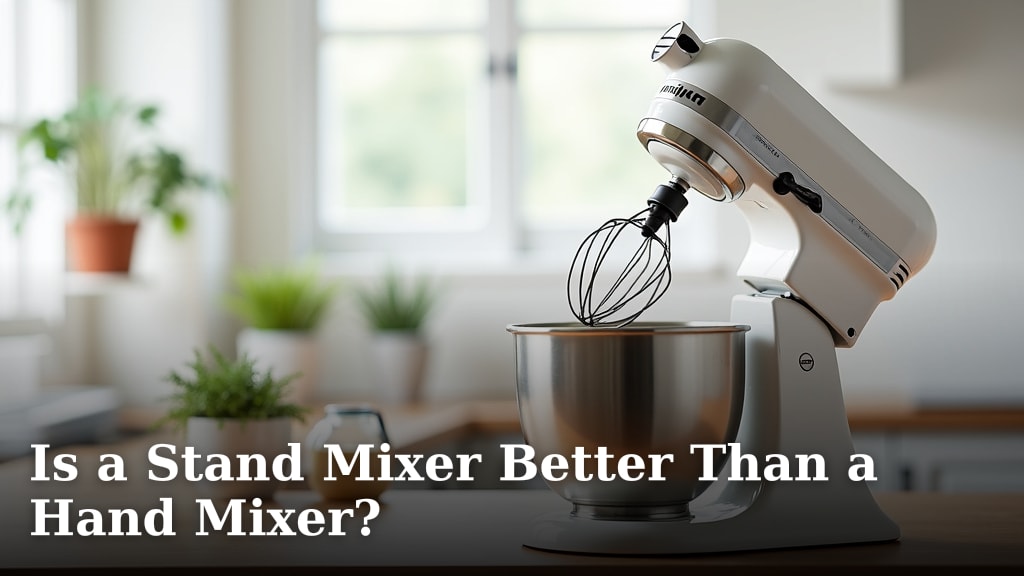
A stand mixer is generally better than a hand mixer for serious bakers. You’ll find it offers more power and convenience, especially for heavier doughs and larger batches. However, a hand mixer shines for smaller tasks and when you need portability, making it a great choice for everyday cooks.
Choosing between them often depends on your cooking habits and kitchen space. We found that most home cooks appreciate the hands-free operation of a stand mixer. Yet, for quick jobs or tight budgets, a hand mixer is surprisingly versatile and effective.
- Stand mixers offer more power.
- Hand mixers are great for small tasks.
- Consider your typical baking needs.
- Think about your kitchen counter space.
Ready to figure out which mixer is the best fit for your kitchen? Let’s break down the pros and cons of each, helping you make a truly informed decision.
Stand Mixer vs. Hand Mixer: Which Is Right for You?
Deciding between a stand mixer and a hand mixer really comes down to your baking habits and kitchen setup. Each tool has its own strengths and weaknesses. We found that understanding these differences helps you pick the perfect one.
Understanding Stand Mixers: Your Kitchen Workhorse
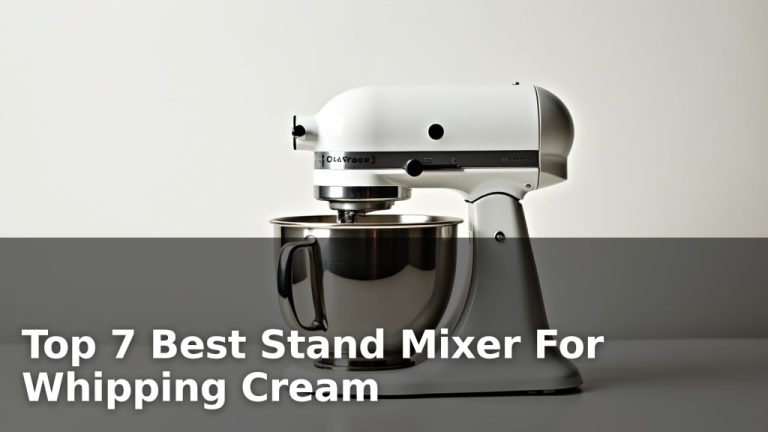
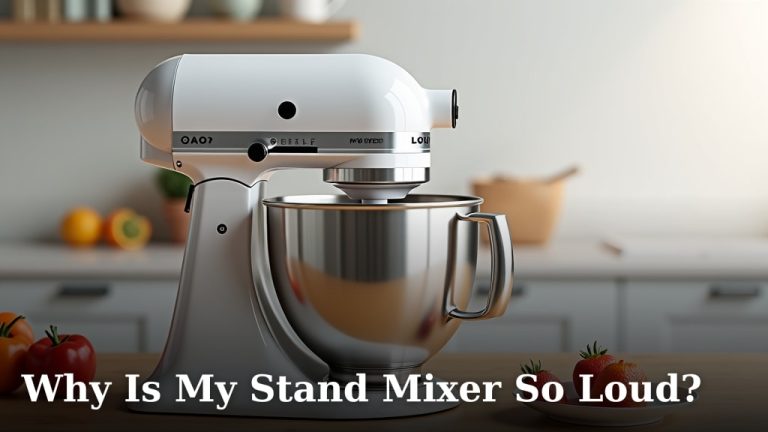
Stand mixers are the heavy-duty champions of the kitchen. You typically see them on cooking shows, effortlessly kneading dough or whipping meringue. They offer power and convenience that a hand mixer just can’t match for certain tasks.
The Power and Capacity Advantage
One of the biggest reasons to choose a stand mixer is its raw power. It usually has a much stronger motor than a hand mixer. This extra strength lets it handle thick doughs, like for bread or pizza, without struggling. You’ll also find they have larger bowls, perfect for doubling recipes or baking for a crowd.
- Stronger motors handle tough ingredients.
- Larger bowls mean more capacity for big batches.
- Hands-free operation lets you multitask.
Attachment Versatility
Beyond mixing, stand mixers often come with a range of attachments. These can turn your mixer into a true multi-tool. We’ve seen attachments for making pasta, grinding meat, or even making ice cream. This versatility can save you counter space by combining several appliances into one (KitchenAid).
Think about what you typically cook. Do you often make homemade bread? A stand mixer’s dough hook will be your best friend. Do you love fresh pasta? An attachment can make it happen.
Hands-Free Convenience
This is where stand mixers truly shine. Once you turn it on, it does all the work for you. You can measure other ingredients, clean up, or just relax for a moment. This hands-free operation is a huge time-saver, especially for recipes that require long mixing times.
Understanding Hand Mixers: Your Flexible Friend
Hand mixers are the nimble, portable alternative. They don’t have the same power or capacity as a stand mixer, but they excel in other areas. Many home cooks find them incredibly useful for everyday tasks.
Portability and Storage
The main advantage of a hand mixer is its small size and light weight. You can easily store it in a drawer or cabinet, making it ideal for kitchens with limited counter space. And because it’s portable, you can use it anywhere you have an outlet, even away from your main baking area.
Imagine baking at a friend’s house or whipping up some frosting in a small apartment. A hand mixer makes these tasks simple. No need to lug a heavy appliance around.
Efficiency for Smaller Tasks
For quick jobs and smaller batches, a hand mixer is often faster to pull out and clean. Whipping cream, beating eggs, or mixing a small cake batter takes just moments. You might not want to pull out a large stand mixer for something so simple.
It’s like choosing between a bike and a truck. Both get you there, but one is much better for a quick trip around the block.
Budget-Friendly Option
Hand mixers are significantly less expensive than stand mixers. If you’re just starting your baking journey or have a tight budget, a hand mixer is a great entry point. You can get a reliable one for a fraction of the cost of a good stand mixer.
This means you can still enjoy the benefits of an electric mixer without a big financial commitment. Many chefs started with a simple hand mixer and achieved great results.
Key Differences: Side-by-Side Comparison
To help you see the distinctions more clearly, let’s look at how they stack up against each other.
| Feature | Stand Mixer | Hand Mixer |
|---|---|---|
| Power | High (strong motor) | Moderate (lighter motor) |
| Capacity | Large bowls (5+ quarts) | Uses your own bowls (any size) |
| Usage | Hands-free, heavy-duty | Manual, light-duty |
| Space | Countertop fixture, bulky | Compact, easy storage |
| Cost | Higher price range | Lower price range |
| Tasks | Kneading dough, large batches | Whipping cream, small batters |
| Attachments | Many available (pasta, grinder) | Basic beaters, whisks |
When Does a Stand Mixer Win?
A stand mixer is your go-to if you regularly tackle specific, more demanding baking tasks. We found these scenarios make a stand mixer an undeniable winner:
- You bake bread or pizza from scratch often.
- You make large quantities for parties or big families.
- You love baking cakes, cookies, and pastries regularly.
- You want hands-free operation to multitask in the kitchen.
- You plan to use specialized attachments like pasta makers.
Think of it as an investment in your serious baking hobby or passion. It makes those labor-intensive recipes much more enjoyable and less tiring.
When Does a Hand Mixer Shine?
For many everyday cooks, a hand mixer is perfectly adequate, and sometimes even superior. It really shines in these situations:
- You have limited kitchen counter or storage space.
- You mostly make small batches or quick recipes.
- You’re on a budget and want an effective mixer.
- You need portability for baking in different spots.
- You only occasionally bake and don’t need heavy power.
Don’t underestimate its capabilities! For whipping egg whites or making a quick batch of brownies, a hand mixer is often the more practical choice.
Consider Your Lifestyle and Kitchen Space
Your personal situation plays a huge role in this decision. Are you a minimalist in a small apartment? Or do you have a spacious kitchen designed for culinary adventures?
Kitchen Layout and Storage
A stand mixer takes up a good chunk of counter space. If you’re already tight on room, adding a bulky appliance might cause more stress than convenience. A hand mixer, however, tucks away easily. We’ve found that many people overestimate how much space they have.
Baking Frequency and Ambition
How often do you bake? Do you dream of mastering sourdough, or are you happy with occasional cake mixes? Your ambition in the kitchen should guide your choice. A casual baker might feel overwhelmed by a stand mixer, while a dedicated one would feel limited by a hand mixer.
The “Do I Need Both?” Question
Many seasoned bakers, and even casual cooks, find value in owning both. This might sound excessive, but hear us out. There are times when a hand mixer is simply more convenient for a quick job, even if you own a stand mixer.
For example, if your stand mixer is already busy kneading bread, you might still need to whip some cream for dessert. Having a hand mixer as a backup or for smaller, faster tasks can be incredibly handy.
It’s not about one being strictly “better” than the other in all cases. It’s about having the right tool for the right job.
Making Your Choice: A Quick Checklist
Still not sure? Use this checklist to help you decide. Which statements ring true for your cooking style?
- I regularly bake bread or heavy doughs.
- I often cook for a crowd or make large batches.
- I have ample counter space and storage.
- I’m willing to invest more for hands-free convenience.
- I want versatility with attachments like pasta makers.
- I enjoy baking as a serious hobby.
If you nodded along to most of the above, a stand mixer is likely your best bet. If not, a hand mixer might be all you need, or a great starting point!
Conclusion
Deciding between a stand mixer and a hand mixer truly comes down to understanding your own kitchen habits and needs. We’ve seen that a stand mixer excels for heavy-duty tasks and large batches, offering unmatched power and convenience. Meanwhile, a hand mixer is your agile partner for quick jobs, small batches, and tight spaces. Don’t feel pressured to pick one over the other; many home cooks find immense value in owning both for ultimate versatility. Consider your budget, space, and baking ambitions, and you’ll easily find the perfect mixing solution for your home.
Frequently Asked Questions
Is a hand mixer good enough for occasional baking?
Absolutely! If you bake infrequently or primarily make smaller items like cookies, brownies, or whipped cream, a hand mixer is often more than sufficient. It’s budget-friendly and easy to store, making it perfect for casual bakers.
Can a hand mixer knead bread dough?
While some hand mixers come with dough hooks, they are generally not powerful enough for consistent bread kneading. For thick, heavy doughs, a stand mixer with its stronger motor and dedicated dough hook is much more effective and prevents motor burnout.
How much counter space does a stand mixer typically require?
A stand mixer usually needs a dedicated spot on your countertop because of its size and weight. While dimensions vary, plan for a footprint of about 10×15 inches and enough vertical clearance to lift the mixing head. They’re not designed for constant moving.
Are stand mixers difficult to clean?
Most modern stand mixers are designed for easy cleaning. The bowl, beaters, and other attachments are often dishwasher safe. The main unit can be wiped down with a damp cloth. It’s generally a straightforward process.
What’s a good budget if I’m looking for a reliable hand mixer?
You can find a very reliable hand mixer for anywhere from $25 to $60. Prices vary based on brand, motor power, and included attachments. Look for models with at least 5 speeds and comfortable ergonomics.