Can You Use a Stand Mixer for Candy Making?
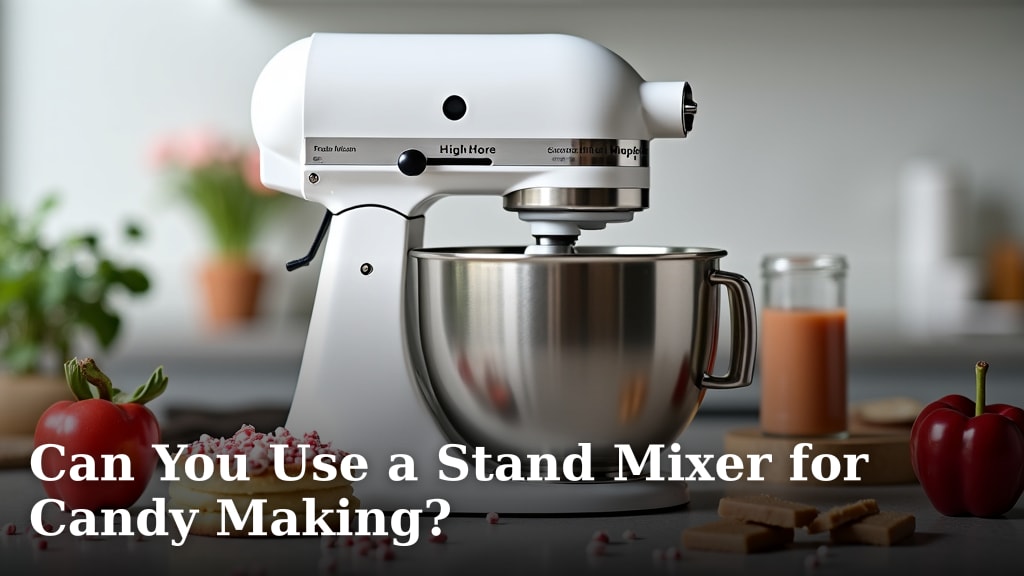
Yes, you can absolutely use a stand mixer for candy making, and it can be a real game-changer for many recipes. We found that it excels at tasks like whipping, kneading, and cooling, making your candy-making process much easier.
You’ll find your stand mixer is perfect for beating warm ingredients that need to cool down quickly, like nougat or divinity. It also handles tough jobs like kneading taffy, saving your arms a lot of work. Many home candy makers swear by their mixer for consistent, professional-level results.
- Stand mixers are great for cooling and aerating candy.
- They handle sticky doughs like taffy with ease.
- You’ll get more consistent textures in your candy.
- It frees up your hands for other kitchen tasks.
- Some candy recipes actually require a stand mixer.
Let’s dive into how your stand mixer can become your best friend in the sweet world of candy making, covering the best uses and some tips to get you started.
Unleashing Your Stand Mixer in Candy Making
Your stand mixer isn’t just for baking bread or whipping cream; it’s a powerful ally in the world of candy making. We found that it can tackle many tasks that would otherwise strain your arms or yield inconsistent results. Think of it as an extra pair of super-strong, tireless hands in your kitchen.
Many candy makers find it transforms challenging recipes into enjoyable projects. From aerating confections to blending thick mixtures, your mixer can save you time and effort, letting you focus on the fun part – tasting your delicious creations.
Key Benefits of Using a Stand Mixer
Why should you bring your stand mixer into your candy-making routine? The advantages are numerous. We found several reasons why home cooks and professional chocolatiers alike rely on these machines.
- Consistent Results: A stand mixer maintains a steady speed, which is vital for many candy reactions. This consistency leads to a smoother texture and better overall quality in your finished candy.
- Hands-Free Operation: This is a big one! While the mixer works, you can prepare other ingredients, monitor temperatures, or even clean up. It makes multitasking so much easier.
- Reduced Physical Strain: Stirring thick fudge or kneading stiff taffy can be tiring. Your mixer handles the heavy lifting, saving your wrists and arms from a workout.
- Temperature Control: For candies that need to cool while being mixed, like nougat, the constant movement in a metal bowl helps distribute heat evenly and cool faster.
- Better Aeration: Many candies benefit from being whipped or beaten to incorporate air. This creates lighter textures, like in divinity or marshmallows, which is hard to achieve by hand.
Best Candy Types for Your Stand Mixer
Not all candies need a stand mixer, but for some, it’s practically essential. We’ve seen how certain recipes truly shine when assisted by mechanical mixing. Let’s look at where your mixer excels.
Whipping and Aerating Candies
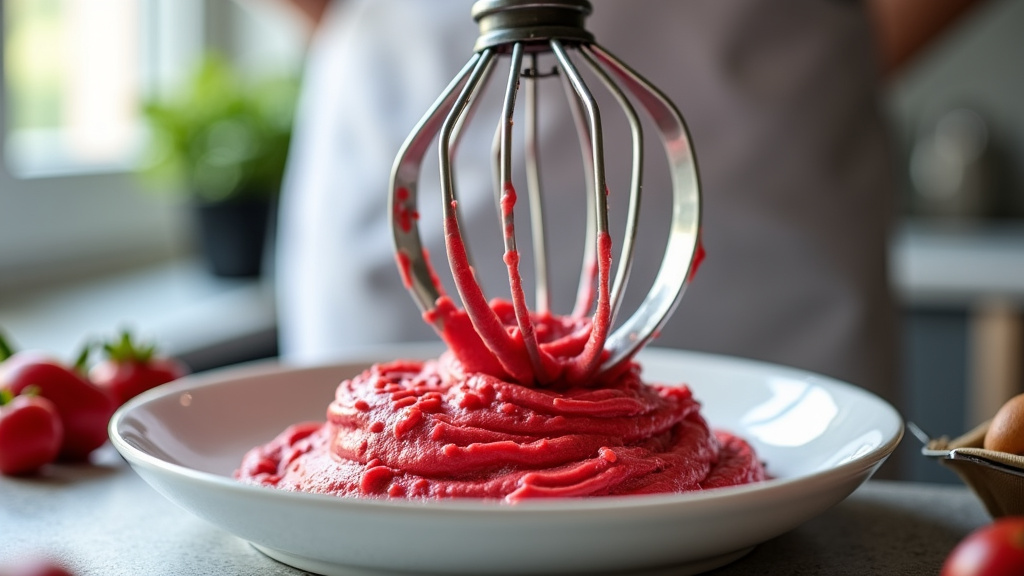
These are the candies where incorporating air makes all the difference. Your stand mixer, especially with the whisk attachment, is perfect here. It creates light, airy textures that are difficult to achieve by hand.
- Nougat: This chewy, nutty confection often requires significant beating to incorporate air and achieve its characteristic texture.
- Divinity: Similar to nougat, divinity relies on whipping egg whites into a stiff, fluffy mixture while hot sugar syrup is slowly added. Your mixer makes this process smooth and steady.
- Marshmallows: Whipping gelatin and sugar syrup into a voluminous, sticky cloud is a job tailor-made for a stand mixer. It ensures the mixture is light and holds its shape.
- Meringue-Based Candies: Any candy that starts with a stable meringue will benefit from the consistent, high-speed whipping a stand mixer provides.
Heavy-Duty Mixing and Kneading
Some candies are simply too thick or sticky to mix by hand comfortably. This is where your stand mixer, usually with a dough hook or paddle attachment, becomes invaluable.
- Taffy: Making taffy involves a long period of stretching and pulling, traditionally done by hand. Your mixer’s dough hook can simulate this kneading action, saving your arms.
- Fudge: While some fudges are simply stirred, others benefit from beating as they cool to achieve a creamy, non-grainy texture. A stand mixer can handle this without tiring.
- Caramels (Cooling Stage): Some caramel recipes involve beating the mixture as it cools to prevent crystallization and achieve a smoother consistency.
Essential Attachments for Candy Making
To get the most out of your stand mixer for candy making, you’ll want to use the right tools. Each attachment serves a specific purpose, helping you achieve optimal results.
The standard attachments that come with most mixers are usually all you need. Don’t feel pressured to buy extra unless a recipe specifically calls for something unique.
| Attachment | Primary Use in Candy Making | Why It’s Good |
|---|---|---|
| Whisk (Wire Whip) | Whipping egg whites, aerating mixtures (nougat, divinity, marshmallows). | Incorporates the most air for light, fluffy textures. |
| Paddle (Flat Beater) | General mixing, beating fudge as it cools, creaming butter and sugar. | Good for medium-thick mixtures; scrapes sides somewhat. |
| Dough Hook | Kneading stiff doughs like taffy. | Designed to pull and stretch, mimicking hand-kneading. |
Tips for Successful Mixer Candy Making
Using your stand mixer effectively in candy making involves a few best practices. We’ve gathered some tips to help you get started and avoid common pitfalls. Think of these as your personal cheat sheet for sweet success. If you are new to this appliance, our guide on how to use a stand mixer can help you get started with confidence.
Temperature Matters
Candy making is often a science of temperature. Your mixer can help, but you still need to be precise.
- Cooling Assistance: When a recipe calls for beating a hot mixture until cool, place your mixer bowl in an ice bath while it runs. This speeds up the cooling process dramatically and helps set the candy correctly (Mayo Clinic).
- Room Temperature Ingredients: For some candies, like fudges with butter, ensuring ingredients are at the right temperature before mixing is still crucial for smooth incorporation.
Scraping the Bowl
Even with a powerful mixer, ingredients can stick to the sides and bottom of the bowl. This is especially true for sticky candy mixtures.
- Frequent Scraping: Pause your mixer periodically to scrape down the sides and bottom of the bowl with a silicone spatula. This ensures all ingredients are evenly incorporated, preventing dry or unset spots.
- Consider a Scraper Attachment: Some stand mixers have an attachment with a flexible edge that scrapes the bowl as it mixes. If you make a lot of candy, this can be a worthwhile investment.
Overmixing is a Real Thing
While mixers are great, they can sometimes be *too* efficient. Overmixing certain candy ingredients can lead to undesirable textures.
- Read the Recipe: Pay close attention to the specified mixing times and texture descriptions. Stop when the candy reaches the described stage, not just when the timer goes off.
- Texture Cues: For fudge, overmixing can make it crumbly. For nougat, it might become too stiff. Learn to recognize the visual and tactile cues the recipe provides.
Stand Mixer Candy Making Checklist
Before you dive into your next candy project with your stand mixer, run through this quick checklist. It will help ensure you have everything ready for a smooth and enjoyable process.
- Is your stand mixer clean and ready to go?
- Do you have the correct attachment (whisk, paddle, dough hook) for your recipe?
- Are your ingredients measured and ready (mise en place)?
- Do you have a heat-proof spatula for scraping the bowl?
- Is a candy thermometer handy if your recipe requires precise temperatures?
- Do you have an ice bath prepared if the recipe calls for rapid cooling?
Conclusion
As you’ve seen, your stand mixer is more than just a baking tool; it’s a powerful and versatile assistant for candy making. We found it truly simplifies many traditionally challenging recipes, from the delicate aeration needed for nougat to the heavy kneading of taffy. By embracing your mixer, you gain consistency, save effort, and free up your hands for other tasks. This means you can create beautifully textured, professional-quality candies right in your own kitchen.
So, pull out your stand mixer, choose an exciting candy recipe, and let your trusty appliance do the hard work. You’ll be delighted by the delicious results and the newfound ease in your candy-making adventures!
Frequently Asked Questions
Can I use a hand mixer instead of a stand mixer for candy?
For some lighter tasks like whipping small batches of meringue, a hand mixer might work. However, for thicker mixtures like taffy or large batches of nougat, a stand mixer’s power and hands-free operation are essential. A hand mixer can quickly burn out or be difficult to hold for extended periods with dense candy mixtures.
Does the bowl material of my stand mixer matter for candy making?
Yes, it can. Metal bowls (stainless steel) are generally preferred for candy making because they transfer heat well, which is great for recipes that need to cool down quickly in the mixer. Glass bowls retain heat longer, which can be a disadvantage when trying to cool certain candies.
How do I clean sticky candy residue from my stand mixer bowl and attachments?
The easiest way is to fill the bowl with very hot water and let the sticky residue soak for about 15-30 minutes. This will dissolve most hardened sugar or caramel. For tough spots, a silicone spatula can help scrape them away after soaking. Avoid harsh abrasives that can scratch your bowl. Our guide on how to clean stand mixer attachments provides detailed instructions for maintaining your tools.
Can a stand mixer help prevent crystallization in candy?
Indirectly, yes. Consistent, even mixing by a stand mixer can help incorporate ingredients thoroughly and cool mixtures more evenly, which can reduce the chances of crystallization in some recipes. However, proper temperature control and avoiding sugar crystals on the side of the pan are still your primary defenses against crystallization.
What’s the best speed to use on my stand mixer for most candy recipes?
It varies by recipe and stage. Generally, you’ll start on a lower speed to incorporate ingredients without splashing, then increase to medium-high or high for whipping and aerating. For dense mixtures like taffy, a medium-low speed with the dough hook is usually sufficient. Always follow your specific recipe’s guidance.