How to Shred Pork with a Stand Mixer?
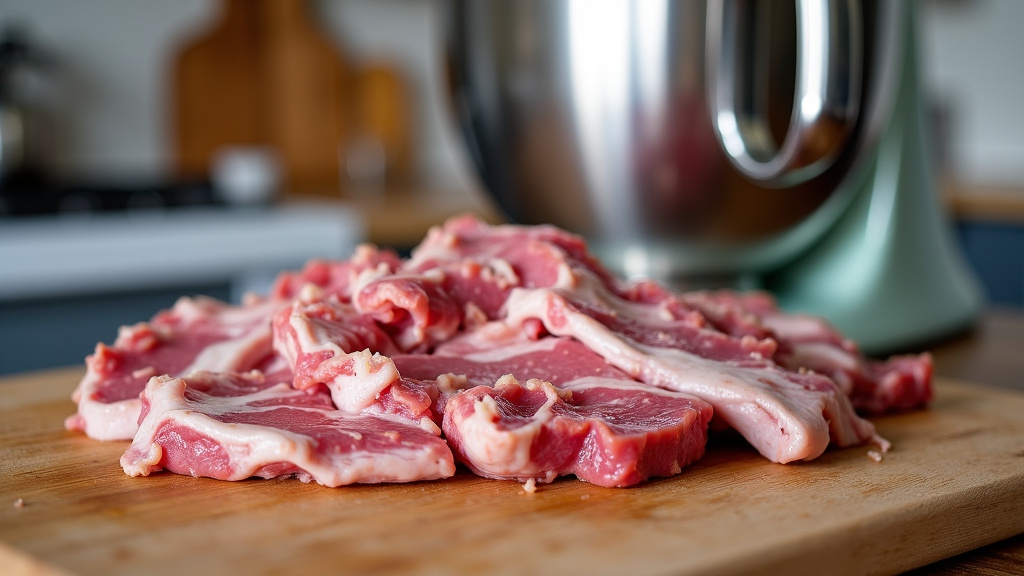
The easiest way to shred pork with a stand mixer is to use the paddle attachment on medium-low speed. Place your cooked, hot pork directly into the mixer bowl. The paddle will quickly break down the meat fibers, giving you perfectly shredded pork in minutes.
You might be surprised how well this kitchen gadget tackles the job. We’ve found it’s a huge time-saver compared to shredding by hand. This method works for pulled pork, carnitas, or any recipe needing beautifully shredded meat. It’s also surprisingly simple to do.
- Use a stand mixer with a paddle attachment.
- Ensure pork is hot and cooked thoroughly.
- Place pork directly into the mixer bowl.
- Start on medium-low speed.
- Shredding takes only a few minutes.
Ready to ditch the forks and get perfectly shredded pork with minimal effort? Let’s walk through exactly how this works, step by step.
Getting Your Pork Ready for the Mixer
Before you even think about plugging in your stand mixer, you need to make sure your pork is ready for its shredding debut. The right prep makes all the difference for perfect results.
Choosing the Right Cut of Pork
While this method works for many pork dishes, some cuts are better than others. You want pork that is tender and easy to pull apart. We found that tougher cuts with more connective tissue work best when cooked to perfection.
Good choices include pork shoulder, also known as pork butt. This cut has a good amount of fat and collagen, which breaks down during slow cooking. Pork loin is generally too lean and might dry out or be harder to shred.
The Importance of Proper Cooking
This is arguably the most crucial step. Your pork must be cooked until it’s falling-apart tender. If it’s tough, your mixer will struggle, and you’ll end up with chunks, not shreds.
Slow cooking methods like a slow cooker, oven braising, or smoking are ideal. You want the internal temperature to be high enough for the connective tissues to break down. Many sources suggest cooking pork shoulder to at least 195-205°F (90-96°C) for easy shredding (USDA).
Don’t be afraid to cook it a little longer than you think. The goal is extreme tenderness. It should almost melt in your mouth before it even hits the mixer bowl.
Keep it Hot, Keep it Moist
You might be tempted to let your pork cool down. Don’t! For the best shredding experience, the pork needs to be hot, almost straight out of the cooking vessel. Hot meat fibers separate much more easily.
Also, make sure the pork isn’t dry. If you cooked it in a liquid, like a braise or slow cooker, ensure there’s still some of that delicious cooking liquid available. You can add a little back to the meat if it looks dry before shredding.
Setting Up Your Stand Mixer for Success
Now that your pork is ready, it’s time to get your stand mixer prepared. This part is quick and easy, but getting it right ensures a smooth shredding process.
The Essential Attachment: Your Paddle
For shredding pork, you need the paddle attachment. This is sometimes called the flat beater. It’s designed to mix and cream, but it’s also perfect for breaking down cooked meat fibers.
Do not use the whisk attachment. It will just tangle up the pork and make a mess. The dough hook is also not suitable for this task. Stick with the paddle for the best results every time.
Choosing the Right Bowl Size
Consider the size of your pork batch. If you have a very large cut, you might need to shred it in batches. Overfilling the bowl can make the mixer work too hard and lead to uneven shredding. Give the paddle room to work.
A standard 4.5-quart or 5-quart mixer bowl usually handles a good-sized pork shoulder. If you’re unsure, it’s better to do two smaller batches than one giant one.
The Step-by-Step Shredding Process
You’ve prepped your pork, set up your mixer, and you’re ready to go. Here’s exactly how to transform that tender meat into perfect shredded pork in minutes.
Placing the Pork in the Bowl
Carefully transfer your hot, cooked pork directly into the stand mixer bowl. If there are any large bones, remove them first. You don’t want bones rattling around in your mixer.
You can leave larger pieces of meat in the bowl; the paddle will break them down. If you have very large chunks, you might break them into 2-3 pieces with tongs first. This can sometimes speed up the process.
A little cooking liquid or fat is fine to include. It helps keep the pork moist during shredding. Don’t drain it completely unless your recipe specifically calls for dry shredded pork.
Starting the Mixer: Speed and Time
Attach the paddle, lower the mixer head, and lock it into place. Start your mixer on a low speed, usually speed 2 or 3 on most mixers. You want to see the paddle just begin to catch and pull at the meat.
Resist the urge to crank it up to high speed immediately. Too much speed can create a fine, mushy texture. We found that medium-low is the sweet spot for most pork cuts.
Let it run for about 30 seconds to a minute. Then, check the consistency. You’ll see the meat starting to break apart and shred. It’s quite satisfying to watch!
Monitoring and Adjusting
Keep an eye on the pork. You’ll notice it changing from large chunks to stringy, shredded pieces. This process usually takes 2-4 minutes, depending on the tenderness of your pork and the batch size.
If you see some pieces that aren’t shredding well, you can briefly stop the mixer, use tongs to move the larger pieces closer to the paddle, and restart. You can also increase the speed slightly to medium if it’s struggling, but go slow.
Once you reach your desired consistency, turn off the mixer. The pork should be uniformly shredded. It’s that easy!
Troubleshooting and Tips for Perfect Shredded Pork
Even though this method is simple, sometimes little things can go wrong. Here are a few tips to help you get perfect results every time, along with how to fix common issues.
What if My Pork Isn’t Shredding Properly?
If your pork isn’t shredding, it’s almost always due to one main reason: it wasn’t cooked long enough. If the meat is tough, the paddle won’t be able to break down the fibers.
What can you do? If it’s only slightly tough, try increasing the mixer speed a little. If it’s still very chunky and resistant, you might need to return it to your slow cooker or oven for more cooking time. It’s a pain, but better to cook it longer than have tough, un-shredded pork.
Avoiding Dry or Mushy Pork
To avoid dry pork, make sure you don’t over-shred it. Once it reaches the desired consistency, stop the mixer. Over-shredding can also lead to a mushy texture, especially if it was very tender to begin with.
A little added cooking liquid helps keep it moist. If your pork seems a bit dry after shredding, stir in a spoonful or two of the reserved cooking juices or even some chicken broth. This will rehydrate it and add flavor.
Cleaning Up Your Mixer
Once you’re done, cleaning up is fairly straightforward. Remove the bowl and paddle attachment. The pork might stick a bit, but it usually comes off easily with a spatula. Soak the bowl and paddle in warm, soapy water right away. This prevents any meat bits from drying and sticking.
Most mixer bowls and paddle attachments are dishwasher safe, but always check your manufacturer’s instructions. A quick rinse and soak makes handwashing a breeze too.
Why This Method is a Game-Changer
You might be wondering if it’s really worth it to pull out the stand mixer for this. We found the benefits make it absolutely worth the minimal effort.
Time-Saving Efficiency
The most obvious benefit is how much time you save. Shredding a large pork shoulder by hand with two forks can take 15-20 minutes of steady work. Your arms get tired, and it’s a bit tedious.
With a stand mixer, you’re looking at 2-4 minutes of actual shredding time. You can walk away for a minute, check on something else, and come back to perfectly shredded pork. It’s incredibly efficient.
Consistent Texture Every Time
Hand-shredding can sometimes lead to uneven pieces. Some might be too chunky, others too fine. The stand mixer’s paddle attachment creates a remarkably consistent texture.
Every strand of pork will be similar in size, which is perfect for sandwiches, tacos, or any dish where uniform texture matters. This consistency is one of the big reasons why professional kitchens often use similar techniques.
Less Mess, Less Effort
Anyone who has shredded hot meat by hand knows it can be a bit messy. Forks flying, juice splattering. With the mixer, the mess is largely contained within the bowl. Less splatter on your countertops and clothes.
Plus, there’s just less physical effort involved. Your hands and wrists get a break. It’s a simple, set-it-and-forget-it approach for the majority of the shredding time.
Your Shredding Checklist
Before you dive into your next pulled pork adventure, here’s a quick checklist to make sure you’re ready:
Is your pork cooked until it’s very tender and falling apart?
Is the pork still hot when you put it in the mixer?
Do you have the paddle attachment securely in place?
Are any large bones removed from the pork?
Are you starting the mixer on a low to medium-low speed?
Conclusion
You’ve seen that using your stand mixer to shred pork isn’t just a clever hack; it’s a genuinely efficient and effective method. By ensuring your pork is perfectly cooked and hot, and using the right paddle attachment, you can achieve consistently shredded meat in a fraction of the time. This frees you up to focus on the delicious meal you’re preparing, rather than tiring out your arms with forks.
So, next time you’re making pulled pork sandwiches or carnitas tacos, don’t hesitate. Pull out that stand mixer. You’ll be amazed at the time you save and the perfect texture you achieve. It’s a simple change that makes a big difference in your kitchen routine!
Frequently Asked Questions
Can I shred cold pork in a stand mixer?
We found that shredding cold pork is much more difficult. The muscle fibers are tighter and less pliable when cold. For the best results and easiest shredding, your pork should be hot and fresh out of the cooker.
What if I don’t have a paddle attachment for my mixer?
The paddle attachment is designed to break down ingredients without pulverizing them, making it ideal for shredding. If you don’t have one, the whisk attachment will likely make a messy pulp, and a dough hook won’t work. We suggest acquiring a paddle attachment for this task.
Does this method work for other meats, like chicken or beef?
Yes, this method works wonderfully for other tender, cooked meats! It’s especially good for shredding cooked chicken breasts or thighs for things like tacos or casseroles. Just ensure the meat is hot and cooked to falling-apart tenderness, just like with pork.
How can I prevent my pork from becoming mushy?
To prevent mushy pork, do not over-shred it. Monitor the mixer closely and stop it as soon as the pork reaches your desired shredded consistency. Using a medium-low speed also helps maintain texture, preventing the meat from being over-processed.
Can I add barbecue sauce or seasoning to the pork while it’s in the mixer?
While you can, we generally recommend shredding the pork first. This ensures the meat is evenly shredded. After shredding, you can then transfer it to another bowl and mix in your sauces or seasonings thoroughly for better flavor distribution.