Can You Use a Stand Mixer to Shred Pork?
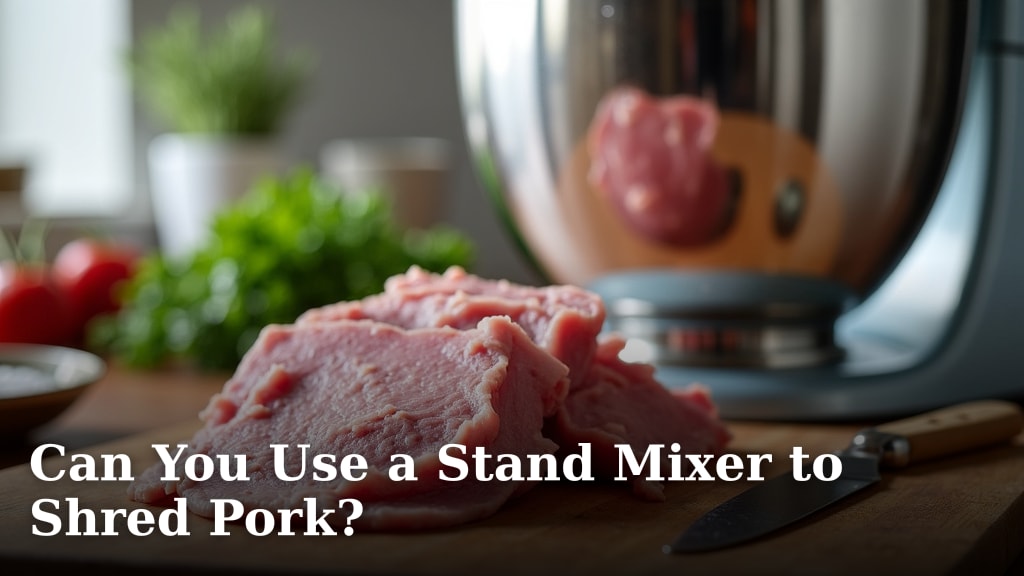
Yes, you absolutely can use a stand mixer to shred pork, and it’s a fantastic kitchen hack. This method makes quick work of turning cooked pork into perfectly shredded meat for your favorite dishes. It saves you a lot of time and effort compared to using forks.
Many home cooks love this technique for making pulled pork sandwiches or tacos. It’s a simple process that delivers consistent results every time. You’ll wonder why you ever shredded pork by hand once you try it with your kitchen stand mixer.
- Shred cooked pork quickly and easily.
- Use your stand mixer for perfect pulled pork.
- Save time and effort in the kitchen.
- Get consistent results for tacos and sandwiches.
Ready to ditch the forks and try this kitchen wizardry? Let’s walk through exactly how this works step by step, so you can start shredding like a pro.
Shredding Pork with Your Stand Mixer: A Game Changer
Yes, your stand mixer is perfectly capable of shredding cooked pork. It’s a method many home cooks swear by for its efficiency and ease. You’ll get beautifully shredded pork in minutes, ready for all your favorite recipes.
Why Use a Stand Mixer for Shredding?
You might be wondering, “Why bother with a mixer when I have forks?” Well, there are several compelling reasons. The main one is speed. What could take 10-15 minutes of manual shredding can be done in 60-90 seconds with a stand mixer.
Another benefit is consistency. The mixer provides uniform shredding, meaning you get evenly sized pieces of pork. This is great for texture, especially in dishes like pulled pork sandwiches where every bite counts. It also saves your hands from the strain and heat of handling hot meat.
Speed and Efficiency
Imagine preparing for a backyard BBQ. You’ve got a lot to do. Standing over a hot piece of pork, pulling it apart with two forks, can feel like a chore. With a stand mixer, you simply drop the meat in, turn it on, and let it do the work. This frees you up to focus on other parts of your meal prep, saving precious time.
Uniform Texture
Have you ever had pulled pork with some big chunks and some tiny shreds? It’s not ideal. The stand mixer ensures a consistent texture throughout your batch. This makes for a much more enjoyable eating experience, whether it’s in tacos, sliders, or a hearty stew.
The Best Stand Mixer Attachments for Shredding Pork
Choosing the right attachment is key to successful pork shredding. You have a couple of good options, and each works a bit differently. We’ll look at the flat beater and the dough hook.
The Flat Beater (Paddle Attachment)
The flat beater is usually your best bet for shredding pork. It’s designed for mixing thicker batters, creaming butter, and mashing potatoes. Its broad, flat surface is excellent at breaking down cooked meat fibers without turning them into mush.
When the flat beater rotates, it pulls and tears the pork in a way that mimics manual shredding, but with much more power. This results in those lovely, long strands you want for pulled pork.
The Dough Hook
While less common for shredding, some people do use the dough hook. This attachment is primarily for kneading dough, but its shape can also help pull apart meat. It tends to be a bit gentler than the flat beater.
If you find the flat beater is shredding your pork too finely, or if you prefer slightly chunkier pieces, the dough hook might be worth trying. However, we found that most home cooks get superior results with the flat beater for typical pulled pork consistency.
Preparing Your Pork for the Mixer
Before your pork meets the mixer, a little preparation goes a long way. This ensures the best shredding experience and prevents damage to your appliance.
Cooked and Tender Pork is Essential
This method only works with fully cooked and tender pork. Whether you’ve slow-cooked a pork shoulder, smoked a butt, or braised a loin, the meat needs to be fall-apart tender. If it’s tough, the mixer won’t shred it effectively, and you might even strain the motor.
Think about pork that’s easily pulled apart with a fork. That’s the perfect consistency for your stand mixer. If it’s still firm, give it more cooking time.
Remove Excess Fat and Bones
Before placing the pork into the mixer bowl, make sure to remove any bones, large pieces of fat, or gristle. Bones can damage your mixer attachment or bowl. Excess fat might not shred properly and can create an unappetizing texture in your final dish.
A little fat is fine, as it adds flavor and moisture. But trim off the really large, hard chunks. This step takes only a minute or two but is crucial for good results and mixer longevity.
Size Matters: Cut into Manageable Chunks
Don’t throw a whole pork shoulder into your mixer. Cut your cooked pork into manageable chunks. Pieces roughly the size of your fist or smaller work best. This allows the attachment to grab the meat effectively and prevents the mixer from being overloaded.
If the pieces are too large, the mixer might struggle, or the pork might just spin around without shredding. Smaller chunks ensure even and efficient shredding.
Step-by-Step Guide to Shredding Pork in a Stand Mixer
Here’s how to do it, simply and effectively. You’ll be amazed at how easy it is.
The Shredding Process
- Attach the flat beater to your stand mixer. Make sure it’s securely in place.
- Place your prepared pork chunks (cooked, tender, deboned, defatted) into the mixer bowl. Don’t overfill the bowl; it’s better to do it in batches if you have a lot of meat.
- Start the mixer on a low speed. Speed 2 or 3 is usually perfect. If you go too fast, the meat can fly out, or you might over-shred it.
- Let it run for about 30-60 seconds. Keep an eye on the consistency. You’ll see the meat breaking down quickly.
- Stop the mixer and check the pork. Use a fork or tongs to see if it’s shredded to your liking. If not, run it for another 15-30 seconds.
- Remove the shredded pork from the bowl. You’re all done!
Tips for Perfect Pulled Pork
- Work in batches: If you’re shredding a large amount of pork, do it in smaller batches to avoid overloading your mixer. This helps the mixer work efficiently and prevents motor strain.
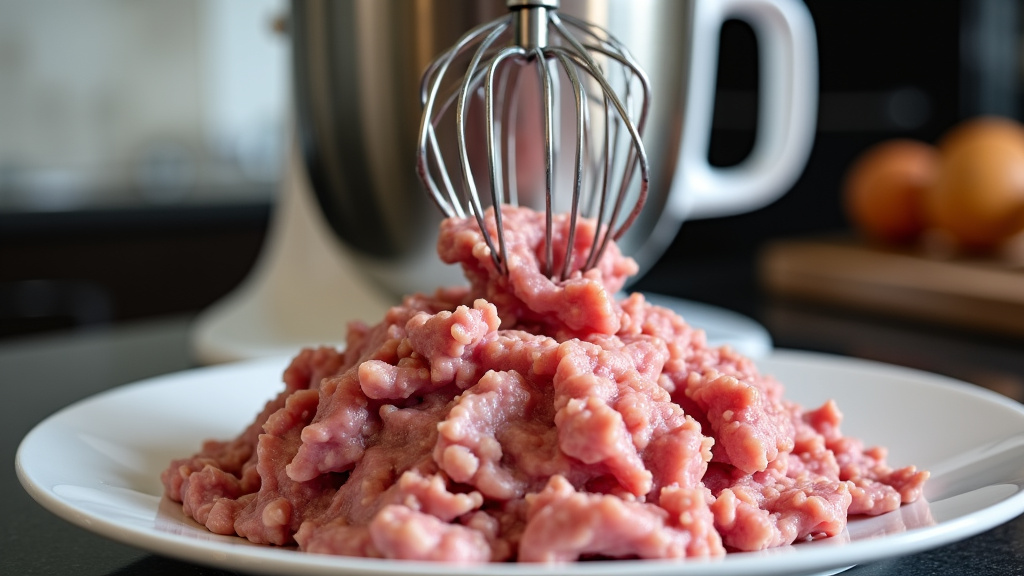
- Don’t over-shred: Over-shredding can turn your pork into a very fine, mushy texture. You want distinct strands. Keep an eye on it and stop when it looks just right.
- Warm pork shreds best: While you can shred cold pork, warm or hot pork shreds much more easily. The fibers are softer and pull apart without much resistance.
- Add a little liquid: If your pork seems a bit dry, add a tablespoon or two of its cooking liquid or broth to the bowl while shredding. This can help it shred more easily and add moisture.
Troubleshooting Common Shredding Issues
Even though it’s simple, you might run into a minor snag. Here’s what to do if things don’t go perfectly.
Pork Isn’t Shredding Properly
If your pork isn’t shredding, it’s likely one of two issues. First, the pork might not be tender enough. It needs to be very soft, almost falling apart before it goes into the mixer. If it’s tough, it will just spin around or tear into large chunks. We found that tender, well-cooked meat is the foundation (USDA).
Second, your chunks might be too large. Cut them into smaller, more manageable pieces so the beater can grab and tear them effectively. Also, ensure you’re using the flat beater attachment, as it’s generally the most effective.
Pork is Turning to Mush
If your pork is becoming too fine or mushy, you’re probably over-shredding it. This happens if the mixer runs for too long or on too high a speed. Start on a low speed and check the consistency frequently. It’s better to under-shred and run it for a few more seconds than to over-shred.
Sometimes, very wet pork can also become mushy more quickly. If you added liquid, try reducing it slightly next time.
Beyond Pork: What Else Can Your Mixer Shred?
Once you see how amazing your stand mixer is for pork, you might wonder what else it can do. It’s not just a one-trick pony!
Chicken and Beef
Absolutely! Cooked, tender chicken breasts, thighs, or even a whole chicken can be shredded in your stand mixer. It’s fantastic for chicken salad, tacos, or casseroles. Just remove bones and skin first.
Similarly, tender, cooked beef (like pot roast or brisket) can also be shredded. This is great for BBQ beef sandwiches or chili. Always make sure the meat is fork-tender before attempting to shred it in the mixer.
Other Uses
While not strictly “shredding,” your stand mixer is a powerhouse for many kitchen tasks. Think about mashing potatoes, making whipped cream, mixing meatballs, or even shredding some types of soft, cooked vegetables. Its versatility is truly impressive, making it a valuable tool in any kitchen.
Conclusion
You’ve seen how your stand mixer can easily transform cooked pork into perfectly shredded meat. This method saves you time and effort, making meal prep for pulled pork sandwiches, tacos, or other dishes much simpler. We found it consistently delivers a great texture, far superior to manual shredding.
Stop struggling with forks. Grab your stand mixer and flat beater. You’ll achieve beautifully shredded pork in mere seconds. Give this kitchen hack a try for your next meal. You’ll wonder how you ever managed without it.
Frequently Asked Questions
Does the pork need to be hot to shred in a stand mixer?
While you can shred cold pork, it’s much easier and more effective to shred it warm or hot. The heat helps the muscle fibers relax, allowing them to pull apart more readily. This gives you better results and less strain on your mixer.
Can I shred a really large batch of pork all at once?
It’s best to shred pork in batches, especially if you have a large amount. Overfilling your mixer bowl can put too much strain on the motor and prevent even shredding. Work with manageable portions, roughly a few fist-sized chunks at a time, for optimal results.
What if my pork is too dry after shredding?
If your shredded pork seems dry, you can easily reintroduce moisture. Add a few tablespoons of its original cooking liquid, broth, or your favorite BBQ sauce to the bowl after shredding. Gently mix it in by hand or on very low speed for a few seconds.
Will using a stand mixer damage my pork or my mixer?
No, when done correctly, using a stand mixer for shredding pork is safe for both. Ensure your pork is cooked until fall-apart tender, and always remove bones and large fat pieces. Using the correct attachment (flat beater) and a low speed will protect your mixer and yield perfectly shredded meat.
Can I use this method for other meats like fish?
This method is generally best for fibrous meats like pork, chicken, and beef. We found that delicate fish, like salmon or cod, tend to flake apart naturally and can become mushy if put in a stand mixer. Stick to the heartier meats for this shredding technique.