
Do You Need a Commercial Mixer for a Home Bakery?
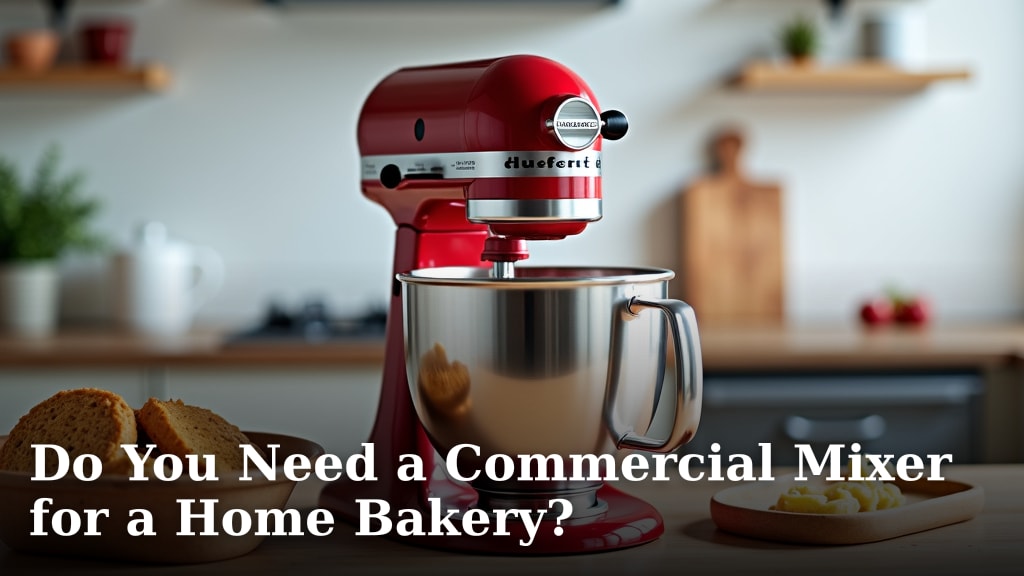
You don’t always need a commercial mixer for a home bakery, but it can be a game-changer if you bake frequently. While your trusty stand mixer might get the job done for small batches, a commercial model offers superior power and capacity. This is especially true if you’re regularly making large quantities of dough or batter.
Thinking about upgrading your home baking setup? Deciding between a home model and a commercial one involves looking at your baking volume and the types of recipes you make. Commercial mixers are built for heavy-duty use, meaning they can handle tougher tasks like kneading dense bread dough for hours without overheating.
- Commercial mixers offer more power and capacity.
- They are built for consistent, heavy-duty use.
- Consider your typical batch sizes and recipe types.
- A smaller home mixer might suffice for occasional baking.
Let’s dive into the pros and cons to help you decide if a commercial mixer is the right fit for your home bakery dreams.
When Does a Home Bakery Need a Commercial Mixer?
So, you’re passionate about baking from your home kitchen. Maybe you’re dreaming of a small business or just love making treats for friends and family. The question of whether you need a commercial mixer often comes up. It’s a big purchase, and you want to make sure it’s the right move for your baking goals.
The short answer? It depends on how much you bake and what you bake. Your current home mixer might be perfectly fine. But if you’re finding yourself limited, it’s time to look at the benefits a commercial model can bring. We’ll help you figure out if it’s a wise investment for your kitchen.
Understanding Mixer Power and Capacity
Home mixers are designed for typical home use. They’re great for a batch of cookies or a single cake. Commercial mixers, on the other hand, are built for heavy-duty kitchens. Think bakeries or restaurants where mixers run for hours each day.
Motor Strength: The Engine of Your Mixer
One of the biggest differences is the motor. Commercial mixers have much more powerful motors. This allows them to handle large batches and dense ingredients like bread dough for extended periods. Research shows that commercial mixers typically have motors that are twice as powerful, if not more, than their home counterparts (Culinary Institute of America).
A stronger motor means less strain on the machine. It can mix tougher doughs without overheating or struggling. This is a major factor if you plan on making a lot of bread or other stiff doughs. You won’t have to worry about burning out your mixer.
Bowl Size Matters for Volume
Capacity is another key differentiator. Commercial mixers come with much larger bowls, often holding 5 quarts, 10 quarts, or even more. This means you can mix bigger batches of batter or dough all at once. If you’re baking for events or selling goods, this saves a lot of time.
Imagine making a dozen cakes. With a home mixer, you might need to mix the batter multiple times. A commercial mixer could potentially do it in one or two large batches. This efficiency boost is invaluable for a busy home bakery.
When Your Home Mixer Starts to Struggle
You might already own a solid home stand mixer. Many bakers start with these, and they work well for a while. But there are signs your current setup might not be keeping up with your ambitions.
The Overheating Signal
Has your mixer ever smelled like it’s burning? Or worse, did it stop working mid-batch? That’s a clear sign the motor is working too hard. Home mixers aren’t designed for continuous heavy use. They can overheat if you push them too much, especially with dense doughs or long mixing times.
A commercial mixer is built to run for longer periods. Its motor and cooling systems are designed to handle the heat generated by tough mixing jobs. This reliability is crucial when you have orders to fill and deadlines to meet.
The “Too Many Batches” Problem
If you find yourself dividing your recipes into multiple small batches just to accommodate your mixer’s bowl size, it’s a sign you need more capacity. This process is not only time-consuming but also increases the chance of error. Consistency across batches can be harder to achieve when you’re constantly stopping and starting.
With a larger bowl, you can mix more ingredients at once. This leads to more consistent results and significantly speeds up your baking process. You can focus on perfecting your recipes, not on managing your mixer’s limitations.
Dough Consistency Issues
Some recipes, especially enriched bread doughs or thick cookie doughs, require serious mixing power. If your home mixer is leaving lumps, not fully developing gluten, or just can’t seem to bring the dough together properly, it might be a power issue. You’re left with less-than-ideal textures in your finished products.
Commercial mixers typically have planetary action or spiral dough hook systems that are more efficient at kneading and mixing. They can properly develop gluten for bread or emulsify batters for cakes and pastries. This results in a better final product.
The Advantages of a Commercial Mixer for Home Use
Investing in a commercial mixer can transform your home baking experience. It’s not just about having a bigger machine; it’s about enhanced capability and efficiency.
Durability and Longevity
Commercial mixers are made with higher-quality materials. They often feature metal gears and more robust construction compared to plastic components found in many home models. This means they are built to last, even with daily use. Many experts agree that the durability of commercial equipment is a significant advantage for serious bakers (Foodservice Equipment Association).
This means your investment will likely pay off in the long run. You won’t have to worry about replacing your mixer every few years. It becomes a reliable workhorse for your baking endeavors.
Versatility with Attachments
Many commercial mixers come with a range of attachments, or have them available as add-ons. These can include pasta makers, meat grinders, and even ice cream attachments. This expands your culinary horizons beyond just baking. You can turn your mixer into a versatile kitchen hub.
Think about making fresh pasta for dinner or grinding your own meat for burgers. These capabilities can add value to your kitchen beyond just your bakery business. It’s a multi-purpose tool for any food enthusiast.
Time Savings and Efficiency Boost
As mentioned, larger batches mean less mixing time overall. You can prepare doughs and batters more quickly. This is a huge advantage when you’re juggling multiple orders or preparing for a busy bake sale. The efficiency gained can be immense.
Consider the hours saved over a month or a year. That time can be reinvested into developing new recipes, marketing your products, or simply enjoying more downtime. It streamlines your entire baking workflow.
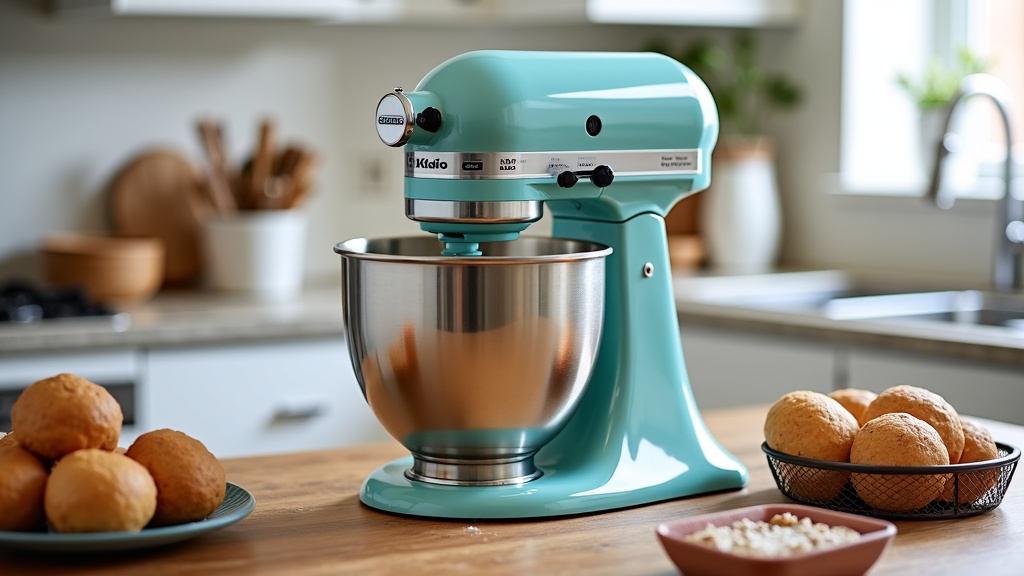
Considerations Before You Buy
While a commercial mixer sounds amazing, it’s important to weigh the pros against the cons for your specific situation. It’s a significant investment, both in cost and space.
Space Requirements
Commercial mixers are typically larger and heavier than home models. Do you have adequate counter space or storage for one? They can take up a considerable footprint in your kitchen. You’ll need to measure carefully to ensure it fits comfortably and safely.
Think about where it will live when not in use. Some models are quite heavy, making them difficult to move. Ensure you have a dedicated spot where it can stay or be easily accessed.
Noise Levels
More power often means more noise. Commercial mixers can be quite loud when running, especially when working with tough doughs. If you live in an apartment or have light sleepers nearby, this is something to consider. It might not be ideal for early morning or late-night baking sessions.
Cost of Investment
Commercial mixers are a significant financial commitment. They can cost anywhere from a few hundred dollars for smaller, lighter-duty models to several thousand for professional-grade machines. You need to assess if your current or projected baking volume justifies the higher price tag.
Think of it as an investment in your business or your passion. If you’re baking frequently and making a profit, the cost can be recouped over time through increased efficiency and output. But for casual bakers, it might be overkill.
Power Requirements
Some very large commercial mixers might require a specific electrical outlet or higher voltage. Check the wattage and power requirements before you buy. Ensure your home kitchen’s electrical system can support the load without tripping breakers. Most home bakers won’t run into this issue with common 5-10 quart models, but it’s good to be aware of.
A Quick Checklist: Is a Commercial Mixer Right for You?
Here’s a simple way to assess your needs:
- Do you bake bread or other dense doughs more than twice a week?
- Do you regularly make large batches (e.g., for parties, selling treats)?
- Has your current mixer ever overheated or struggled significantly?
- Are you preparing ingredients for multiple recipes in one baking session?
- Do you have the necessary kitchen space and budget for a larger appliance?
- Are you looking for increased efficiency and time savings in your baking process?
If you answered “yes” to several of these questions, it’s likely time to start exploring commercial mixer options. If most answers are “no,” your current home mixer might still be your best bet.
Conclusion
Deciding whether to upgrade to a commercial mixer for your home bakery comes down to your baking habits. If you find yourself frequently battling overheating, mixing in multiple small batches, or struggling with tough doughs, a commercial model offers the power and capacity you need. While they require more space and a higher initial investment, their durability and efficiency can be a worthwhile trade-off for serious bakers. If your current mixer is keeping up with your passion and production, you might not need the upgrade just yet. Start by honestly assessing your baking volume and recipe demands.
Frequently Asked Questions
How much more powerful are commercial mixers compared to home models?
Commercial mixers typically feature motors that are significantly more powerful than those found in home mixers. Research indicates they can be twice as powerful or more. This enhanced motor strength allows them to handle dense doughs and operate for longer periods without overheating.
Can a commercial mixer help me save time in my home bakery?
Yes, a commercial mixer can save you a considerable amount of time. Their larger bowl capacity allows you to mix bigger batches all at once, reducing the need for multiple mixing cycles. This efficiency boost is especially helpful when fulfilling orders or preparing for events.
Are commercial mixers too loud for a home kitchen?
Commercial mixers can be noticeably louder than home models, especially when processing heavy doughs. If noise is a concern, consider the models available and think about your household’s sensitivity to sound. You might need to plan your baking schedules accordingly.
What are the main space considerations for a commercial mixer?
Commercial mixers are generally larger and heavier than their home counterparts. You’ll need to ensure you have sufficient counter space for operation and storage. Consider the mixer’s footprint and its weight if you plan to move it frequently.
When should I consider a commercial mixer if I sell baked goods from home?
You should seriously consider a commercial mixer if you regularly bake large quantities, frequently work with dense doughs like bread, or if your current mixer shows signs of strain like overheating. If your home baking business is growing and your current equipment is limiting your output or quality, it’s likely time to upgrade.
