How to Start a Home Bakery with a Stand Mixer?
On this page (7 sections)
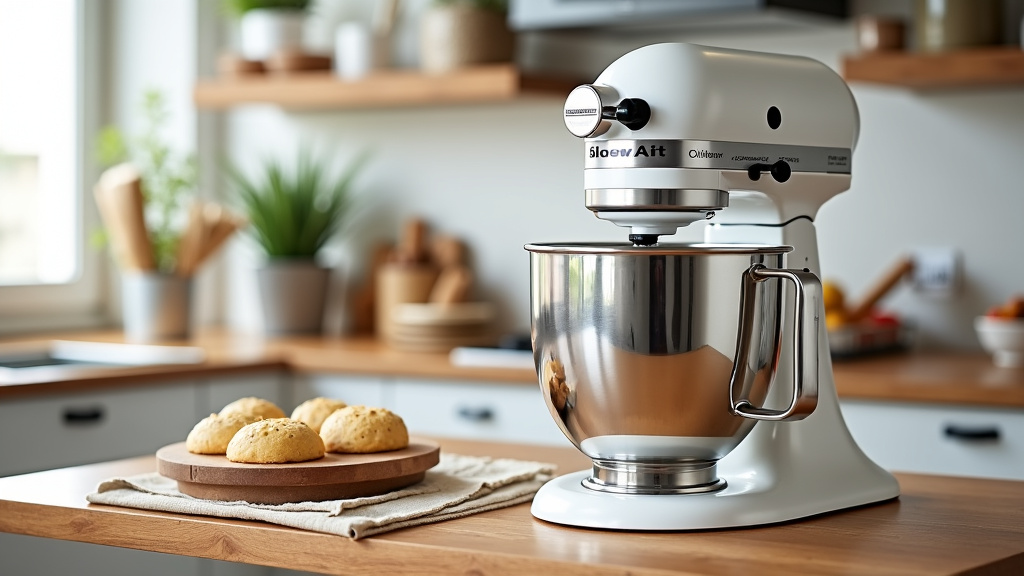
You absolutely can start a home bakery using a stand mixer! A good stand mixer is often the heart of a home bakery, making many tasks easier and faster. This essential tool helps you create delicious baked goods efficiently.
Many aspiring bakers wonder if their home kitchen equipment is enough to start a business. We found that a high-quality stand mixer is a Our guide to the best stand mixer for home bakers can help you choose a model that meets your specific needs.powerful investment for any home baker. It allows you to produce consistent, professional results without needing expensive commercial equipment right away.
- A stand mixer is key for home bakery success.
- You can produce professional baked goods.
- Starting small keeps costs down.
- Focus on quality and consistency.
- Know your local cottage food laws.
So, are you ready to turn your passion for baking into a profitable venture? Let’s walk through how to launch your very own home bakery, all with the help of your trusty stand mixer.
Setting Up Your Home Bakery with Your Stand Mixer
Starting a home bakery is an exciting journey, and your stand mixer will be your best friend. It’s more than just an appliance; it’s the workhorse that helps bring your baking dreams to life, making tasks like kneading dough and whipping cream much easier.
Choosing the Right Stand Mixer for Your Bakery
Not all stand mixers are created equal, especially when you plan on using them for a small business. You need a mixer that can handle consistent use and larger batches. Think about durability and power.
Power and Capacity Considerations
For a home bakery, we found that a stand mixer with at least a 325-watt motor is ideal. This power level ensures your mixer won’t strain when mixing stiff doughs like sourdough or bagels. You’ll also want a bowl capacity of at least 5 quarts. This allows you to scale up recipes without mixing multiple small batches, saving you time.
- Motor Power: Aim for 325 watts or more for consistent performance.
- Bowl Size: A 5-quart bowl is a good starting point for most home bakeries.
- Durability: Look for models with metal gears, as they tend to last longer.
- Attachments: Ensure it comes with a dough hook, whisk, and flat beater.
Stand Mixer vs. Hand Mixer: Why Upgrade?
While a hand mixer is great for occasional baking, a stand mixer is a game-changer for a home bakery. It frees your hands, allowing you to prep other ingredients or clean as it works. This efficiency is crucial when you’re managing multiple orders. Plus, the consistent mixing action of a stand mixer often leads to better texture in your baked goods.
| Feature | Hand Mixer | Stand Mixer |
|---|---|---|
| Power | Lower, can struggle with stiff doughs | Higher, handles dense doughs with ease |
| Capacity | Small batches only | Larger batches, 5+ quarts typical |
| Hands-Free Operation | No | Yes, allows for multitasking |
| Durability for Business | Not designed for heavy use | Built for regular, rigorous use |
| Cost | Lower initial investment | Higher initial investment |
Crafting Your Menu and Recipe Development
Once you have your stand mixer ready, it’s time to decide what you’ll bake! Your menu should reflect your passion and what you enjoy making. Start with a few signature items that you can perfect.
Identifying Your Niche and Signature Bakes
What makes your baking special? Do you love decorating intricate cookies, or are your sourdough loaves legendary? Focusing on a niche helps you stand out. Perhaps it’s gluten-free treats, custom cakes, or artisanal breads. Your stand mixer will be indispensable for all these options.
Many successful home bakers suggest starting with 3-5 core products. This allows you to master them, streamline your process, and manage inventory more easily. Think about items that complement each other or appeal to a specific audience.
Recipe Testing and Standardization
Your stand mixer helps ensure consistency in your recipes. When you’re running a business, every batch needs to be as good as the last. Test your recipes repeatedly. Document every ingredient, measurement, and mixing step.
We found that detailed notes during recipe testing prevent future headaches. Did you mix that batter for 5 minutes on medium speed or 7 minutes on low? These small details matter for consistent results. Your stand mixer’s consistent speed settings are a huge asset here.
Understanding Cottage Food Laws and Regulations
Before you sell a single cookie, you need to understand the rules. Most states have “cottage food laws” that allow you to sell certain foods made in your home kitchen. These laws vary widely, so doing your homework is essential.
Researching Your State’s Specific Rules
Every state has different requirements for home-based food businesses. You’ll need to research your state’s Department of Health or Department of Agriculture website. They will outline what’s allowed, what’s prohibited, and any necessary permits or training.
Some common restrictions include:
- Types of food: Many states only allow “non-potentially hazardous” foods, like baked goods that don’t require refrigeration.
- Sales limits: There might be a cap on how much money you can earn annually.
- Labeling requirements: You’ll likely need to include specific information on your product labels.
- Sales locations: Some states restrict sales to direct-to-consumer only, like farmers’ markets or home pickup.
Health and Safety Compliance for Home Kitchens
Even though you’re working from home, food safety is paramount. You are preparing food for others, and their health depends on your practices. Your local health department website is usually the best place to find specific guidelines. Many experts emphasize the importance of good hygiene (CDC).
Here’s a quick checklist to consider:
- Maintain a clean and organized kitchen space.
- Separate personal and business ingredients/equipment if possible.
- Control pet access to your kitchen during baking hours.
- Wash hands frequently and use gloves when handling food.
- Store ingredients properly to prevent spoilage.
- Understand common allergens and label your products clearly.
Sourcing Ingredients and Managing Inventory
Running a bakery means more than just baking; it means managing your supplies. Smart sourcing and inventory management keep your costs down and your kitchen running smoothly.
Finding Quality Ingredients Affordably
Your baked goods are only as good as their ingredients. Look for high-quality flour, butter, sugar, and other essentials. Building relationships with local suppliers can sometimes offer better prices or unique ingredients. Buying in bulk can also save money, but only if you have the storage space and can use items before they expire.
Think about where you can find ingredients that make your products stand out. Perhaps a special vanilla extract or locally milled flour. These small touches can elevate your bakes and justify a higher price point.
Tracking Inventory and Minimizing Waste
This might not sound like the most exciting part, but it’s vital. Keep a simple spreadsheet or notebook to track what ingredients you have, how much you use, and when you need to reorder. Running out of a key ingredient can halt production, while too much can lead to spoilage and wasted money.
Your stand mixer helps here too, as consistent recipe execution means you’ll know exactly how much of each ingredient you need for a batch. This predictability makes inventory management much easier.
Pricing Your Products and Marketing Your Bakery
You’ve perfected your recipes, complied with laws, and sourced ingredients. Now, how do you get customers and make a profit?
Calculating Costs and Setting Prices
Pricing correctly is crucial for profitability. Don’t just guess! You need to account for all your costs: ingredients, packaging, labels, utilities, and even your time. Think of your time as a valuable resource. How much do you want to pay yourself per hour?
A simple formula is: (Cost of Ingredients + Cost of Packaging + Labor Cost) x Mark-up Percentage. The mark-up percentage covers overheads and profit. Research what similar products sell for in your area to stay competitive.
Spreading the Word About Your Delicious Bakes
Even with the best products, people won’t buy if they don’t know you exist. Start with your immediate network: friends, family, and local community groups. Social media, especially platforms like Instagram with its visual focus, is a powerful tool for bakers. Showcase your beautiful creations.
Consider local farmers’ markets, craft fairs, or even partnering with local coffee shops. Offer samples! A delicious taste is often the best marketing tool you have. Remember, your stand mixer is helping you create those consistent, delicious products that will bring customers back for more.
Conclusion
You have everything you need to start your home bakery, with your trusty stand mixer leading the way. We found that success comes from a blend of passion, smart planning, and consistent execution. By understanding your equipment, perfecting your recipes, and navigating local regulations, you are building a strong foundation. Remember to price thoughtfully and market your unique creations to build a loyal customer base. Now, go turn your baking dreams into a thriving business!
Frequently Asked Questions
How much space do I need for a home bakery?
You don’t need a dedicated commercial kitchen. Most cottage food laws allow you to operate from your existing home kitchen. Focus on keeping your workspace clean, organized, and separate from personal cooking during business hours.
Can I sell perishable items like custards or cream-filled pastries from home?
Generally, no. Most cottage food laws restrict sales to “non-potentially hazardous” foods that don’t require refrigeration. Always check your specific state’s regulations, as these rules vary widely.
Do I need business insurance for a home bakery?
Yes, we recommend obtaining business insurance. It protects you in case of product liability issues or other unforeseen events. Look for policies specifically designed for home-based food businesses.
How do I manage customer orders and payments?
Start with a simple system like a spreadsheet or notebook to track orders. For payments, consider using online platforms like Square or PayPal for convenience. Always get clear order details and payment upfront for custom orders.
What are common mistakes new home bakers make?
Common mistakes include underpricing products, failing to research cottage food laws, and not consistently tracking ingredient costs. Avoid burnout by starting small and gradually expanding your menu and production.