
How to Make Stiff Peaks with a Stand Mixer?
Yes, you can absolutely make stiff peaks with a stand mixer! The key is to use the whisk attachment and let the mixer do the work until the egg whites are firm and glossy. It might take a little patience, but stiff peaks are totally achievable for perfect meringues and frostings.
Getting stiff peaks means your egg whites have reached the right stage. This is where they stand up straight when you lift the whisk. It’s important for recipes that need structure, like angel food cake or delicate mousses. We found that ensuring your bowl and whisk are spotlessly clean is a major help.
- Use the whisk attachment.
- Make sure your bowl is clean.
- Let the mixer run until peaks form.
- Don’t overmix, or they can get dry.
Below, we’ll walk you through the simple steps to get those perfect stiff peaks every time with your stand mixer.
Whipping Up Perfect Stiff Peaks with Your Stand Mixer
You’re ready to bake something amazing, and your recipe calls for stiff peaks. This is where your stand mixer truly shines! Getting those fluffy, airy peaks is easier than you think. We’ll guide you through the process so your meringues, frostings, and cakes turn out just right.
The Science Behind Stiff Peaks
Ever wonder what makes egg whites turn into those beautiful, firm peaks? It’s all about protein! When you whisk egg whites, you’re introducing air. This action causes the proteins in the egg whites to stretch and tangle up. They form a network that traps the air bubbles.
This network is what gives the whipped egg whites their structure. At the stiff peak stage, this protein network is well-developed. It holds its shape firmly. Many bakers agree that proper whisking is key for any recipe needing lightness and lift (King Arthur Baking).
Understanding the Stages of Whipped Egg Whites
Egg whites don’t just jump to stiff peaks. They go through several stages. Knowing these helps you stop at the perfect point.
Foamy Stage
This is the very beginning. You’ll see large, irregular bubbles. The liquid is still quite visible. Don’t stop here for stiff peaks!
Soft Peaks
The bubbles become smaller and more uniform. When you lift the whisk, the peaks will curl over. Think of gentle waves. This is great for some recipes, but not quite stiff yet.
Medium Peaks
The peaks will start to hold their shape a bit more. They’ll still droop, but less dramatically. You’re getting closer!
Stiff Peaks
This is your goal! When you lift the whisk, the peaks stand straight up. They might have a slight curl at the very tip, but they should be firm and glossy. The egg whites look smooth and shiny.
Over-whipped Peaks
If you go too far, your egg whites can become dry and clumpy. The peaks will look curdled and dull. They might even start to separate. This is hard to fix, so stopping at stiff peaks is important.
Preparing Your Stand Mixer for Success
Before you even think about turning on the mixer, a little prep goes a long way. Cleanliness is absolutely vital here.
The Importance of a Spotless Bowl and Whisk
Experts and experienced bakers consistently stress this point. Even a tiny speck of fat or grease can prevent egg whites from whipping properly. Fat coats the protein molecules. This hinders their ability to tangle and trap air.
We found that residue from dish soap or even the oils on your fingers can be a problem. Make sure your mixing bowl and whisk attachment are sparkling clean. Running them through the dishwasher is often the easiest way to ensure they are grease-free. If washing by hand, use hot, soapy water. Rinse thoroughly and dry completely. Make sure your mixing bowl and whisk attachment are sparkling clean, as this guide explains how to properly clean them.
Ensuring Room Temperature Egg Whites
While cold egg whites are easier to separate, room temperature egg whites whip up to a greater volume. They are more fluid. This allows the proteins to stretch and stabilize more effectively.
To bring eggs to room temperature quickly, place them in a bowl of warm (not hot) water for about 5-10 minutes. Many chefs recommend this simple trick. It helps them reach optimal whipping temperature without cooking them.
Step-by-Step Guide to Whipping Stiff Peaks
Now for the exciting part! Let’s get that mixer going and achieve those perfect peaks.
Attaching the Whisk and Adding Egg Whites
First, make sure you’ve attached the whisk attachment to your stand mixer. It’s designed specifically for incorporating air. Gently pour your room-temperature egg whites into the clean mixing bowl.
Starting the Mixing Process
Begin mixing on a low speed. This allows the air to be gradually introduced. You’ll see the egg whites start to foam up. Resist the urge to blast it on high speed right away. This can create very large, unstable bubbles.
Gradually Increasing Speed
As the egg whites become foamy, slowly increase the mixer speed. Most recipes suggest moving to medium speed. Watch the mixture carefully. You’ll see the bubbles get smaller and the volume increase.
Watching for Peak Formation
This is where you pay close attention. Continue mixing, increasing the speed to medium-high or high as directed by your recipe. You’ll transition from soft peaks to medium peaks. Keep watching!
Stop the mixer periodically. Lift the whisk attachment straight up. Observe the peaks. Are they flopping over? You’re not there yet. Do they stand up straight? Congratulations, you’ve likely reached stiff peaks!
Knowing When to Stop Mixing
This is a critical step to avoid over-whipping. Once you see those firm, glossy peaks that hold their shape, it’s time to stop.
If you continue mixing past this point, the egg whites can break down. They can become dry and grainy. A common mistake is to keep the mixer running for too long. Trust your eyes and stop when the peaks look perfect.
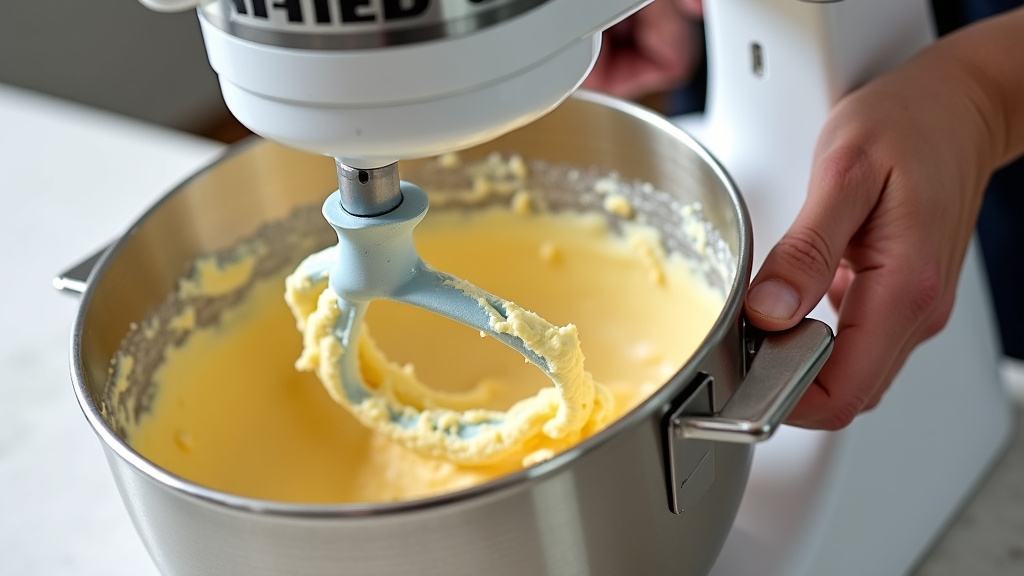
Troubleshooting Common Stiff Peak Problems
Sometimes, even with the best intentions, things don’t go exactly as planned. Don’t worry, we’ve all been there!
Egg Whites Not Whipping Up Properly
If your egg whites are just sitting there, not foaming or thickening, it’s usually due to one of a few things. Did you get any yolk in the whites? Yolk contains fat, which is the enemy of fluffy whites.
Was your bowl or whisk perfectly clean? Even a trace of grease can be the culprit. Many sources, like Serious Eats, confirm that fat is the number one reason for failed egg whites.
Peaks Are Too Soft or Droopy
If you’re getting soft peaks but can’t seem to get to stiff, try a few things. Ensure your mixer is on a high enough speed. Sometimes, just a bit more whisking is needed.
Also, check if your egg whites are truly at room temperature. Cold egg whites don’t whip as well. If you’re in a hurry, the warm water bath trick is a lifesaver (The Kitchn).
Egg Whites Are Over-whipped and Grainy
This is the most difficult problem to fix. Over-whipped egg whites have lost their smooth, glossy appearance. They look curdled. Unfortunately, there’s no magic fix for this.
However, some suggest you can try to rescue them by gently folding in one or two *unwhipped* egg whites. This can sometimes help to re-emulsify the mixture. But honestly, it’s often best to start over to ensure the best texture for your recipe. We’ve found that patience is more important than speed here.
Tips for Success Every Time
Want to make sure your stiff peaks are always on point? Keep these simple tips in mind.
- Always use the whisk attachment.
- Ensure your bowl and whisk are impeccably clean and dry.
- Use room-temperature egg whites for maximum volume.
- Don’t add sugar too early; wait until soft peaks form.
- Watch the mixer closely and stop as soon as stiff peaks appear.
- When in doubt, stop mixing a moment too soon rather than too late.
Conclusion
You’ve learned how to master stiff peaks with your stand mixer! Remember, a clean bowl and whisk are your best friends. Start slow, gradually increase speed, and watch those peaks transform. Stopping at that firm, glossy stage is key to preventing over-whipping. With a little practice, you’ll be creating perfect meringues and airy cakes in no time. Now, go ahead and confidently whip up your next delicious creation!
Frequently Asked Questions
Can I use a hand mixer to make stiff peaks?
While a stand mixer is ideal, you can make stiff peaks with a hand mixer. It will require more time and arm strength. Be sure to use the whisk attachment and follow the same principles of cleanliness and gradual speed increases.
What happens if I add sugar too early when whipping egg whites?
Adding sugar too early can prevent your egg whites from reaching their full volume. The sugar crystals can interfere with the protein structure. It’s best to wait until your egg whites have reached soft peaks before gradually adding sugar.
How long does it typically take to make stiff peaks?
The time can vary based on your mixer, the number of egg whites, and their temperature. Generally, it can take anywhere from 5 to 10 minutes on medium-high speed. Always watch the egg whites rather than relying solely on time.
Is it okay if my stiff peaks look slightly shiny?
Yes, stiff peaks should be firm and glossy. That shine indicates they are well-formed and have a smooth texture. If they start looking dull or curdled, you’ve likely gone past the stiff peak stage.
What should I do if my egg whites don’t seem to be whipping at all?
If your egg whites aren’t whipping, the most common culprits are grease or fat. Double-check that your bowl, whisk, and egg whites are completely free of any yolk or oily residue. Even a tiny amount can prevent them from foaming up.
