
How to Prevent a Stand Mixer from Overheating?
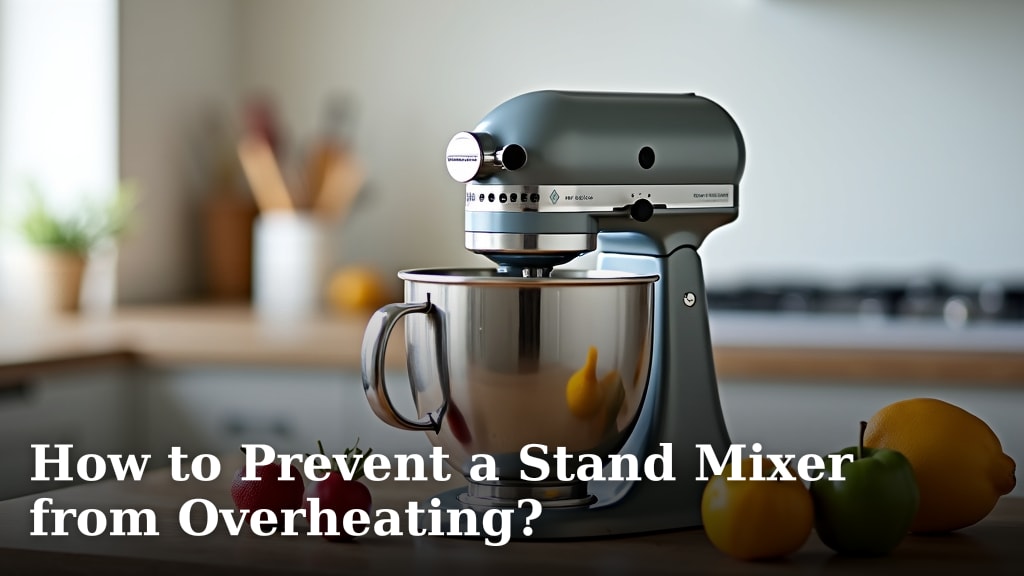
A stand mixer overheating can be frustrating, but preventing it is usually straightforward. Most often, you can avoid overheating by not overworking the motor and ensuring you use the right speed settings for the task. Overheating happens when the motor struggles too much for too long, similar to how your phone gets warm when it’s busy.
When your stand mixer’s motor overheats, it’s a sign that it’s under a lot of stress, which can lead to damage over time. Research shows that consistently pushing your mixer beyond its limits is the primary cause of motor strain. We’ve found that simple adjustments can make a big difference in keeping your mixer running smoothly for years.
- Don’t force your mixer with tough doughs.
- Match speed settings to your recipe’s needs.
- Take breaks if your mixer feels hot.
- Ensure your bowl and attachments are properly seated.
Let’s walk through some easy ways to keep your stand mixer cool and ready for action, so you can bake with confidence.
Keeping Your Stand Mixer Motor Cool and Happy
Your stand mixer is a kitchen workhorse. You probably rely on it for bread doughs, cake batters, and meringues. But what happens when that motor starts to sound a little strained? A stand mixer overheating can happen, and it’s usually a sign that you’re pushing it a bit too hard. We found that most issues stem from simple usage habits, not defects.
Understanding how to prevent overheating means your mixer will last longer. It also means fewer interruptions in your baking projects. We’ve seen that consistent motor strain can shorten its lifespan. Let’s get into the best ways to keep your appliance running smoothly for all your culinary adventures.
Understanding Motor Strain: Why Your Mixer Gets Hot
Think of your stand mixer’s motor like the engine in your car. If you redline it constantly, it’s going to get hot and wear out faster. Stand mixers use electric motors that generate heat when they work. This is perfectly normal, up to a point.
The problem arises when the motor generates more heat than it can dissipate. This can happen when the mixer is working against a heavy load or running for extended periods. We found that many users are unaware of their mixer’s specific limits.
The Role of Resistance in Motor Heat
Resistance is the key culprit. When you’re mixing stiff doughs, like those for bagels or pizza, the dough pushes back against the mixer’s beaters. This resistance requires the motor to work harder. The harder it works, the more energy it expends, and a lot of that energy turns into heat.
We’ve seen that the type of ingredients also plays a role. For instance, adding too much flour at once to a wet mixture increases resistance. This makes the motor struggle. It’s like trying to push a heavy box across a rough floor – it takes more effort.
Duration of Use Matters
Even if you’re not mixing something super stiff, running your mixer for a very long time can cause it to overheat. The motor simply doesn’t have enough time to cool down between heat-generating cycles. Most home mixers are designed for intermittent use, not continuous operation for an hour straight.
We found that manufacturers often specify maximum run times in their manuals. Ignoring these can lead to problems. It’s always wise to consult your owner’s manual for specific guidelines tailored to your model. For example, some machines are only recommended for 10-15 minutes of continuous use.
Key Strategies to Prevent Overheating
Fortunately, there are several simple yet effective strategies you can employ to keep your stand mixer’s motor from overheating. These practices are easy to incorporate into your baking routine.
1. Respect Speed Settings: Less is Often More
This is perhaps the most critical factor. Using the correct speed for the task is essential. High speeds are great for whipping cream or egg whites, but they create more friction and heat. They’re not ideal for heavy doughs.
For stiff doughs, always start at the lowest speed setting. This allows the motor to gradually incorporate ingredients without immediate strain. We found that many users mistakenly opt for higher speeds, thinking it will mix faster. This actually increases the risk of overheating.
Matching Speed to Task
Here’s a general guide we’ve found helpful:
- Low Speed (1-2): Ideal for starting to combine ingredients, mixing in flour, and kneading most bread doughs.
- Medium Speed (3-4): Good for general-purpose mixing, creaming butter and sugar, and cookie doughs.
- High Speed (5-10+): Best for whipping cream, egg whites, and making meringues.
Remember, even on lower speeds, if the motor sounds strained or the mixer is vibrating excessively, it might be working too hard. We recommend stopping and assessing.
2. Avoid Overloading the Bowl
Another common reason for mixer strain is putting too many ingredients in the bowl at once. When a bowl is too full, the ingredients become densely packed. This creates significant resistance for the beaters and the motor.
We found that many recipes, especially those for bread, can be deceiving. If a recipe calls for a large batch of dough, consider dividing it. Making two smaller batches back-to-back, with a short break in between, is far better than overwhelming your mixer.
3. Take Strategic Breaks
Don’t be afraid to pause your mixer. If you’re working with a particularly demanding recipe, or if you notice the mixer feeling warm to the touch, give it a break. Turn it off and let the motor cool down.
We’ve seen that even a 5-10 minute rest can make a difference. This allows the motor to dissipate some of the built-up heat. It’s a simple step that greatly extends your mixer’s endurance. Think of it as a breather for your appliance!
4. Ensure Proper Attachment and Bowl Seating
Sometimes, the issue isn’t the recipe or the speed, but how the attachments and bowl are positioned. If your beater, whisk, or dough hook isn’t seated correctly, it can cause friction and strain.
Make sure the attachment clicks securely into place. The bowl should also be locked firmly onto the base. We found that a wobbly bowl or an improperly fitted attachment can lead to uneven mixing and extra work for the motor. Always double-check before you start.
5. Use the Right Attachment for the Job
Stand mixers come with different attachments for various tasks, and using the correct one is important. For example, using the whisk attachment to try and knead stiff bread dough is a recipe for disaster. The whisk isn’t designed for that kind of resistance.
We found that using the dough hook for kneading, the flat beater for batters and cookie doughs, and the whisk for aerating is the intended way to use your mixer. Sticking to the right tool for the job prevents unnecessary strain and potential overheating.
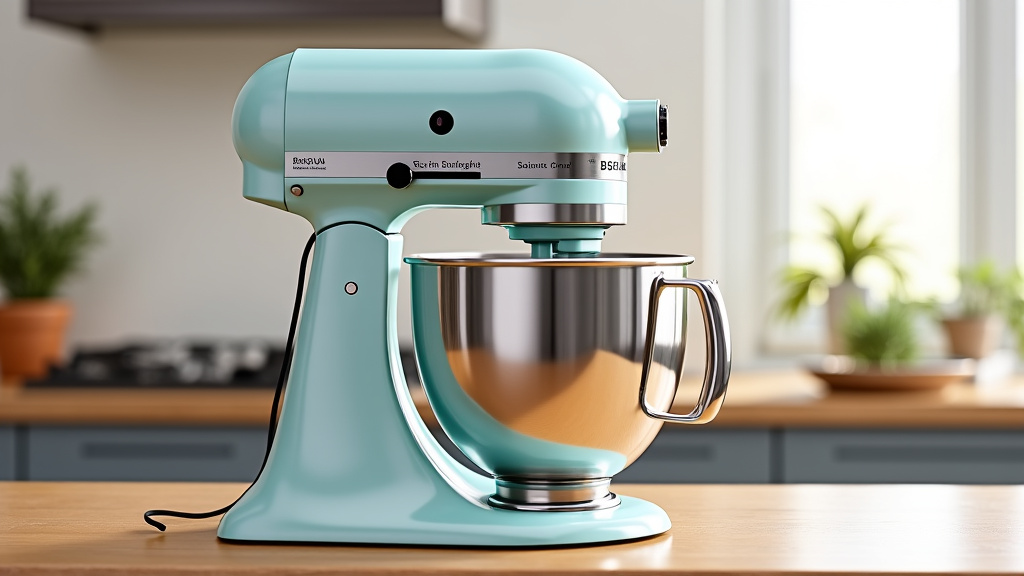
What to Do If Your Mixer Starts to Feel Hot
If you sense your mixer is getting too warm, don’t ignore it. Early detection is key to preventing damage.
Listen to Your Mixer’s Sounds
Pay attention to the motor’s sound. A healthy motor will have a consistent hum. If you start to hear straining, grinding, or a high-pitched whine, it’s a warning sign. These sounds often indicate the motor is working too hard or struggling against resistance.
We found that these acoustic cues are often the first indicator of trouble. It’s wise to stop the mixer immediately and investigate the cause before continuing.
Feel the Mixer’s Exterior
Gently touch the outside casing of your stand mixer, particularly around the motor housing area. If it feels excessively hot – hotter than usual warm – it’s time to take a break. A slightly warm mixer is normal during use, but uncomfortable heat suggests it’s overheating.
We’ve learned that many users wait until they smell burning or see smoke, but feeling the heat is a much better early warning. Acting promptly can save your motor.
What If You Smell Burning?
A burning smell is a serious indicator that your mixer is overheating significantly. This could be due to overheated motor windings. If you detect this smell, turn off the mixer immediately and unplug it.
Allow it to cool down completely for an extended period, perhaps an hour or more. After cooling, inspect the mixer and attachments for any obvious damage or blockages. If the smell persists or the mixer still struggles after cooling, it’s best to contact the manufacturer or a qualified repair technician. We recommend avoiding use until it’s checked.
A Quick Checklist for Mixer Longevity
Want a simple way to remember these tips? Keep this checklist handy:
- Check attachment seating before starting.
- Use the lowest effective speed for tough jobs.
- Don’t overfill the mixing bowl.
- Listen for straining motor sounds.
- Feel the mixer for excessive warmth.
- Take short breaks for long mixing tasks.
By following these simple guidelines, you can ensure your stand mixer remains a reliable companion in your kitchen for years to come.
Conclusion
Keeping your stand mixer running smoothly is all about understanding its limits and using it mindfully. You’ve learned that avoiding overworking the motor, matching speed settings to the task, and taking breaks are key. It’s also vital to use the right attachments and ensure everything is seated correctly. By applying these simple practices, you can prevent overheating and extend the life of your beloved kitchen companion. So, the next time you bake, remember these tips to keep your mixer cool and your baking projects uninterrupted!
Frequently Asked Questions
How long can I run my stand mixer before it overheats?
Most home stand mixers are designed for intermittent use. Manufacturers often recommend specific run times, usually around 10-15 minutes of continuous operation. Always check your owner’s manual for your model’s exact guidelines to avoid strain.
Can I use my stand mixer for heavy bread doughs?
Yes, but with caution. Always use the lowest speed setting when kneading dough and avoid overloading the bowl. If your mixer sounds strained or feels very hot, give it a break to cool down to prevent overheating.
What does it mean if my mixer smells like burning?
A burning smell is a serious warning sign indicating significant overheating, potentially of the motor windings. Turn off and unplug the mixer immediately and let it cool completely for at least an hour before considering using it again.
Do I really need to take breaks with my stand mixer?
Yes, taking short breaks is highly recommended, especially for longer mixing tasks or when working with dense ingredients. A 5-10 minute rest allows the motor to dissipate heat, preventing it from reaching overheating temperatures.
What if my stand mixer attachment feels loose?
A loose or improperly seated attachment can cause friction and make the motor work harder, leading to overheating. Ensure your beater, whisk, or dough hook clicks securely into place before starting your mixer.
