Are KitchenAid Mixing Bowls Dishwasher Safe?
Many KitchenAid mixing bowls are dishwasher safe, but the answer depends on the bowl material and model. Check the care instructions for your specific bowl before using a dishwasher, especially with coated, glass, or special-finish bowls.
On this page (8 sections)
- Are KitchenAid mixing bowls dishwasher safe?
- Does the bowl material change the answer?
- How should you load a KitchenAid bowl in the dishwasher?
- Should you hand-wash a KitchenAid mixing bowl?
- How do you dry a KitchenAid mixing bowl properly?
- What helps with mixer care beyond washing?
- When should you replace a KitchenAid mixing bowl?
- What is the safest dishwasher rule for KitchenAid bowls?
Many KitchenAid mixing bowls are dishwasher safe, but the correct answer depends on the bowl's material and model. Check the care instructions for your exact bowl before washing it in a dishwasher.
The brand name alone is not enough to make that decision. Different bowls in the same range can have different finishes, seals, and temperature limits.
Stainless steel bowls are often the simplest to care for, while glass, coated, and specialty bowls may have different requirements. A ceramic style bowl can also respond differently to heat and detergent than a plain metal one.
That is why it helps to match the washing method to the bowl you actually own. The care card that came in the box, the markings on the base, and the manual for that model are more useful than a general guide for the brand.
If you are unsure, hand-washing with mild dish soap and warm water is the safer choice. It gives you control over water temperature and lets you check the surface as you go.
Hand-washing also avoids the risk of the bowl knocking against other items in a crowded rack. You can dry it right away and store it without trapped moisture.
For most home cooks, that brief check at the start saves trouble later. A bowl that stays clean and undamaged will fit the mixer properly and work for the next recipe.
Take a minute to find the right instructions before the first wash. That habit will make daily care simpler and help the bowl last longer.
Are KitchenAid mixing bowls dishwasher safe?
KitchenAid mixing bowls may be dishwasher safe when their model instructions allow it. The KitchenAid name alone does not tell you whether every bowl can use the same wash cycle.
Some bowls are made for easy dishwasher use, while others need hand-washing to protect a finish. That difference is easy to miss if you judge by appearance alone.
Before loading the bowl, look for care markings, model instructions, or the manual that came with it. These sources will also tell you if the bowl should stay on a particular rack or away from direct heat.
Check the bowl's material and finish, because heat, detergent, and contact with other dishes can affect how it looks and functions over time. A coated surface may dull, and glass may chip if it moves during the cycle.
Small details matter in daily use. The shape of the base can trap water, and the rim can catch on a rack tine if it is not placed with care.
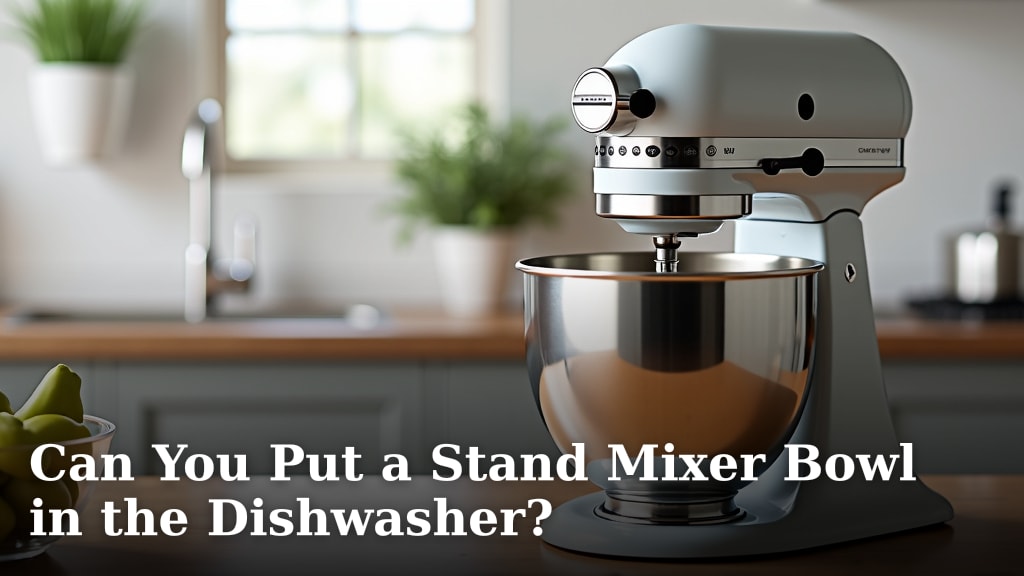
For a broader explanation of bowl materials and dishwasher decisions, see Can You Put a Stand Mixer Bowl in the Dishwasher?.
If the instructions are missing, treat the bowl as not dishwasher safe until you can confirm otherwise. That cautious approach is often the best way to protect both the bowl and the mixer it fits.
Does the bowl material change the answer?
Yes, bowl material changes how you should wash it. Stainless steel, glass, coated, and specialty bowls should not all be treated as interchangeable.
Are KitchenAid stainless steel bowls dishwasher safe?
Many stainless steel KitchenAid bowls are dishwasher safe when the model instructions permit it. Stainless steel generally handles routine kitchen washing well, but the bowl still needs correct loading and drying.
Place the bowl so spray reaches the inside and outside surfaces. Keep it from striking heavy cookware, sharp utensils, or other items that could scratch or dent it during the cycle.
Water can remain around the underside or base area after washing. Remove the bowl when the cycle ends, wipe it dry, and leave it open until no moisture remains.
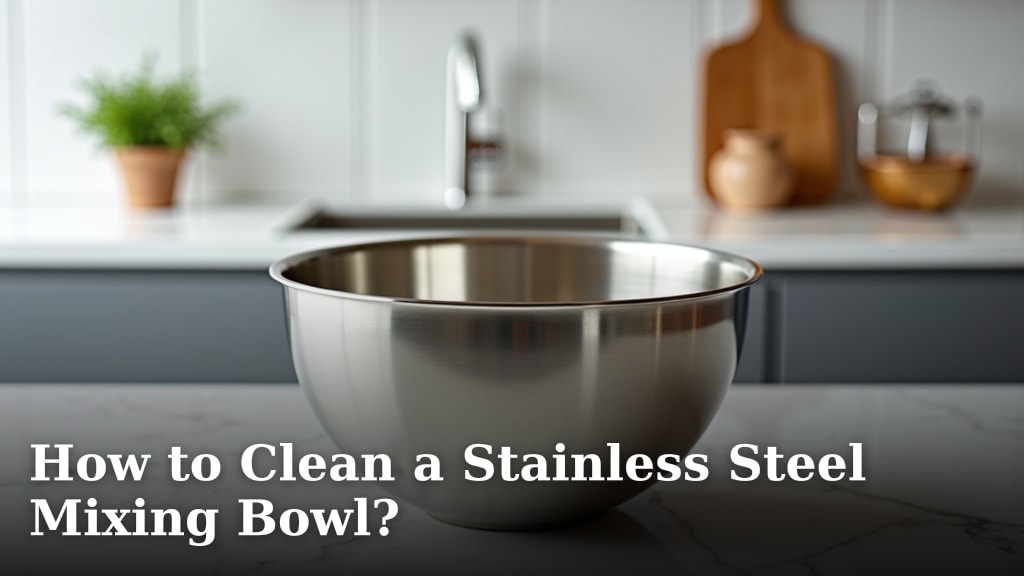
For a hand-washing method, read How to Clean a Stainless Steel Mixing Bowl?.
Can KitchenAid glass bowls go in the dishwasher?
Some KitchenAid glass bowls may be dishwasher safe, but you should confirm the exact model first. Glass requires extra care because chips, cracks, and sudden temperature changes can create safety problems.
Do not place a hot glass bowl directly into cold water. Let it cool before washing, and inspect it after cleaning for damage around the rim, base, and sides.
Load the bowl where it will not knock against plates, pans, or other glassware. If the dishwasher rack leaves the bowl unstable, hand-washing may be the better option.
What about coated or specialty KitchenAid bowls?
Coated and specialty bowls need model-specific care instructions. A finish that looks smooth can still be affected by abrasive detergent, high heat, or contact with hard objects.
Do not assume a bowl is dishwasher safe because another KitchenAid bowl is. If the instructions are missing or unclear, wash it by hand with a soft sponge and dry it fully.
How should you load a KitchenAid bowl in the dishwasher?
Place the bowl securely with space around it, and keep it away from items that can strike or scratch it. A stable position helps water and detergent reach the surface without letting the bowl move around.
Put the opening where spray can reach the inside. Avoid stacking dishes inside the bowl, since this can block cleaning and cause trapped water.
Keep sharp tools separate from the bowl. Do not force a large bowl into a rack position that presses against the door, spray arm, or nearby dishes.
The dishwasher's heat can also leave the bowl very hot at the end of the cycle. Use care when unloading it, and allow glass to cool gradually.
Should you hand-wash a KitchenAid mixing bowl?
Hand-wash the bowl when the care instructions are unclear, when it has a delicate finish, or when you want more control over drying. Hand-washing also makes it easier to inspect the surface as you clean.
Use warm water, mild dish soap, and a soft sponge. Avoid steel wool, harsh scouring pads, and forceful scraping that could mark a finish.
Rinse away all soap, then dry the inside, rim, underside, and base. The guide to How to Clean a Stand Mixer? covers the mixer body and nearby parts that should not be treated like a loose bowl.
How do you dry a KitchenAid mixing bowl properly?
Dry the bowl completely before storing it or attaching it to the mixer. Moisture left under the bowl or around its base can make storage less clean and may complicate the next use.
Wipe the bowl with a clean towel, then leave it upside down or open in a dry area. Do not seal it in a cabinet while water is still visible.
Check the rim and underside with your fingers. If either area feels damp, wipe it again and let the bowl air-dry.
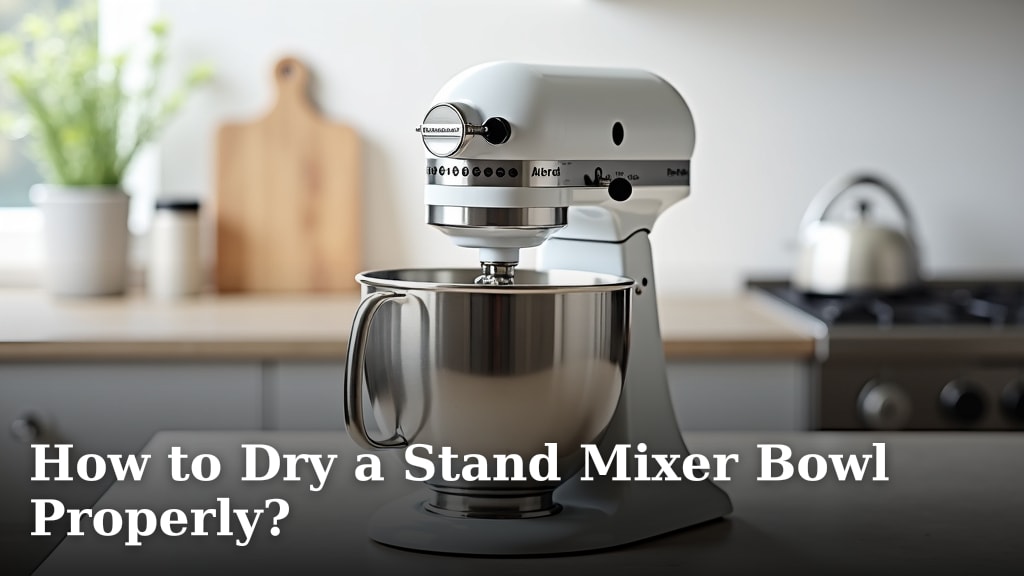
For a step-by-step drying routine, see How to Dry a Stand Mixer Bowl Properly?.
What helps with mixer care beyond washing?
A clean bowl does not replace care for the stand mixer itself. Keep the bowl free of food residue, but follow the mixer manual for lubrication, attachments, and internal maintenance.
Impresa's grease is intended for stand mixers and other appliances requiring food-grade grease. Its high-viscosity formula is for gear lubrication, not for washing or coating the bowl.
Follow your appliance manual before applying any grease.
Ohoho's grease is intended for kitchen stand mixers and other kitchen appliances that need lubrication. Store it in a fridge or cool room for a short period if mild melting occurs from high temperatures, and keep it away from children.
These products solve a different problem from dishwasher care. Use them only for maintenance tasks your mixer manual allows, and never put grease on a bowl's food-contact surface.
When should you replace a KitchenAid mixing bowl?
Consider a replacement when the bowl is cracked, chipped, badly dented, or no longer fits the mixer correctly. Damage can affect safe handling and may make the bowl harder to clean.
Do not keep using a glass bowl with a chip or crack. For metal bowls, stop and inspect any sharp dent, damaged rim, or fit problem before mixing again.
If the original bowl is missing or damaged, compare Best Replacement Mixing Bowl For Kitchenaid with Best Replacement Mixing Bowl For Stand Mixer. Measure the mixer and check the bowl's fit before ordering.
What is the safest dishwasher rule for KitchenAid bowls?
Follow the instructions for the exact KitchenAid bowl, not a general rule for the brand. If the model is approved for dishwasher use, load it securely, avoid contact with hard items, and dry it fully after the cycle.
Secure loading means more than finding a gap in the rack. The bowl should sit level so it cannot slide, tip, or strike the sides during the wash.
Keep heavy pans, sharp utensils, and fragile glass away from the bowl. Contact during the cycle can leave marks, and a dented rim may affect how the bowl fits on the mixer.
After the cycle ends, remove the bowl promptly rather than leaving it in damp heat. Wipe the inside, rim, and underside with a clean towel, then let it air until it feels completely dry.
If you cannot confirm the care instructions, hand-wash the bowl with mild soap and a soft sponge. Use warm water rather than very hot water, and avoid abrasive pads that can mark a finish.
Choose hand-washing for unclear, coated, damaged, or delicate bowls, and inspect the bowl before its next use. Look at the rim, base, and sides for chips, cracks, or dents that were not there before.
A quick inspection takes little time and can prevent a damaged bowl from going back into service. It also helps you spot trapped residue that needs another rinse.
Keep the bowl separate from mixer parts that have their own care rules. A clean bowl supports good mixing, but it does not replace care for the mixer body or attachments.
When in doubt, the safest rule is simple. Use the dishwasher only when the exact model allows it, and hand-wash every time the answer is unclear.
Frequently asked questions
Are KitchenAid stainless steel mixing bowls dishwasher safe?
Many KitchenAid stainless steel mixing bowls can go in the dishwasher, but confirm the care instructions for your exact model first. Remove the bowl promptly after the cycle, check for trapped water around the base, and dry it fully before storing or attaching it to the mixer.
Can KitchenAid glass mixing bowls go in the dishwasher?
Some KitchenAid glass bowls are dishwasher safe, but glass type, decoration, and model instructions matter. Avoid sudden temperature changes, inspect the bowl for chips or cracks, and place it where it cannot strike other dishes during the cycle.
Can you wash a KitchenAid mixing bowl in the dishwasher?
You can wash a KitchenAid mixing bowl in the dishwasher only when the care instructions for that bowl allow it. Material and model differences matter, so hand-wash any bowl with unclear instructions and keep attachments, seals, and coated surfaces under their specific care guidance.
How should you dry a KitchenAid mixing bowl?
Dry a KitchenAid mixing bowl with a clean towel after washing, then leave it open until all moisture is gone. Pay close attention to the underside, rim, and any attachment or base area where water can remain before the bowl goes back into storage.