
How to Remove Rust from a Stand Mixer Bowl?
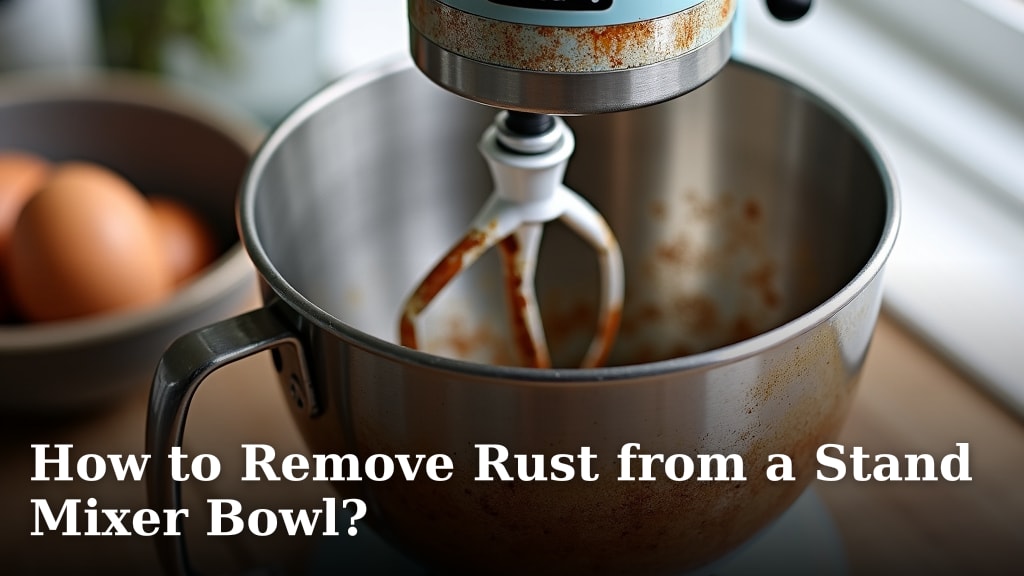
The easiest way to remove rust from a stand mixer bowl is by using a paste of baking soda and water. This gentle abrasive can tackle rust spots without scratching your bowl. You’ll be whipping up perfectly fluffy meringues again in no time with this simple fix for your rusted mixer bowl.
Rust can appear on stainless steel bowls due to moisture or abrasive cleaners. Don’t worry, it’s usually just surface rust and quite easy to clean. Many users find success with household items. This method is a great way to restore your mixer’s bowl to its former shiny glory and ensure it’s food safe for all your baking projects.
- Baking soda and water paste is your best bet.
- Gentle scrubbing prevents bowl damage.
- Rinse thoroughly and dry completely.
- Prevent future rust by drying after washing.
Let’s walk through exactly how to get that rust off your stand mixer bowl step by step. You might be surprised at how simple it is!
Tackling Rust Spots on Your Stand Mixer Bowl
Seeing rust on your beloved stand mixer bowl can be a bit disheartening. It happens to the best of us! But don’t fret; restoring its shine is usually quite simple. You can often remove rust spots using common household items. This guide will walk you through the most effective methods.
Understanding Why Rust Appears on Mixer Bowls
Stainless steel is known for its resistance to rust. However, it’s not completely immune. Several factors can contribute to rust formation on your stand mixer bowl. Understanding these can help you prevent it in the future.
Moisture is the Main Culprit
The most common reason for rust is prolonged exposure to moisture. If you wash your bowl and leave it to air dry, especially in a humid environment, water can sit on the surface. This trapped moisture can lead to oxidation, which is rust. Even tiny water droplets left behind can start the process. It’s important to ensure your bowl is completely dry after cleaning.
Abrasive Cleaners and Tools
Using harsh cleaning agents or abrasive scrubbers can damage the protective layer of stainless steel. This damage makes the metal more susceptible to rust. Steel wool or very coarse scouring pads are prime examples of tools to avoid. They can leave tiny scratches where rust can begin to form. Always opt for gentle cleaning methods.
Contact with Other Metals
Sometimes, rust can be transferred from other metal objects. If your stainless steel bowl comes into prolonged contact with iron or other rust-prone metals, especially when wet, it can pick up rust particles. This is called galvanic corrosion. It’s a less common cause, but worth considering if you store metal items in or near your mixer bowl.
The Best Method: Baking Soda Paste for Gentle Cleaning
Based on many user experiences and cleaning guides, a baking soda paste is your best friend for rust removal. It’s a mild abrasive that can lift rust without scratching the bowl’s surface. This makes it a safe and effective choice. Based on many user experiences, a baking soda paste is your best friend for rust removal, a method also recommended for cleaning mixer attachments.
What You’ll Need
Gather these simple items before you start:
- Baking soda
- Water
- A soft cloth or sponge
- A clean, dry towel
- An old toothbrush (optional, for stubborn spots)
Step-by-Step Rust Removal Process
Follow these easy steps to get your mixer bowl looking like new again.
1. Create the Baking Soda Paste
In a small bowl, mix baking soda with just enough water to form a thick paste. You want it to be spreadable but not runny. Think of the consistency of toothpaste. This paste is key to the gentle scrubbing action.
2. Apply the Paste to Rust Spots
Use your fingers or a soft cloth to apply the paste directly onto the rusted areas of the bowl. Make sure to cover all visible rust spots generously. Let the paste sit for about 15-30 minutes. This gives the baking soda time to work on breaking down the rust.
3. Gently Scrub the Rust Away
After the paste has had time to sit, use a damp, soft cloth or sponge to gently scrub the rusted areas. Work in a circular motion. For tougher spots, you can use an old, soft-bristled toothbrush. Apply just enough pressure to remove the rust, but avoid hard scrubbing. You should see the rust stains begin to lift. Many cleaning experts recommend this gentle approach to protect the metal’s finish (National Association of Professional Organizers).
4. Rinse the Bowl Thoroughly
Once you’ve scrubbed away the rust, rinse the bowl thoroughly with clean water. Make sure all traces of the baking soda paste are gone. Leftover paste could potentially leave a cloudy residue. A good rinse ensures a clean surface.
5. Dry the Bowl Completely
This is a critical step! Use a soft, clean towel to dry the bowl completely. Pay attention to any crevices or seams. Do not let it air dry. Ensuring it’s bone dry immediately after washing is the best way to prevent future rust from forming. This step cannot be stressed enough.
Alternative Methods for Stubborn Rust
While baking soda is usually sufficient, sometimes rust can be a bit more persistent. If the baking soda method doesn’t entirely remove the rust, you can try these alternatives. Always test these methods on an inconspicuous area first if you’re concerned.
Vinegar Soak (Use with Caution)
Vinegar is acidic and can help break down rust. However, it’s also stronger than baking soda and can potentially dull stainless steel if left too long. Many sources suggest this method for tougher jobs.
- Mix equal parts white vinegar and water.
- Soak a cloth in the solution and place it over the rust spots.
- Let it sit for no more than 30 minutes.
- Gently scrub and rinse immediately.
- Dry thoroughly.
It’s important to note that prolonged exposure to acids can damage stainless steel (Journal of Materials Science). So, use this method sparingly and with close attention.
Lemon Juice and Salt Paste
Similar to baking soda, lemon juice is acidic, and salt acts as a mild abrasive. This combination can be effective for rust removal.
- Sprinkle salt over the rust spots.
- Squeeze fresh lemon juice over the salt to create a paste.
- Let it sit for about 30 minutes.
- Gently scrub with a soft cloth.
- Rinse and dry completely.
This is another natural option that many people find works well for mild to moderate rust stains. The key is gentle application and thorough rinsing.
Commercial Stainless Steel Cleaners
If homemade solutions aren’t cutting it, you can turn to commercial stainless steel cleaners. Look for products specifically designed for rust removal. Always follow the manufacturer’s instructions carefully. Many of these products are very effective but can be harsher than natural alternatives. Ensure the product is food-safe or that you can rinse it thoroughly. Some experts advise using these only as a last resort (Consumer Reports).
What NOT to Use on Your Mixer Bowl
Certain cleaning tools and products can do more harm than good. Avoiding these will protect your mixer bowl’s integrity and appearance.
Steel Wool and Abrasive Pads
As mentioned earlier, these tools are too harsh. They will scratch the surface of your stainless steel bowl. These scratches not only look bad but also create more areas for rust to form and food to get trapped. Stick to soft cloths and sponges.
Harsh Chemicals
Avoid using bleach, oven cleaner, or other strong industrial chemicals. These can react negatively with stainless steel, causing pitting or discoloration. They can also be difficult to rinse away completely, leaving behind residues that aren’t food-safe. Your goal is a clean, safe bowl for baking.
Preventing Future Rust on Your Stand Mixer Bowl
The best defense against rust is prevention. By adopting a few simple habits, you can keep your mixer bowl gleaming for years to come.
The Golden Rule: Dry Immediately After Washing
This is the most important preventive measure. After washing your stand mixer bowl, dry it thoroughly with a soft towel. Don’t let it sit wet in the sink or on the drying rack. Even a few hours of moisture can invite rust. Make drying part of your immediate post-washing routine. This is the most important preventive measure: after washing your stand mixer bowl, dry it thoroughly with a soft towel, a tip we emphasize in our dishwasher guide.
Store Properly
When not in use, store your bowl in a dry place. If you keep it on your stand mixer, ensure the area around it is dry. If you store it separately, make sure it’s completely dry before putting it away. Avoid stacking it with items that might trap moisture.
Wash by Hand When Possible
While many stainless steel bowls are dishwasher safe, the prolonged exposure to water and detergents in a dishwasher can sometimes contribute to rust or dullness over time. Handwashing allows you to control the drying process more effectively. If you do use the dishwasher, ensure you remove the bowl promptly and dry it immediately after the cycle finishes.
Quick Rust Check Checklist
Here’s a quick rundown to keep your bowl rust-free:
- Always dry your bowl thoroughly after washing.
- Store in a dry environment.
- Use soft cloths or sponges for cleaning.
- Avoid harsh chemicals and abrasive scrubbers.
- Inspect for any new rust spots periodically.
- Address small spots immediately before they grow.
Conclusion
You’ve learned how to tackle rust spots on your stand mixer bowl using simple, effective methods. The trusty baking soda paste is your go-to for gentle yet powerful cleaning. Remember, understanding why rust forms, especially from moisture, is key to prevention. By diligently drying your bowl after each wash, you can keep it sparkling and food-safe for all your baking adventures. Now, go forth and bake with confidence, knowing your mixer bowl is in top condition!
Frequently Asked Questions
Can I use regular toothpaste to remove rust?
While some toothpaste has mild abrasives, it’s not the best choice for your stand mixer bowl. Toothpaste often contains flavoring agents and other ingredients that aren’t meant for direct contact with food surfaces and can be difficult to rinse completely. Stick to the baking soda paste for a guaranteed food-safe clean.
Is it safe to use vinegar on my stainless steel mixer bowl?
Yes, you can use vinegar, but with caution. Vinegar is acidic and can effectively break down rust. However, prolonged exposure can potentially dull the finish of your stainless steel bowl. If you use vinegar, make sure to dilute it and rinse the bowl thoroughly immediately after use, then dry it completely.
How often should I check my mixer bowl for rust?
You don’t need to check constantly, but it’s a good idea to give your bowl a quick look after washing and drying it. If you notice any small spots, address them right away before they have a chance to worsen. Regular drying is the best daily prevention.
What if the rust is deep and doesn’t come off easily?
For very stubborn rust that doesn’t respond to baking soda or vinegar, you might consider a commercial stainless steel cleaner specifically designed for rust removal. Always follow the product instructions carefully, test in an inconspicuous area first, and ensure you can rinse it completely to maintain food safety.
Will washing my mixer bowl in the dishwasher cause rust?
While many stainless steel bowls are dishwasher safe, the extended exposure to hot water and detergents can sometimes contribute to rust or dullness over time. Handwashing gives you more control over the drying process, which is the most critical step in preventing rust. If you use the dishwasher, remove and dry the bowl immediately after the cycle.
