Smeg vs KitchenAid Stand Mixers: Which Should You Choose? (November 2026)
Choose between Smeg and KitchenAid by matching bowl capacity, attachment needs and counter space to the way you bake. Their exact features vary by model, so compare the specific mixers before deciding.
On this page (5 sections)
Choose between Smeg and KitchenAid by matching bowl capacity, attachment needs and counter space to the way you bake. The Smeg mixer vs KitchenAid choice depends on the exact models, since each brand has different sizes and features.
A stand mixer can look like a kitchen centerpiece and still need to handle everyday work. Compare what comes in the box, which extra tools fit, and how much space you can give it.
This guide compares the buying factors rather than declaring one brand the winner for every kitchen. For a wider overview, see what is the best stand mixer brand.
 Best for a larger bowl
Cuisinart SM-50BLU Precision Master 5.5-Quart Stand Mixer
 Best for cleaner ingredient additions
New Metro Design PC-10 Pouring Chute Compatible
Smeg stand mixer vs KitchenAid: which is better for baking?
Either brand may suit your baking if its specific model has the capacity and tools your recipes need. Bowl size alone won't tell you how much dough or batter a mixer can handle.
Start with your regular recipes. A small batch of cookies, whipped cream and occasional cake batter may not call for the same bowl size or attachments as frequent bread baking.
Then check the maker's guidance for mixing limits and recommended use. Motor wattage and bowl capacity are useful details, but they don't guarantee real-world performance by themselves.
Which details matter for baking performance?
Look at the bowl capacity, speed settings, included beater types and any guidance on dough. A mixer with a dough hook may knead, but the maker's stated limits matter for batch size and mixing time.
Smeg and KitchenAid sell different models, so avoid treating either brand as a single specification. Compare model numbers directly and check what is included in the package you plan to buy.
If you are comparing alternatives, the Cuisinart vs KitchenAid stand mixer comparison covers another popular brand matchup. Our Bosch Universal Plus mixer review is another useful reference when capacity and dough work are high priorities.
Does a bigger bowl always help?
A larger bowl gives room for bigger batches, but it may be less convenient for small amounts. Ingredients can sit below the beater's path if the bowl and tool are poorly matched to the quantity.
Check the minimum and maximum batch guidance for the model. If you often make single cakes or a small amount of frosting, everyday ease may matter more than the largest stated capacity.
The Cuisinart SM-50BLU is one comparison point with a 5.5-quart stainless steel bowl, a 500-watt motor and 12 speeds. It includes a whisk, dough hook, flat paddle and splash guard with pour spout.
Which brand offers more useful attachments?
Choose by the tools you will actually use and confirm compatibility with the exact mixer model. Attachment names can sound similar while fittings differ between brands or product generations.
List your likely jobs before comparing accessory catalogs. Pasta rolling, grinding meat, spiralizing and frozen desserts each need a specific tool, and buying unused accessories adds cost and storage needs.
Check whether a mixer includes the basic tools you need or requires separate purchases. Compare the total setup you would use, rather than counting the number of optional accessories.
Are Smeg and KitchenAid attachments interchangeable?
Do not assume Smeg and KitchenAid attachments are interchangeable. Verify compatibility by exact model and attachment type before ordering.
Some accessories attach to a power outlet, while others depend on bowl shape or mixer geometry. A tool described for one brand may not fit another even when the machines appear similar.
The New Metro Design PC-10 pouring chute is described as compatible with most metal bowls from KitchenAid, Cuisinart, Kenwood and SMEG. It does not fit glass bowls, and some KitchenAid bowl styles are excluded.
Which attachments come in the box?
Compare the included whisk, dough hook, paddle or flat beater and any pouring shield. These basics shape what you can do right away without shopping for more parts.
The Hamilton Beach Die-Cast Metal Classic includes a dough hook, whisk, flat beater, pour shield and 4.5-quart stainless steel bowl. It has 12 speeds and a tilt head, making it a useful reference when comparing included equipment.
For a first mixer, compare the simplest setup that covers your usual recipes. Our guide to the best Cuisinart stand mixer for beginners and the best KitchenAid stand mixer for beginners can help narrow the choice.
How should design and counter space affect the choice?
Choose the mixer that fits your workspace and is convenient to reach, not just the one with the most striking finish. A machine that is difficult to lift or store may get used less often.
Measure the height and depth of the space where you plan to mix and store the appliance. Allow room to tilt or raise the head, remove the bowl and add ingredients.
Consider the finish alongside practical details such as controls, bowl handles and how the mixer moves on your counter. The color can help a mixer suit your kitchen, but it doesn't replace checking dimensions and access.
Will a KitchenAid mixer be easy to move?
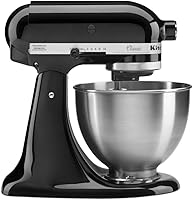
A KitchenAid tilt-head mixer can be easier to access when the head tilts up, but the mixer may still be heavy to move across a counter. Consider where it will live and whether you can comfortably bring it forward.
The Veymlwal slider is designed for KitchenAid 4.5- to 5-quart tilt-head mixers, including Artisan and Classic models. Confirm the exact size and style fit before choosing it.
Is Smeg worth choosing for its design?
A distinctive finish can be a valid reason to choose a mixer if its practical features also meet your needs. Check its footprint, bowl access, included tools and warranty before paying for a style you like.
Think about how often the mixer will stay on display and whether it fits the rest of your kitchen. If it will be tucked away, prioritize storage dimensions and how easily you can take it out.
What should you compare before buying either mixer?
Compare exact model numbers across capacity, tools, dimensions, warranty and price. To check current offers, compare KitchenAid stand mixer deals.
Brand-level comparisons can hide differences between a compact tilt-head model and a larger mixer in the same lineup.
Use a short checklist:
- Bowl capacity and the maker's recommended batch limits
- Included beater, whisk, hook and splash guard
- Optional attachments and their model compatibility
- Mixer height, depth and room needed to open the head
- Warranty terms and access to service in your area
- Total cost of the mixer plus any tools you plan to use
If you are focused on a familiar KitchenAid size, compare the options in our KitchenAid 5-quart stand mixer guide. It helps keep the decision centered on the capacity you expect to use.
A useful comparison also considers noise and cleanup if the manufacturers provide clear details for the exact models. Avoid inferring those traits from appearance, wattage or brand reputation alone.
Which mixer should you choose?
Choose Smeg if its exact model fits your recipes and its design matters to you; choose KitchenAid if the specific model and attachment system better match your routine. Check the details for the two models side by side before deciding.
For either brand, match capacity to your usual batches, confirm which tools are included, and verify accessory compatibility. If you bake bread often, follow the maker's limits for dough rather than assuming a larger motor or bowl guarantees better kneading.
The right stand mixer is the one you can store, use and equip for the baking you actually do. If neither brand fits your budget or needs, compare the Cuisinart and Hamilton Beach options above as alternatives.
Frequently asked questions
Is Smeg or KitchenAid better for baking?
Neither brand is automatically better for every baker. Compare the exact models' bowl size, included tools, speed controls and the recipes you make most.
For frequent bread dough, check the maker's guidance for dough capacity and mixing limits before choosing.
Do Smeg and KitchenAid mixers use the same attachments?
Don't assume attachments interchange between Smeg and KitchenAid. Match the attachment to the exact mixer model and connection type, and check the maker's compatibility guidance before buying.
Some third-party accessories fit bowls from both brands, but that does not mean every attachment is shared.
Which stand mixer has more capacity?
Capacity depends on the specific model. Compare the bowl capacities shown for the two mixers you're considering, then consider batch size and storage.
A larger bowl can handle more in one batch, but it may take more counter or cabinet space.
Is a Smeg stand mixer worth the cost?
That depends on how much you value its design and whether its capacity and tools suit your baking. Compare the price of the exact model with similarly sized mixers, including any attachments you expect to buy.
Check warranty terms and local service options before deciding.
What should I compare before choosing a mixer?
Compare bowl capacity, the maker's recommended mixing limits, included attachments, optional tools, dimensions and warranty for the exact models. Also check whether the head lifts or the bowl moves, and whether the mixer fits your counter and storage space.