Sourdough Starter Jar Lids: Which Type Should You Use?
A sourdough starter jar lid should let gas escape while it ferments, then seal well for the fridge. Use a loose or cloth cover at room temperature, and a sealing lid only when you refrigerate or store the jar.
On this page (12 sections)
- Do sourdough starter jar lids need to vent?
- Glass lids: when are they the right choice?
- Cloth covers: what do they do well?
- Silicone covers: where do they fit?
- Metal lids: should you use them on a starter?
- How tight should a sourdough starter jar lid be?
- Which lid fits a sourdough starter jar with a glass top?
- Do you need a vented lid or a fermentation lid?
- Which lid is best for fridge storage?
- How do you choose between sourdough starter jar lids for your jar?
- What are the most common lid mistakes with a starter?
- Which sourdough starter jar lid should you pick?
A sourdough starter jar lid should let gas escape while it ferments, then seal well for the fridge. Use a loose or cloth cover at room temperature, and a sealing lid only when you refrigerate or store the jar.
That one rule prevents most pops, leaks and dried starter crusts.
The lid you choose also affects how you feed, stir and clean the jar. A cover that is easy to lift, wash and replace will get used every day.
A cover that fights you will end up loose on the counter, and that invites dust and fruit flies.
We compared jar designs by lid type, material and fit. We checked the specs for glass thickness, gasket design, clip style and cover options.
The picks below show how those choices play out in daily use.
Do sourdough starter jar lids need to vent?
Yes, a lid on an active starter needs to vent or sit loose. Fermentation makes gas, and a sealed jar has nowhere for that gas to go.
Pressure can push a lid off, force starter up the sides or crack a stressed seal.
At room temperature, your starter is most active after a feeding. That is when venting matters most.
A cloth cover, a loose glass lid or a silicone cover resting on top lets gas escape while still blocking dust.
In the fridge, fermentation slows a lot. A sealing lid is safer there because the starter generates much less gas and you want to keep fridge smells out.
Even in the fridge, leave headspace and do not fill the jar to the top.
Rule: vent at room temperature, seal in the fridge. Swap covers when you swap temperatures instead of using one tight lid for both.
Glass lids: when are they the right choice?
A glass lid is a strong option when you want a cover that is easy to clean and heavy enough to sit in place. Glass does not absorb smells, and you can wash it by hand or in a dishwasher when the design allows.
It also lets you see the starter level without removing the cover.
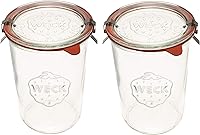
Weck jars pair a glass lid with a rubber gasket and small clips. With the clips on, the lid seals for storage.
With the clips off, the same lid can rest loose for venting. That two mode use makes glass lids flexible for a starter routine.
The trade off is weight and breakage. A glass lid can chip if it falls or knocks against the jar rim.
It also needs care when you stack jars, because glass on glass can wear a gasket or chip an edge.
Fit matters more than material. A lid that is too small will slide, and a lid that is too large will not seat.
Measure the jar mouth before you buy extra lids, and check whether the gasket is part of the lid or a separate ring.
Rule: choose a glass lid when you want one cover that can vent loose and seal for storage. Keep a cloth cover as a backup for very active days.
Glass lids with gaskets and clips
A gasket and clip system gives a real seal for fridge storage and pantry use. The rubber gasket fills small gaps, and the clips hold the lid down with even pressure.
Weck 743 jars use this setup, with the lid, gaskets and jar as separate pieces for easier pouring and washing.
That separate design also helps with cleaning. You can wash the gasket on its own so starter does not hide under a fixed seal.
Check the gasket often, because a warped or sticky gasket will not seal well.
Clips add a step. You must snap them on and off each time you feed or stir.
Some bakers find that fussy for daily feeding, so they leave clips off at room temperature and use them only for storage.
Rule: use clips for storage, not for every feeding. Loose glass is faster for daily care.
Cloth covers: what do they do well?
A cloth cover is simple, breathable and easy to secure with a band. It blocks dust while letting gas pass freely, and it stays put on a wide jar mouth.
Many bakers use cloth for daily feeding because they can lift it, stir and replace it in seconds.
Cloth also keeps the jar from sealing by accident. Even if the starter is very active, gas can escape through the weave.
That makes cloth a safe default when you are new to starter care and unsure about pressure.
The downsides are moisture and cleanliness. Cloth can absorb splashes, dry out with starter on the rim, and hold smells in the fridge.
Wash cloth covers often, dry them fully and replace them when they fray or stay stiff.
Cloth is not a seal. Do not use it for long fridge storage if the jar sits near strong smelling foods.
Switch to a sealing lid or silicone cover for the fridge.
Rule: use cloth for room temperature feeding, and a sealing cover for fridge storage. Wash cloth covers on a regular schedule.
How to fit a cloth cover so it stays on
Stretch the cloth over the jar mouth and pull it down past the widest part of the rim. A rubber band or elastic band around the neck holds the cloth in place without sealing the jar.
Slide the band down to mark the starter level after feeding.
That band trick gives you a quick rise check. Note the band position after feeding, then compare it a few hours later.
You do not need a marker on the jar, and the band comes off for washing.
Watch for cloth that touches wet starter. If the cloth sags into the jar, the starter will dry on the fabric and invite mold.
Use a larger cloth square or a cover with a deeper skirt.
Rule: secure cloth with a band below the rim, never over a wet starter surface. Replace cloth that sticks or sags.
Silicone covers: where do they fit?
A silicone cover sits like a cap over the jar mouth. It is flexible, reusable and it seals well enough for fridge use without clips.
Silicone also resists heat better than cloth and can be washed and dried fast.
For room temperature fermentation, silicone is a middle choice. It will usually let some gas escape if it is not pressed down hard, but a snug silicone cap can seal more than cloth.
Test it on your jar by feeding the starter and watching for bulging or popping.
Silicone covers can trap moisture under the lip. After stirring, wipe the rim dry before you replace the cover.
That habit keeps the seal clean and stops starter from drying into a crust under the edge.
Size is the key issue. A cover made for one mouth diameter may not fit another jar.
Stretchy silicone helps, but check the fit before you rely on it for fridge storage.
Rule: use silicone for fridge storage and short room temperature rest, but loosen it for active fermentation. If it seals tight, swap to cloth.
Metal lids: should you use them on a starter?
A metal mason jar lid is common, but it is not ideal for an active starter. A flat metal lid with a screw band can seal early and trap gas in a warm jar.
That setup raises the chance of a pop off lid or a messy overflow.
Metal lids work better in the fridge, where gas production is low. They are also useful for dry storage, such as flour or beans, but a starter is living and changing.
Rust is another concern. Metal lids that get wet with starter can rust around the edge, especially if you store them in a damp spot.
Wipe lids dry and store them separately from the jar.
If you only have metal lids, use them loosely at room temperature. Set the flat lid on top without the band, or set the band on with only a quarter turn.
That gives venting while still keeping the jar covered.
Rule: avoid a tight metal lid on an active starter. Use metal lids for fridge storage or loose covering only.
How tight should a sourdough starter jar lid be?
The lid should be loose enough that gas can escape without lifting the whole cover. You want a cover that blocks dust but does not act like a pressure seal.
If you press down and the lid feels locked, it is too tight for an active starter.
A good test is simple. Feed the starter, fit the lid the way you plan to use it, and wait.
If the lid pops, bulges or shows starter forced up the sides, loosen it. If the starter rises normally and the lid stays calm, the fit is likely fine.
Headspace matters too. A jar filled to the top has little room for gas and expansion.
Leave at least a third of the jar empty after feeding, and more if the starter is very active or the room is warm.
Temperature changes the answer. A lid that is fine in a cool kitchen may be too tight on a warm counter.
Adjust the lid when the weather changes, not just when you change jars.
Rule: when in doubt, loosen the lid. A loose cover is safer than a tight seal for a live starter.
Which lid fits a sourdough starter jar with a glass top?
A sourdough starter jar with a glass top usually gives you two modes in one lid. **With clips off, the glass lid vents.
With clips on and a gasket in place, it seals.** That flexibility is why canning style jars suit starter care so well.
Check that the gasket sits flat and clean before you seal the jar. Starter on the gasket can break the seal and let fridge air in.
Wipe the rim, wash the gasket and dry both parts before storage.
Glass top jars also need headspace discipline. Starter can climb the sides and reach the lid if the jar is too full.
Feed, stir, wipe the rim and leave room for rise before you put the lid back on.
Our guide to the best glass jars for sourdough starter covers jar shapes and mouth sizes in more detail. Read it if you are choosing a jar first and a lid second.
Rule: buy the jar and lid as a matched set when you want glass top venting and sealing. Mixed parts often fit poorly.
Do you need a vented lid or a fermentation lid?
A vented lid is designed to let gas out while keeping the jar covered. For a starter, a loose glass lid or cloth cover does the same job without extra parts.
You do not need a special valve unless you ferment large batches in a sealed crock.
Simple covers win on cleaning. A starter jar gets fed often, so the lid gets handled often.
Fewer grooves, valves and seals means fewer places for starter to hide and dry.
Cost and fit also favor simple covers. A cloth cover or loose glass lid costs little and fits many jars.
A specialty vented lid may fit only one mouth size and add a part you must wash after every feeding.
If you like a vented lid, test it for a full feeding cycle. Watch for bulging, leaks or a lid that seals as the starter warms.
Swap to cloth if the vent cannot keep up on active days.
Rule: a loose cover beats a vented lid for most home starters. Save special lids for large ferments, not daily starter care.
Which lid is best for fridge storage?
For fridge storage, you want a cover that seals against smells and moisture. A glass lid with a gasket and clips, or a snug silicone cover, works best in the fridge.
Cloth is too open for most fridges.
Seal the jar only after feeding and wiping the rim. A dirty rim will break the seal and can grow mold under the lid.
Dry the rim, fit the gasket, then clip or press the cover down.
Do not fill the jar for fridge storage. Leave headspace so the starter can expand a little without pushing on the seal.
Cold slows fermentation, but it does not stop it completely.
If you store the starter for more than a week, check the lid and gasket before you use it. A lid that smells sour, a gasket that feels sticky or any mold means you should start a fresh jar and feed from a clean portion.
Rule: seal for the fridge, vent for the counter. Change the cover every time you change the temperature.
How do you choose between sourdough starter jar lids for your jar?
Match the lid to the jar mouth first, then to your routine. Measure the mouth diameter and check whether the lid uses a gasket, clips, a band or a stretch fit.
A lid that fits the wrong mouth will slide, leak or seal at the wrong time.
Think about how often you feed. If you feed daily, a cloth cover or loose glass lid is fastest.
If you feed weekly and store in the fridge, a sealing lid or silicone cover saves steps.
Consider cleaning. Glass lids, silicone covers and cloth are all washable, but they dry at different rates.
Pick a cover you will actually wash, because a dirty cover is worse than a simple one.
For a jar with a lid that you plan to use every day, our best sourdough starter jar kit guide helps you compare jar, lid and tool sets. For a classic canning style jar, our best sourdough starter mason jar guide covers mouth sizes and lid options.
Rule: fit beats features. Buy a lid that matches your jar mouth and your feeding schedule.
What are the most common lid mistakes with a starter?
The most common mistake is sealing an active starter tight. A tight lid at room temperature traps gas and causes pops, leaks and messy overflows.
Loosen the lid or switch to cloth when the starter is active.
The second mistake is using cloth in the fridge for long storage. Cloth lets fridge smells and moisture in, and it can dry the starter surface.
Use a sealing lid or silicone cover in the fridge.
The third mistake is ignoring the gasket. A dirty, warped or wet gasket will not seal, no matter how hard you clip the lid.
Wash and dry gaskets, and replace them when they stay sticky or lose shape.
The fourth mistake is filling the jar to the top. Starter needs headspace to rise without touching the lid.
Leave room after feeding, wipe the rim and avoid covering a jar that is already bubbling over.
Rule: vent at room temperature, seal in the fridge, and leave headspace. Those three habits prevent most lid problems.
Which sourdough starter jar lid should you pick?
Pick a cloth cover for daily feeding at room temperature. It vents well, fits fast and is easy to wash.
Add a sealing glass lid or silicone cover for fridge storage.
Pick a glass lid with a gasket and clips if you want one jar to handle both counter and fridge use. That setup vents loose and seals for storage, with separate parts for easy cleaning.
It suits bakers who feed on a weekly schedule.
Pick silicone if you want a simple fridge cover without clips. It seals well, washes fast and resists heat, but you must check the fit on your jar mouth.
Use cloth on active days if the silicone feels too tight.
Once your starter is healthy, you will use it in doughs that benefit from a best stand mixer for sourdough bread. If you are building a fuller baking setup, our stand mixer attachment starter set guide helps you choose tools that work with the dough your starter makes.
The lid choice stays simple: vent at room temperature, seal in the fridge.
Frequently asked questions
Can I use a metal mason jar lid on a sourdough starter?
You can use a metal lid when the starter is in the fridge, but it is a poor choice for active fermentation at room temperature because it can seal too tightly. A flat metal lid with a band traps gas and can pop or leak.
Use a loose lid, cloth cover or vented cover while the starter is active.
Should a sourdough starter jar lid be airtight?
No, not while the starter is feeding and rising at room temperature. Active fermentation creates gas that needs a way out.
Airtight storage is useful in the fridge, where fermentation slows, but even then many bakers leave a small gap or burp the jar if needed.
What is the best lid for a sourdough starter jar?
A loose glass lid, cloth cover or silicone cover that rests on top is usually best for daily feeding. It blocks dust and insects while letting gas escape.
For fridge storage, a sealing glass lid with a rubber gasket or a silicone cover gives better protection.
Why does my sourdough starter jar lid pop off?
Gas pressure builds when the lid is too tight for an active starter. Warmth, a large feeding and a small headspace all raise pressure.
Loosen the lid, use a cloth cover, or leave more headspace so gas can escape without pushing the lid off.
Can I use the glass lid that came with a canning jar?
Yes, if you use it loosely at room temperature or sealed in the fridge. Weck style jars use a separate glass lid, rubber gasket and clips, so you can leave the clips off for venting.
For fridge storage, fit the gasket and clips to seal the jar.