
What Is the Average Lifespan of a Stand Mixer?
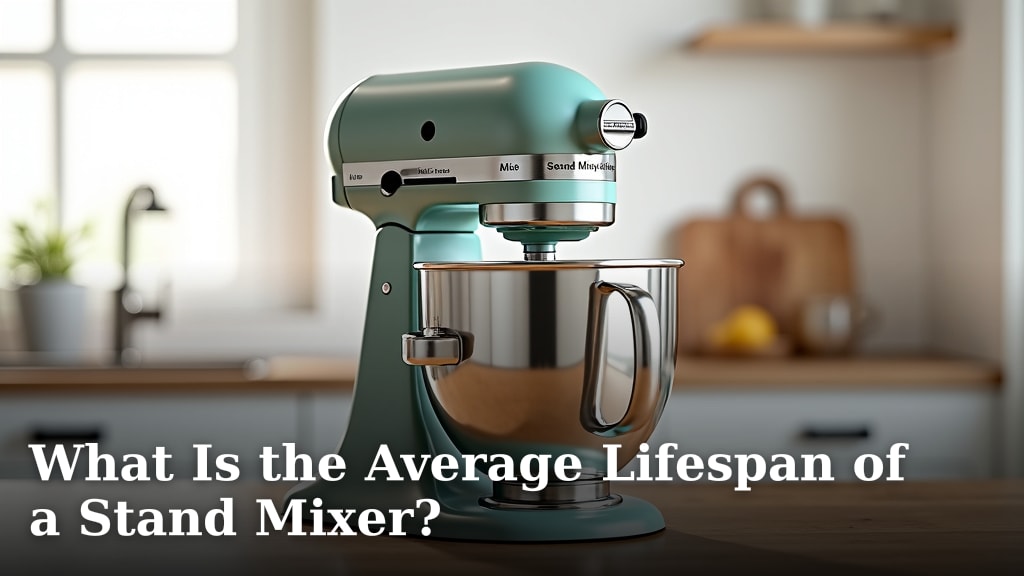
The average lifespan of a stand mixer is typically 10-15 years, though many models, especially high-quality ones, can last 20 years or more with proper care. It really depends on the brand and how often you use your stand mixer.
You might be wondering if your trusty kitchen companion is nearing retirement, right? We found that the brand reputation and material quality play a huge role. Things like heavy-duty motors and metal gears usually mean a longer life for your stand mixer.
- Stand mixers often last 10-15 years.
- Premium brands can last 20+ years.
- Usage frequency affects longevity.
- Quality of parts (motor, gears) is key.
Let’s dive into what makes a stand mixer last and how you can extend its life in your kitchen.
Understanding Stand Mixer Lifespan
You’re curious about how long your stand mixer should last. We found that its longevity is a mix of its original quality and how you treat it over the years.
Key Factors Influencing Durability
Several elements come together to determine your stand mixer’s lifespan. Think of it like a car; some are built to go the distance, while others might struggle a bit sooner.
Brand Reputation and Quality
It’s often true that you get what you pay for. Reputable brands typically invest more in research, development, and high-quality materials. We found that brands known for their reliability often deliver mixers that last longer (Consumer Reports).
These companies usually have stricter quality control. This means fewer defects and a more durable product for your kitchen.
Material Construction and Design
The guts of your mixer matter a lot. Is it plastic or metal? We found that stand mixers with all-metal gears and a heavy-duty motor tend to outlast those with plastic components.
Metal parts withstand stress better. They resist wear and tear from thick doughs or heavy mixing jobs. A robust design also prevents internal components from shifting or breaking down prematurely.
Impact of Usage Frequency and Intensity
How often do you bake? Are you making light batters or dense bread dough? Your usage habits directly affect your mixer’s life.
Occasional vs. Frequent Use
If you use your mixer once a month for a simple cake, it will likely last much longer. The parts experience less stress and fewer cycles of operation. It’s like a car with low mileage – fewer trips mean less wear.
However, if you’re a passionate baker, using your mixer several times a week for heavy tasks, its components will wear down faster. This is normal and expected. Frequent use means more strain on the motor and gears.
Types of Tasks Performed
Think about what you ask your mixer to do. Whipping cream or mixing light cookie dough is gentle. Kneading stiff bread dough, however, puts a significant load on the motor and gears. Heavy-duty tasks generate more heat and stress.
We found that mixers regularly used for bread making or other demanding recipes might show signs of wear sooner. It’s important to choose a mixer rated for the tasks you plan to do most often.
Extending Your Stand Mixer’s Life
Want your stand mixer to be a kitchen heirloom? You can take steps to help it last longer. It’s about proactive care and smart usage.
Proper Maintenance and Care Routines
A little care goes a long way. Think of your mixer like any other valuable appliance; it benefits from regular attention.
Regular Cleaning Habits
After each use, clean your mixer. Food particles can get into crevices and harden. This can make future cleaning harder and potentially impact moving parts. Wipe down the exterior and clean attachments thoroughly (Good Housekeeping).
Make sure to dry everything properly. Moisture can lead to rust or other issues, especially in areas where attachments connect to the mixer head.
Storage Tips for Longevity
Where do you keep your mixer? Storing it in a cool, dry place is best. Avoid areas with extreme temperature fluctuations, like a garage that gets very hot or cold.
Covering your mixer with a cloth or its original cover protects it from dust and spills. Dust can build up inside, potentially affecting internal mechanisms over time.
Smart Usage Practices
Using your mixer correctly is just as important as cleaning it. It helps prevent unnecessary strain.
Adhering to Manufacturer Guidelines
Always read your mixer’s manual. It’s not just a suggestion; it contains vital information. The manufacturer provides details on its capacity, speed settings for different tasks, and recommended usage limits. If you frequently make bread, our guide to the best stand mixer for bread baking can help you choose a model built for that task.Following these guidelines protects your warranty and your machine.
Overfilling the bowl or pushing the motor beyond its recommended limits can shorten its life dramatically. This often leads to motor burnout or gear damage.
Avoiding Overloading and Overheating
Don’t try to mix too much at once. If a recipe calls for a certain amount of flour, respect your mixer’s capacity. Forcing it to mix an overly large or thick batch puts immense strain on the motor.
If you notice your mixer getting hot or hear the motor straining, give it a break. Let it cool down before continuing. Frequent overheating is a leading cause of motor failure.
Knowing When to Repair vs. Replace
Even with the best care, sometimes things go wrong. How do you decide what to do?
Common Issues and DIY Fixes
Some minor issues are easy to fix yourself. A loose screw, a worn-out paddle, or a minor attachment problem might just need a simple replacement part. Check online forums or manufacturer websites for common fixes.
However, if the issue involves the motor or complex internal components, it might be time to think bigger. Don’t attempt repairs that could void your warranty or cause more damage.
Signs of a Failing Mixer
Your mixer will often tell you it’s tired. Listen for unusual noises, like grinding or loud clunking. Watch for smoke or a burning smell – those are definite red flags. If your mixer struggles with tasks it used to handle easily, or if it stops mid-mix, it might be on its last legs.
Another sign is inconsistent performance. If speeds become erratic or the mixer feels like it’s losing power, it’s worth assessing. Consider the cost of repair versus buying a new, potentially more efficient model.
Here’s a quick checklist to keep your mixer happy:
- Clean after every use.
- Store in a cool, dry spot.
- Don’t exceed capacity.
- Let it cool if it overheats.
- Follow the manual’s advice.
- Replace worn attachments promptly.
Comparing Mixer Lifespans: A Quick Look
To give you a better idea, here’s a general comparison based on typical observations. Remember, these are averages, and your experience might differ.
| Mixer Type / Brand Tier | Typical Lifespan (Years) | Notes on Durability |
|---|---|---|
| Entry-Level / Budget Brands | 5-10 | Often plastic gears; best for light, occasional use. |
| Mid-Range / Popular Brands | 10-15 | Good balance of price & performance; some metal parts. |
| High-End / Premium Brands | 15-25+ | Heavy-duty motors, all-metal construction; built to last. |
| Commercial-Grade Models | 20-30+ | Designed for continuous, heavy use; very robust. |
Conclusion
Your stand mixer is more than just a kitchen appliance; it’s an investment in your culinary adventures. We’ve seen that its lifespan, typically 10-15 years, often stretches beyond 20 for well-cared-for, quality models. Brand reputation, material strength, and your usage habits all play a role.
By implementing simple care routines, following manufacturer guidelines, and recognizing signs of wear, you can significantly extend its life. So, go ahead and treat your mixer with the care it deserves. It will reward you with many more years of delicious creations.
Frequently Asked Questions
How can I tell if my stand mixer’s motor is failing?
Listen for unusual grinding, clunking, or squealing noises. A failing motor might also emit a burning smell, struggle with tasks it once handled easily, or feel very hot to the touch. Inconsistent speeds or complete power loss are also strong indicators.
Is it worth repairing an older stand mixer?
It depends on the repair cost versus replacement value. If the repair is simple and inexpensive, like replacing an attachment or a minor part, it might be worthwhile. For major issues like a motor replacement, compare the repair quote to the price of a new mixer with a fresh warranty.
Does mixing thick dough really shorten a stand mixer’s life?
Yes, frequently mixing thick or stiff doughs puts significant strain on your mixer’s motor and gears. This intense use generates more heat and can accelerate wear and tear, potentially shortening its lifespan compared to lighter tasks.
Should I cover my stand mixer when not in use?
Absolutely! Covering your stand mixer protects it from dust, grease, and accidental spills in your kitchen. Dust can build up in internal mechanisms, potentially affecting performance over time, making a cover a simple way to extend its life.
Are metal gears always better than plastic gears in a stand mixer?
Generally, yes. Our research found that stand mixers with all-metal gears are more durable and resistant to wear and tear, especially when performing heavy-duty tasks. Plastic gears can strip or break more easily under stress, particularly with frequent, intense use.
