
What Is the Best Stand Mixer for Making Pasta from Scratch?

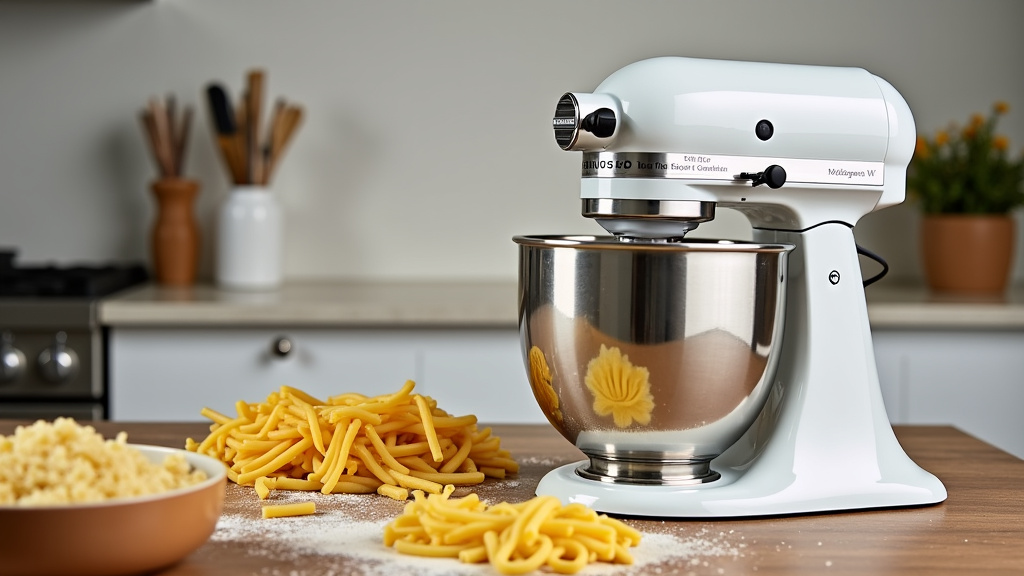
The best stand mixer for making pasta from scratch is often considered the KitchenAid Artisan Series. This mixer offers the power and versatility needed for kneading doughs and can handle the demands of homemade pasta. Many home cooks find its durability and range of attachments make it a top choice for Italian-inspired meals.
When you’re looking for a stand mixer to tackle homemade pasta, consider its motor strength and bowl capacity. A good mixer will make dough preparation much easier. You’ll want a machine that can confidently knead stiff doughs without straining. This is key for achieving that perfect al dente texture. Our guide to the best stand mixer for pasta making can help you choose the right one.
- KitchenAid Artisan is a popular choice for pasta making.
- Look for strong motor power for kneading dough.
- Consider bowl size for your typical pasta batch.
- Attachment compatibility is important for pasta makers.
We’ve researched and found that selecting the right stand mixer can truly transform your pasta-making experience. Let’s dive into what makes a stand mixer ideal for fresh pasta and which models stand out.
Choosing Your Champion: Stand Mixers for Homemade Pasta Dough
Making pasta from scratch can feel like a culinary superpower. That perfect, silky dough is within your reach. But you need the right tool for the job. We’ve looked at what makes a stand mixer excel at pasta making. The main goal is a machine that can powerfully knead dough without breaking a sweat. This is key to developing gluten properly.
Why a Stand Mixer is Your Pasta Partner
Think of your stand mixer as your sous chef for dough. Kneading pasta dough by hand can be a workout. It requires time and consistent effort. A stand mixer takes on this labor for you. It ensures the dough is mixed evenly and kneaded thoroughly. This leads to a much smoother texture in your final pasta. Plus, it frees you up to prep other parts of your meal.
What to Look For in a Pasta-Making Mixer
When you’re eyeing stand mixers for pasta, a few features rise to the top. You’ll want to focus on the motor’s power. Pasta doughs, especially from semolina flour, can be quite stiff. A weak motor will struggle and might even overheat.
Motor Power: The Heart of the Operation
We found that 300 watts or more is a good starting point for most home pasta makers. More powerful motors (around 500 watts) can handle tougher doughs with ease. They also tend to be more durable over time. Don’t just look at the wattage; consider the mixer’s overall build quality. A sturdy machine will last longer.
Bowl Size Matters for Your Batches
Think about how much pasta you typically make. A 5-quart bowl is often sufficient for a family of four. If you’re feeding a crowd or like to freeze portions, a 6-quart or larger bowl might be better. Larger bowls can handle bigger dough batches without overflowing. This prevents messy countertop situations.
Durability and Build Quality
You want a mixer that feels solid. Metal construction is generally preferred over plastic. This speaks to the mixer’s ability to withstand demanding tasks. A heavier mixer is less likely to “walk” across your counter when kneading. We found that brands known for their robust engineering often perform best for dough work.
The All-Important Attachments
While the basic mixer is great, attachments can take your pasta game to the next level. Many stand mixers have optional pasta attachments. These are specifically designed to roll and cut dough into various pasta shapes. They are a fantastic addition if you plan to make pasta often.
Pasta Roller Attachment
This attachment is essential for creating uniform sheets of pasta dough. You feed your kneaded dough through the rollers. You can adjust the thickness for different pasta types. Think lasagna sheets or fettuccine. It saves so much time compared to rolling by hand. We found this attachment is a game-changer for consistency.
Pasta Cutter Attachments
Once your dough is rolled, you’ll want to cut it. Many roller attachments come with built-in cutters, or you can buy separate ones. Common cuts include fettuccine and spaghetti. Some brands offer additional cutters for shapes like ravioli or linguine. These attachments are typically made of stainless steel for durability.
Top Stand Mixer Contenders for Pasta Dough
Based on our research, some stand mixers consistently perform well for homemade pasta. They offer the right blend of power, durability, and versatility.
KitchenAid Artisan Series: The Classic Choice
The KitchenAid Artisan series is a very popular choice among home cooks. Its 325-watt motor is strong enough for most pasta doughs. The 5-quart bowl is a good size for typical batches. We found that its all-metal construction and reputation for longevity make it a solid investment. Plus, the wide range of colors lets you match your kitchen décor.
KitchenAid Professional Series: For the Serious Pasta Maker
If you plan to make large quantities of pasta or use very stiff doughs, the Professional series is worth considering. These models typically have more powerful motors (often 500 watts or more) and larger bowls (5-7 quarts). They are built for heavy-duty tasks. We found they offer exceptional performance and durability for demanding recipes.
Cuisinart Stand Mixers: A Strong Alternative
Cuisinart offers stand mixers that rival KitchenAid in performance and features. Their models often come with powerful motors and sturdy build quality. Many Cuisinart mixers also have a wide array of compatible attachments, including pasta rollers and cutters. We found their price point can sometimes be more accessible, offering great value.
Making Pasta Dough: A Quick Checklist
Ready to get started? Here’s a simple checklist to help you on your pasta-making journey:
- Ensure your stand mixer has at least 300 watts of power.
- Choose a bowl size that fits your usual batch size.
- Verify that pasta attachments are available for your chosen mixer.
- Check that the mixer has a durable, metal construction.
- Look for mixers with good reviews for dough-making capabilities.
- Have your favorite pasta recipe ready to go!
Considering the Dough Hook
The dough hook attachment is your best friend for pasta. It’s designed to knead dough efficiently. Most stand mixers come with one. For pasta, you’ll likely use the mixer on a low to medium speed. This prevents the dough from becoming too tough. We found that watching the dough closely is key. You want it to form a smooth ball that pulls away from the sides of the bowl.
A Note on Different Flour Types
Different flours behave differently. Traditional Italian pasta often uses semolina flour. This flour is harder and requires more kneading. Your stand mixer’s power is particularly important here. All-purpose flour or ’00’ flour are softer and may require less intensive kneading. We found that many users have success with a strong mixer and the right attachment, regardless of the specific flour.
Beyond the Mixer: Other Pasta Essentials
While the stand mixer is central, don’t forget other helpful items. A good set of measuring cups and spoons ensures accuracy. A kitchen scale can provide even more precise results, especially for flour. Parchment paper or a clean kitchen towel is useful for letting your pasta rest. And of course, a good recipe is your guide. We found that having these items ready makes the whole process much smoother.
Conclusion
You’re now equipped to choose the perfect stand mixer for your homemade pasta dreams. Remember, a strong motor and sturdy build are your allies in kneading tough doughs. Don’t forget the power of pasta attachments to truly transform your creations. Whether you opt for the classic KitchenAid Artisan or a robust Cuisinart, the key is finding a machine that can handle the task reliably. Start your pasta journey today by investing in a mixer that will serve you well batch after batch.
Frequently Asked Questions
Can I use any stand mixer for pasta dough?
While many stand mixers can handle basic doughs, pasta doughs, especially those made with semolina, can be quite stiff. You’ll want a mixer with a strong motor (300 watts or more) and durable construction to avoid straining the machine. Check reviews specifically for dough-making capabilities.
Is a KitchenAid Artisan good enough for making pasta?
Yes, the KitchenAid Artisan series is a popular and capable choice for most home pasta makers. Its 325-watt motor is generally sufficient for standard pasta doughs, and its durability is well-regarded. If you plan on making very large batches or extremely stiff doughs regularly, you might consider a more powerful model.
Do I really need pasta roller and cutter attachments?
Pasta roller and cutter attachments are not strictly necessary, but they significantly simplify and improve the process. They ensure consistent dough thickness and uniform pasta shapes, saving you time and effort compared to rolling and cutting by hand. They are highly recommended if you plan to make pasta often.
How much bowl capacity do I need for pasta making?
A 5-quart bowl is typically sufficient for most home cooks, easily handling enough dough for a family of four. If you frequently make larger batches for entertaining or meal prepping, consider a mixer with a 6-quart or larger bowl to avoid overfilling and ensure even mixing.
Can I make egg-based pasta dough in a stand mixer?
Absolutely! Egg-based pasta doughs are often a bit softer than semolina-based ones, making them very manageable for most stand mixers. The dough hook will easily incorporate the ingredients and knead the dough to a smooth consistency. Just be sure to monitor the dough’s texture to avoid over-kneading.
