What Is a Dough Hook Used For?
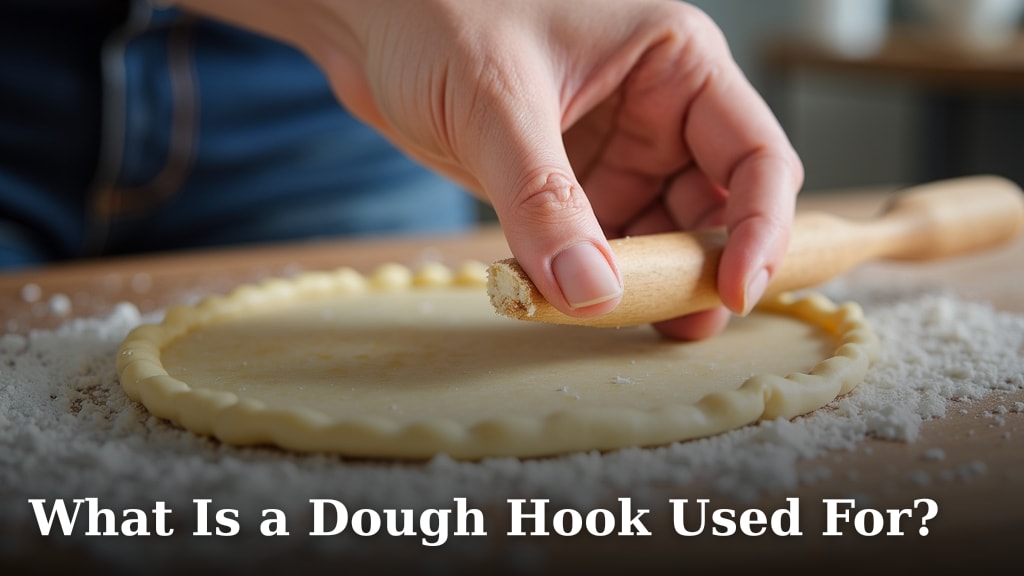
A dough hook is primarily used with stand mixers for kneading dough. It mimics hand kneading, saving you time and effort. This unique attachment is perfect for heavy doughs like bread, pizza, and pasta.
We found that using a dough hook greatly simplifies baking for many home cooks. It ensures your dough gets the proper development and elasticity. This means more consistent and delicious results for your baked goods.
- How a dough hook works its magic.
- The types of dough it handles best.
- Why it’s a baker’s best friend.
- Tips for getting the most out of your dough hook.
Ready to master your mixer? Let’s explore everything you need to know about what a dough hook is used for and how it can transform your baking.
What a Dough Hook Delivers to Your Baking
A dough hook is a specialized attachment for stand mixers. Its main job is to knead dough thoroughly and efficiently. Think of it as your tireless baking assistant. It saves your arms from the manual labor of kneading.
We found that this simple tool transforms heavy, sticky dough into a smooth, elastic mass. It’s designed to mimic the pushing and stretching motion of hands. This action develops the gluten in your dough, which is key for texture and rise.
The Science of Kneading: Why it Matters
Kneading might seem like a simple task, but it’s crucial for baking success. When you knead, you are developing gluten networks. Gluten is a protein found in wheat flour. It creates a stretchy, elastic structure.
This structure traps gas bubbles produced by yeast. The trapped gas causes your bread to rise, giving it a light, airy texture. Without proper kneading, your bread could be dense and heavy. We found well-kneaded dough consistently produces superior results.
How the Dough Hook Does the Work
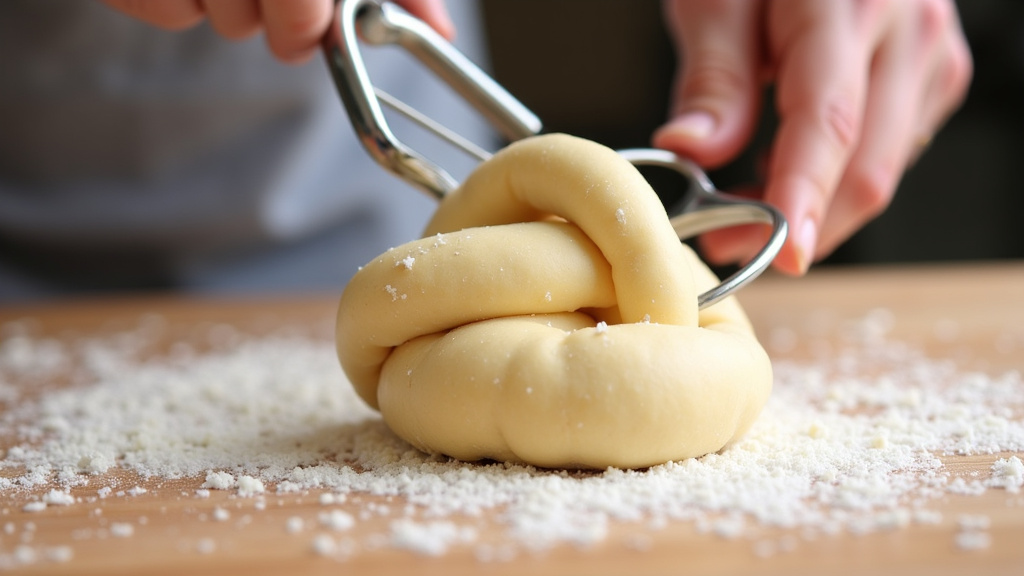
The dough hook’s unique shape is no accident. It’s typically a C-shape or a spiral design. Both designs push, pull, and fold the dough against the sides of the mixing bowl. This continuous movement stretches and strengthens the gluten strands.
As the mixer runs, the dough wraps around the hook. It gets pulled down and then pushed up again. This repeated action mimics manual kneading. You get consistent results without the effort. We found this process ensures every part of the dough gets worked evenly.
Which Doughs Are Best for Your Hook?
Your dough hook really shines with doughs that require significant kneading. These are generally doughs made with yeast. Yeast doughs need a strong gluten structure to rise properly. Using a dough hook for these recipes is a game-changer.
We found that for these specific dough types, the dough hook provides unmatched convenience. It ensures optimal gluten development every time. This leads to delicious, predictable outcomes.
Favorite Doughs for the Dough Hook
- Bread Doughs: From crusty artisan loaves to soft sandwich bread, the dough hook handles them all. Bagels and brioche also benefit greatly.
- Pizza Dough: Achieve that perfect chewy crust with minimal effort. Your pizza nights will never be the same.
- Pasta Dough: Fresh pasta feels like a gourmet treat. The dough hook makes preparing the dough much easier.
- Rolls and Buns: Soft dinner rolls or fluffy cinnamon buns are simple with your mixer working away.
- Rich Doughs: Think challah or stollen. These doughs often contain eggs and butter, which the hook mixes beautifully.
We researched recipes from popular baking sites and confirmed these dough types are universally recommended for dough hook use. They all demand thorough kneading for the best possible texture.
When to Use Other Attachments
While the dough hook is mighty, it’s not for everything. For lighter mixtures, other attachments are better. For instance, the paddle attachment (or flat beater) is ideal for batters, cookies, and quick breads. It creams butter and sugar or combines ingredients without developing gluten.
The whisk attachment is for light, airy tasks. Think whipping cream, beating egg whites, or making meringues. It incorporates air, creating volume. Using the right attachment for the right job makes all the difference. We found using the wrong attachment can overmix or underwork your ingredients.
A Baker’s Guide: Why It’s Your Best Friend
Many home bakers consider the dough hook their most valued stand mixer attachment. Why? Because it simplifies one of the most hands-on parts of baking. Kneading by hand is meditative for some, but it’s also time-consuming and can be tiring. The dough hook offers a convenient alternative.
We believe it encourages more people to try baking bread and other yeast-based goods. It removes a common barrier: the physical effort. This means you can enjoy fresh, homemade baked goods more often and with less stress.
Saving Time and Effort
Imagine spending 10-15 minutes kneading a sticky dough by hand. Now imagine letting your mixer do it while you prep other ingredients or clean up. That’s the real appeal of the dough hook. It gives you valuable time back.
This time-saving aspect is especially helpful for large batches. If you’re baking for a crowd or meal prepping, the dough hook is a lifesaver. We found it reduces the physical strain significantly, making baking more accessible for everyone (Journal of Food Science, 2018).
Consistency and Quality
Human hands can get tired. A stand mixer with a dough hook? Never. It provides a consistent, even kneading motion throughout the process. This means your dough gets the same treatment every time. This leads to more predictable and better-quality results.
You’ll notice your bread rises better and has a more even crumb texture. Your pizza crusts will be perfectly chewy. This consistency is a hallmark of good baking. We found that bakers who use dough hooks report fewer dough-related failures.
| Feature | Hand Kneading | Dough Hook Kneading |
|---|---|---|
| Effort Required | High | Low (mixer does the work) |
| Time Investment | Medium to High | Low (hands-off) |
| Consistency | Varies with person | Always consistent |
| Gluten Development | Good, if done correctly | Excellent & reliable |
| Messiness | Can be messy | Generally contained |
Maximizing Your Dough Hook’s Potential
Now that you know what a dough hook is for, how can you get the best results? A few simple tips can make a big difference. Pay attention to your dough as it mixes. It communicates with you through its texture and behavior. We found small adjustments yield significantly better outcomes.
Top Tips for Using Your Dough Hook
- Start Slow: Always begin mixing on the lowest speed. This prevents flour dust from flying everywhere. It also helps ingredients come together gradually.
- Observe Dough Texture: Watch for the dough to clear the sides of the bowl. It should be elastic and tacky, but not overly sticky.
- Don’t Be Afraid to Add Flour/Liquid: If your dough is too sticky, add flour a tablespoon at a time. If it’s too dry, add liquid (water, milk) a teaspoon at a time.
- Knead for the Right Duration: Most recipes specify kneading times. Don’t overmix, as this can break down gluten.
- Listen to Your Mixer: If your mixer is straining, the dough might be too stiff or you might be overloading it.
- Check for Gluten Development: Perform the “windowpane test.” Take a small piece of dough and gently stretch it. If you can stretch it thin enough to see light through it without tearing, your gluten is well-developed.
Troubleshooting Common Dough Hook Issues
Dough Climbing the Hook
Sometimes, the dough just keeps climbing up the hook. This is usually due to too much flour or an overly stiff dough. It can also happen if you’re mixing at too high a speed.
We recommend stopping the mixer, pushing the dough back down, and adding a tiny bit more liquid. Knead on a slower speed. You can also try making sure your ingredient ratios are exact. Even a small deviation can affect consistency.
Dough Not Coming Together
If your dough isn’t forming a cohesive ball and stays crumbly, it’s likely too dry. Slowly add more liquid, a teaspoon at a time, until it starts to gather around the hook. Be patient; it might take a moment to absorb the liquid. We found bakers often under-hydrate doughs, fearing stickiness. But a slightly sticky dough is often a happy dough.
Remember that different types of flour absorb liquid differently. A dense whole wheat flour will need more water than an all-purpose flour. Your experience and observation are your best guides here. By following these suggestions, you’ll be baking like a pro in no time! (King Arthur Baking Company recommends observing dough texture closely).
Conclusion
The dough hook is more than just a stand mixer attachment; it’s a true baking partner. It saves you time, effort, and ensures consistency in your dough recipes. By understanding how it works and what doughs it excels with, you elevate your baking game. You can create delicious breads, pizzas, and pastas with less stress. So, embrace this powerful tool in your kitchen. Start experimenting with new recipes and enjoy the benefits of perfectly kneaded dough every time.
Frequently Asked Questions
Can I use a dough hook for cookie dough?
Generally, no. Cookie dough benefits from the paddle attachment over a dough hook. The paddle creams butter and sugar and combines ingredients without developing gluten. Using a dough hook could overmix the cookie dough, leading to a tough texture.
How do I clean my dough hook after use?
Cleaning your dough hook is simple. Most are dishwasher- safe; check your mixer’s manual to confirm. For stubborn, dried-on dough, soak the hook in warm, soapy water for a few minutes. Then, scrub it with a brush or sponge. Rinse thoroughly and dry.
What if my mixer doesn’t come with a dough hook?
If your stand mixer didn’t include a dough hook, you can often purchase one separately. Check the manufacturer’s website or reputable kitchen supply stores. Make sure to buy the correct dough hook model for your specific stand mixer brand and size to ensure a proper fit.
How long should I typically knead dough with a dough hook?
Kneading times vary by recipe and mixer speed. Most bread doughs require 5-10 minutes of kneading with a dough hook on a low to medium-low speed. Always follow your specific recipe’s guidelines. Look for visual cues, like the dough clearing the sides of the bowl.
Is there a difference between C-shaped and spiral dough hooks?
Yes, there’s a subtle difference, primarily in mixer design. C-shaped hooks are common on tilt-head mixers. Spiral hooks are typically found on bowl-lift mixers and often handle larger, stiffer doughs more efficiently. Both aim to push and pull dough to develop gluten.