What Is a Tilt Head Stand Mixer?
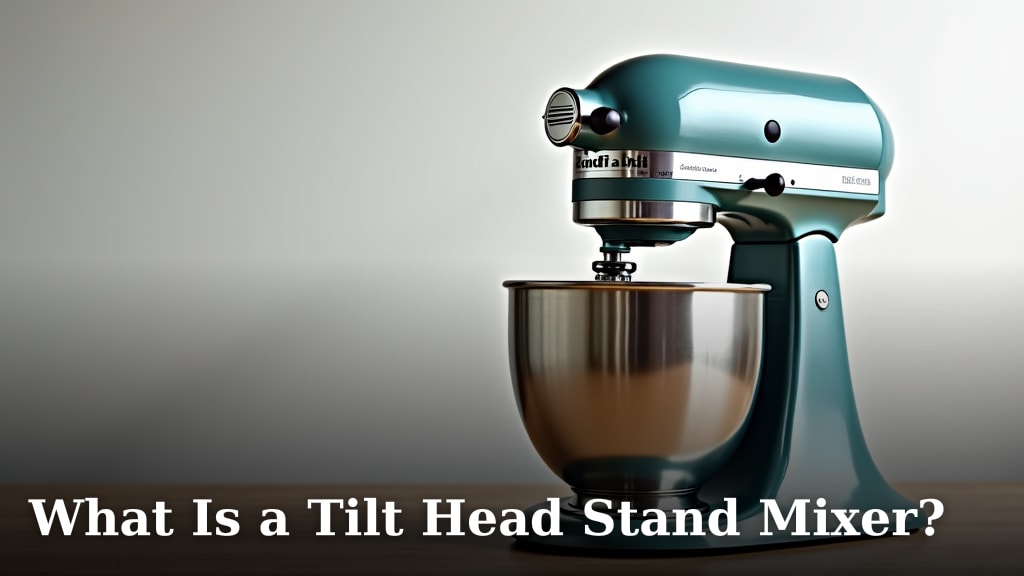
A tilt head stand mixer is a popular kitchen appliance where the mixer’s head tilts back, allowing you to easily add ingredients and attach accessories. This design makes it convenient to use for various baking and cooking tasks, offering a simpler way to access the mixing bowl.
You’ll find that these mixers are a favorite for home bakers because they are so user-friendly. We found they provide great access to the bowl and attachments, which really speeds up your prep time. They’re built for everyday kitchen needs.
- What a tilt head stand mixer is.
- How its design helps you bake.
- Why it’s a popular choice.
- Basic features of this mixer type.
Let’s look closer at what makes a tilt head stand mixer such a helpful tool in your kitchen.
Understanding the Tilt Head Stand Mixer Design
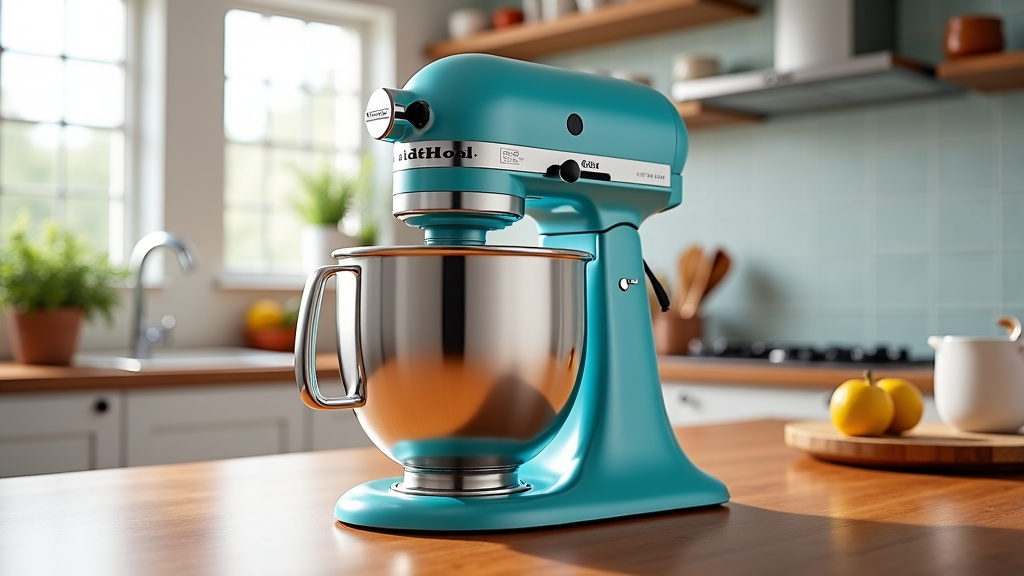
You might be wondering what makes a tilt head mixer so special. It’s all about its clever design. This type of mixer has a hinged head that lifts up and out of the way. This movement gives you clear access to the mixing bowl and attachments. It’s a simple idea, but it makes a big difference in your kitchen workflow.
When the head is tilted back, you can easily scrape down the sides of the bowl. You can also add ingredients like flour or sugar without making a mess. We found this feature makes baking much less stressful. It saves you time and keeps your countertops cleaner.
How the Tilting Mechanism Works
The tilting mechanism is surprisingly straightforward. There’s usually a small lever or button on the mixer’s base. You press or pull this to release the head. Then, you simply tilt the head backward until it locks into place. This lock is important for safety and stability.
When you’re ready to mix, you tilt the head back down. It locks into its operating position over the bowl. This design means the mixer is ready to work quickly. It also prevents the head from moving during mixing, which is important for consistent results.
Key Features of Tilt Head Mixers
Tilt head mixers often come with a range of features designed for home bakers. You’ll typically find multiple speed settings, from a very gentle stir to a fast whip. This control helps you achieve the right consistency for any recipe. Many models also include a “soft start” feature to prevent ingredients from splattering when you first turn it on.
Most mixers include three basic attachments: a flat beater, a wire whisk, and a dough hook. These attachments handle everything from cakes to bread. Some models offer even more accessories, like pasta makers or meat grinders, turning your mixer into a versatile kitchen hub.
Standard Attachments You’ll Use
- Flat Beater: This is your go-to for creaming butter and sugar. It also works great for mixing batters and frostings.
- Wire Whisk: Perfect for whipping egg whites, cream, or light batters. It adds air for fluffy results.
- Dough Hook: Designed to knead yeast doughs for bread, pizza, and pasta. It saves your arms from tiring out.
Advantages of Choosing a Tilt Head Model
So, why do so many people prefer a tilt head mixer? The main reason is user convenience. Think about it: you can easily get to your bowl. This makes adding ingredients, scraping, and removing the bowl so much simpler. We found this design reduces mess and frustration, especially when you’re baking a complex recipe.
Another benefit is its compact size compared to some other mixer types. While stand mixers do take up counter space, tilt head models often have a slightly smaller footprint when stored. This is a plus if your kitchen has limited room. They are also usually lighter, making them easier to move if needed.
Ease of Use and Maintenance
When it comes to daily baking, ease of use is everything. With a tilt head mixer, you can quickly attach and detach bowls and accessories. This means less fumbling around, which is a real time-saver. Cleaning is also straightforward because the bowl and attachments are dishwasher safe in most cases (check your manual, of course!).
We found that the open access provided by the tilting head makes cleaning the mixer itself much easier. You can wipe down the head and base without obstructions. This helps keep your appliance looking good and working well for years. A little bit of regular care goes a long way.
Quick Cleaning Checklist
- Unplug the mixer before cleaning.
- Remove the bowl and attachments immediately after use.
- Wash bowl and attachments (often dishwasher safe).
- Wipe down the mixer head and base with a damp cloth.
- Dry all parts thoroughly before reassembling or storing.
- Check for any food debris in crevices.
Comparing Tilt Head vs. Bowl Lift Mixers
You might also see “bowl lift” stand mixers. What’s the difference? A bowl lift mixer has a fixed head, and the bowl clips onto arms that you then raise with a lever. While both do the same job, their designs suit different needs. Think about how you typically bake and what features matter most to you. Here’s a quick comparison:
| Feature | Tilt Head Mixer | Bowl Lift Mixer |
|---|---|---|
| Access | Head tilts back for easy bowl access. | Bowl raises/lowers; head is stationary. |
| Adding Ingredients | Very easy with clear opening. | Can be a bit trickier, might need to stop. |
| Size | Generally more compact for home kitchens. | Often larger and heavier, geared for heavy-duty. |
| Capacity | Typically 4.5 to 6 quarts, good for home use. | Often 5 to 8 quarts, better for large batches. |
| Stability | Very stable for most tasks. | Exceptional stability, good for stiff doughs. |
Many home bakers find the tilt head design to be more intuitive and user-friendly for everyday tasks. If you’re not routinely making triple batches of bread, a tilt head mixer offers plenty of power and convenience (Good Housekeeping).
Who Benefits Most from a Tilt Head Stand Mixer?
A tilt head stand mixer is a fantastic choice for a wide range of people. If you’re a casual baker who enjoys making cookies, cakes, and occasional bread, this mixer is perfect. It provides enough power and capacity for most home recipes. It’s also great for those who value convenience and easy cleanup.
You’ll also appreciate this design if you have limited counter space. Their generally smaller footprint means they can fit more easily into a busy kitchen. We often recommend them for anyone just starting their baking journey, as they are very forgiving and simple to operate.
Ideal for Home Bakers and Everyday Use
For the average home kitchen, a tilt head mixer hits a sweet spot between performance and practicality. You get the benefits of a powerful stand mixer without needing a commercial-grade appliance. It handles mixing, whisking, and kneading with ease. This makes your baking more enjoyable and less like a chore.
Consider your typical baking habits. Do you make a batch of cookies once a week? Do you love baking birthday cakes? A tilt head mixer will serve you well. It’s built to be a reliable workhorse for all your everyday culinary adventures.
Conclusion
You’ve seen how a tilt head stand mixer can truly simplify your kitchen tasks. Its convenient design makes adding ingredients and cleaning a breeze. We’ve discussed its user-friendly nature, compact size, and why it’s a perfect fit for most home bakers. This mixer offers reliability and versatility for your everyday recipes.
If you’re looking for a dependable, easy-to-use appliance that makes baking more enjoyable, a tilt head model is an excellent choice. Consider your baking frequency and kitchen space, then choose the right tilt head mixer to elevate your culinary creations.
Frequently Asked Questions
Are tilt head mixers less powerful than bowl lift models?
Not necessarily. While bowl lift mixers are often associated with larger capacities and heavy-duty tasks, many tilt head models offer powerful motors suitable for most home baking needs. Always check the wattage specifications when comparing models.
Can I knead bread dough with a tilt head stand mixer?
Yes, most tilt head stand mixers come with a dough hook attachment designed for kneading. They handle standard bread recipes and pizza doughs well. For very large batches or extremely stiff doughs, a bowl lift model might offer more stability.
What size tilt head mixer should I buy?
The ideal size depends on your typical batch sizes. For most home bakers, a 4.5 to 5-quart capacity is plenty for cookies, cakes, and single loaves of bread. If you often bake for larger groups, a 6-quart model might be better.
Is it difficult to clean a tilt head mixer?
No, cleaning a tilt head mixer is quite easy. The head tilts back, giving you full access to the bowl and attachments. Most bowls and attachments are dishwasher safe. You can simply wipe down the mixer’s body with a damp cloth.
Do tilt head mixers come with different color options?
Absolutely! Many brands offer tilt head stand mixers in a wide array of colors. You can usually find one that matches your kitchen decor or personal style. This allows your appliance to be both functional and a stylish countertop addition.