Can You Use a Stand Mixer to Mix Meatloaf?
Yes, you can use a stand mixer to mix meatloaf, but it’s not always the best method. While a stand mixer can combine ingredients, you need to be careful to avoid overmixing your meatloaf.
Many home cooks wonder if this kitchen gadget is a good idea for meat. We found that a stand mixer can save your hands from getting messy. Just remember that the texture of your meatloaf might change if you’re not careful.
- Stand mixers can mix meatloaf ingredients.
- Avoid overmixing to keep a good texture.
- Hand mixing often gives the best results for meatloaf.
- A mixer can be a good option for certain recipes.
Let’s walk through exactly how a stand mixer can help, and when you might want to stick to mixing by hand.
Using a Stand Mixer for Your Meatloaf Mix
When you’re preparing meatloaf, the goal is often a tender, flavorful result. A stand mixer can certainly help with combining ingredients. However, we found it requires a different approach than mixing dough for bread or cake batter. Your focus should be on gentle incorporation.
You might be wondering, “Why use a mixer at all?” Well, it can save your hands from getting sticky and cold. It’s also great if you’re making a large batch of meatloaf. Just be mindful of how long you let it run.
When a Stand Mixer Shines for Meatloaf
A stand mixer isn’t always the first tool people reach for with meatloaf. But there are specific situations where it can be incredibly useful. It’s about understanding its strengths and limitations.
We found that a mixer is particularly helpful for bigger recipes. If you’re doubling or tripling your grandma’s classic meatloaf, mixing by hand can become quite a workout. The mixer takes the heavy lifting out of it, especially with a sturdy attachment.
Benefits of Using a Stand Mixer
Let’s talk about the good stuff. Using a stand mixer offers several advantages. The main one is often convenience and cleanliness. Nobody loves raw meat under their fingernails.
- Less Mess: Your hands stay clean and dry. No more trying to wash off sticky meat residue.
- Even Distribution: The mixer can do a great job of spreading seasonings and binders throughout the meat. This leads to consistent flavor in every bite.
- Larger Batches: If you’re cooking for a crowd, a mixer makes light work of mixing several pounds of meat. Hand mixing would be very tiring.
- Accessibility: For those with hand or wrist issues, a stand mixer can be a real game-changer. It allows you to continue making your favorite recipes.
The Pitfalls: Why Overmixing is Your Enemy
Here’s the crucial part: overmixing is the biggest risk when using a stand mixer for meatloaf. Meatloaf is not like bread dough, which benefits from gluten development. With meat, you want to preserve its natural texture.
When you mix ground meat too much, you compress the proteins. This can make your meatloaf tough, dense, and chewy. You’re aiming for a tender, juicy meatloaf, not a rubbery one.
Understanding Meat’s Texture
Ground meat, especially beef, contains muscle fibers and fat. When these are worked excessively, they can bind together too tightly. This is similar to what happens when you make a hamburger patty and pack it too firmly. It just doesn’t taste as good.
We want to keep those delicate textures intact. The goal is to combine ingredients just enough so they hold together. Many experts say that gentle handling is key for a truly delicious meatloaf (Cook’s Illustrated).
Choosing the Right Stand Mixer Attachment
Not all mixer attachments are created equal for meatloaf. You wouldn’t use a whisk for bread dough, right? The same logic applies here. The wrong attachment can actually make it harder to avoid overmixing.
We found that the paddle attachment is your best friend for meatloaf. Its flat design gently folds ingredients. It minimizes the risk of kneading or compressing the meat.
- Paddle Attachment: This is the ideal choice. It gently mixes and folds ingredients. It reduces the chances of overworking the meat.
- Dough Hook: Avoid this one. It’s designed to knead and develop gluten in dough. This action will create a very tough meatloaf.
- Whisk Attachment: Also a no-go. This is for aerating and whipping. It won’t combine dense meatloaf ingredients effectively and could even damage your mixer.
Step-by-Step Guide for Mixer-Made Meatloaf
Ready to try it? Here’s how to use your stand mixer for meatloaf without sacrificing texture. Follow these steps carefully to ensure a moist and tender result.
- Gather Your Ingredients: Have all your meat, binders, seasonings, and aromatics ready.
- Combine Dry and Wet First: In a separate bowl, mix your eggs, milk, breadcrumbs, Worcestershire sauce, and any other liquid ingredients. Let the breadcrumbs soak a bit.
- Add Aromatics: Stir in your finely chopped onions, garlic, and herbs to the wet mixture. This ensures they are evenly distributed before hitting the meat.
- Introduce the Meat: Place your ground meat (beef, pork, veal, or a mix) into the stand mixer bowl.
- Pour in the Mixture: Add the wet ingredient and aromatic mixture over the ground meat.
- Mix on Low: Attach the paddle attachment. Start the mixer on the absolute lowest speed. You want it to barely turn.
- Watch Carefully: Mix for only 30-60 seconds. Stop as soon as the ingredients are just combined. You should still see some distinct pieces of meat, not a uniform paste.
- Finish by Hand (Optional but Recommended): Gently finish mixing any remaining uncombined spots by hand. This ensures evenness without overworking the bulk of the meat.
When Hand Mixing Still Wins Out
Despite the convenience of a stand mixer, many seasoned cooks still prefer to mix meatloaf by hand. Why is that? It comes down to control and feel.
Your hands are incredibly sensitive tools. You can feel the exact moment when the ingredients are just combined. You can sense if the mixture is too wet or too dry. This allows for precise adjustments that a machine can’t replicate.
For smaller batches, hand mixing is usually faster and less cleanup. You don’t have to pull out and wash a large appliance. Plus, it’s a bit more of a traditional cooking experience.
Troubleshooting Common Meatloaf Problems
Even with careful mixing, you might encounter issues. Let’s look at some common problems and how to fix them. A little know-how can save your meatloaf.
| Problem | Possible Cause | Solution/Prevention |
|---|---|---|
| Dry Meatloaf | Too little fat, overcooking, not enough binder. | Use meat with 15-20% fat. Don’t overbake. Add more liquid binder. |
| Crumbly Meatloaf | Not enough binder, under-mixing, low-fat meat. | Increase breadcrumbs/eggs. Mix until just combined. |
| Tough/Dense Meatloaf | Overmixing, too much binder. | Mix minimally, especially with a stand mixer. Reduce binders slightly. |
| Flavorless Meatloaf | Not enough seasoning. | Be generous with salt, pepper, herbs, and spices. Taste a small cooked bit. |
Tips for a Perfect Meatloaf Every Time
No matter how you mix, these tips will help you create a delicious meatloaf. These are tried-and-true methods for maximizing flavor and texture.
- Use Good Quality Meat: Start with fresh ground beef, ideally 80/20 (80% lean, 20% fat). The fat adds flavor and moisture.
- Don’t Skimp on Aromatics: Finely chopped onions, garlic, and celery add depth. Sauté them first for even more flavor.
- Choose Your Binders Wisely: Breadcrumbs (fresh or dry), eggs, and milk are common. They help hold the loaf together and keep it moist.
- Season Generously: Don’t be afraid to season well. Meatloaf needs a good amount of salt, pepper, and your favorite herbs.
- Don’t Pack It Too Tight: Whether forming by hand or with a mixer, avoid compacting the meatloaf too much. A looser form allows for better air circulation and a tender result.
Final Thoughts on Mixer vs. Hand
So, should you use a stand mixer or your hands for meatloaf? The answer often depends on your priorities and the specific recipe. If you value convenience and cleanliness, a stand mixer can be a good choice, as long as you use the right attachment and mix carefully.
If you prioritize ultimate control over texture and are making a smaller batch, hand mixing might still be your preferred method. Both can lead to a fantastic meal. It’s about knowing the pros and cons of each method and choosing what works best for your kitchen and your meal.
Conclusion
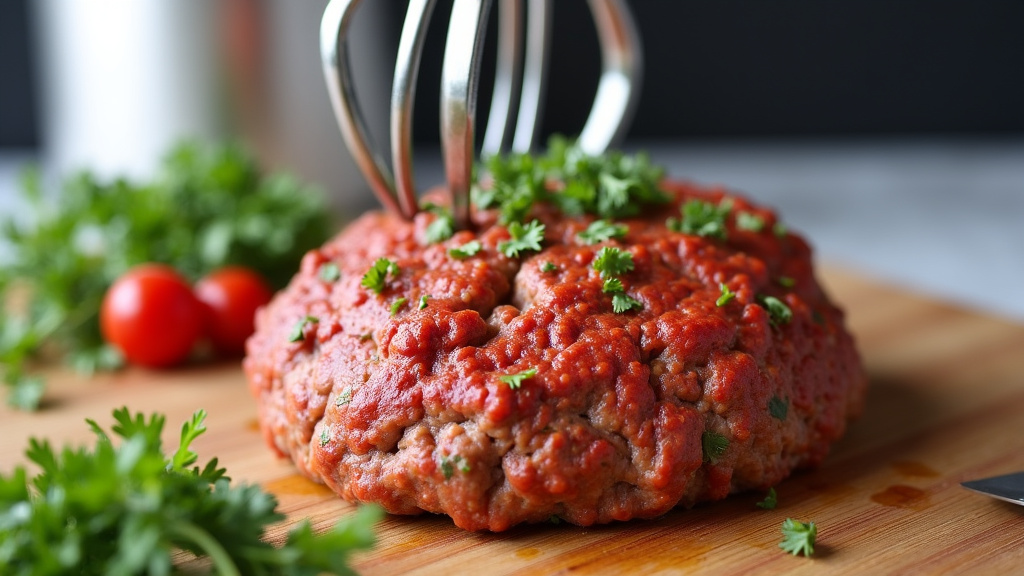
So, can you use a stand mixer for meatloaf? Absolutely! We’ve found it’s a fantastic tool for saving time and keeping your hands clean, especially when you’re making larger batches. The key is to use the paddle attachment and mix on the lowest speed for only a short time. This prevents that dreaded overmixing that can lead to a tough meatloaf.
While hand mixing gives you ultimate control, don’t shy away from your stand mixer. With careful technique, you can achieve a wonderfully tender and flavorful meatloaf. Now, go ahead and confidently put that mixer to work!
Frequently Asked Questions
Will my meatloaf be tough if I use a stand mixer?
Not necessarily! The biggest risk is overmixing. If you use the paddle attachment on the lowest speed for a short duration, your meatloaf can remain tender. Always mix just until the ingredients are combined.
What’s the best attachment for mixing meatloaf in a stand mixer?
The paddle attachment is your best bet. It gently folds the ingredients without overworking the meat. Avoid using the dough hook or whisk, as they can lead to a tough texture.
How long should I mix meatloaf in a stand mixer?
Mix for a very short time, usually 30 to 60 seconds on the lowest speed. Stop as soon as the ingredients appear mostly combined. You can always finish up any unmixed bits by hand.
Can I use a stand mixer for meatloaf if I have hand pain?
Yes, a stand mixer can be a great help if you experience hand or wrist pain. It takes the physical strain out of mixing large or sticky batches, allowing you to continue enjoying your favorite recipes.
Is hand mixing always better for meatloaf texture?
Many experienced cooks prefer hand mixing for the precise control it offers over texture. Your hands can feel exactly when the mixture is just right. However, a stand mixer can produce excellent results with the right technique, especially for larger quantities.