Can You Use a Stand Mixer to Mix Cornbread Batter?
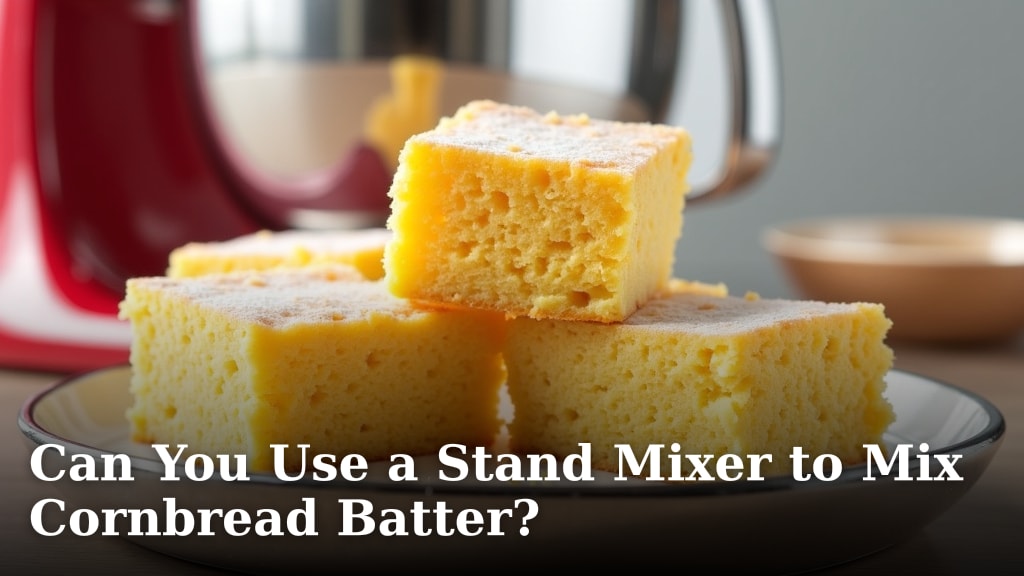
Yes, you absolutely can use a stand mixer to mix cornbread batter, but with a few important caveats to ensure a perfect batch. The key is to not overmix the batter, which can lead to tough cornbread.
You might be wondering if a stand mixer is really the best tool for the job. While it offers convenience, many bakers find that a simple whisk or spoon works just as well, if not better, for this particular batter. The goal is a light, tender crumb, and excessive mixing works against that.
- Stand mixers can mix cornbread batter.
- Overmixing is the biggest risk with a stand mixer.
- Overmixing makes cornbread tough and dense.
- A light hand is best for tender cornbread.
- Hand mixing often yields better results.
Let’s dive into why overmixing is a problem and how you can still use your stand mixer effectively for delicious cornbread every time.
Using a Stand Mixer for Cornbread Batter
You can absolutely use your stand mixer for cornbread batter, but you’ll need to be mindful of how you mix. The biggest challenge is preventing overmixing, which can quickly turn your light, fluffy cornbread into a dense, crumbly brick.
We found that many home bakers successfully use stand mixers by keeping the speed low and the mixing time short. Think of it as a quick, gentle stir rather than a vigorous beat.
The Science of Overmixing
Why is overmixing such a big deal for cornbread? It all comes down to gluten development. Wheat flour contains proteins that, when mixed with liquid, form gluten strands. These strands create the structure in baked goods.
For breads, you want strong gluten development. For cakes and muffins, and especially cornbread, you want minimal gluten development. Cornmeal itself doesn’t have gluten, but most cornbread recipes include at least some wheat flour, like all-purpose flour.
Gluten’s Role in Texture
When you overmix batter, you’re essentially working those gluten proteins too much. They become long and elastic, creating a chewy texture. That’s great for a crusty baguette, but not so much for tender cornbread.
What you want in cornbread is a delicate, crumbly texture. Overmixing traps air, which initially seems good, but then those overdeveloped gluten strands prevent the cornbread from rising properly and give it a tough, rubbery feel.
Setting Up Your Stand Mixer
If you’re going to use your stand mixer, let’s make sure you set it up for success. You’ll generally want to use the paddle attachment, not the whisk. The whisk incorporates too much air and encourages gluten development.
Keep your mixer speed on the lowest setting. You’re aiming to just combine the ingredients, not aerate them vigorously. Think of it as mimicking a gentle hand stir.
Choosing the Right Attachment
- Paddle Attachment: This is your best bet for cornbread batter. It’s designed for creaming and combining without incorporating too much air or overworking the gluten.
- Whisk Attachment: Avoid this for cornbread. It’s ideal for whipping egg whites or cream, which is the opposite of what you want for tender cornbread.
- Dough Hook: Definitely not for cornbread! This is specifically for kneading bread dough and developing strong gluten.
Mixing Your Dry Ingredients
Before you even think about the wet ingredients, mix your dry ingredients thoroughly. This step is crucial whether you’re using a stand mixer or mixing by hand.
Combine your cornmeal, flour (if using), baking powder, baking soda, salt, and sugar in a separate bowl. Whisk them together really well. This ensures that the leavening agents and salt are evenly distributed. You don’t want a bite of cornbread that tastes overwhelmingly of baking soda!
This pre-mixing means less work for your stand mixer later, further reducing the risk of overmixing.
Adding Wet Ingredients to Dry
Now comes the tricky part. With your dry ingredients thoroughly combined, slowly add the wet ingredients to the bowl of your stand mixer. Start on the absolute lowest speed.
The goal is to mix just until everything is moistened. You’ll likely see some small lumps, and that’s perfectly fine, even desirable. We found that these small lumps often bake out and contribute to a more tender crumb.
The “Just Combined” Rule
Many culinary schools emphasize the “just combined” rule for quick breads and muffins (Culinary Institute of America). This means mixing only until no streaks of dry ingredients remain. For cornbread, this usually takes less than 30 seconds in a stand mixer on low speed.
As soon as you see the dry flour disappear into the wet, stop the mixer. It’s better to under-mix slightly than to over-mix. You can always give it one or two quick stirs by hand with a spatula if you see a stubborn pocket of dry flour.
When to Opt for Hand Mixing
While a stand mixer can work, many experienced bakers still prefer to mix cornbread batter by hand. Why? Because you have more control and can feel the texture of the batter more directly.
A simple whisk or a sturdy spoon is often all you need. You can easily stop mixing the moment the ingredients are combined, preventing any accidental overmixing.
Think of it this way: for cornbread, precision is better than power. Your hands offer that precision.
Comparing Mixing Methods
Let’s look at how stand mixer use stacks up against hand mixing for cornbread.
| Feature | Stand Mixer | Hand Mixing |
|---|---|---|
| Speed | Faster, but requires vigilance | Slower, more controlled |
| Control | Less direct feedback | Direct feel for batter texture |
| Risk of Overmixing | Higher if not careful | Lower, easier to stop |
| Ease of Cleanup | Mixer bowl & paddle | Bowl & whisk/spoon |
| Resulting Texture | Can be tough if overmixed | Typically more tender, crumbly |
As you can see, each method has its pros and cons. Your personal preference and how comfortable you are with your stand mixer’s nuances will guide your choice.
The Ideal Cornbread Batter Consistency
What should your cornbread batter look like? It should be thick, but pourable. Not as thick as cookie dough, but definitely thicker than pancake batter.
You might notice a few lumps, and that’s perfectly normal and desired. These small lumps don’t affect the final product negatively; in fact, they often indicate you haven’t overmixed.
Prepping Your Pan for Success
Once your batter is perfectly mixed (or just barely mixed!), you need to get it into the pan. This step is just as important as the mixing itself for that classic cornbread crust.
We found that many traditional recipes call for heating your cast iron skillet or baking dish with a fat like butter, bacon grease, or oil before adding the batter. This creates a beautiful, crispy crust.
Ensure your chosen pan is well-greased and, if using a cast iron skillet, preheated in the oven. This little trick makes a big difference!
Your Stand Mixer Cornbread Checklist
To recap, here’s a quick checklist to ensure your stand mixer helps you make perfect cornbread:
- Pre-mix dry ingredients thoroughly.
- Use the paddle attachment.
- Set mixer to the lowest speed.
- Add wet ingredients gradually.
- Mix only until just combined (no dry streaks).
- Stop the mixer quickly; better to under-mix.