Can You Use Two Mixing Bowls with One Stand Mixer?
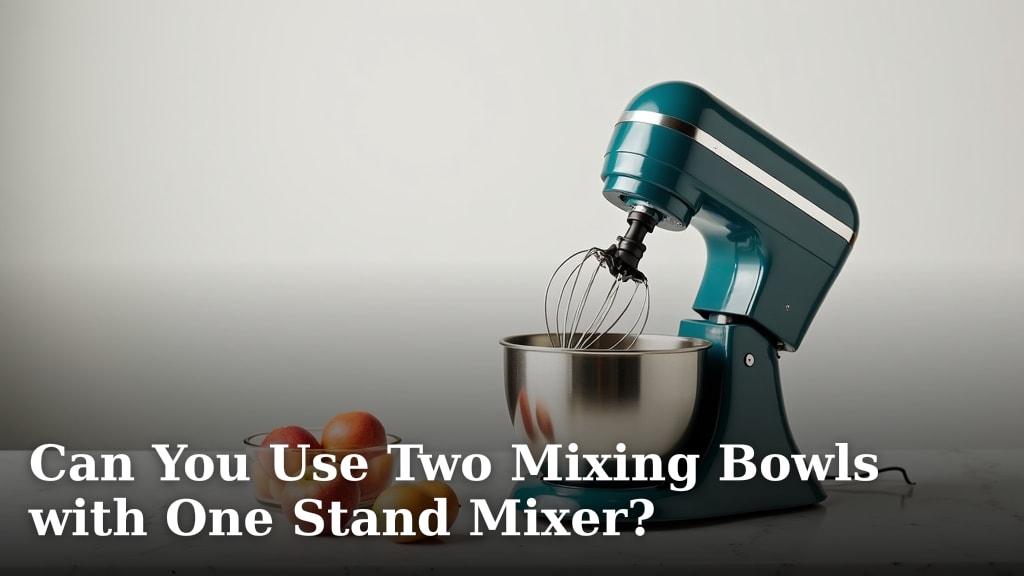
Yes, you absolutely can use two mixing bowls with one stand mixer, but it often depends on your mixer model. Many popular brands offer a second bowl as an accessory. This can really speed up your baking projects.
Having an extra bowl means you can prepare different mixtures without stopping to wash. Imagine making separate batters or whipping egg whites while your dough rests. It’s a huge time-saver for busy bakers, giving you more kitchen efficiency.
- You can use a second mixing bowl with many stand mixers.
- Check your mixer’s model for compatibility and available accessories.
- Having two bowls saves time and makes baking easier.
- It helps with recipes requiring multiple steps or ingredients.
Let’s dive into how this clever setup works and what you need to know to make it happen in your kitchen.
Maximizing Your Stand Mixer with Additional Bowls
Yes, you absolutely can use a second mixing bowl with your stand mixer. It’s a fantastic way to streamline your baking process.
Picture this: you’re whipping up a batch of cookies. You need to cream butter and sugar in one step, then beat egg whites to stiff peaks for another recipe. With two bowls, you don’t have to stop and wash the first one. You just swap them out. This simple trick can save you a lot of time and effort in the kitchen.
Why Bother with an Extra Mixing Bowl?
Many home bakers find themselves wishing for more bowls. It’s a common scenario. Think about recipes that require separate wet and dry ingredients, or those delicate meringues that need a pristine, grease-free bowl.
Having a second bowl means you can keep your momentum going. You won’t break your baking flow. It makes complex recipes feel much more manageable.
Speed and Efficiency
Time is precious, especially when you’re baking for a party or a holiday. An extra bowl lets you work on two parts of a recipe almost simultaneously. While one mixture is whisking away, you can prepare ingredients for the next step in the other bowl. This reduces downtime significantly.
Maintaining Ingredient Integrity
Some ingredients don’t play well together until the very last moment. For example, whipping egg whites requires a perfectly clean and dry bowl. Even a tiny bit of grease can prevent them from reaching their full volume (Food Science & Nutrition Journal). If your first bowl just held butter and sugar, you’d have to thoroughly clean it before using it for egg whites. A second bowl solves this problem instantly.
Avoiding Cross-Contamination
When you’re dealing with different flavors or strong ingredients, cross-contamination can be an issue. Imagine making a savory dough in one bowl, then needing a clean bowl for a sweet dessert. A dedicated second bowl helps you keep flavors separate and maintain food safety standards, especially if someone in your household has allergies.
Identifying Compatibility: Will Your Mixer Work with Two Bowls?
Not all stand mixers are created equal when it comes to extra bowls. The first step is to check your specific mixer model. Most major brands offer accessories, and a second bowl is often high on that list.
Your mixer’s manual is your best friend here. It will tell you what accessories are compatible. If you don’t have the manual, a quick search on the manufacturer’s website should provide the information you need. Look for sections on “accessories” or “replacement parts.”
Major Brands and Their Second Bowl Options
Many popular stand mixer brands understand the need for extra bowls. They design their mixers with this flexibility in mind. You might be surprised at the variety available.
We found that brands like KitchenAid, Cuisinart, and Kenwood often sell additional bowls. These can be the same size as your original, or sometimes even different sizes to give you more options.
KitchenAid Stand Mixers
KitchenAid is a leader in this area. They offer a wide range of bowls for their various mixer models. You can often find stainless steel, glass, and even ceramic bowls. These come in different sizes, from 3.5 quarts up to 7 quarts, depending on your mixer series. This variety means you can easily find a second bowl that suits your needs.
Other Popular Brands
Cuisinart also provides extra bowls, usually matching the original material and size. Breville and Kenwood often have similar offerings. It’s always a good idea to search specifically for your model number. This ensures you get a bowl that fits perfectly and is designed to work with your mixer’s locking mechanism.
What to Look for When Buying a Second Bowl
When you’re shopping for an extra bowl, several factors come into play. You want to make sure it’s the right fit and will be truly useful for your baking habits.
Consider the material, capacity, and how it attaches to your mixer. These details ensure a smooth and effective baking experience.
Material Matters
Mixing bowls come in various materials, each with pros and cons:
- Stainless Steel: This is the most common and durable. It’s lightweight, easy to clean, and doesn’t react with ingredients. Most stand mixers come with stainless steel bowls.
- Glass: Glass bowls are great because you can see the mixing action from all angles. They’re also microwave-safe, which is handy for melting butter. However, they are heavier and can break if dropped.
- Ceramic: These bowls offer a beautiful aesthetic and can be used for baking in the oven. They are often heavier and more fragile than stainless steel or glass.
Think about what you’ll be using the bowl for most often. Do you need to see through it? Is durability your top priority? Your choice of material impacts how you use your mixer.
Capacity and Size
The capacity of your second bowl should ideally match your original bowl, or be a size that you know you’ll use. If your mixer came with a 5-quart bowl, a second 5-quart bowl is a safe bet. Sometimes, a smaller bowl for whipping small amounts (like a single egg white) can be incredibly useful too. Many experts recommend having at least one bowl that matches your primary one for To ensure you pick the perfect appliance, our guide on what is the right size stand mixer for you can help.maximum versatility.
Attachment Mechanism
This is crucial. Stand mixer bowls attach in one of two main ways: twist-and-lock onto the base, or bowl-lift designs where arms hold the bowl in place. Make sure your replacement or extra bowl uses the same attachment method as your original. An incompatible bowl won’t fit, no matter how much you try. Always double-check the product description for compatibility details.
Practical Tips for Using Multiple Bowls
Once you have your second bowl, you’ll want to get the most out of it. Using multiple bowls effectively is about good organization and smart planning.
It’s not just about swapping; it’s about thinking ahead. Here are some pointers to help you make the most of your multi-bowl setup.
Streamlining Your Workflow
The main goal of a second bowl is to make your baking smoother. Plan your recipe steps to take full advantage. For instance, if you need to beat butter and sugar, then eggs, and finally fold in dry ingredients, having a second bowl ready for the next step can keep you moving.
We found that preparing your ingredients (mise en place) for both bowls before you start mixing helps a lot. It turns baking into a well-orchestrated process.
Prep for the Next Step
While one bowl is mixing, measure out ingredients for the next part of your recipe into the second bowl. This is especially helpful if you have a separate dry ingredient mix or need a quick second batter. You’re effectively creating a mini assembly line right at your mixer. This saves those precious moments of searching and measuring mid-mix, ensuring your ingredients are ready when you are.
Using Different Attachments
Often, different mixing tasks require different attachments (whisk, paddle, dough hook). With a second bowl, you might not even need to wash your attachments immediately. You can use the paddle for one mixture, then quickly switch to the whisk for the second bowl. This means less stopping and cleaning mid-recipe, keeping your baking momentum high.
Cleaning and Storage for Your Extra Bowls
Having more bowls means more to clean, but it’s a small trade-off for the added convenience. Most stand mixer bowls are dishwasher safe, which makes cleanup a breeze. For easy maintenance, you can find out if you can put a stand mixer bowl in the dishwasher.
For storage, consider nesting them if possible, or dedicating a shelf in your pantry. Keeping them accessible will encourage you to use them more often. A little organization goes a long way in maintaining a functional kitchen space.
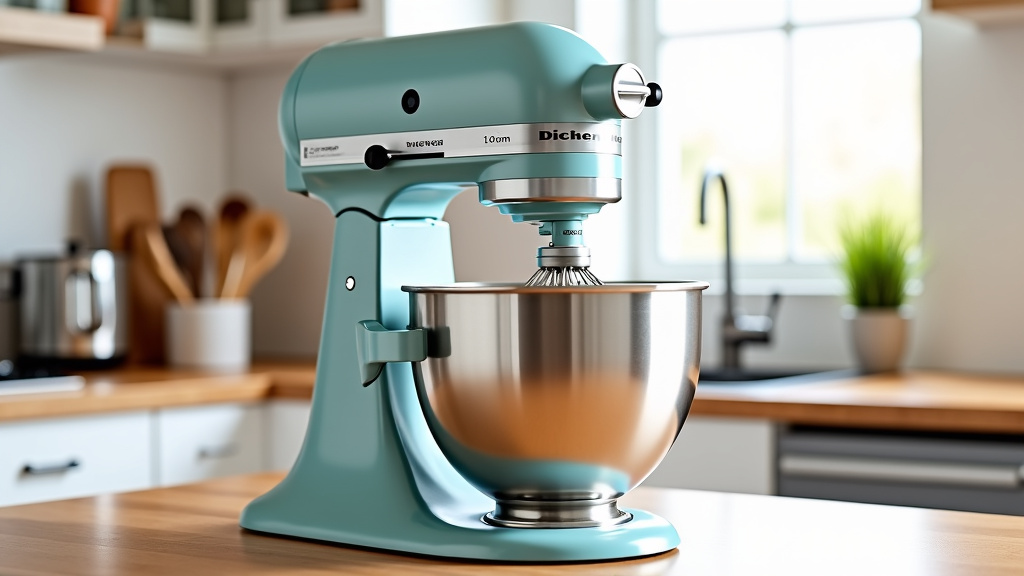
Checklist for Your Second Stand Mixer Bowl Purchase
Ready to get your second bowl? Use this quick checklist to make sure you’re making the best choice:
- Know your exact stand mixer model number.
- Check the manufacturer’s website for compatible accessories.
- Decide on the material (stainless steel, glass, ceramic) that best suits your needs.
- Choose the right capacity – matching your original or a useful alternative.
- Confirm the bowl’s attachment mechanism matches your mixer.
- Read reviews from other users for any specific model quirks.
| Feature | Benefit of a Second Bowl | Consideration |
|---|---|---|
| Time Savings | Prepare ingredients for subsequent steps while the mixer runs. | Requires some pre-planning. |
| Recipe Versatility | Easily handle recipes requiring separate mixtures (e.g., egg whites). | Ensures proper fit and attachment. |
| Reduced Cleanup Interruptions | No need to wash the bowl mid-recipe for different ingredients. | More bowls to wash at the end. |
| Ingredient Integrity | Keeps sensitive ingredients (like egg whites) free from contamination. | Choose material based on use. |
Conclusion
As we’ve seen, having a second mixing bowl for your stand mixer is a genuine game-changer. You can dramatically boost your kitchen efficiency and tackle complex recipes with ease. No more stopping to wash bowls mid-recipe, and no more compromising on ingredient integrity. By choosing a compatible bowl and planning your workflow, you’ll find your baking process becomes much smoother. So, go ahead and explore the options for your mixer; you’ll wonder how you ever baked without one.
Frequently Asked Questions
Can a different brand’s bowl fit my stand mixer?
Generally, no. Stand mixer bowls are designed with specific locking mechanisms and dimensions for their brand and model. Using a different brand’s bowl will likely result in an improper fit and could even damage your mixer.
Is a glass or ceramic bowl better than stainless steel?
It depends on your preference. Glass and ceramic bowls let you see mixing progress and can be oven-safe. However, stainless steel is more durable, lighter, and less prone to breaking if dropped. We found many bakers prefer stainless steel for everyday use.
Do I need a second set of attachments for my extra bowl?
Not necessarily. While convenient, you can simply swap attachments between bowls. Many bakers find having one set of attachments works perfectly. This lets you use the appropriate attachment for each mixture without immediate cleaning.
How can I store my extra stand mixer bowl efficiently?
If your bowls are the same size, they often nest inside each other when upside down. If they are different sizes, try nesting the smaller one inside the larger. Dedicate a specific, easily accessible spot in your pantry or cupboard for them.
Will adding a second bowl void my stand mixer’s warranty?
Using a manufacturer-approved accessory, like an official second bowl for your model, will not void your warranty. However, using a non-approved or ill-fitting third-party bowl might. Always check your mixer’s manual or the manufacturer’s website for compatible accessories.