What Is the Right Size Stand Mixer for Me?
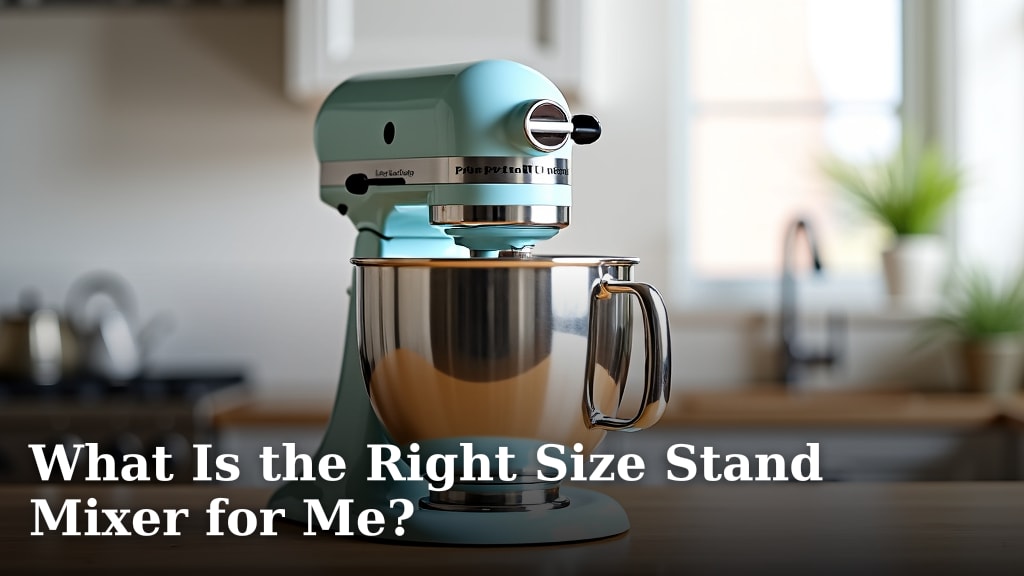
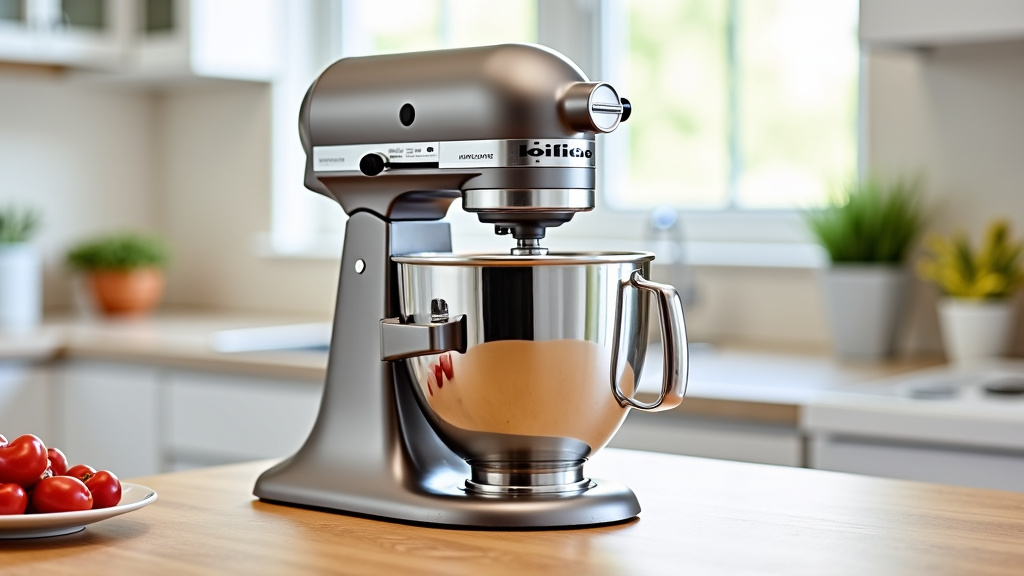
The right size stand mixer for you generally depends on your typical baking needs and kitchen space. For most home bakers, a 5-quart stand mixer offers the best balance of capacity and convenience, handling everything from everyday cookies to larger bread batches without issue. If you bake occasionally or have a tiny kitchen, a 3.5 to 4-quart mixer might be perfect, but for serious bakers or large families, a 6 to 7-quart model provides the necessary muscle and volume.
Choosing the correct stand mixer size isn’t just about bowl capacity; it also involves considering your baking frequency and the types of recipes you make most often. A mixer that’s too small will struggle with double batches, while one that’s too large can make small tasks messy and inefficient. We found that matching the mixer’s size to your lifestyle and available counter space helps ensure you get the most out of your appliance.
TL;DR:
- Most home bakers: 5-quart mixers are ideal.
- Occasional bakers/small kitchens: 3.5-4 quarts work well.
- Frequent bakers/large families: 6-7 quarts offer more power and capacity.
- Consider both bowl size and motor strength.
- Match the mixer to your typical recipes and available space.
Let’s walk through how to pick the perfect stand mixer that will become your new best friend in the kitchen.
Choosing Your Stand Mixer: A Size Guide
Finding the perfect stand mixer often feels like dating. You want one that fits your life, your kitchen, and your baking habits. We’ll help you figure out what size works best for you, so you can stop guessing and start mixing.
Understanding Stand Mixer Capacities
When you see a stand mixer advertised, its size is almost always listed by its bowl capacity. This is usually measured in quarts. But what does that really mean for your baking?
What Does “Quart” Really Mean?
Think of it like this: one quart is roughly equal to four cups. So, a 5-quart mixer has a bowl that can hold about 20 cups of ingredients. This measurement tells you the total volume the bowl can physically contain, not necessarily the amount of dough it can comfortably mix. We found that you typically don’t fill the bowl to the very brim when mixing to avoid spills and allow for proper aeration.
Comparing Quart Sizes to Common Recipes
Let’s look at how common stand mixer sizes stack up against popular recipes. This helps you visualize what you can actually do with each mixer. We believe this practical comparison is more useful than just raw numbers.
| Mixer Size (Quarts) | Typical Dough Capacity (Flour) | Common Recipe Examples |
|---|---|---|
| 3.5 – 4 Quarts | Up to 4-5 cups flour | Single batch cookies (2-3 dozen), small cake batter, whipped cream, small batches of frosting. |
| 4.5 – 5 Quarts | Up to 7-9 cups flour | Double batch cookies (4-6 dozen), standard cake batter, 2 loaves of bread dough, mashed potatoes for a family. |
| 6 – 7 Quarts | Up to 12-14 cups flour | Large bread batches (3-4 loaves), multiple cake layers, holiday baking, catering-sized recipes, dense doughs. |
| 7+ Quarts (Commercial) | 15+ cups flour | Very large batch baking, professional use, extremely dense doughs. |
Matching Your Mixer to Your Baking Habits
Your ideal stand mixer size isn’t just about bowl capacity. It’s really about how you bake. Do you whip up a quick cake once a month, or are you a bread-baking enthusiast every weekend? Your baking frequency and recipe types are key factors here.
The Casual Baker (3.5 – 4 Quarts)
If you bake occasionally, perhaps a batch of cookies for a school event or a cake for a birthday, a smaller mixer might be perfect. These typically range from 3.5 to 4 quarts. They are often more compact and lighter, making them easier to store if you have limited counter space. We’ve found that a small mixer is excellent for single recipes and light tasks.
- You bake for 1-2 people.
- You make small batches of cookies or frosting.
- Your kitchen counter space is precious.
- You don’t bake heavy, dense bread doughs often.
The Everyday Home Baker (4.5 – 5 Quarts)
This is the sweet spot for most households, including ours. A 4.5 or 5-quart stand mixer is incredibly versatile. It can handle double batches of cookies, standard cake mixes, and even a couple of loaves of bread dough without complaint. Many experts agree this size offers the best balance for varied home baking needs (Consumer Reports). It’s the go-to size that fits most kitchens and most baking routines.
- You bake 1-3 times a week.
- You make cookies, cakes, and occasional bread.
- You have a small to medium-sized family.
- You need a mixer that can do a little bit of everything.
The Avid or Large-Family Baker (6 – 7 Quarts)
If you’re constantly in the kitchen, baking for a large family, or making multiple batches for parties and holidays, then a 6 or 7-quart mixer is your workhorse. These larger mixers have the capacity and often more powerful motors to handle significant amounts of dough and batter. They excel at making multiple bread loaves, large holiday cookie batches, or big batches of mashed potatoes. We understand that for serious bakers, capacity is king.
- You bake frequently, often multiple times a week.
- You make large quantities for a big family or entertaining.
- You regularly bake multiple loaves of bread or dense doughs.
- You have ample counter space for a larger appliance.
Don’t Forget Motor Power (Wattage)
The size of the bowl is important, but it’s not the whole story. The motor’s power, usually measured in watts, plays a huge role in how well your mixer performs. A small, weak motor in a large bowl won’t cut it when mixing heavy bread dough. We always recommend looking at both factors together.
Direct Drive vs. Worm Gear Motors
Most stand mixers use either a direct drive or a worm gear motor. Direct drive motors transfer power directly to the mixing attachment, making them very efficient and generally quieter. Worm gear motors use gears to transfer power. For heavy-duty tasks, many experts suggest looking for higher wattage and robust gearing to ensure longevity and consistent performance (National Sanitation Foundation International).
Wattage Recommendations for Different Baking Needs
- 250-325 Watts: Often found in smaller mixers. Good for light batters, whipping cream, and single batches of cookies.
- 325-500 Watts: Ideal for most home bakers. Handles double batches of cookies, standard cake batters, and medium bread doughs well.
- 500+ Watts: Essential for larger mixers (6-7 quarts) that tackle heavy, dense doughs like multiple bread loaves or bagel dough. This power ensures the motor doesn’t strain or overheat.
Consider Your Kitchen Space
A stand mixer is a beautiful and functional appliance, but it takes up real estate. Before you commit to a size, measure your available counter space and think about storage. Will it live on the counter, or will you need to lift it into a cabinet?
Countertop Footprint and Weight
A 7-quart mixer, while powerful, is also quite large and heavy. It might not fit under standard kitchen cabinets. Smaller 3.5 to 4-quart mixers are often more compact and lighter, making them easier to move. We find that imagining your mixer in its permanent home helps you make a practical choice.
Storage Solutions
If you have limited counter space, a smaller, lighter model is probably best, even if you occasionally wish for more capacity. Conversely, if you have a dedicated baking station, a larger, heavier model might be perfectly fine. You want a mixer that enhances your kitchen, not clutters it.
A Quick Checklist to Guide Your Decision
Ready to make your choice? Use this handy checklist to narrow down your options and find the stand mixer that’s just right for you.
- What do you bake most often? (Cookies, cakes, bread, meringues?)
- How many people do you usually bake for?
- How often do you bake? (Weekly, monthly, daily?)
- Do you often make double or triple batches?
- How much counter space can you dedicate to your mixer?
- What’s your budget? (Larger mixers generally cost more.)
Conclusion
Choosing your stand mixer size is a personal decision, shaped by your unique baking journey. Whether you’re a casual cookie maker or a dedicated bread baker, there’s a perfect mixer waiting for you. We’ve seen that matching capacity and motor power to your habits ensures kitchen harmony. Don’t let the options overwhelm you; use your baking frequency, typical recipes, and available space as your compass.
Ultimately, the right stand mixer will become a cherished tool, simplifying your baking and inspiring new creations. Take these insights, consider your needs, and confidently select the mixer that will truly make your kitchen sing.
Frequently Asked Questions
Is a 5-quart mixer big enough for bread?
Yes, a 5-quart stand mixer is typically sufficient for making two standard loaves of bread dough. If you bake bread occasionally or for a small family, it should handle your needs well. For larger or denser batches, you might prefer a 6 or 7-quart model.
Can a stand mixer be too big for my needs?
Absolutely. A stand mixer that’s too large can be cumbersome, heavy to move, and take up too much counter space. We found that smaller batches of ingredients can also sometimes struggle to mix properly in an oversized bowl, leading to inefficient mixing.
What’s the difference between a tilt-head and bowl-lift mixer?
Tilt-head mixers have a head that tilts back for easy access to the bowl and attachments, and they are usually smaller. Bowl-lift mixers have a bowl that locks into place and is raised by a lever, often found in larger, more powerful models designed for heavy-duty tasks.
Do smaller stand mixers have less power?
Generally, yes. Smaller stand mixers (3.5-4 quarts) often come with less powerful motors (around 250-325 watts). Larger mixers (6-7 quarts) require and typically include more powerful motors (500+ watts) to handle their increased capacity and heavier doughs effectively.
How much counter space do I need for a stand mixer?
The space needed varies greatly by mixer size. A 3.5-quart model might fit in a compact corner, while a 7-quart mixer requires a significant footprint and might not fit under standard kitchen cabinets. Measure your available space before buying to avoid surprises.