How Much Does a Stand Mixer Cost?
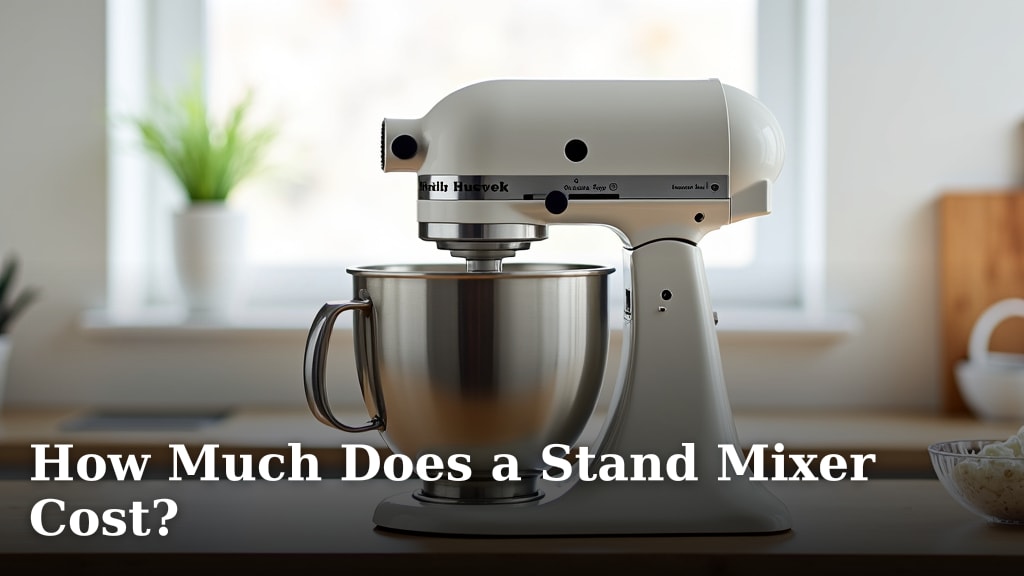
A stand mixer costs anywhere from $50 to over $1,000, depending on the brand, features, and power. Most home bakers find a great option within the $200-$400 range for a reliable model.
The price really shifts based on what you need it for. Are you making cookies a few times a year, or are you baking bread every day? Think about whether you need a basic model or something with professional-grade features and a larger capacity.
- Budget stand mixers start under $100.
- Mid-range models are typically $200-$400.
- High-end, professional models can exceed $500.
- Power and bowl size affect the cost.
- Brand reputation also plays a big role in pricing.
Let’s dive into what truly drives the cost of stand mixers so you can pick the perfect one without overspending.
The Price Range of Stand Mixers Explained
Stand mixer prices vary a lot. You’ll find models from under $100 to over $1,000. This big difference comes down to several key factors. Think about how often you’ll use it and for what recipes.
Most home cooks will find a perfect match in the middle of this range. We’ve found that the $200 to $400 category offers a sweet spot of quality and features. It’s about finding what fits your baking habits best.
Budget-Friendly Stand Mixers: Under $150
Are you a casual baker? Maybe you only make cookies for holidays? A stand mixer under $150 might be all you need. These models are great for occasional use. They typically have less powerful motors and smaller bowls.
You’ll often find these mixers have plastic housings. This keeps the cost down. They might not handle very thick doughs, like bread dough, as well as more expensive models. But for lighter tasks, they do the job.
- Great for occasional bakers.
- Lower wattage motors (250-325 watts).
- Smaller bowl sizes (3-4 quarts).
- Basic attachments only.
- Often have plastic exterior.
Mid-Range Stand Mixers: $150-$500
This is where most home bakers land. Stand mixers in the $150-$500 range offer a fantastic balance. You get more power, better durability, and often more features. These are the workhorses for someone who bakes regularly.
Many popular brands fall into this category. You’ll start to see all-metal construction on some models. This means they last longer. They also have stronger motors, making them better for tougher jobs like kneading dough.
The Sweet Spot: $200-$400
Within the mid-range, the $200-$400 slice is especially popular. Here, you often get good motor power (350-575 watts). Bowl sizes usually range from 4.5 to 6 quarts. This is enough for most family-sized recipes.
You’ll also get a wider variety of attachments included. Think dough hooks, wire whips, and flat beater. Plus, these models usually come in many colors. This adds a touch of style to your kitchen.
High-End & Professional Stand Mixers: $500+
For serious bakers or small businesses, the $500+ category is where it’s at. These mixers are built like tanks. They have the most powerful motors (600 watts and up). They can handle large batches and heavy doughs with ease.
You’ll notice bigger bowl capacities here, often 6 to 8 quarts. Some even go up to 10 quarts. These are ideal for those who bake multiple loaves of bread at once. Or if you need to whip up immense batches of frosting.
These mixers often feature advanced designs. Some have bowl-lift mechanisms for extra stability. They are made with heavy-duty materials. This ensures a long life even with constant use.
What Factors Drive Stand Mixer Costs?
Why is there such a difference in price? It’s not just about the brand name. Many elements contribute to the final price tag. Understanding these helps you choose wisely.
Motor Power and Durability
The motor is the heart of your stand mixer. A more powerful motor costs more to produce. It also uses more durable components. We often measure motor power in watts.
Lower-cost mixers might have 250-300 watt motors. These are fine for light batters. But for thick doughs, you’ll want at least 325 watts. Professional models can exceed 600 watts. This extra power allows them to mix dense ingredients without straining or overheating (Consumer Reports).
Motor durability is also key. High-end mixers use stronger gears and parts. This means they last longer. They can handle daily, heavy-duty tasks without breaking down. Cheaper mixers might use plastic gears. These can wear out faster.
Bowl Capacity and Material
The size of the mixing bowl matters. Smaller bowls (3-4 quarts) are cheaper. They also limit what you can bake. If you want to make a triple batch of cookies, a small bowl won’t do.
Larger bowls (5-7 quarts) are very common. They cost more. We’ve seen that most home bakers find a 5-quart bowl perfect. It handles everyday recipes well. Professional models use even larger bowls, sometimes 8-10 quarts.
Bowl material also affects cost. Most mixers come with stainless steel bowls. These are durable and easy to clean. Some cheaper models might have glass or plastic bowls. Stainless steel is generally preferred for its longevity.
Construction Materials and Build Quality
A mixer’s exterior materials play a big role in its price. Entry-level models often use plastic casings. This keeps manufacturing costs low. While functional, they might not feel as sturdy.
Mid-range and high-end mixers often feature die-cast metal construction (like zinc or aluminum). This makes them much heavier and more robust. We’ve seen metal mixers last for decades. They absorb vibrations better and are quieter. This solid build quality adds to the cost.
Included Attachments and Accessories
What comes in the box? Most mixers include three basic attachments: a flat beater, a wire whip, and a dough hook. These are essential. The quality of these attachments can vary.
Some mixers offer extra attachments. Think of flex edge beaters or pour shields. These add convenience. Higher-priced models might even come with premium attachments made of stainless steel instead of coated aluminum. This ups the price.
Many brands also offer a wide range of optional accessories. Pasta makers, meat grinders, spiralizers – these are sold separately. The ability to expand your mixer’s functions makes a model more versatile. While not included, this potential for expansion can influence the base price of the mixer.
Popular Stand Mixer Brands and Their Price Points
When you start shopping, you’ll quickly notice certain brands dominate the market. Each brand has its own reputation for quality and price range. Let’s look at some common ones.
KitchenAid
KitchenAid is arguably the most recognized stand mixer brand. Their mixers are known for their iconic design and durability. They offer a wide price range, from entry-level to professional.
For example, a KitchenAid Classic (4.5 quart) typically costs around $250-$300. The popular Artisan model (5 quart) sits in the $300-$400 range. Their Professional 600 Series (6 quart) can cost $400-$600. Their most powerful commercial models go even higher.
Cuisinart and Kenwood
Cuisinart mixers often fall into the mid-range category. Prices for their stand mixers usually run from $200-$400. They are known for strong performance and good features for the price. We’ve found them to be reliable options for many home bakers.
Kenwood mixers are popular in Europe and are gaining traction in the US. They tend to be on the higher end of the mid-range or into the premium category. Expect to pay $300-$700 for a Kenwood. They are known for powerful motors and a wide array of attachments.
Hamilton Beach, Proctor Silex, and Dash
These brands offer excellent budget-friendly options. Their stand mixers typically cost under $150, often even under $100. They are perfect for basic baking needs. If you’re just starting out or bake occasionally, these are great choices.
They might have smaller bowls (3.5-4 quarts) and less powerful motors (250-300 watts). But for whipping cream or mixing cake batter, they get the job done. They often feature plastic bodies to keep costs down.
Finding the Best Value: A Checklist
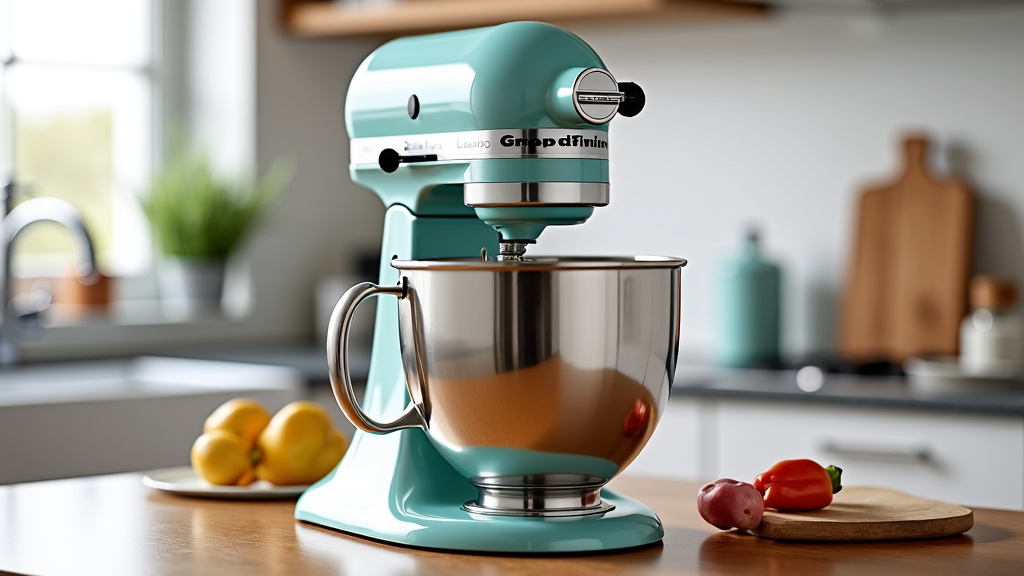
When you’re trying to decide, comparing features and prices can be confusing. Here’s a simple checklist to help you find a great value stand mixer.
- How often will you bake? Occasional vs. daily use changes needs.
- What will you bake? Light batters or heavy bread doughs?
- What motor power do you need? Look for 325W+ for versatility.
- What bowl size is right? 4.5-6 quarts handles most recipes.
- Is it durable? Metal construction means a longer lifespan.
- Check included attachments. Do you get all the basics?
By considering these points, you can avoid overspending. You’ll get a mixer that truly fits your baking style and budget. Remember, the “best” mixer isn’t always the most expensive one. It’s the one that best meets your needs without breaking the bank.
Conclusion
Choosing the right stand mixer doesn’t have to be overwhelming. You’ve seen that prices vary widely depending on your needs. For most home bakers, the $200-$400 range offers the best value and features. Think about your baking habits—casual or enthusiast—and the types of recipes you love.
By focusing on motor power, bowl size, and construction, you can find a mixer that fits your budget. Don’t overspend on features you won’t use. Instead, invest in a reliable model that will make your baking enjoyable for years to come. Now go find your perfect baking companion!
Frequently Asked Questions
Is a more expensive stand mixer always better?
Not necessarily. A higher price often means more powerful motors, larger capacity, and premium materials. However, if you’re a casual baker, a budget-friendly model might perfectly suit your needs without costing extra.
How much wattage do I need for a stand mixer?
For general home baking, a motor with 300 to 325 watts is usually sufficient. If you plan to regularly knead heavy bread dough or make large batches, you’ll benefit from a mixer with 500 watts or more.
Can I find a good stand mixer for under $100?
Yes, you can. Brands like Hamilton Beach and Dash offer reliable stand mixers in this price range. These are typically best for lighter tasks and occasional use, with smaller bowls and less powerful motors.
What’s the ideal bowl size for a family of four?
A 4.5-quart to 6-quart bowl is generally ideal for a family of four. This size handles most standard recipes, from cookie dough to cake batter, without being too large or too small.
Do stand mixers usually come with a warranty?
Most reputable stand mixer brands offer a warranty, typically ranging from one to five years. We recommend checking the specific warranty details before purchasing, as coverage can vary by brand and model.