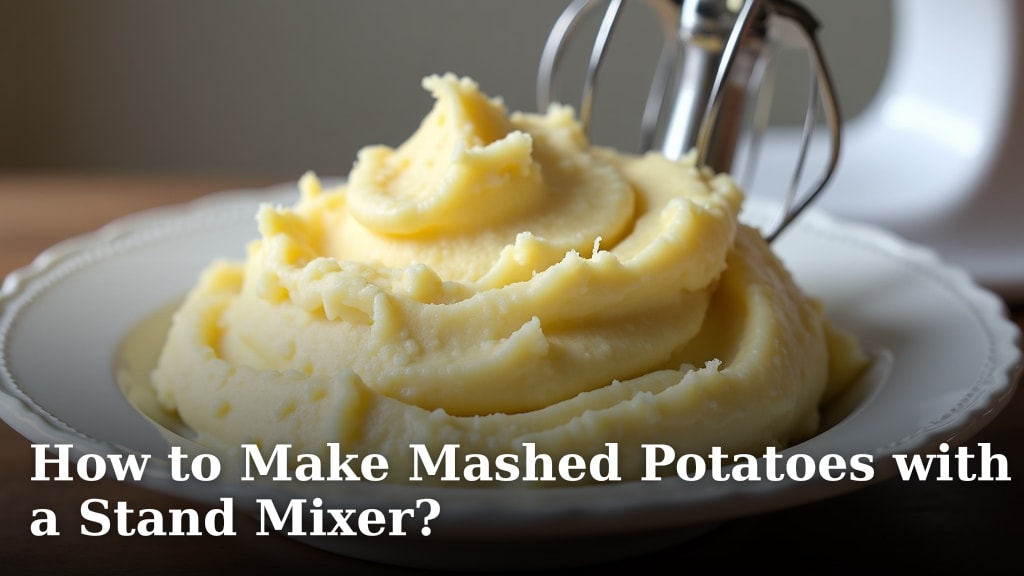
How to Make Mashed Potatoes with a KitchenAid Mixer
To make mashed potatoes using a KitchenAid mixer, drain cooked potatoes well, fit the flat beater, and mix on low just until smooth. Add warm milk and butter gradually, and stop as soon as the potatoes are creamy.
On this page (9 sections)
- Which KitchenAid attachment works best for mashed potatoes?
- How do you make mashed potatoes with a KitchenAid mixer?
- How long should you mix mashed potatoes?
- Why can stand mixer mashed potatoes turn gluey?
- How much butter and milk should you add?
- What if you don't have a stand mixer?
- Can you use a KitchenAid mixer attachment for mashed potatoes?
- How do you clean up after mixing potatoes?
- What is the simplest way to keep mashed potatoes smooth?
To make mashed potatoes using a KitchenAid mixer, drain cooked potatoes well, use the flat beater, and mix on low only until they come together. Add warm butter and milk a little at a time, then stop before the potatoes turn sticky.
A stand mixer makes it easier to add ingredients while the bowl stays in place. The key is to use it for a short finish, not to beat the potatoes for several minutes.
Which KitchenAid attachment works best for mashed potatoes?
The flat beater is the practical choice for mashed potatoes. It breaks up cooked potatoes and blends in butter and milk without the whipping action of the wire whip.
Peel the potatoes if you want a smoother result. Cut them into evenly sized chunks so they cook at a similar pace, then boil until a fork passes through without resistance.
Drain thoroughly and return the potatoes to the warm pot for a short time to let excess steam escape. Too much water can leave the mash loose and encourage you to mix longer to thicken it.
Fit the flat beater and add the potatoes to the mixer bowl. If you're new to this attachment, our guide to what you can make with a stand mixer explains how its common tools suit different tasks.
A potato masher or ricer can do the initial breaking up before the mixer finishes the job. This reduces how long the mixer needs to run.
How do you make mashed potatoes with a KitchenAid mixer?
Cook the potatoes until tender, drain them, then mix briefly on low with the flat beater. Add warm butter and milk gradually, stopping when the texture is creamy enough for you.
- Cut peeled potatoes into evenly sized chunks.
- Simmer them in water until easily pierced with a fork.
- Drain well and let steam escape for a moment.
- Put the potatoes in the mixer bowl and fit the flat beater.
- Mix on the lowest speed until the largest pieces break down.
- Add warm butter and milk in small amounts.
- Stop as soon as the potatoes reach the texture you want.
Warm dairy blends in more easily than cold dairy. Add it a little at a time because different potato varieties and batch sizes absorb different amounts.
Keep the mixer speed low and stay nearby. If the potatoes aren't breaking down, stop the mixer and scrape the bowl rather than turning up the speed or letting it run longer.
For a fuller walkthrough with other stand mixer details, see how to make mashed potatoes with a stand mixer.
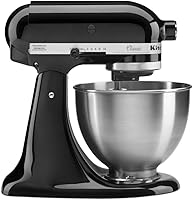
The KitchenAid Classic Series 4.5 Quart Tilt-Head Stand Mixer has 10 speeds and includes a 4.5 quart stainless steel bowl, coated flat beater, coated dough hook, and 6-wire whip. Its tilt-head design gives you access to the bowl while you add ingredients.
How long should you mix mashed potatoes?
Mix only until the potatoes are creamy and the dairy is blended in. The right time depends on how well the potatoes were cooked and how much you have in the bowl.
Check the texture after the first brief mix. If you see large pieces, scrape the bowl and mix again for a few seconds at low speed.
Stop when the mash looks smooth enough for your meal. More mixing won't make it fluffier if the potatoes are already broken down; it can make them dense and gluey.
Why can stand mixer mashed potatoes turn gluey?
Overmixing can make mashed potatoes gluey because it works the potatoes more than needed. Stop once the ingredients are combined, and use a potato masher or ricer first if you want more control over the final texture.
A mixer is powerful enough to keep working the potatoes while you add ingredients. Avoid high speeds, long mixing, and trying to beat out every small lump.
If the mash looks stretchy or pasty, stop mixing. Adding more milk may loosen it, but continued beating can make the texture worse.
See why stand mixer mashed potatoes turn gluey for more on the role of the paddle and mixing time.
Should you use the wire whip?
Use the flat beater for the main mixing step instead of the wire whip. The wire whip is made for incorporating air into ingredients such as cream, while mashed potatoes need a short, controlled blend.
If you want a lighter result, use warm dairy and avoid overfilling the bowl. Whipping the potatoes for longer isn't a reliable way to make them fluffy.
How much butter and milk should you add?
Start with a small amount of warm butter and milk, then adjust to taste and texture. A fixed amount may not suit every potato variety or batch.
Add butter first so it can melt into the hot potatoes, then pour in warm milk a little at a time. Stop when the mash holds together and feels soft without looking wet.
For richer potatoes, you can use cream instead of some or all of the milk. Add it gradually, since an extra splash is easier to correct than a bowl of overly loose mash.
What if you don't have a stand mixer?
A potato masher or ricer can handle the job without a mixer. For small batches, a hand mixer is another option if you use its beaters briefly on a low speed.
A hand mixer doesn't hold the bowl for you, so set it on a stable surface and keep one hand free to add ingredients. Start on low, and stop once the potatoes are blended.
The Hamilton Beach 6-Speed Electric Hand Mixer includes 2 traditional beaters, a whisk, and a snap-on storage case. Its bowl rest stabilizes the mixer on the edge of a bowl when you set it down.
Choose a masher or ricer if you want to avoid powered mixing altogether. For a broader look at KitchenAid mixer tasks, see what you can make with a KitchenAid stand mixer.
Can you use a KitchenAid mixer attachment for mashed potatoes?
Use the flat beater that comes with the mixer; a special potato attachment isn't needed for this basic method. Other attachments are designed for different jobs and won't improve mashed potatoes.
For another task, see how to use a KitchenAid grinder attachment.
The KitchenAid Ice Cream Maker Attachment makes frozen desserts, not mash. It has a dasher that rotates inside its bowl to spread, scrape, and mix ingredients for ice cream, gelato, or sorbet.
KitchenAid says this attachment makes up to 2 quarts of frozen dessert in 20 to 30 minutes. Check your mixer model for fit before choosing it, since the attachment excludes some models.
How do you clean up after mixing potatoes?
Remove the bowl and beater, then wash them according to your mixer manual. Rinse potato residue before it dries so it is easier to clean from the beater and bowl.
Unplug the mixer before removing attachments, and wipe the mixer body with a damp cloth if needed. Avoid immersing the mixer body in water.
What is the simplest way to keep mashed potatoes smooth?
For mashed potatoes using a KitchenAid mixer, cook the chunks until tender, drain well, use the flat beater on low, and stop as soon as the mash is creamy. Add warm butter and milk gradually, and don't try to whip out every lump.
If you want the bowl held in place while you finish the mash, a stand mixer with a flat beater suits the task.
Frequently asked questions
Which KitchenAid attachment should I use for mashed potatoes?
Use the flat beater for a short mix after the potatoes are cooked and drained. It breaks them up while you add butter and warm milk.
Avoid prolonged mixing, which can make the potatoes gluey, and don't use the wire whip as a substitute for a potato ricer.
What speed should I use to mash potatoes in a KitchenAid mixer?
Start on the lowest speed and stop when the potatoes are mostly broken up, then add warm butter and milk in small amounts. Mix briefly at low speed until the texture looks right.
The exact speed setting can vary by mixer, so follow its manual.
Can you use a KitchenAid mixer to mash potatoes?
Yes. A stand mixer can mash cooked potatoes with its flat beater, but the mixing should be brief.
Drain the potatoes well, add warm dairy gradually, and stop once they are creamy; continued beating can release more starch and make them sticky.
Is a hand mixer better for mashed potatoes?
A hand mixer can work for small batches if you use its beaters at low speed and mix briefly. A stand mixer keeps the bowl in place and frees a hand for adding ingredients.
For either mixer, stop once the potatoes are smooth enough for your preference.