Why Do Stand Mixer Mashed Potatoes Turn Gluey?
Stand mixer mashed potatoes turn gluey when the paddle works them too long or too fast, releasing excess starch that makes them sticky and stretchy. Mix briefly at low speed, and stop as soon as the potatoes come together.
On this page (8 sections)
- Why do mashed potatoes turn gluey in a stand mixer?
- Does the paddle make gluey potatoes more likely?
- How can you tell the potatoes are getting overmixed?
- Can you save mashed potatoes that are already gluey?
- What steps help prevent gluey potatoes next time?
- Which mixer is a practical fit for a small potato batch?
- What else can a stand mixer do in the kitchen?
- How long should you mix mashed potatoes?
Stand mixer mashed potatoes turn gluey when the paddle works them too long or too fast, releasing excess starch that makes them sticky and stretchy. Mix briefly at low speed, and stop as soon as the potatoes come together.
The paddle can combine cooked potatoes with butter and warm milk, but it can move through a soft batch quickly. Check the texture often instead of letting the mixer run while you prepare other ingredients.
Why do mashed potatoes turn gluey in a stand mixer?
Too much mixing releases potato starch and creates a sticky, elastic texture. The paddle breaks up the cooked potato, and repeated mixing can turn a fluffy mash pasty.
Speed and time both matter. A stand mixer can process a batch faster than a hand masher, so even a short stretch of mixing after the potatoes are smooth may be too much.
Potato type and cooking also affect the result. Waxy potatoes tend to make a denser mash, while starchy varieties can become gummy if heavily worked.
Drain cooked potatoes well and let steam escape before adding liquid.
Does the paddle make gluey potatoes more likely?
The paddle can overwork potatoes if you use it at high speed or leave it running after the lumps are gone. It isn't automatically the cause; how long and how vigorously you mix matters.
Use the paddle for a short, controlled mix. For a KitchenAid mashed potato method, follow the model-specific steps.
Start at the lowest speed, add warm butter or milk in small amounts, and stop to check the texture before adding more.
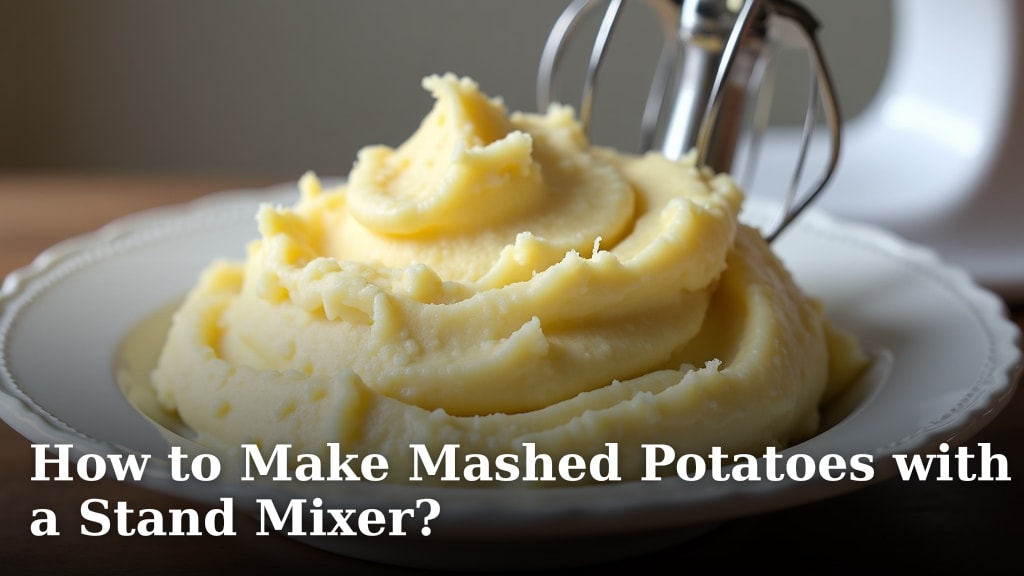
If you want a rustic texture, a hand masher gives you direct control over each press. For the basic mixer method, see How to Make Mashed Potatoes with a Stand Mixer.
Is the whisk gentler than the paddle?
A whisk isn't a guarantee against gluey potatoes. It may add air, but it can still break down the potatoes too much if you mix for too long.
Choose the attachment that lets you stop easily and keep the speed low. If your mixer has several speeds, begin at its lowest setting and watch for the first sign that the mash is smooth enough.
How can you tell the potatoes are getting overmixed?
Stop when the potatoes look smooth enough for your preference and hold their shape without stretching. A sticky, shiny mass that clings in long strands is a sign you've gone too far.
Pause the mixer and check with a spoon. If you can still see large pieces, mix briefly and check again rather than letting the paddle run continuously.
Don't chase every small lump. A few soft pieces are usually better than a smooth but gluey batch.
Can you save mashed potatoes that are already gluey?
You usually can't return gluey potatoes to a fluffy texture once excess starch has been released. Stop mixing right away rather than adding more liquid or beating harder.
Serve the mash as it is, or reuse it in a preparation where a denser texture is suitable, such as potato cakes. If you are still cooking, keep the remaining potatoes separate and mash them gently.
A stand mixer with 10 speeds and a coated flat beater can give you a low-speed option for briefly combining mashed potatoes.
Use the lowest speed and stay beside the bowl. A range of settings doesn't prevent overmixing if the paddle keeps running.
What steps help prevent gluey potatoes next time?
Drain the potatoes well, add warm ingredients gradually, and stop mixing as soon as they come together. These steps help limit extra moisture and starch release.
- Cut potatoes into even pieces so they cook at a similar pace.
- Cook until a fork passes through easily, then drain thoroughly.
- Let the potatoes steam briefly so excess moisture can escape.
- Add warm butter or milk a little at a time.
- Mix on low only until combined, then taste and adjust by hand.
For a more detailed setup and mixing sequence, read How to Use a Stand Mixer. The same principle applies to other foods: monitor the mixture and stop once it reaches the texture you need.
Does a food processor prevent gluey mashed potatoes?
No, a food processor can also make mashed potatoes pasty by breaking them down heavily. If you want a mash, use a potato masher or a mixer on low for a short time.
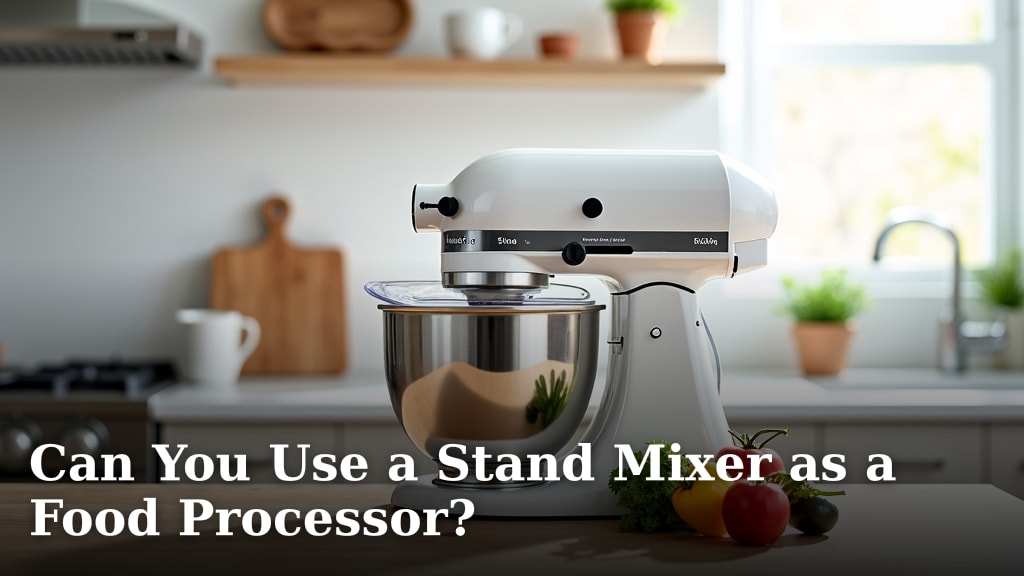
A food processor is useful for different jobs, but it isn't a shortcut to fluffy potatoes. See Can You Use a Stand Mixer as a Food Processor? for which tasks suit a mixer and which need a processor.
Which mixer is a practical fit for a small potato batch?
A hand mixer can work for a small batch if you use low speed and stop promptly. Its beaters still move quickly through soft potatoes, so check the texture often.
The Hamilton Beach 6-Speed Electric Hand Mixer has 6 speed options, 2 traditional beaters, and a whisk. It's a hand mixer, not a potato-specific tool, so use it only if its beaters are easy to control for your batch.
Skip the mixer if you prefer a chunky mash or tend to walk away while it runs. A hand masher makes it easier to feel when the potatoes are broken up enough.
What else can a stand mixer do in the kitchen?
A stand mixer can handle many mixing and whipping jobs, but the right tool depends on the texture you need. Mashed potatoes need a light touch, while tasks such as whipping or kneading follow different cues.
The KitchenAid Ice Cream Maker Attachment makes up to 2 quarts of ice cream, gelato, or sorbet in 20 to 30 minutes. Its dasher rotates inside the bowl to spread, scrape, and mix the frozen mixture.
This attachment is for frozen desserts, not for preparing potatoes. For other uses, browse What Can You Make with a Stand Mixer?.
How long should you mix mashed potatoes?
Mix only until the potatoes are combined and the texture looks right to you. There is no single time that works for every batch because potato quantity, cooking, and mixer speed vary.
Stay close to the mixer and use short bursts at low speed. Stop to scrape the bowl or taste, then mix again only if large pieces remain.
Overmixing can affect dough, too, though the signs and desired texture differ. See Can You Overmix Bread Dough in a Stand Mixer? for that separate mixing problem.
For mashed potatoes, choose a hand masher if you want more texture or a low-speed paddle for a brief, smooth mix. The key is to stop as soon as the potatoes are combined, before they turn sticky or stretchy.
Frequently asked questions
Why do stand mixer mashed potatoes get gluey?
They get gluey when mixing releases too much starch from the potatoes. A paddle can work them quickly, especially at a high speed or for too long.
Use a low setting, add warm liquid gradually, and stop as soon as the potatoes are combined.
Can you fix gluey mashed potatoes?
You usually can't fully undo a gluey texture once the starch has made the potatoes sticky. Stop mixing, then serve them as they are or use them in a dish where a dense texture works, such as potato cakes.
Don't keep beating in an effort to make them fluffy.
Should you use the paddle or whisk for mashed potatoes?
A paddle is easier to control for brief mixing, while a whisk can incorporate more air but may also overwork potatoes quickly. Start on low speed and watch the texture closely with either attachment.
For a rustic mash, use a hand masher instead of a mixer.
How do you keep mashed potatoes from getting sticky?
Cook the potatoes until tender, drain them well, and let excess steam escape before mashing. Add warm butter or liquid gradually, mix at low speed, and stop once no large lumps remain.
Avoid using a food processor, which can break down potatoes heavily and make them pasty.